Tamanho do texto

() ·

Uma pintura feita para você, à mão

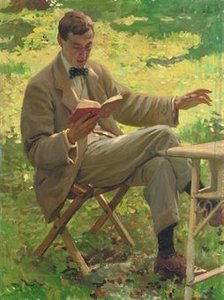
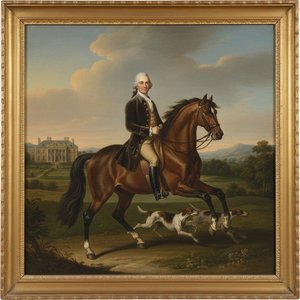
Study (verso)

Reprodução em Óleo Feita à Mão

Óleo sobre tela pintado à mão no tamanho e moldura de sua escolha, feito sob encomenda pelos nossos artistas. ( Alternar para Impressão Alternar para Imagem Digital)

Descrição do Item

A captivating study by Sir Alfred Munnings depicting a bustling village scene with horses and figures – a glimpse into rural British life, rendered with vibrant detail.

Biografia do Artista

Sir Alfred Munnings: O mestre da pintura equina e retratista da vida rural inglesa! Celebre a beleza dos cavalos, caçadores e paisagens tradicionais com este artista icônico.

de ·

Capítulo 1

Qual deve ser o tamanho?

Deslize para alterar o tamanho; a imagem à esquerda mostra a moldura em sua largura real. As proporções originais são mantidas.

Tamanho padrão
personalizado
CM
INCH

Escolha entre os nossos tamanhos pré-definidos que respeitam as proporções originais da obra de arte.

largura
altura

Insira a largura e a altura desejadas para se ajustarem à sua moldura ou parede. Como esta obra é pintada à mão, para um tamanho com proporções diferentes, o artista poderá pintar um pouco mais ao redor da imagem ou reduzir ligeiramente a composição — você escolhe. Enviamos uma maquete digital para sua aprovação antes de iniciar a pintura. A imagem exibida nesta página não representa o resultado real — apenas a maquete mostra o resultado final.

Capítulo 2

Como deve chegar?

Escolha as bordas da tela esticada

Escolha sua moldura

Corner sample of the WhiteWrap canvas edge finish, stretched on madeira maciça bars
Branco €1
Corner sample of the BlurSideWrap canvas edge finish, stretched on madeira maciça bars
Bordas esfumaçadas €1
Corner sample of the ExtendedWrap canvas edge finish, stretched on madeira maciça bars
Bordas estendidas €1
Corner sample of the P118B picture frame: poliestireno moldado, 5 cm wide and 3 cm thick
P118B €10
Corner sample of the P118H picture frame: poliestireno moldado, 5 cm wide and 3 cm thick
P118H €10
Corner sample of the P118W picture frame: poliestireno moldado, 5 cm wide and 3 cm thick
P118W €10
Corner sample of the P438Z picture frame: poliestireno moldado, 5.5 cm wide and 3.5 cm thick
P438Z €10
Corner sample of the P508JH picture frame: poliestireno moldado, 7 cm wide and 3.5 cm thick
P508JH €12
Corner sample of the P508YH picture frame: poliestireno moldado, 7 cm wide and 3.5 cm thick
P508YH €12
Corner sample of the P805H picture frame: poliestireno moldado, 5 cm wide and 3.5 cm thick
P805H €10
Corner sample of the P805Z picture frame: poliestireno moldado, 5 cm wide and 3.5 cm thick
P805Z €10
Corner sample of the P919BZ picture frame: poliestireno moldado, 7 cm wide and 3.5 cm thick
P919BZ €10
Corner sample of the P919G picture frame: poliestireno moldado, 7 cm wide and 3.5 cm thick
P919G €10
Corner sample of the P919XJ picture frame: poliestireno moldado, 7 cm wide and 3.5 cm thick
P919XJ €10
Corner sample of the P959ZH picture frame: poliestireno moldado, 5 cm wide and 3 cm thick
P959ZH €10
Corner sample of the P968JZ picture frame: poliestireno moldado, 6 cm wide and 4 cm thick
P968JZ €12
Corner sample of the W106C picture frame: madeira maciça, 5 cm wide and 3 cm thick
W106C €8
Corner sample of the W218G picture frame: madeira maciça, 5 cm wide and 3 cm thick
W218G €10
Corner sample of the W218JH picture frame: madeira maciça, 5 cm wide and 3 cm thick
W218JH €8
Corner sample of the W218Y picture frame: madeira maciça, 5 cm wide and 3 cm thick
W218Y €10
Corner sample of the W307PJ picture frame: madeira maciça, 6 cm wide and 3 cm thick
W307PJ €10
Corner sample of the W316G picture frame: madeira maciça, 6 cm wide and 3 cm thick
W316G €10
Corner sample of the W316PJ picture frame: madeira maciça, 6 cm wide and 3 cm thick
W316PJ €8
Corner sample of the W316Y picture frame: madeira maciça, 6 cm wide and 3 cm thick
W316Y €10
Corner sample of the W398PJ picture frame: madeira maciça, 5 cm wide and 3 cm thick
W398PJ €8
Corner sample of the W4111J picture frame: madeira maciça, 6.5 cm wide and 3.5 cm thick
W4111J €10
Corner sample of the W500HY picture frame: madeira maciça, 7 cm wide and 5 cm thick
W500HY €15
Corner sample of the W500JH picture frame: madeira maciça, 7 cm wide and 5 cm thick
W500JH €15
Corner sample of the W692G picture frame: madeira maciça, 8 cm wide and 4 cm thick
W692G €12
Corner sample of the W849H picture frame: madeira maciça, 5 cm wide and 3 cm thick
W849H €8
Corner sample of the W940BG picture frame: madeira maciça, 7.5 cm wide and 4.5 cm thick
W940BG €15
Corner sample of the W953PJ picture frame: madeira maciça, 6 cm wide and 3.5 cm thick
W953PJ €8
Corner sample of the H24-GOLD picture frame: madeira entalhada com gesso, 10 cm wide and 6 cm thick
H24-GOLD €30
Corner sample of the H24-SILVER picture frame: madeira entalhada com gesso, 10 cm wide and 6 cm thick
H24-SILVER €30
Corner sample of the H36-GOLD picture frame: madeira entalhada com gesso, 15 cm wide and 6.5 cm thick
H36-GOLD €45
Corner sample of the H36-SILVER picture frame: madeira entalhada com gesso, 15 cm wide and 6.5 cm thick
H36-SILVER €45
Prévia da moldura
Com moldura

Moldura: . Dimensões totais com a moldura: .

Capítulo 3

Quem o pinta, e deveria algo mudar?

Exemplos do que pode ser alterado: Substituir o rosto pela foto do cliente; Adicionar um animal de estimação (ex: substituir gato por cachorro); Incluir uma mensagem oculta no fundo; Alterar a paisagem ou elementos do fundo.
Após o pedido, a equipe da OriginalUniqueArt.com enviará um e-mail ao cliente para instruções e fornecerá uma prévia da montagem

Entrega mundial () em 3 a 4 semanas, em vez das 5 semanas padrão. (6 Novembro). Sem comprometer a qualidade.

Capítulo 4

Os retoques finais

Uma placa de identificação, como em um museu?

Detalhes da Placa de Bronze Gravada

This elegant plaque features the artist's name and the title of the artwork, finely engraved for a timeless presentation.

It is made from bronze with a refined, elegant finish. The text is precisely laser-engraved for a sharp and permanent result. Measuring 9x2 cm, the plaque is compact yet easy to read. It's built to be durable and scratch-resistant, offering a professional, museum-quality look. Mounting is simple thanks to the included adhesive backing.

Detalhes da Placa de Acrílico Transparente

The plaque includes essential engraved details such as the artist's name, the title of the artwork, the date it was created, the type of media used-like oil on canvas or watercolor-a brief description of the piece, and a QR code that links to the complete artwork information.

It is crafted from clear acrylic, offering a sleek, modern appearance. The text is UV-engraved in black to ensure strong visual contrast. With a size of 10x15 cm, it ensures optimal readability. It comes equipped with two metal hooks for secure wall mounting. The plaque is designed to be weather-resistant, making it suitable for various environments, and it includes interactive features that work seamlessly with smartphone scanning.

Detalhes da Placa de Acrílico Preto

This elegant plaque includes engraved information such as the artist's name, the title of the artwork, the date it was created, the type of media used (like oil on canvas or watercolor), a short description of the artwork, and a QR code for quick access to more information.

The plaque itself is made from refined black acrylic with a premium finish. The text is laser-engraved in white for high contrast and readability. Its size is 10x15 cm, designed to be easy to read. It comes with two metal hooks for professional mounting. The design is sleek and fits any interior style. It is also weather-resistant and durable, with built-in digital integration for mobile compatibility.

Um verniz protetor?

Para quando você precisa?

Capítulo 5

A sua pintura, conforme encomendada

Study (verso)

Técnica de Reprodução

Tamanho da Reprodução

-

Artista Sênior de Elite

Mais detalhes, refinamento e tempo de produção adicional

-

Moldura para Reprodução

-

-

Para obras de arte ou reproduções com mais de 105 cm (aproximadamente 41 polegadas) em qualquer um dos lados, a moldura será enviada como um kit desmontado. Este método garante uma entrega segura e evita danos durante o transporte.

Montagem profissional necessária — este não é um produto DIY (faça você mesmo).
O kit deve ser montado e a tela esticada por um profissional de molduraria experiente, utilizando cola de madeira (não inclusa), um alicate de esticar tela e grampos para manter as travessas alinhadas enquanto a cola seca. A montagem incorreta ou a tensão desigual da tela podem danificar permanentemente a obra de arte e não estão cobertas pela nossa garantia.

  • Todas as barras de madeira maciça estão incluídas, precisamente cortadas ao tamanho certo.

  • Montado com os parafusos fornecidos, além de cola para madeira para as junções dos cantos, que não está inclusa e deve ser providenciada pelo seu moldurista.

  • São necessárias ferramentas profissionais não incluídas: um alicate de estiramento de tela (esticador) e grampos para manter as ripas alinhadas enquanto a cola seca.

Importante:
As junções dos cantos requerem cola para madeira, as ripas devem ser mantidas com grampos até que a cola esteja completamente seca, e o estiramento da tela na moldura montada requer um alicate de esticar tela. Nenhum destes itens está incluído no kit. Por favor, certifique-se de contar com um profissional de molduraria experiente antes de encomendar este tamanho.

Etiqueta de identificação

-

-

Verniz de Proteção

Verniz brilhante (realça as cores e protege contra a luz e a umidade)

-

Personalizar minha obra

Exemplos de alterações possíveis: Substituir o rosto por uma foto do cliente; Adicionar um animal de estimação (ex.: substituir gato por cachorro); Incluir uma mensagem oculta no fundo; Alterar a paisagem ou os elementos do fundo.

-

Urgente

Entrega mundial () em 3 a 4 semanas, em vez das 5 semanas padrão. (6 Novembro). Sem comprometer a qualidade.

-

Envio Expresso

Entrega mundial para em 5 semanas. (13 Novembro).

Com envio incluído

Preço Total

€ 268

Preço Total € 268

A opção de vidro está disponível apenas para tamanhos inferiores a 110 cm

Incluído em todos os pedidos

  • Envio expresso gratuito para todo o mundo
  • Tela de Linho de Alta Qualidade
  • Seguro de transporte completo
  • Garantia de Reembolso de Impostos Alfandegários
  • Garantia de Fidelidade Cromática
  • Política de Devolução em 100 Dias (Apenas para Defeitos)
  • Garantia de reembolso de 100%
  • Oferta de desconto por quantidade

The Enduring Charm of Munnings’s “Study (verso)”

Sir Alfred James Munnings's "Study (verso)" offers a captivating glimpse into the world of rural England, meticulously rendered with an artist deeply attuned to both observation and emotion. This unassuming sketch, executed in 1928, transcends its humble origins as a preliminary study for a larger painting – “Sir Thomas Robins Bolitho” – to become a poignant meditation on landscape, labor, and the vanishing traditions of the countryside. Munnings, already establishing himself as one of Britain’s foremost equine artists, was at this point navigating a crucial period of artistic evolution, moving beyond purely representational work towards a more atmospheric and emotionally resonant style. The piece isn't merely a depiction of a scene; it’s an evocation of a feeling – the quiet dignity of rural life, the rhythms of the seasons, and the enduring connection between man and beast.

A Study in Light and Texture

The sketch itself is executed with remarkable economy of line and color. Munnings employs a loose, expressive brushstroke, prioritizing capturing the essence of light and texture over precise detail. The palette is muted yet vibrant, dominated by earthy browns, greens, and greys – colors that perfectly mirror the weathered tones of the Suffolk landscape. Notice how he uses short, broken strokes to suggest the rough bark of trees, the undulating contours of fields, and the worn surfaces of carts and buildings. The subtle variations in tone create a remarkable sense of depth and atmosphere, drawing the viewer into the scene with an almost tactile quality. The artist’s skill lies not just in his ability to render form but also in his capacity to imbue it with life and character.

Echoes of Tradition and Social Commentary

“Study (verso)” is deeply rooted in the traditions of rural England, a subject that held a profound significance for Munnings. He was acutely aware of the changes sweeping across the countryside – the rise of industrialization, the decline of traditional farming practices, and the displacement of rural communities. The presence of the working men, depicted with a quiet dignity, speaks to this social context. They are not idealized figures; they are ordinary people engaged in their daily labor, reflecting a sense of resilience and connection to the land. The sketch subtly hints at a world on the cusp of transformation, capturing a fleeting moment before these traditions were irrevocably lost. The inclusion of the horse-drawn cart is particularly telling, symbolizing both the economic importance of agriculture and the reliance on animal power in a time before mechanization.

Symbolism and Emotional Resonance

Beyond its documentary value, “Study (verso)” is rich in symbolic meaning. The muted colors and atmospheric perspective evoke a sense of melancholy – a recognition of the beauty that is fading away. The composition itself—a simple, unadorned scene—suggests a focus on essential values: hard work, community, and connection to nature. Munnings’s masterful use of light and shadow further enhances this emotional impact, creating a sense of quiet contemplation. The “verso” aspect of the sketch – often overlooked – adds another layer of intrigue, inviting us to consider the artist's creative process and his initial intentions for the larger work. It serves as a reminder that even in preliminary sketches, Munnings was already striving to capture something profound about the human condition.

A Timeless Masterpiece

“Study (verso)” is more than just a sketch; it’s a testament to Munnings's artistic vision and his deep appreciation for the beauty of rural England. It stands as a poignant reminder of a bygone era, inviting us to reflect on the enduring values of tradition, community, and connection to nature. Reproductions of this evocative work offer a unique opportunity to bring a touch of timeless charm into any space, capturing the spirit of a vanishing world with exquisite detail and emotional resonance.

Perguntas e Respostas

Como é construída a composição cromática de "Study (verso)", de Alfred Munnings?

A composição cromática de "Study (verso)", de Alfred Munnings combina um contraste Serene com uma harmonia Unified Palette.

"Study (verso)" está disponível como uma impressão fine art?

Uma impressão de "Study (verso)", de Alfred Munnings pode ser encomendada diretamente na sua página de Impressão Fine Art: uma impressão fine art em tela de algodão ou papel canvas de arquivo.

Quem criou "Study (verso)" e em qual estilo se encontra?

Alfred Munnings criou "Study (verso)" dentro do movimento Tonal Impressionism.

Saiba mais sobre esta pintura

Visualizar na parede Visualizar em RA Alternar para Impressão Alternar para Imagem Digital Compartilhar
Detalhes Guia Adicionar aos favoritos Baixar imagem Semelhantes Raio X Ver diaporama Perguntas e Respostas Estatísticas

Em números

  • 29molduras para escolher
  • tamanhos padrão, em suas próprias proporções
  • 5semanas para pintar e entregar

Sobre o original

Dimensões
33.0 x 41.0 cm
Alfred Munnings

Alfred Munnings

1878 - 1959, Reino Unido

Informações rápidas sobre Alfred Munnings

  • Artistic Movement Or Style: Impressionismo
  • Artists Or Movements Influenced By This Artist: ['Modernismo']
  • Artists Who Influenced This Artist: ['Escola de Newlyn']
  • Date Of Birth: 1878
  • Date Of Death: 1959
  • Full Name: Sir Alfred James Munnings
  • Nationality: Britânico
  • Notable Artworks:
    • A Fancy Dress Ball
    • A Piper
    • Sky Study -
  • Place Of Birth: Mendham, Reino Unido

Biografia do Artista

A Life Immersed in Equine Grace

Sir Alfred James Munnings, a name inextricably linked to the vibrant depiction of horses and the romantic allure of rural England, occupies a pivotal position within 20th-century British art. Born in 1878 amidst the rolling landscapes of Suffolk, his life was profoundly shaped by an enduring connection with the equine world – a bond that would define his artistic vision and propel him to prominence. Munnings wasn’t simply recording what he saw; he was preserving a feeling, an atmosphere, a world poised on the brink of irreversible change. He captured a vanishing way of life, a keenly observed portrait of Britain steeped in tradition, hunting, and the rhythms of the countryside. His early works often depicted rural scenes, particularly those featuring gypsies and horses roaming the Suffolk countryside, imbued with a romantic sensibility that showcased his growing mastery of color and light. These paintings weren’t merely representations; they were expressions of a deep affection for the land and its inhabitants.

From Rural Beginnings to Artistic Development

Munnings’s artistic journey began not within the formal confines of an academy, but in the practical world of a Norwich printing house. This apprenticeship honed his skills in design and observation while simultaneously allowing him to pursue studies at the Norwich School of Art. It was a formative period, instilling a discipline that would serve him well as he navigated the challenges of establishing himself as an artist. Early influences included the plein air painters of the Newlyn School in Cornwall, where he embraced their commitment to capturing light and atmosphere directly from nature. This immersion in Impressionistic techniques laid the groundwork for his signature style – loose brushwork, a vibrant palette, and a palpable sense of movement. He was particularly drawn to the work of Henri de Toulouse-Lautrec, whose depictions of Parisian nightlife influenced his later compositions. Munnings’s early subjects often included scenes of rural life, capturing the essence of working horses and the traditions associated with farming and hunting. His ability to convey both the physical beauty of these animals and the emotional connection between humans and horses quickly established him as a distinctive voice in British art.

War, Recognition, and a Champion of Tradition

The First World War profoundly shaped both Munnings's artistic perspective and his public profile. Though initially deemed unfit for combat due to an eye injury sustained in 1908, he was nonetheless commissioned by the Canadian War Memorials Fund to document the role of horses in the conflict. This led him to France, where he spent several months meticulously painting scenes of the Canadian Cavalry Brigade – not glorifying battle but capturing the quiet dignity and resilience of both men and animals amidst the horrors of war. These paintings, characterized by their understated realism and poignant emotional depth, garnered significant acclaim and brought Munnings national recognition. Following the war, Munnings continued to paint extensively, establishing a studio in Dedham, Essex, where he created a prolific body of work depicting hunting scenes, racing events, and portraits of prominent figures from the aristocracy and sporting world. He became known for his ability to capture not only physical likeness but also the character and spirit of his subjects. However, Munnings was also a staunch defender of traditional artistic values, often expressing his disapproval of modern art movements such as Cubism and Surrealism with outspokenness and conviction.

Major Achievements

  • Royal Academy President: Elected President of the Royal Academy in 1944, serving until 1949.
  • Knighthood: Knighted Bachelor in 1944 and appointed a Knight Commander of the Royal Victorian Order in 1947.
  • War Artist Commissions: Recognized for his work documenting the Canadian Cavalry during WWI.
  • Sculptural Work: Created sculptures, including an equestrian statue of Edward Horner.

His legacy endures not only through his masterful paintings but also as a passionate advocate for artistic tradition in a rapidly modernizing world.

Quiz de Arte

Cada pergunta possui apenas uma resposta correta.

Pergunta 1:
What is the primary subject depicted in ‘Study (verso)’?
Pergunta 2:
Which artistic movement is most closely associated with Sir Alfred Munnings’s style, as evidenced by ‘Study (verso)’?
Pergunta 3:
The image description mentions that Munnings was known for capturing a ‘vanishing way of life.’ What does this refer to?
Pergunta 4:
According to the provided information, what was Munnings’s primary role during World War I?
Pergunta 5:
What is the approximate size of the artwork ‘Study (verso)’?