

 Visualizar em escala
 Enviar
 Compartilhar
 Ver detalhes
 Guia de Obras do Aluno

 Baixar imagem
 Semelhantes
 Raio X
 Apresentação de slides
 Estatísticas
Stranded


 Ver mais
A obra de arte exibida nesta página é protegida por leis de direitos autorais, o que significa que não podemos criar ou vender legalmente uma reprodução idêntica. Esta proteção é aplicada por meio de acordos internacionais, tais como a Convenção de Berna e pelas leis nacionais, incluindo as estabelecidas por Lei de Direitos Autorais dos EUA - Título 17.
Este método cumpre plenamente as regulamentações de direitos autorais, pois não envolve a cópia ou duplicação da obra protegida. Em vez disso, trata-se de uma reinterpretação criativa — uma nova pintura que é influenciada pela original, mas não idêntica a ela.
Giclée / Impressão de Arte
Impressão giclée ou em tela de qualidade de museu, com produção rápida e opções flexíveis de acabamento. ( Encomendar reprodução pintada à mão Ver Imagem Digital)




P118B €10

P118H €10

P118W €10

P438Z €10

P508JH €12

P508YH €12

P805H €10

P805Z €10

P919BZ €10

P919G €10

P919XJ €10

P959ZH €10

P968JZ €12

W106C €8

W218G €10

W218JH €8

W218Y €10

W307PJ €10

W316G €10

W316PJ €8

W316Y €10

W398PJ €8

W4111J €10

W500HY €15

W500JH €15

W692G €12

W849H €8

W940BG €15

W953PJ €8




Escolha entre os nossos tamanhos pré-definidos que respeitam as proporções originais da obra de arte.

Digite a largura e a altura de que necessita, para se ajustar à sua moldura ou à sua parede. Uma impressão só pode ser cortada, nunca ampliada além da imagem original, pelo que um tamanho com uma proporção diferente perderá parte da imagem. Enviamos-lhe uma maquete digital para aprovação antes de imprimirmos qualquer coisa. A imagem apresentada nesta página não mostra o corte real — apenas a maquete o faz.
Entrega mundial () em 2 semanas, em vez das 4/5 semanas padrão. (23 Outubro)

Envio expresso gratuito para todo o mundo

Tela de Linho Premium

Seguro de transporte total

Garantia de Reembolso de Impostos Alfandegários

Garantia de Fidelidade de Cor

Política de Devolução em 100 Dias (Apenas para Defeitos)

Garantia de reembolso de 100%

Desconto para múltiplas unidades
 A opção de vidro está disponível apenas para tamanhos inferiores a 110 cm

Stranded
Giclée / Impressão de Arte
Dimensões da Reprodução
-


Preço Total
€ 70
Stranded by Sir Alfred James Munnings
Sir Alfred James Munnings (1878–1959), P.R.A., R.W.S., stands as one of England’s most celebrated interpreters of the equine world and the romantic spirit of rural Britain—a legacy inextricably linked to canvases brimming with vibrant depictions of horses and landscapes steeped in tradition. Born amidst the rolling hills of Suffolk, Munnings's life was profoundly shaped by an enduring fascination for equestrian pursuits; this passion would not merely inform his artistic vision but propel him to international acclaim as a painter whose work captured the essence of a disappearing era. From Humble Beginnings to Artistic RecognitionMunnings’s artistic journey commenced not within the formal corridors of academic institutions, but rather in the practical crucible of Norwich Printing House—a formative apprenticeship that honed his observational skills and simultaneously afforded him invaluable experience in design and craftsmanship. This early exposure instilled in him a meticulous attention to detail and an unwavering commitment to capturing the immediacy of visual perception—qualities that would prove crucial to his subsequent artistic endeavors. The loss of sight in his right eye during an accident in 1898 served as a poignant reminder of life’s fragility, yet it did not deter Munnings' determination to pursue his artistic ambitions with unwavering resolve. The Newlyn School and Impressionistic VisionMunnings’s artistic development gained momentum through association with the Newlyn School of Artists—a collective of painters who championed Impressionism and sought to convey fleeting moments of beauty and emotion on canvas. Under the tutelage of luminaries like Frank Cormack and George Tasker Galleries, Munnings honed his technique in plein air painting—capturing landscapes and subjects directly from nature—embracing the revolutionary principles of Impressionism that prioritized capturing light and color as perceived by the eye rather than adhering to strict representational conventions. This stylistic choice would become a hallmark of Munnings’s oeuvre, establishing him as a pioneer of modern British art. A Masterpiece of Rural Tranquility“Stranded,” completed in 1898, exemplifies Munnings' mastery of Impressionistic technique and his ability to evoke profound emotional resonance. Executed on canvas with meticulous brushstrokes—a hallmark of Munnings’s style—the painting depicts two children seated within a boat upon tranquil waters, their hands firmly gripping oars as they propel the vessel forward. The composition is subtly enriched by the presence of two birds soaring gracefully above the scene—one positioned near the upper left corner and another traversing the mid-right expanse—adding layers of visual interest and suggesting an atmosphere of serene contemplation. Furthermore, a parked automobile occupies the shoreline behind the boat, accompanied by a bench—elements that contribute to the painting’s depiction of rural England at the turn of the century. A Reflection of Victorian Era ValuesMunnings's artistic vision was deeply rooted in the values of the Victorian era—a period characterized by moral earnestness, social responsibility, and an abiding reverence for tradition. Like many artists of his time, Munnings sought to portray the beauty of the natural world while simultaneously conveying a sense of human dignity and compassion—themes that resonated powerfully with audiences eager to engage with art as a vehicle for spiritual contemplation. “Stranded” embodies these ideals through its depiction of childhood innocence and resilience amidst the backdrop of a picturesque landscape—a testament to Munnings’s enduring legacy as one of Britain's most beloved painters. The Painting's Symbolism and Emotional Impact“Stranded,” beyond its technical brilliance, carries significant symbolic weight—reflecting Munnings’s fascination with themes of solitude, perseverance, and the transformative power of nature. The boat itself serves as a metaphor for embarking on life’s journey—a voyage fraught with challenges yet imbued with the promise of discovery—while the oars symbolize effort and determination—essential qualities for overcoming obstacles and achieving one's goals. The birds overhead represent freedom and aspiration—suggesting that even in moments of difficulty, there remains an opportunity to soar above adversity and embrace a brighter horizon. Ultimately, “Stranded” invites viewers to contemplate the beauty of simplicity and the importance of maintaining connection with the natural world—a timeless message conveyed with exquisite artistry and unwavering conviction. ## Additional Research: The painting’s provenance traces back to Dame Janet Stancomb-Wills (1865–1947), a prominent philanthropist and supporter of the arts who bequeathed “Stranded” to Bristol Museums, Galleries & Archives in 1933—a testament to its enduring artistic merit and its significance within British art history. Its inclusion in the museum’s permanent collection underscores its status as a masterpiece of Impressionistic landscape painting—a work that continues to captivate audiences with its evocative depiction of rural England and its masterful execution of Munnings' distinctive style. Bristol Museum & Art Gallery, located at Queens Road, Bristol BS8 1RL England, houses an impressive assemblage of artworks spanning centuries—ranging from Prehistoric art to Contemporary creations. Visitors can immerse themselves in diverse artistic traditions and explore the evolution of visual culture throughout history—a rewarding experience for anyone interested in broadening their understanding of art’s role in shaping human civilization. The museum's commitment to preserving and disseminating cultural heritage ensures that Munnings’s “Stranded”—and countless other treasures—remain accessible to future generations.Perguntas e Respostas
Qual é a data de criação de "Stranded" de Alfred Munnings?
"Stranded" data de 1898. A data situa a obra na carreira de Alfred Munnings e em sua época.
Quais são os direitos de reprodução de "Stranded" no Bristol Museum - Art Gallery?
O status de direitos autorais de "Stranded" de Alfred Munnings é claro: a obra está em ainda protegido por direitos autorais. Sua presença no Bristol Museum - Art Gallery não altera esse status.
Qual origem nacional fundamenta o Impressionistic Painting de "Stranded"?
A obra do Impressionistic Painting "Stranded" foi realizada por um artista nascido em Reino Unido.
Biografia do Artista
A Life Immersed in Equine Grace
Sir Alfred James Munnings, a name inextricably linked to the vibrant depiction of horses and the romantic allure of rural England, occupies a pivotal position within 20th-century British art. Born in 1878 amidst the rolling landscapes of Suffolk, his life was profoundly shaped by an enduring connection with the equine world – a bond that would define his artistic vision and propel him to prominence. Munnings wasn’t simply recording what he saw; he was preserving a feeling, an atmosphere, a world poised on the brink of irreversible change. He captured a vanishing way of life, a keenly observed portrait of Britain steeped in tradition, hunting, and the rhythms of the countryside. His early works often depicted rural scenes, particularly those featuring gypsies and horses roaming the Suffolk countryside, imbued with a romantic sensibility that showcased his growing mastery of color and light. These paintings weren’t merely representations; they were expressions of a deep affection for the land and its inhabitants.From Rural Beginnings to Artistic Development
Munnings’s artistic journey began not within the formal confines of an academy, but in the practical world of a Norwich printing house. This apprenticeship honed his skills in design and observation while simultaneously allowing him to pursue studies at the Norwich School of Art. It was a formative period, instilling a discipline that would serve him well as he navigated the challenges of establishing himself as an artist. Early influences included the plein air painters of the Newlyn School in Cornwall, where he embraced their commitment to capturing light and atmosphere directly from nature. This immersion in Impressionistic techniques laid the groundwork for his signature style – loose brushwork, a vibrant palette, and a palpable sense of movement. He was particularly drawn to the work of Henri de Toulouse-Lautrec, whose depictions of Parisian nightlife influenced his later compositions. Munnings’s early subjects often included scenes of rural life, capturing the essence of working horses and the traditions associated with farming and hunting. His ability to convey both the physical beauty of these animals and the emotional connection between humans and horses quickly established him as a distinctive voice in British art.War, Recognition, and a Champion of Tradition
The First World War profoundly shaped both Munnings's artistic perspective and his public profile. Though initially deemed unfit for combat due to an eye injury sustained in 1908, he was nonetheless commissioned by the Canadian War Memorials Fund to document the role of horses in the conflict. This led him to France, where he spent several months meticulously painting scenes of the Canadian Cavalry Brigade – not glorifying battle but capturing the quiet dignity and resilience of both men and animals amidst the horrors of war. These paintings, characterized by their understated realism and poignant emotional depth, garnered significant acclaim and brought Munnings national recognition. Following the war, Munnings continued to paint extensively, establishing a studio in Dedham, Essex, where he created a prolific body of work depicting hunting scenes, racing events, and portraits of prominent figures from the aristocracy and sporting world. He became known for his ability to capture not only physical likeness but also the character and spirit of his subjects. However, Munnings was also a staunch defender of traditional artistic values, often expressing his disapproval of modern art movements such as Cubism and Surrealism with outspokenness and conviction.Major Achievements
- Royal Academy President: Elected President of the Royal Academy in 1944, serving until 1949.
- Knighthood: Knighted Bachelor in 1944 and appointed a Knight Commander of the Royal Victorian Order in 1947.
- War Artist Commissions: Recognized for his work documenting the Canadian Cavalry during WWI.
- Sculptural Work: Created sculptures, including an equestrian statue of Edward Horner.
His legacy endures not only through his masterful paintings but also as a passionate advocate for artistic tradition in a rapidly modernizing world.
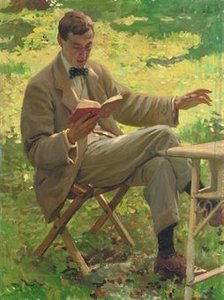
Alfred Munnings
1878 - 1959 , Reino Unido
Informações Rápidas
- Artistic Movement Or Style: Impressionismo
- Artists Or Movements Influenced By This Artist: ['Modernismo']
- Artists Who Influenced This Artist: ['Escola de Newlyn']
- Date Of Birth: 1878
- Date Of Death: 1959
- Full Name: Sir Alfred James Munnings
- Nationality: Britânico
- Notable Artworks:
- A Fancy Dress Ball
- A Piper
- Sky Study -
- Place Of Birth: Mendham, Reino Unido
Artigos Relacionados

John Constable: As 25 Obras-Primas que Definem o Mestre da Paisagem Inglesa | OriginalUniqueArt
Descubra as 25 obras-primas de John Constable, o mestre da paisagem inglesa! Explore a arte romântica, cores vibrantes e histórias fascinantes por trás de 'Hay Wain' e outras pinturas icônicas. Encontre reproduções de alta qualidade para decorar sua casa com OriginalUniqueArt.com.

Evocations of Place: A Historical Journey Through Landscape Art
Explore the rich history of landscape art with OriginalUniqueArt. Discover renowned artists, movements like Impressionism & Romanticism, and expert guidance for collecting timeless pieces. Find your perfect serene escape today!

Paul Cézanne: As 25 Obras-Primas que Definiram um Gênio da Arte Moderna | OriginalUniqueArt
Descubra as 25 obras-primas de Paul Cézanne, o mestre do pós-impressionismo! Explore a história, técnica e cores vibrantes por trás de quadros icônicos como 'Les Baigneurs' e 'Mont Sainte-Victoire'. Encontre reproduções de arte exclusivas para decorar sua casa com elegância em OriginalUniqueArt.com.

As 25 Obras-Primas de Alfred Munnings: Arte Equina e a Alma Inglesa | OriginalUniqueArt
Descubra as 25 obras-primas de Alfred Munnings, o mestre da pintura equina e da alma inglesa. Explore a história, técnica e beleza atemporal de cada quadro. Reproduções de arte exclusivas em OriginalUniqueArt.com! Explore a coleção online.

Cultivating Visions: A Historical Journey Through Rural Landscapes in Art
Explore the rich history of rural landscape painting with OriginalUniqueArt. Discover Impressionist masterpieces, key artists & movements. Find your perfect serene artwork and bring nature's beauty home.


