

 Visualizar na parede
 Compartilhar
 Compartilhar
 Detalhes

 Baixar imagem
 Semelhantes
 Raio X
 Slideshow
My Grey Mare
 Óleo sobre tela
- Arte de Parede
- Impressionism
 36.0 x 46.0 cm
 The Munnings Art Museum
 Ler mais
Giclée / Impressão de Arte
Impressão giclée ou em tela de qualidade de museu, com produção rápida e opções flexíveis de acabamento. ( Comprar pintura feita à mão Comprar imagem)




P118B $10

P118H $10

P118W $10

P438Z $10

P508JH $12

P508YH $12

P805H $10

P805Z $10

P919BZ $10

P919G $10

P919XJ $10

P959ZH $10

P968JZ $12

W106C $8

W218G $10

W218JH $8

W218Y $10

W307PJ $10

W316G $10

W316PJ $8

W316Y $10

W398PJ $8

W4111J $10

W500HY $15

W500JH $15

W692G $12

W849H $8

W940BG $15

W953PJ $8




Escolha entre os nossos tamanhos pré-definidos que respeitam as proporções originais da obra de arte.

Você pode inserir suas próprias dimensões para se ajustar a uma moldura ou espaço específico. Se o tamanho selecionado não corresponder às proporções da imagem original, iremos recortar a obra de arte ou estender a imagem com uma borda espelhada ou preenchimento sólido. Um mockup digital será enviado para sua aprovação antes do início da produção.
Por favor, observe que a visualização na tela não reflete o recorte ou a extensão real. Apenas o mockup mostrará com precisão a composição final.
Embora tamanhos personalizados estejam disponíveis, recomendamos selecionar uma dimensão da lista predefinida para preservar as proporções originais.
Entrega mundial () em 2 semanas, em vez das 4/5 semanas padrão. (27 Agosto)

Envio expresso gratuito para todo o mundo

Tela de Linho de Alta Qualidade

Seguro de transporte completo

Garantia de Reembolso de Impostos Alfandegários

Garantia de Fidelidade Cromática

Política de Devolução em 60 Dias (Apenas para Defeitos)

Garantia de reembolso de 100%

Oferta de desconto por quantidade
 A opção de vidro está disponível apenas para tamanhos inferiores a 110 cm

My Grey Mare
Giclée / Impressão de Arte
Tamanho da Reprodução
-


Preço Total
$ 80
A Symphony of Movement and Light: Exploring Alfred James Munnings’ “My Grey Mare”
Alfred James Munnings (1878–1959), a titan amongst British Impressionists, possessed an unparalleled ability to capture the essence of rural England – specifically, the spirited world of horses. His masterpiece, "My Grey Mare," exemplifies this talent with breathtaking precision and emotive resonance. Painted circa 1920, this oil on canvas depicts a magnificent grey mare galloping across a windswept landscape bathed in diffused daylight, cementing Munnings’s legacy as one of the foremost artists documenting the fading grandeur of the Edwardian era.Composition and Technique: Impressionistic Brilliance
Munnings eschewed meticulous realism, opting instead for an Impressionistic approach characterized by loose brushstrokes and a prioritization of capturing fleeting moments of light and atmosphere. The horse dominates the canvas, positioned slightly off-center to the right, creating a dynamic visual rhythm that conveys its powerful movement. Thick impasto – applying paint in textured layers – is employed extensively throughout the painting, lending it an undeniable physicality and emphasizing the palpable energy of the scene. Lines are predominantly curved and flowing, mirroring the horse’s gait and harmoniously blending with the undulating contours of the hills and sky. The artist skillfully utilizes atmospheric haze to suggest depth and distance, subtly blurring the horizon line and creating a sense of expansive space.The Landscape as Emotional Conduit
Beyond the horse itself, Munnings meticulously renders the surrounding environment – rolling hills dusted with heather, a distant expanse of sea shimmering under overcast skies – serving not merely as backdrop but as integral components of the artwork’s emotional narrative. The muted palette—dominated by shades of grey, brown, and ochre—reflects the subdued beauty of the countryside during winter months, evoking feelings of tranquility and contemplation. However, the horse's presence injects a surge of vitality into this serene setting, symbolizing freedom, strength, and an enduring connection to nature’s rhythms.Symbolism: Horses as Embodiments of Tradition
Horses held profound significance in British culture throughout history, representing nobility, courage, and pastoral livelihoods. Munnings's deliberate choice of a grey mare – often associated with wisdom and resilience – underscores this symbolic dimension. The horse embodies the traditions of hunting and rural life that were gradually disappearing during Munnings’s lifetime, prompting viewers to contemplate the passage of time and the preservation of cultural heritage.A Legacy of Impressionistic Vision
“My Grey Mare” stands as a testament to Munnings's unwavering commitment to capturing the spirit of his era—a spirit characterized by both beauty and melancholy. Its textured surface, luminous color palette, and dynamic composition continue to inspire admiration and resonate with audiences today. It exemplifies Munnings’s masterful technique and profound understanding of how art can convey emotion and evoke memories of a bygone age. This remarkable painting remains an enduring emblem of Impressionism's ability to transform observation into evocative artistic expression.Biografia do Artista
A Life Immersed in Equine Grace
Sir Alfred James Munnings, a name inextricably linked to the vibrant depiction of horses and the romantic allure of rural England, occupies a pivotal position within 20th-century British art. Born in 1878 amidst the rolling landscapes of Suffolk, his life was profoundly shaped by an enduring connection with the equine world – a bond that would define his artistic vision and propel him to prominence. Munnings wasn’t simply recording what he saw; he was preserving a feeling, an atmosphere, a world poised on the brink of irreversible change. He captured a vanishing way of life, a keenly observed portrait of Britain steeped in tradition, hunting, and the rhythms of the countryside. His early works often depicted rural scenes, particularly those featuring gypsies and horses roaming the Suffolk countryside, imbued with a romantic sensibility that showcased his growing mastery of color and light. These paintings weren’t merely representations; they were expressions of a deep affection for the land and its inhabitants.From Rural Beginnings to Artistic Development
Munnings’s artistic journey began not within the formal confines of an academy, but in the practical world of a Norwich printing house. This apprenticeship honed his skills in design and observation while simultaneously allowing him to pursue studies at the Norwich School of Art. It was a formative period, instilling a discipline that would serve him well as he navigated the challenges of establishing himself as an artist. Early influences included the plein air painters of the Newlyn School in Cornwall, where he embraced their commitment to capturing light and atmosphere directly from nature. This immersion in Impressionistic techniques laid the groundwork for his signature style – loose brushwork, a vibrant palette, and a palpable sense of movement. He was particularly drawn to the work of Henri de Toulouse-Lautrec, whose depictions of Parisian nightlife influenced his later compositions. Munnings’s early subjects often included scenes of rural life, capturing the essence of working horses and the traditions associated with farming and hunting. His ability to convey both the physical beauty of these animals and the emotional connection between humans and horses quickly established him as a distinctive voice in British art.War, Recognition, and a Champion of Tradition
The First World War profoundly shaped both Munnings's artistic perspective and his public profile. Though initially deemed unfit for combat due to an eye injury sustained in 1908, he was nonetheless commissioned by the Canadian War Memorials Fund to document the role of horses in the conflict. This led him to France, where he spent several months meticulously painting scenes of the Canadian Cavalry Brigade – not glorifying battle but capturing the quiet dignity and resilience of both men and animals amidst the horrors of war. These paintings, characterized by their understated realism and poignant emotional depth, garnered significant acclaim and brought Munnings national recognition. Following the war, Munnings continued to paint extensively, establishing a studio in Dedham, Essex, where he created a prolific body of work depicting hunting scenes, racing events, and portraits of prominent figures from the aristocracy and sporting world. He became known for his ability to capture not only physical likeness but also the character and spirit of his subjects. However, Munnings was also a staunch defender of traditional artistic values, often expressing his disapproval of modern art movements such as Cubism and Surrealism with outspokenness and conviction.Major Achievements
- Royal Academy President: Elected President of the Royal Academy in 1944, serving until 1949.
- Knighthood: Knighted Bachelor in 1944 and appointed a Knight Commander of the Royal Victorian Order in 1947.
- War Artist Commissions: Recognized for his work documenting the Canadian Cavalry during WWI.
- Sculptural Work: Created sculptures, including an equestrian statue of Edward Horner.
His legacy endures not only through his masterful paintings but also as a passionate advocate for artistic tradition in a rapidly modernizing world.
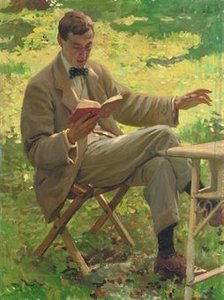
Alfred Munnings
1878 - 1959 , Reino Unido
Dados Rápidos
- Artistic Movement Or Style: Impressionismo
- Artists Or Movements Influenced By This Artist: ['Modernismo']
- Artists Who Influenced This Artist: ['Escola de Newlyn']
- Date Of Birth: 1878
- Date Of Death: 1959
- Full Name: Sir Alfred James Munnings
- Nationality: Britânico
- Notable Artworks:
- A Fancy Dress Ball
- A Piper
- Sky Study -
- Place Of Birth: Mendham, Reino Unido
Artigos Relacionados

As 25 Obras-Primas de Alfred Munnings: Arte Equina e a Alma Inglesa | OriginalUniqueArt
Descubra as 25 obras-primas de Alfred Munnings, o mestre da pintura equina e da alma inglesa. Explore a história, técnica e beleza atemporal de cada quadro. Reproduções de arte exclusivas em OriginalUniqueArt.com! Explore a coleção online.

The Equine Muse: A Historical & Artistic Exploration of Horses in Painting
Explore the captivating history of horses in painting! Discover Renaissance masterpieces, Baroque grandeur & expert insights for collecting equestrian art. Learn about symbolism, techniques & lasting value with OriginalUniqueArt.

Capturing Motion: The Timeless Beauty of Sir Alfred James Munnings' Equestrian Masterpieces
Discover the breathtaking equestrian mastery of Sir Alfred James Munnings. Explore an art-history journey through his impressionistic captures of motion, light, and rural elegance, perfect for the discerning classic art enthusiast and collector.
The Noble Steed on Canvas: A Historical & Artistic Exploration of Horse Painting Across Cultures
Explore the rich history of horse painting! Discover masterpieces from Stubbs to Munnings & learn about symbolism, techniques & artists. Find museum-quality reproductions at OriginalUniqueArt.
Timeless Elegance: A Visual Journey Through the Romance of Horse Carriage Artworks
Embark on a visual journey through the romantic world of horse carriage art. Discover the mastery of equestrian oil paintings, from Impressionist textures to classical realism, and learn how to bring timeless elegance into your home with museum-quality reproductions.



