

 Visualizar em escala
 Enviar
 Compartilhar
 Ver detalhes
 Guia de Obras do Aluno

 Baixar imagem
 Semelhantes
 Raio X
 Apresentação de slides
 Estatísticas
A Dark Bay Hunter
 Acrylic On Canvas
- WallArt
- Impressionism
 1922
1922 51.0 x 63.0 cm
 The Munnings Art Museum
 Ver mais
Giclée / Impressão de Arte
Impressão giclée ou em tela de qualidade de museu, com produção rápida e opções flexíveis de acabamento. ( Encomendar reprodução pintada à mão Ver Imagem Digital)




P118B $10

P118H $10

P118W $10

P438Z $10

P508JH $12

P508YH $12

P805H $10

P805Z $10

P919BZ $10

P919G $10

P919XJ $10

P959ZH $10

P968JZ $12

W106C $8

W218G $10

W218JH $8

W218Y $10

W307PJ $10

W316G $10

W316PJ $8

W316Y $10

W398PJ $8

W4111J $10

W500HY $15

W500JH $15

W692G $12

W849H $8

W940BG $15

W953PJ $8




Escolha entre os nossos tamanhos pré-definidos que respeitam as proporções originais da obra de arte.

Você pode inserir suas próprias dimensões para se ajustar a uma moldura ou espaço específico. Se o tamanho selecionado não corresponder às proporções da imagem original, iremos recortar a obra de arte ou estender a imagem com uma borda espelhada ou preenchimento sólido. Um mockup digital será enviado para sua aprovação antes do início da produção.
Por favor, observe que a visualização na tela não reflete o recorte ou a extensão real. Apenas o mockup mostrará com precisão a composição final.
Embora tamanhos personalizados estejam disponíveis, recomendamos selecionar uma dimensão da lista predefinida para preservar as proporções originais.
Entrega mundial () em 2 semanas, em vez das 4/5 semanas padrão. (27 Setembro)

Envio expresso gratuito para todo o mundo

Tela de Linho Premium

Seguro de transporte total

Garantia de Reembolso de Impostos Alfandegários

Garantia de Fidelidade de Cor

Política de Devolução em 100 Dias (Apenas para Defeitos)

Garantia de reembolso de 100%

Desconto para múltiplas unidades
 A opção de vidro está disponível apenas para tamanhos inferiores a 110 cm

A Dark Bay Hunter
Giclée / Impressão de Arte
Dimensões da Reprodução
-


Preço Total
$ 80
A Portrait of Rural Grace: Exploring Munnings’s “A Dark Bay Hunter”
Sir Alfred James Munnings, a name synonymous with the evocative depiction of horses and the romantic spirit of rural England, stands as an undeniable cornerstone within 20th-century British art. Born in Mendham Township, Suffolk, in 1878, his life unfolded inextricably linked to the profound fascination he held for equine subjects – a connection that would not only define his artistic vision but propel him to international acclaim. Munnings wasn’t merely striving to capture what he observed; rather, he endeavored to distill an essence, an atmosphere, a world poised on the precipice of irreversible transformation. He immortalized a vanishing way of life—a meticulously rendered portrait of Britain steeped in tradition, hunting, and the rhythms of the countryside—capturing moments that resonate with timeless beauty.Impressionistic Technique: Mastering Light and Texture
Munnings’s artistic journey commenced not within the formal confines of an academic institution but rather in the practical crucible of Norwich Printing House, where he honed his skills in design and observation simultaneously gaining invaluable experience. This formative apprenticeship instilled a meticulous attention to detail—a characteristic that would permeate throughout his oeuvre—and fostered a deep understanding of how to translate visual sensations onto canvas with remarkable fidelity. His distinctive approach leaned heavily into Impressionism, prioritizing the fleeting effects of light and color over precise representation. He achieved this masterful blend through rapid brushstrokes applied in broken hues, layering pigment upon pigment to build up texture and luminosity—a technique that brilliantly conveys the dynamism of the natural world. The resulting canvases possess an immediacy and vibrancy rarely found in more conventional styles.The Hunt Tradition: Symbolism and Narrative Depth
“A Dark Bay Hunter” exemplifies Munnings’s unwavering devotion to documenting the traditions of rural England, specifically the pursuit of game—the hunt—a pastime deeply ingrained within British culture for centuries. The painting depicts a dark bay horse with a striking white spot on its back, expertly rendered in meticulous detail, highlighting musculature and conveying movement with palpable energy. Coupled with a bridle around its head and positioned gracefully amidst the grass, the horse embodies strength and nobility – qualities frequently explored by Munnings’s artistic sensibilities. Beyond mere visual representation, however, the artwork carries profound symbolic weight. The horse itself represents courage, resilience, and connection to the land—themes central to the Victorian ethos of which Munnings was a fervent advocate. Furthermore, the inclusion of hunting paraphernalia—the rider, the hounds—underscores the importance of preserving heritage and celebrating the beauty of the natural world.A Legacy Preserved: Artistic Recognition and Enduring Appeal
Munnings’s artistic reputation soared throughout his lifetime, culminating in his election as President of the Royal Academy in 1944 – a testament to his enduring influence on British art. His unwavering commitment to portraying the pastoral landscapes and equestrian pursuits of rural England cemented his place as one of Britain's foremost horse painters—a distinction that continues to inspire admiration and appreciation today. “A Dark Bay Hunter,” like many of Munnings’s celebrated works, stands as a poignant reminder of a bygone era—a beautifully executed depiction of tradition, artistry, and the sublime grandeur of the English countryside. Its enduring appeal lies in its ability to transport viewers back to a time when art served as a conduit for capturing not just visual appearances but also the very spirit of place and experience.Biografia do Artista
A Life Immersed in Equine Grace
Sir Alfred James Munnings, a name inextricably linked to the vibrant depiction of horses and the romantic allure of rural England, occupies a pivotal position within 20th-century British art. Born in 1878 amidst the rolling landscapes of Suffolk, his life was profoundly shaped by an enduring connection with the equine world – a bond that would define his artistic vision and propel him to prominence. Munnings wasn’t simply recording what he saw; he was preserving a feeling, an atmosphere, a world poised on the brink of irreversible change. He captured a vanishing way of life, a keenly observed portrait of Britain steeped in tradition, hunting, and the rhythms of the countryside. His early works often depicted rural scenes, particularly those featuring gypsies and horses roaming the Suffolk countryside, imbued with a romantic sensibility that showcased his growing mastery of color and light. These paintings weren’t merely representations; they were expressions of a deep affection for the land and its inhabitants.From Rural Beginnings to Artistic Development
Munnings’s artistic journey began not within the formal confines of an academy, but in the practical world of a Norwich printing house. This apprenticeship honed his skills in design and observation while simultaneously allowing him to pursue studies at the Norwich School of Art. It was a formative period, instilling a discipline that would serve him well as he navigated the challenges of establishing himself as an artist. Early influences included the plein air painters of the Newlyn School in Cornwall, where he embraced their commitment to capturing light and atmosphere directly from nature. This immersion in Impressionistic techniques laid the groundwork for his signature style – loose brushwork, a vibrant palette, and a palpable sense of movement. He was particularly drawn to the work of Henri de Toulouse-Lautrec, whose depictions of Parisian nightlife influenced his later compositions. Munnings’s early subjects often included scenes of rural life, capturing the essence of working horses and the traditions associated with farming and hunting. His ability to convey both the physical beauty of these animals and the emotional connection between humans and horses quickly established him as a distinctive voice in British art.War, Recognition, and a Champion of Tradition
The First World War profoundly shaped both Munnings's artistic perspective and his public profile. Though initially deemed unfit for combat due to an eye injury sustained in 1908, he was nonetheless commissioned by the Canadian War Memorials Fund to document the role of horses in the conflict. This led him to France, where he spent several months meticulously painting scenes of the Canadian Cavalry Brigade – not glorifying battle but capturing the quiet dignity and resilience of both men and animals amidst the horrors of war. These paintings, characterized by their understated realism and poignant emotional depth, garnered significant acclaim and brought Munnings national recognition. Following the war, Munnings continued to paint extensively, establishing a studio in Dedham, Essex, where he created a prolific body of work depicting hunting scenes, racing events, and portraits of prominent figures from the aristocracy and sporting world. He became known for his ability to capture not only physical likeness but also the character and spirit of his subjects. However, Munnings was also a staunch defender of traditional artistic values, often expressing his disapproval of modern art movements such as Cubism and Surrealism with outspokenness and conviction.Major Achievements
- Royal Academy President: Elected President of the Royal Academy in 1944, serving until 1949.
- Knighthood: Knighted Bachelor in 1944 and appointed a Knight Commander of the Royal Victorian Order in 1947.
- War Artist Commissions: Recognized for his work documenting the Canadian Cavalry during WWI.
- Sculptural Work: Created sculptures, including an equestrian statue of Edward Horner.
His legacy endures not only through his masterful paintings but also as a passionate advocate for artistic tradition in a rapidly modernizing world.
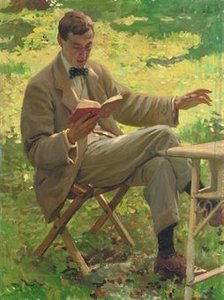
Alfred Munnings
1878 - 1959 , Reino Unido
Informações Rápidas
- Artistic Movement Or Style: Impressionismo
- Artists Or Movements Influenced By This Artist: ['Modernismo']
- Artists Who Influenced This Artist: ['Escola de Newlyn']
- Date Of Birth: 1878
- Date Of Death: 1959
- Full Name: Sir Alfred James Munnings
- Nationality: Britânico
- Notable Artworks:
- A Fancy Dress Ball
- A Piper
- Sky Study -
- Place Of Birth: Mendham, Reino Unido
Artigos Relacionados

The Equine Muse: A Historical & Artistic Exploration of Horses in Painting
Explore the captivating history of horses in painting! Discover Renaissance masterpieces, Baroque grandeur & expert insights for collecting equestrian art. Learn about symbolism, techniques & lasting value with OriginalUniqueArt.
John Francis Sartorius II: Equestrian Elegance & the Rise of British Portraiture
Explore the captivating world of Francis Sartorius II (1734-1804), a leading British painter renowned for his exquisite equestrian portraits and hunting scenes. Discover his life, techniques & enduring legacy.

Capturing Motion: The Timeless Beauty of Sir Alfred James Munnings' Equestrian Masterpieces
Discover the breathtaking equestrian mastery of Sir Alfred James Munnings. Explore an art-history journey through his impressionistic captures of motion, light, and rural elegance, perfect for the discerning classic art enthusiast and collector.

As 25 Obras-Primas de Alfred Munnings: Arte Equina e a Alma Inglesa | OriginalUniqueArt
Descubra as 25 obras-primas de Alfred Munnings, o mestre da pintura equina e da alma inglesa. Explore a história, técnica e beleza atemporal de cada quadro. Reproduções de arte exclusivas em OriginalUniqueArt.com! Explore a coleção online.
The Noble Steed on Canvas: A Historical & Artistic Exploration of Horse Painting Across Cultures
Explore the rich history of horse painting! Discover masterpieces from Stubbs to Munnings & learn about symbolism, techniques & artists. Find museum-quality reproductions at OriginalUniqueArt.


