Visualizar na parede
 Compartilhar
 Compartilhar
 Detalhes
 Guia
Guia

 Baixar imagem
 Semelhantes
 Raio X
 Ver diaporama
 Perguntas e Respostas
 Estatísticas
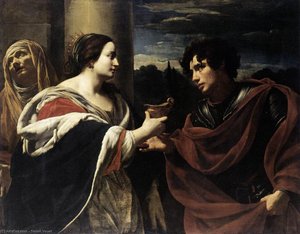
The Holy Family

- 178.0 x 118.0 cm


 Ler mais
Giclée / Impressão de Arte
Impressão giclée ou em tela de qualidade de museu, com produção rápida e opções flexíveis de acabamento. ( Comprar pintura feita à mão Alternar para Imagem Digital)




P118B €10

P118H €10

P118W €10

P438Z €10

P508JH €12

P508YH €12

P805H €10

P805Z €10

P919BZ €10

P919G €10

P919XJ €10

P959ZH €10

P968JZ €12

W106C €8

W218G €10

W218JH €8

W218Y €10

W307PJ €10

W316G €10

W316PJ €8

W316Y €10

W398PJ €8

W4111J €10

W500HY €15

W500JH €15

W692G €12

W849H €8

W940BG €15

W953PJ €8




Escolha entre os nossos tamanhos pré-definidos que respeitam as proporções originais da obra de arte.

Insira a largura e a altura desejadas para se ajustarem à sua moldura ou parede. Uma impressão pode ser apenas cortada, nunca ampliada além da imagem original; portanto, um tamanho com proporções diferentes resultará na perda de parte da imagem. Enviamos uma maquete digital para sua aprovação antes de realizarmos a impressão. A imagem exibida nesta página não mostra o corte real — apenas a maquete o faz.
Entrega mundial () em 2 semanas, em vez das 4/5 semanas padrão. (3 Novembro)

Envio expresso gratuito para todo o mundo

Tela de Linho de Alta Qualidade

Seguro de transporte completo

Garantia de Reembolso de Impostos Alfandegários

Garantia de Fidelidade Cromática

Política de Devolução em 100 Dias (Apenas para Defeitos)

Garantia de reembolso de 100%

Oferta de desconto por quantidade
 A opção de vidro está disponível apenas para tamanhos inferiores a 110 cm

The Holy Family
Giclée / Impressão de Arte
Tamanho da Reprodução
-


Preço Total
€ 72
A Baroque Vision of Faith: The Luminous World of Simon Vouet
In the heart of the seventeenth century, as the rigid structures of Mannerism began to dissolve under the weight of a new, more visceral era, Simon Vouet emerged as a transformative force in French painting. His masterpiece, The Holy Family, completed in 1630, serves as a breathtaking window into this transition. This monumental canvas does not merely depict a biblical scene; it orchestrates a profound spiritual encounter. As Mary, Joseph, and the Christ Child embark on their perilous pilgrimage to Egypt, the viewer is invited into a moment of quiet sanctity amidst a landscape of dramatic movement. The painting captures the very essence of the Baroque spirit—a period defined by its ability to marry the earthly with the divine through sheer visual splendor.
The composition is a masterclass in chiaroscuro, a technique heavily indebted to the revolutionary influence of Caravaggio. Vouet utilizes light not just as a tool for visibility, but as a primary protagonist in the narrative. A divine, ethereal luminescence emanates from an unseen source, bathing the Virgin Mary in a radiant glow that underscores her purity and central importance to the Christian mystery. In stark, poetic contrast, Joseph is often cast into softer shadows, his form acting as a grounded, protective presence that anchors the celestial light to the earthly realm. This interplay of deep shadow and brilliant highlight creates a sculptural depth, making the figures appear to breathe within the frame, pulling the observer into their intimate, sacred circle.
Symbolism and the Art of Emotional Resonance
Beyond its technical brilliance, The Holy Family is steeped in layers of symbolic meaning designed to elicit a visceral response from the faithful. Every element of the landscape and every gesture of the figures contributes to a larger theological dialogue. The lush, vibrant colors—rich reds, deep blues, and verdant greens—are applied with a masterful use of glazing, creating a sense of translucent depth that mirrors the complexity of faith itself. The peaceful setting, likely an outdoor respite during their flight, serves as a poignant juxtaposition to the underlying tension of their journey, suggesting that even in times of great upheaval, there exists a core of divine peace.
For the discerning collector or interior designer, this artwork offers more than mere decoration; it provides a focal point of profound emotional gravity. The way Vouet captures the subtle nuances of texture—the softness of a child's skin, the heavy drape of a cloak, the rustle of leaves—creates an immersive experience that commands attention in any grand setting. It is a piece that speaks to the timeless human desire for connection, protection, and hope. Whether placed in a curated gallery or as a centerpiece in a sophisticated living space, this reproduction of Vouet’s vision brings with it an aura of historical prestige and a quiet, enduring strength that transcends the centuries.
Perguntas e Respostas
"The Holy Family", de Simão Vouet utiliza contrastes fortes ou harmonias suaves?
A composição cromática de "The Holy Family", de Simão Vouet combina um contraste Gentle com uma harmonia Softly Mixed Palette.
A que época pertence "The Holy Family"?
"The Holy Family", de Simão Vouet data do período Early Modern. Este período fornece o contexto histórico da obra.
"The Holy Family" permaneceu no país de origem do seu artista?
Não – a obra de arte encontra-se no exterior. Simão Vouet nasceu em França, e o original de "The Holy Family" encontra-se num museu em Alemanha.
Biografia do Artista
Simon Vouet: O Pioneiro da Pintura Barroca Francesa
Simon Vouet emerge como uma figura crucial na transição da pintura francesa do Maneirismo para o vibrante estilo Barroco. Nascido em Paris, em 1590, numa família já dedicada às artes – seu pai, Laurent, era pintor e seu irmão, Aubin, também trilhou esse caminho artístico – Vouet recebeu uma formação inicial sólida que lançou as bases para sua futura ascensão. A continuidade da tradição familiar seria assegurada por seu neto, Ludovico Dorigny, perpetuando o legado artístico da família.
Os Primeiros Passos e a Influência Italiana (1608-1627)
A carreira de Vouet floresceu inicialmente através do retrato, demonstrando um talento precoce para capturar a essência dos seus modelos. Aos meros 14 anos, já se aventurava por terras estrangeiras, viajando para a Inglaterra a convite para pintar um retrato encomendado, sinalizando o reconhecimento crescente de seu nome. Em 1611, acompanhou o Barão de Sancy, embaixador francês no Império Otomano, numa jornada que o levou através de Constantinopla e, posteriormente, à encantadora Veneza em 1612. Roma, contudo, provou ser um ponto de inflexão transformador em sua trajetória artística. Durante os treze anos que passou na cidade, imergiu-se no fervilhante cenário artístico do período Barroco nascente.
Sua estadia italiana foi uma verdadeira imersão em diversas influências artísticas. Vouet estudou avidamente as técnicas inovadoras de iluminação dramática de Caravaggio, abraçou elementos do Maneirismo italiano e analisou meticulosamente as paletas de cores e a perspectiva di sotto in su (perspectiva caputexta) magistralmente utilizada por Paolo Veronese. A inspiração também veio das obras dos irmãos Carracci, Guercino, Lanfranco e Guido Reni, sintetizando essas diversas influências num estilo único e pessoal.
A Formação de um Estilo Distintivo
O reconhecimento de Vouet em Roma culminou com sua eleição como presidente da prestigiosa Accademia di San Luca em 1624, uma prova incontestável de sua habilidade e prestígio no mundo da arte italiana. Seu estilo se caracterizava pela capacidade singular de absorver e refinar diversas influências artísticas, não apenas copiando, mas integrando-as numa estética Barroca distintamente italianizante. Ao retornar à França em 1627, desempenhou um papel crucial na introdução do estilo Barroco italiano à pintura francesa, impactando profundamente a paisagem artística do país.
O Auge e o Legado
A nomeação como Premier peintre du Roi (Primeiro Pintor do Rei) coroou sua carreira, conferindo-lhe prestígio e influência consideráveis. Vouet manteve um ateliê vasto e ativo, formando inúmeros artistas que moldariam a geração seguinte de pintores franceses. Entre seus alunos mais influentes destacam-se Charles Le Brun (que posteriormente organizou toda a pintura decorativa em Versalhes), Valentin de Boulogne, Charles Alphonse du Fresnoy, Pierre Mignard, Eustache Le Sueur e Claude Mellan. Sua influência se estende além de suas próprias obras; seus alunos disseminaram seu estilo e técnicas por toda a França, estabelecendo uma escola de pintura barroca distintamente francesa. A marca de Vouet é particularmente evidente nos grandiosos esquemas decorativos encomendados por Luís XIV.
Significado Histórico
O legado de Simon Vouet reside em seu papel fundamental como ponte entre a arte italiana e a francesa. Ele conseguiu importar com sucesso o dinamismo e a grandiosidade do Barroco italiano, transformando-o num estilo que ressoava com os gostos da corte e da aristocracia francesas. Sua influência é inegável no desenvolvimento da pintura francesa durante o século XVII, e suas contribuições continuam sendo reconhecidas por historiadores de arte até hoje.

Simão Vouet
1590 - 1649 , França
Dados Rápidos
- Artistas Influenciados:
- Charles Le Brun
- Valentin de Boulogne
- Artistas Que Influenciaram:
- Caravaggio
- Paolo Veronese
- Guercino
- Data De Falecimento: 30 de junho de 1649
- Data De Nascimento: 9 de janeiro de 1590
- Local De Nascimento: Paris, França
- Movimento Artístico: Pintura Barroca
- Nacionalidade: Francês
- Nome Completo: Simon Vouet
Artigos Relacionados

The Visceral Stage: Exploring Dramatic Narratives & Emotional Intensity in Baroque Art
Explore the dramatic world of Baroque art! Discover iconic masters like Caravaggio & Rembrandt, their techniques, and the movement's lasting impact. Expert insights for collectors & enthusiasts at OriginalUniqueArt.
Simon Vouet: A Baroque Master's Journey from Italian Influence to French Classicism
Explore the life & art of Simon Vouet, a pivotal French Baroque painter who introduced Italian styles to France. Discover his masterpieces and lasting influence on 17th-century art.

Drama and Light: A Definitive Guide to the Italian Baroque Masterpieces and the Revolution of Chiaroscuro
Explore the dramatic world of Italian Baroque art. Discover how masters like Caravaggio used chiaroscuro and tenebrism to revolutionize painting through light, shadow, and profound realism. A definitive guide for history lovers and art collectors.

Os 10 Mestres do Barroco: Obras-Primas que Moldaram a Arte e Decoram o Lar
Descubra os 10 maiores ícones do Barroco! Explore a história, técnica e emoção por trás de Caravaggio, Rembrandt, Bernini e outros mestres. Encontre reproduções de arte barroca para decorar seu lar com luxo em OriginalUniqueArt.com.

The Dramatic Flourish: Exploring the Baroque Movement's Enduring Legacy in Art History
Explore the dramatic world of Baroque art! Discover iconic artists like Caravaggio & Rubens, defining techniques, and its lasting impact on art history. Expert insights for collectors & enthusiasts at OriginalUniqueArt.