Visualizar em escala
 Enviar
 Compartilhar
 Ver detalhes
 Guia de Obras do Aluno

 Baixar imagem
 Semelhantes
 Raio X
 Apresentação de slides
 Estatísticas
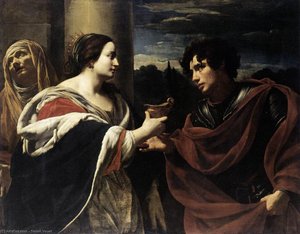
The Fortune Teller
 Oil On Canvas
- WallArt
- French Baroque Painting
 1618
1618 120.0 x 170.0 cm
 Galeria Nacional do Canadá
 Ver mais
Reprodução em Óleo Feita à Mão
Óleo sobre tela pintado à mão no tamanho e moldura de sua escolha, feito sob encomenda pelos nossos artistas. ( Alternar para Impressão Ver Imagem Digital)




P118B €10

P118H €10

P118W €10

P438Z €10

P508JH €12

P508YH €12

P805H €10

P805Z €10

P919BZ €10

P919G €10

P919XJ €10

P959ZH €10

P968JZ €12

W106C €8

W218G €10

W218JH €8

W218Y €10

W307PJ €10

W316G €10

W316PJ €8

W316Y €10

W398PJ €8

W4111J €10

W500HY €15

W500JH €15

W692G €12

W849H €8

W940BG €15

W953PJ €8




Escolha entre os nossos tamanhos pré-definidos que respeitam as proporções originais da obra de arte.

Pode inserir as suas próprias dimensões para se adequar a uma moldura ou espaço específico. Se o tamanho selecionado não corresponder às proporções da imagem original, iremos cortar a obra de arte ou estender a pintura com elementos adicionais pintados à mão. Um esboço digital será enviado para sua aprovação antes do início da produção.
Tenha em atenção que a pré-visualização no ecrã não reflete o corte ou extensão real. Apenas o esboço mostrará com precisão a composição final.
Embora tamanhos personalizados estejam disponíveis, recomendamos selecionar uma dimensão da lista predefinida para preservar as proporções originais.
Após o pedido, a equipa OriginalUniqueArt.com enviará um e-mail ao cliente para solicitar instruções e fornecer uma prévia do esboço.
Entrega mundial () em 3 a 4 semanas, em vez das 5 semanas padrão. (13 Outubro). Sem comprometer a qualidade.

Envio expresso gratuito para todo o mundo

Tela de Linho Premium

Seguro de transporte total

Garantia de Reembolso de Impostos Alfandegários

Garantia de Fidelidade de Cor

Política de Devolução em 100 Dias (Apenas para Defeitos)

Garantia de reembolso de 100%

Desconto para múltiplas unidades
 A opção de vidro está disponível apenas para tamanhos inferiores a 110 cm

The Fortune Teller
Técnica de Reprodução
Dimensões da Reprodução
-


Preço Total
€ 260
Simon Vouet's "The Fortune Teller": A Window into 17th-Century Parisian Society
The Fortune Teller, painted in 1618 by the masterful Simon Vouet, offers a captivating glimpse into the social and artistic currents of early 17th-century France. This portrait, measuring 120 x 170 cm, transcends a simple depiction of a gathering; it’s a carefully constructed tableau that speaks volumes about patronage, conversation, and the burgeoning influence of the Baroque style. Vouet, a pivotal figure in transitioning French painting from Mannerism to the more dynamic Baroque, meticulously renders his subject – a woman adorned in a vibrant red dress – amidst a group of attentive onlookers. The scene unfolds with an air of quiet engagement, hinting at the importance of social interaction and perhaps even divination within this era.
A Pioneer of Naturalism and Psychological Portraiture
- Vouet's Innovation: Simon Vouet is celebrated for his groundbreaking approach to portraiture. Unlike his contemporaries who adhered to the rigid, stylized conventions of Mannerism, Vouet championed a more naturalistic style, influenced by his extensive travels and studies in Italy.
- Realistic Detail: Observe the subtle nuances in the figures' expressions – the man gesturing animatedly with his hands, the woman’s hand poised as if mid-sentence. Vouet’s skill lies not just in capturing likeness but in conveying psychological depth and a sense of immediacy.
- Compositional Mastery: The arrangement of the figures is deliberate, guiding the viewer's eye through the scene with a carefully balanced composition. This reflects Vouet's understanding of classical principles of perspective and spatial relationships.
Symbolism and Context within a Baroque World
The presence of the clock in the upper portion of the painting is particularly intriguing. While seemingly decorative, it subtly reinforces the theme of time – a recurring motif in Baroque art – and perhaps alludes to the act of fortune-telling itself. The red dress worn by the central figure commands attention, a bold color choice that would have been highly fashionable at the time and likely associated with wealth and status. The scene’s setting, though not explicitly detailed, suggests a private salon or gathering place within Paris, reflecting the growing importance of intellectual and artistic circles in the city.
Technique and Materials: A Reflection of Vouet's Craftsmanship
Executed in oil on canvas, The Fortune Teller showcases Vouet’s mastery of glazing techniques. The smooth surfaces and luminous colors are achieved through meticulous layering of thin washes of paint – a hallmark of his style. The artist’s attention to detail is evident in the rendering of fabrics, textures, and subtle variations in skin tone. This level of technical precision contributed significantly to the painting's enduring appeal and its place as a seminal work within Vouet’s oeuvre.
A Timeless Portrait for Your Collection
This hand-painted reproduction captures the essence of Simon Vouet’s artistic vision, offering an exquisite addition to any art collection or interior design scheme. Its evocative portrayal of 17th-century Parisian society and its masterful execution make it a truly timeless piece. Bring the drama and sophistication of this Baroque masterpiece into your home with OriginalUniqueArt.com's meticulously crafted reproduction.
Perguntas e Respostas
Qual técnica foi utilizada para "The Fortune Teller" de Simão Vouet?
Simão Vouet utilizou a técnica de Oil On Canvas para "The Fortune Teller". A técnica define a natureza material da obra original.
Como "The Fortune Teller" se encaixa nos temas e no estilo de Simão Vouet?
"The Fortune Teller" compartilha com as outras obras de Simão Vouet o seu estilo French Baroque Painting e os temas recorrentes: italian mannerism influence, french court, portraiture, social status, wealth, baron de sancy’s patronage”, “vouet’s pioneering portrait style”, early baroque experimentation"]}.
Como o movimento e a época se encontram em "The Fortune Teller" de Simão Vouet?
"The Fortune Teller" de Simão Vouet insere-se no movimento French Baroque Painting, dentro da era Idade Moderna Inicial de seu criador.
Quais temas aparecem em "The Fortune Teller" de Simão Vouet?
"The Fortune Teller" de Simão Vouet retrata: portraiture, fortune teller, social gathering, conversation, red dress, clock motif, baroque figure.
"The Fortune Teller" permaneceu no país de origem do seu artista?
Não – a obra de arte encontra-se no exterior. Simão Vouet nasceu em França, e o original de "The Fortune Teller" encontra-se num museu em Canadá.
Quais são as dimensões da obra original "The Fortune Teller" de Simão Vouet?
"The Fortune Teller" mede 120 x 170 cm em sua forma original. As dimensões originais são uma referência útil ao escolher o tamanho de uma reprodução.
Qual cor mais se destaca em "The Fortune Teller"?
A cor dominante de "The Fortune Teller" de Simão Vouet é Black (#160c0a).
"The Fortune Teller" de Simão Vouet utiliza contrastes fortes ou harmonias suaves?
Em "The Fortune Teller", um Bold contraste é acompanhado por uma Strong Color Unity harmonia.
Biografia do Artista
Simon Vouet: O Pioneiro da Pintura Barroca Francesa
Simon Vouet emerge como uma figura crucial na transição da pintura francesa do Maneirismo para o vibrante estilo Barroco. Nascido em Paris, em 1590, numa família já dedicada às artes – seu pai, Laurent, era pintor e seu irmão, Aubin, também trilhou esse caminho artístico – Vouet recebeu uma formação inicial sólida que lançou as bases para sua futura ascensão. A continuidade da tradição familiar seria assegurada por seu neto, Ludovico Dorigny, perpetuando o legado artístico da família.
Os Primeiros Passos e a Influência Italiana (1608-1627)
A carreira de Vouet floresceu inicialmente através do retrato, demonstrando um talento precoce para capturar a essência dos seus modelos. Aos meros 14 anos, já se aventurava por terras estrangeiras, viajando para a Inglaterra a convite para pintar um retrato encomendado, sinalizando o reconhecimento crescente de seu nome. Em 1611, acompanhou o Barão de Sancy, embaixador francês no Império Otomano, numa jornada que o levou através de Constantinopla e, posteriormente, à encantadora Veneza em 1612. Roma, contudo, provou ser um ponto de inflexão transformador em sua trajetória artística. Durante os treze anos que passou na cidade, imergiu-se no fervilhante cenário artístico do período Barroco nascente.
Sua estadia italiana foi uma verdadeira imersão em diversas influências artísticas. Vouet estudou avidamente as técnicas inovadoras de iluminação dramática de Caravaggio, abraçou elementos do Maneirismo italiano e analisou meticulosamente as paletas de cores e a perspectiva di sotto in su (perspectiva caputexta) magistralmente utilizada por Paolo Veronese. A inspiração também veio das obras dos irmãos Carracci, Guercino, Lanfranco e Guido Reni, sintetizando essas diversas influências num estilo único e pessoal.
A Formação de um Estilo Distintivo
O reconhecimento de Vouet em Roma culminou com sua eleição como presidente da prestigiosa Accademia di San Luca em 1624, uma prova incontestável de sua habilidade e prestígio no mundo da arte italiana. Seu estilo se caracterizava pela capacidade singular de absorver e refinar diversas influências artísticas, não apenas copiando, mas integrando-as numa estética Barroca distintamente italianizante. Ao retornar à França em 1627, desempenhou um papel crucial na introdução do estilo Barroco italiano à pintura francesa, impactando profundamente a paisagem artística do país.
O Auge e o Legado
A nomeação como Premier peintre du Roi (Primeiro Pintor do Rei) coroou sua carreira, conferindo-lhe prestígio e influência consideráveis. Vouet manteve um ateliê vasto e ativo, formando inúmeros artistas que moldariam a geração seguinte de pintores franceses. Entre seus alunos mais influentes destacam-se Charles Le Brun (que posteriormente organizou toda a pintura decorativa em Versalhes), Valentin de Boulogne, Charles Alphonse du Fresnoy, Pierre Mignard, Eustache Le Sueur e Claude Mellan. Sua influência se estende além de suas próprias obras; seus alunos disseminaram seu estilo e técnicas por toda a França, estabelecendo uma escola de pintura barroca distintamente francesa. A marca de Vouet é particularmente evidente nos grandiosos esquemas decorativos encomendados por Luís XIV.
Significado Histórico
O legado de Simon Vouet reside em seu papel fundamental como ponte entre a arte italiana e a francesa. Ele conseguiu importar com sucesso o dinamismo e a grandiosidade do Barroco italiano, transformando-o num estilo que ressoava com os gostos da corte e da aristocracia francesas. Sua influência é inegável no desenvolvimento da pintura francesa durante o século XVII, e suas contribuições continuam sendo reconhecidas por historiadores de arte até hoje.

Simão Vouet
1590 - 1649 , França
Informações Rápidas
- Artistas Influenciados:
- Charles Le Brun
- Valentin de Boulogne
- Artistas Que Influenciaram:
- Caravaggio
- Paolo Veronese
- Guercino
- Data De Falecimento: 30 de junho de 1649
- Data De Nascimento: 9 de janeiro de 1590
- Local De Nascimento: Paris, França
- Movimento Artístico: Pintura Barroca
- Nacionalidade: Francês
- Nome Completo: Simon Vouet
Artigos Relacionados

OriginalUniqueArt.com F.A.Q.: Elevate Your Decor with Premium Textured Giclée Prints
Discover the distinction of OriginalUniqueArt.com premium textured Giclée prints. Expertly crafted with archival 12-color pigments and museum-grade substrates, our prints offer unparalleled vividness for the discerning collector seeking luxury, durability, and timeless elegance.