Visualizar em escala
 Enviar
 Compartilhar
 Ver detalhes
 Guia de Obras do Aluno

 Baixar imagem
 Semelhantes
 Raio X
 Apresentação de slides
 Estatísticas
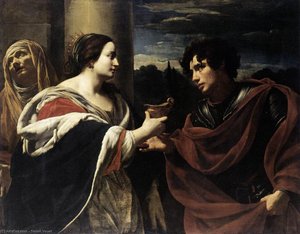
POLYMNIE, MUSE DE L'ELOQUENCE


 Ver mais
Reprodução em Óleo Feita à Mão
Óleo sobre tela pintado à mão no tamanho e moldura de sua escolha, feito sob encomenda pelos nossos artistas. ( Alternar para Impressão Ver Imagem Digital)




P118B €10

P118H €10

P118W €10

P438Z €10

P508JH €12

P508YH €12

P805H €10

P805Z €10

P919BZ €10

P919G €10

P919XJ €10

P959ZH €10

P968JZ €12

W106C €8

W218G €10

W218JH €8

W218Y €10

W307PJ €10

W316G €10

W316PJ €8

W316Y €10

W398PJ €8

W4111J €10

W500HY €15

W500JH €15

W692G €12

W849H €8

W940BG €15

W953PJ €8




Escolha entre os nossos tamanhos pré-definidos que respeitam as proporções originais da obra de arte.

Digite a largura e a altura de que necessita, para se ajustar à sua moldura ou à sua parede. Esta obra é pintada à mão, por isso, para um tamanho com uma proporção diferente, o artista pode pintar um pouco mais ao redor da imagem ou cortar um pouco — você escolhe. Enviamos-lhe uma maquete digital para aprovação antes de a pintura começar. A imagem exibida nesta página não mostra o resultado real — apenas a maquete mostra.
Após o pedido, a equipa OriginalUniqueArt.com enviará um e-mail ao cliente para solicitar instruções e fornecer uma prévia do esboço.
Entrega mundial () em 3 a 4 semanas, em vez das 5 semanas padrão. (23 Outubro). Sem comprometer a qualidade.

Envio expresso gratuito para todo o mundo

Tela de Linho Premium

Seguro de transporte total

Garantia de Reembolso de Impostos Alfandegários

Garantia de Fidelidade de Cor

Política de Devolução em 100 Dias (Apenas para Defeitos)

Garantia de reembolso de 100%

Desconto para múltiplas unidades
 A opção de vidro está disponível apenas para tamanhos inferiores a 110 cm

POLYMNIE, MUSE DE L'ELOQUENCE
Técnica de Reprodução
Dimensões da Reprodução
-


Preço Total
€ 307
Simon Vouet’s *Polymnie, Muse of Eloquence*: A Baroque Masterpiece of Rhetoric and Grace
Within the hallowed halls of the Louvre resides a captivating portrait – *Polymnie, Muse of Eloquence* by Simon Vouet, a pivotal work that embodies the burgeoning spirit of the French Baroque. Painted in 1627, this oil-on-canvas masterpiece transcends mere representation; it’s an invitation into a world of intellectual pursuit, divine inspiration, and the very essence of eloquent speech. Vouet, having spent formative years immersed in the artistic fervor of Italy, masterfully translated the Italian Baroque style to France, establishing himself as the leading painter of his era.
The subject itself, Polymnie, holds a significant place within Greek mythology. She represents eloquence and persuasive speech – the power to articulate ideas with precision and beauty. Vouet’s depiction isn't simply a portrait; it’s an allegorical representation of her role as a guiding force for artists, poets, and anyone seeking mastery of language. The composition is meticulously balanced, adhering to the classical principles of symmetry and proportion that defined much of Italian art, yet infused with the dynamism and emotional intensity characteristic of the Baroque.
A Symphony of Color and Light: Technique and Style
Vouet’s technical prowess is immediately apparent. He employs a masterful blend of *sfumato*, a technique popularized by Leonardo da Vinci, to create soft transitions between colors and forms, lending an ethereal quality to the scene. The palette is dominated by cool blues and whites – reminiscent of classical marble and evoking a sense of serenity and wisdom – punctuated by warm flesh tones that draw attention to Polymnie’s face and figure. Notice how he uses light not just to illuminate, but to sculpt the form, creating a palpable sense of volume and depth.
The artist's brushwork is remarkably subtle, contributing to the painting’s polished appearance. He skillfully layered colors and employed glazing techniques to achieve luminous effects, particularly in the drapery which flows with an almost liquid grace. The architectural backdrop, rendered in muted browns and golds, provides a stately setting for Polymnie, reinforcing her status as a divine muse. The use of linear perspective creates a convincing illusion of depth, drawing the viewer into the scene.
Symbolism and Allegory: Unpacking the Layers
Beyond the immediate beauty of the portrait lies a rich tapestry of symbolism. The two cherubic figures flanking Polymnie are not merely decorative; they represent divine favor and perhaps even creative assistance – embodiments of inspiration itself. The scroll offered by one cherub symbolizes the written word, while the musician’s instrument represents the power of music to convey emotion and ideas. The lion statue at the base of the pedestal is a potent symbol of strength, guardianship, and wisdom—qualities closely associated with eloquence.
Furthermore, Polymnie's pose – seated on a throne-like structure adorned with classical motifs – speaks volumes about her elevated status. The arrangement mirrors the iconography of the *Iconologia* by Cesare Ripa, a widely influential treatise on visual symbolism that informed much of the art produced during this period. Vouet’s painting is thus deeply rooted in a tradition of allegorical representation.
A Timeless Masterpiece: Emotional Impact and Legacy
*Polymnie, Muse of Eloquence* isn't simply a beautiful painting; it’s an invitation to contemplate the power of language, the pursuit of knowledge, and the role of art in shaping human understanding. The serene expression on Polymnie’s face conveys both wisdom and grace, inviting viewers to engage with her as a symbol of intellectual and artistic excellence. Vouet's work continues to resonate today, demonstrating his mastery of technique, his profound understanding of symbolism, and his ability to capture the essence of human experience.
Reproductions of this iconic artwork offer an exceptional opportunity to bring its beauty and depth into any setting, serving as a constant reminder of the enduring power of eloquence and artistic inspiration.
Perguntas e Respostas
Quais pseudônimos ou nomes alternativos Simão Vouet possui?
Simão Vouet aparece sob os nomes alternativos Simon Vouet, Jean-Simon Vouet.
Existe uma ficha informativa sobre "POLYMNIE, MUSE DE L'ELOQUENCE" de Simão Vouet para estudantes?
A página Guia de "POLYMNIE, MUSE DE L'ELOQUENCE" de Simão Vouet oferece uma ficha informativa imprimível em duas folhas: a obra de arte com sua tabela de identificação, uma linha do tempo situando-a no período de vida do artista, outras obras do artista, a paleta de cores medida e citações prontas para copiar em quatro estilos.
"POLYMNIE, MUSE DE L'ELOQUENCE" é uma obra famosa do Baroque?
"POLYMNIE, MUSE DE L'ELOQUENCE" é classificada como Recognized entre as obras do Baroque no catálogo.
Biografia do Artista
Simon Vouet: O Pioneiro da Pintura Barroca Francesa
Simon Vouet emerge como uma figura crucial na transição da pintura francesa do Maneirismo para o vibrante estilo Barroco. Nascido em Paris, em 1590, numa família já dedicada às artes – seu pai, Laurent, era pintor e seu irmão, Aubin, também trilhou esse caminho artístico – Vouet recebeu uma formação inicial sólida que lançou as bases para sua futura ascensão. A continuidade da tradição familiar seria assegurada por seu neto, Ludovico Dorigny, perpetuando o legado artístico da família.
Os Primeiros Passos e a Influência Italiana (1608-1627)
A carreira de Vouet floresceu inicialmente através do retrato, demonstrando um talento precoce para capturar a essência dos seus modelos. Aos meros 14 anos, já se aventurava por terras estrangeiras, viajando para a Inglaterra a convite para pintar um retrato encomendado, sinalizando o reconhecimento crescente de seu nome. Em 1611, acompanhou o Barão de Sancy, embaixador francês no Império Otomano, numa jornada que o levou através de Constantinopla e, posteriormente, à encantadora Veneza em 1612. Roma, contudo, provou ser um ponto de inflexão transformador em sua trajetória artística. Durante os treze anos que passou na cidade, imergiu-se no fervilhante cenário artístico do período Barroco nascente.
Sua estadia italiana foi uma verdadeira imersão em diversas influências artísticas. Vouet estudou avidamente as técnicas inovadoras de iluminação dramática de Caravaggio, abraçou elementos do Maneirismo italiano e analisou meticulosamente as paletas de cores e a perspectiva di sotto in su (perspectiva caputexta) magistralmente utilizada por Paolo Veronese. A inspiração também veio das obras dos irmãos Carracci, Guercino, Lanfranco e Guido Reni, sintetizando essas diversas influências num estilo único e pessoal.
A Formação de um Estilo Distintivo
O reconhecimento de Vouet em Roma culminou com sua eleição como presidente da prestigiosa Accademia di San Luca em 1624, uma prova incontestável de sua habilidade e prestígio no mundo da arte italiana. Seu estilo se caracterizava pela capacidade singular de absorver e refinar diversas influências artísticas, não apenas copiando, mas integrando-as numa estética Barroca distintamente italianizante. Ao retornar à França em 1627, desempenhou um papel crucial na introdução do estilo Barroco italiano à pintura francesa, impactando profundamente a paisagem artística do país.
O Auge e o Legado
A nomeação como Premier peintre du Roi (Primeiro Pintor do Rei) coroou sua carreira, conferindo-lhe prestígio e influência consideráveis. Vouet manteve um ateliê vasto e ativo, formando inúmeros artistas que moldariam a geração seguinte de pintores franceses. Entre seus alunos mais influentes destacam-se Charles Le Brun (que posteriormente organizou toda a pintura decorativa em Versalhes), Valentin de Boulogne, Charles Alphonse du Fresnoy, Pierre Mignard, Eustache Le Sueur e Claude Mellan. Sua influência se estende além de suas próprias obras; seus alunos disseminaram seu estilo e técnicas por toda a França, estabelecendo uma escola de pintura barroca distintamente francesa. A marca de Vouet é particularmente evidente nos grandiosos esquemas decorativos encomendados por Luís XIV.
Significado Histórico
O legado de Simon Vouet reside em seu papel fundamental como ponte entre a arte italiana e a francesa. Ele conseguiu importar com sucesso o dinamismo e a grandiosidade do Barroco italiano, transformando-o num estilo que ressoava com os gostos da corte e da aristocracia francesas. Sua influência é inegável no desenvolvimento da pintura francesa durante o século XVII, e suas contribuições continuam sendo reconhecidas por historiadores de arte até hoje.

Simão Vouet
1590 - 1649 , França
Informações Rápidas
- Artistas Influenciados:
- Charles Le Brun
- Valentin de Boulogne
- Artistas Que Influenciaram:
- Caravaggio
- Paolo Veronese
- Guercino
- Data De Falecimento: 30 de junho de 1649
- Data De Nascimento: 9 de janeiro de 1590
- Local De Nascimento: Paris, França
- Movimento Artístico: Pintura Barroca
- Nacionalidade: Francês
- Nome Completo: Simon Vouet
Artigos Relacionados
Simon Vouet: A Baroque Master's Journey from Italian Influence to French Classicism
Explore the life & art of Simon Vouet, a pivotal French Baroque painter who introduced Italian styles to France. Discover his masterpieces and lasting influence on 17th-century art.

The Visceral Stage: Exploring Dramatic Narratives & Emotional Intensity in Baroque Art
Explore the dramatic world of Baroque art! Discover iconic masters like Caravaggio & Rembrandt, their techniques, and the movement's lasting impact. Expert insights for collectors & enthusiasts at OriginalUniqueArt.

Barroco Brasileiro: Opulência e Emoção para Interiores Contemporâneos
Descubra como o Barroco brasileiro pode transformar seus interiores! Explore a história, elementos-chave e dicas para integrar este estilo luxuoso e cheio de emoção em sua casa.

The Dramatic Flourish: Exploring the Baroque Movement's Enduring Legacy in Art History
Explore the dramatic world of Baroque art! Discover iconic artists like Caravaggio & Rubens, defining techniques, and its lasting impact on art history. Expert insights for collectors & enthusiasts at OriginalUniqueArt.

Os 10 Mestres do Barroco: Obras-Primas que Moldaram a Arte e Decoram o Lar
Descubra os 10 maiores ícones do Barroco! Explore a história, técnica e emoção por trás de Caravaggio, Rembrandt, Bernini e outros mestres. Encontre reproduções de arte barroca para decorar seu lar com luxo em OriginalUniqueArt.com.