Visualizar em escala
 Enviar
 Compartilhar
 Ver detalhes
 Guia de Obras do Aluno

 Baixar imagem
 Semelhantes
 Raio X
 Apresentação de slides
 Estatísticas
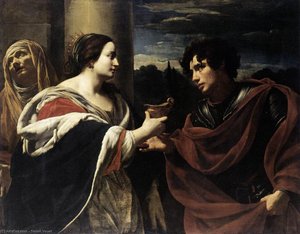
Gaucher de Châtillon, Connétable
 Oil On Canvas
- WallArt
- Baroque Painting
 1632
1632 218.0 x 137.0 cm
 Museu do Louvre
 Ver mais
Reprodução em Óleo Feita à Mão
Óleo sobre tela pintado à mão no tamanho e moldura de sua escolha, feito sob encomenda pelos nossos artistas. ( Alternar para Impressão Ver Imagem Digital)




P118B €10

P118H €10

P118W €10

P438Z €10

P508JH €12

P508YH €12

P805H €10

P805Z €10

P919BZ €10

P919G €10

P919XJ €10

P959ZH €10

P968JZ €12

W106C €8

W218G €10

W218JH €8

W218Y €10

W307PJ €10

W316G €10

W316PJ €8

W316Y €10

W398PJ €8

W4111J €10

W500HY €15

W500JH €15

W692G €12

W849H €8

W940BG €15

W953PJ €8




Escolha entre os nossos tamanhos pré-definidos que respeitam as proporções originais da obra de arte.

Digite a largura e a altura de que necessita, para se ajustar à sua moldura ou à sua parede. Esta obra é pintada à mão, por isso, para um tamanho com uma proporção diferente, o artista pode pintar um pouco mais ao redor da imagem ou cortar um pouco — você escolhe. Enviamos-lhe uma maquete digital para aprovação antes de a pintura começar. A imagem exibida nesta página não mostra o resultado real — apenas a maquete mostra.
Após o pedido, a equipa OriginalUniqueArt.com enviará um e-mail ao cliente para solicitar instruções e fornecer uma prévia do esboço.
Entrega mundial () em 3 a 4 semanas, em vez das 5 semanas padrão. (21 Outubro). Sem comprometer a qualidade.

Envio expresso gratuito para todo o mundo

Tela de Linho Premium

Seguro de transporte total

Garantia de Reembolso de Impostos Alfandegários

Garantia de Fidelidade de Cor

Política de Devolução em 100 Dias (Apenas para Defeitos)

Garantia de reembolso de 100%

Desconto para múltiplas unidades
 A opção de vidro está disponível apenas para tamanhos inferiores a 110 cm

Gaucher de Châtillon, Connétable
Técnica de Reprodução
Dimensões da Reprodução
-


Preço Total
€ 262
A Noble Portrait in Baroque Grace: Simon Vouet’s Gaucher de Châtillon
Simon Vouet's "Gaucher de Châtillon, Connétable" – painted in 1632 – is more than just a portrait; it’s a meticulously crafted window into the heart of 17th-century French nobility and the burgeoning Baroque artistic movement. The painting depicts Gaucher V de Châtillon, a pivotal figure in French history as Constable of Champagne and later Constable of France, rendered with an arresting blend of realism and idealized elegance. Vouet, a key figure in transitioning French art from Mannerism to the dramatic flair of the Baroque, masterfully captures not just the subject’s likeness but also his status, bearing, and a subtle air of contemplative dignity.
The composition itself is carefully orchestrated. Gaucher dominates the frame, positioned slightly off-center, lending him an approachable yet undeniably regal presence. His gaze, directed towards the viewer with a quiet intensity, invites engagement. The rich fabrics – the deep blue doublet and flowing orange robe – are rendered with astonishing detail, showcasing Vouet’s skill in capturing texture and light. Notice how the folds of the garments seem to ripple and move, creating a dynamic sense of volume that elevates the portrait beyond a static representation.
The Baroque Palette and Painterly Technique
Vouet's mastery lies not only in his ability to depict form but also in his innovative use of color and technique. He moved away from the flat, stylized approaches of earlier Renaissance portraiture, embracing a more atmospheric and luminous style influenced by his time spent in Italy. The painting’s palette is dominated by earthy tones – ochres, browns, and deep reds – creating a sense of warmth and gravitas. However, these are punctuated with vibrant blues and subtle greens, particularly in the landscape backdrop, adding depth and visual interest.
Vouet employed a technique known as “alla prima,” meaning he painted directly onto the canvas without extensive underdrawing or layering. This resulted in a remarkably smooth surface and a sense of immediacy. The brushstrokes are visible yet controlled, contributing to the painting’s overall richness and texture. He skillfully used light and shadow – *chiaroscuro* – to sculpt Gaucher's features and create a three-dimensional effect, further enhancing his presence within the scene.
Historical Context: A Nobleman in Turbulent Times
To fully appreciate “Gaucher de Châtillon,” it’s essential to understand its historical context. The painting was created during a period of significant political and social upheaval in France – the reign of Louis XIII and the rise of Cardinal Richelieu, who commissioned many portraits for his collection. Gaucher himself played a crucial role in French politics, serving as Constable during a time of war and instability. His position demanded both military prowess and diplomatic skill.
The inclusion of a landscape – rolling hills under a cloudy sky – subtly reinforces this historical setting. It’s not merely decorative; it provides a sense of place and suggests the challenges faced by Gaucher in his role as a protector of the realm. The painting, therefore, becomes a visual testament to both an individual's life and the broader currents of French history.
Symbolism and Emotional Resonance
Beyond its historical significance, “Gaucher de Châtillon” is rich in symbolic meaning. The noble attire signifies his status and authority, while the contemplative expression suggests a man burdened by responsibility yet possessing inner strength. The composition itself – with Gaucher centrally positioned – conveys a sense of dignity and importance.
Ultimately, Vouet’s portrait transcends mere likeness; it captures something deeper—the essence of a nobleman navigating a complex world. It's a powerful image that speaks to themes of leadership, duty, and the enduring legacy of a remarkable figure in French history. Reproductions of this masterpiece offer a captivating glimpse into a bygone era, inviting viewers to contemplate the artistry and historical significance of this exceptional work.
Perguntas e Respostas
"Gaucher de Châtillon, Connétable" de Simão Vouet está entre as obras de Baroque Painting mais procuradas?
Dentro do movimento Baroque Painting, "Gaucher de Châtillon, Connétable" possui um nível de popularidade Recognized.
Qual é a identidade cromática de "Gaucher de Châtillon, Connétable" de Simão Vouet?
"Gaucher de Châtillon, Connétable" de Simão Vouet utiliza uma paleta Earthy, com Gray (#826c5b) como cor dominante.
Existem obras semelhantes a "Gaucher de Châtillon, Connétable"?
A página Semelhantes de "Gaucher de Châtillon, Connétable" de Simão Vouet apresenta obras relacionadas.
Biografia do Artista
Simon Vouet: O Pioneiro da Pintura Barroca Francesa
Simon Vouet emerge como uma figura crucial na transição da pintura francesa do Maneirismo para o vibrante estilo Barroco. Nascido em Paris, em 1590, numa família já dedicada às artes – seu pai, Laurent, era pintor e seu irmão, Aubin, também trilhou esse caminho artístico – Vouet recebeu uma formação inicial sólida que lançou as bases para sua futura ascensão. A continuidade da tradição familiar seria assegurada por seu neto, Ludovico Dorigny, perpetuando o legado artístico da família.
Os Primeiros Passos e a Influência Italiana (1608-1627)
A carreira de Vouet floresceu inicialmente através do retrato, demonstrando um talento precoce para capturar a essência dos seus modelos. Aos meros 14 anos, já se aventurava por terras estrangeiras, viajando para a Inglaterra a convite para pintar um retrato encomendado, sinalizando o reconhecimento crescente de seu nome. Em 1611, acompanhou o Barão de Sancy, embaixador francês no Império Otomano, numa jornada que o levou através de Constantinopla e, posteriormente, à encantadora Veneza em 1612. Roma, contudo, provou ser um ponto de inflexão transformador em sua trajetória artística. Durante os treze anos que passou na cidade, imergiu-se no fervilhante cenário artístico do período Barroco nascente.
Sua estadia italiana foi uma verdadeira imersão em diversas influências artísticas. Vouet estudou avidamente as técnicas inovadoras de iluminação dramática de Caravaggio, abraçou elementos do Maneirismo italiano e analisou meticulosamente as paletas de cores e a perspectiva di sotto in su (perspectiva caputexta) magistralmente utilizada por Paolo Veronese. A inspiração também veio das obras dos irmãos Carracci, Guercino, Lanfranco e Guido Reni, sintetizando essas diversas influências num estilo único e pessoal.
A Formação de um Estilo Distintivo
O reconhecimento de Vouet em Roma culminou com sua eleição como presidente da prestigiosa Accademia di San Luca em 1624, uma prova incontestável de sua habilidade e prestígio no mundo da arte italiana. Seu estilo se caracterizava pela capacidade singular de absorver e refinar diversas influências artísticas, não apenas copiando, mas integrando-as numa estética Barroca distintamente italianizante. Ao retornar à França em 1627, desempenhou um papel crucial na introdução do estilo Barroco italiano à pintura francesa, impactando profundamente a paisagem artística do país.
O Auge e o Legado
A nomeação como Premier peintre du Roi (Primeiro Pintor do Rei) coroou sua carreira, conferindo-lhe prestígio e influência consideráveis. Vouet manteve um ateliê vasto e ativo, formando inúmeros artistas que moldariam a geração seguinte de pintores franceses. Entre seus alunos mais influentes destacam-se Charles Le Brun (que posteriormente organizou toda a pintura decorativa em Versalhes), Valentin de Boulogne, Charles Alphonse du Fresnoy, Pierre Mignard, Eustache Le Sueur e Claude Mellan. Sua influência se estende além de suas próprias obras; seus alunos disseminaram seu estilo e técnicas por toda a França, estabelecendo uma escola de pintura barroca distintamente francesa. A marca de Vouet é particularmente evidente nos grandiosos esquemas decorativos encomendados por Luís XIV.
Significado Histórico
O legado de Simon Vouet reside em seu papel fundamental como ponte entre a arte italiana e a francesa. Ele conseguiu importar com sucesso o dinamismo e a grandiosidade do Barroco italiano, transformando-o num estilo que ressoava com os gostos da corte e da aristocracia francesas. Sua influência é inegável no desenvolvimento da pintura francesa durante o século XVII, e suas contribuições continuam sendo reconhecidas por historiadores de arte até hoje.

Simão Vouet
1590 - 1649 , França
Informações Rápidas
- Artistas Influenciados:
- Charles Le Brun
- Valentin de Boulogne
- Artistas Que Influenciaram:
- Caravaggio
- Paolo Veronese
- Guercino
- Data De Falecimento: 30 de junho de 1649
- Data De Nascimento: 9 de janeiro de 1590
- Local De Nascimento: Paris, França
- Movimento Artístico: Pintura Barroca
- Nacionalidade: Francês
- Nome Completo: Simon Vouet
Artigos Relacionados

Barroco Brasileiro: Opulência e Emoção para Interiores Contemporâneos
Descubra como o Barroco brasileiro pode transformar seus interiores! Explore a história, elementos-chave e dicas para integrar este estilo luxuoso e cheio de emoção em sua casa.

Os 10 Mestres do Barroco: Obras-Primas que Moldaram a Arte e Decoram o Lar
Descubra os 10 maiores ícones do Barroco! Explore a história, técnica e emoção por trás de Caravaggio, Rembrandt, Bernini e outros mestres. Encontre reproduções de arte barroca para decorar seu lar com luxo em OriginalUniqueArt.com.

Goya: As 25 Obras-Primas que Definem um Mestre da Arte Espanhola | OriginalUniqueArt
Descubra as 25 obras-primas de Francisco Goya, o mestre espanhol do Romantismo. Explore retratos icônicos, gravuras impactantes e a história por trás de 'Saturno Devorando seu Filho' e 'A Majas'. Encontre reproduções de arte exclusivas para decorar sua casa com OriginalUniqueArt.com.

Sobre nós
Descubra a nossa história! Levamos arte de classe mundial à sua vida através de uma seleção especializada, criações personalizadas e prévias gratuitas. Aprovado por particulares e empresas desde 2000.
Simon Vouet: A Baroque Master's Journey from Italian Influence to French Classicism
Explore the life & art of Simon Vouet, a pivotal French Baroque painter who introduced Italian styles to France. Discover his masterpieces and lasting influence on 17th-century art.