 Visualizar em escala
 Enviar
 Compartilhar
 Ver detalhes
 Guia de Obras do Aluno

 Baixar imagem
 Semelhantes
 Raio X
 Apresentação de slides
 Estatísticas
GAUCHER DE CHATILLON


 Ver mais
Giclée / Impressão de Arte
Impressão giclée ou em tela de qualidade de museu, com produção rápida e opções flexíveis de acabamento. ( Encomendar reprodução pintada à mão Ver Imagem Digital)




P118B €10

P118H €10

P118W €10

P438Z €10

P508JH €12

P508YH €12

P805H €10

P805Z €10

P919BZ €10

P919G €10

P919XJ €10

P959ZH €10

P968JZ €12

W106C €8

W218G €10

W218JH €8

W218Y €10

W307PJ €10

W316G €10

W316PJ €8

W316Y €10

W398PJ €8

W4111J €10

W500HY €15

W500JH €15

W692G €12

W849H €8

W940BG €15

W953PJ €8




Escolha entre os nossos tamanhos pré-definidos que respeitam as proporções originais da obra de arte.

Digite a largura e a altura de que necessita, para se ajustar à sua moldura ou à sua parede. Uma impressão só pode ser cortada, nunca ampliada além da imagem original, pelo que um tamanho com uma proporção diferente perderá parte da imagem. Enviamos-lhe uma maquete digital para aprovação antes de imprimirmos qualquer coisa. A imagem apresentada nesta página não mostra o corte real — apenas a maquete o faz.
Entrega mundial () em 2 semanas, em vez das 4/5 semanas padrão. (20 Outubro)

Envio expresso gratuito para todo o mundo

Tela de Linho Premium

Seguro de transporte total

Garantia de Reembolso de Impostos Alfandegários

Garantia de Fidelidade de Cor

Política de Devolução em 100 Dias (Apenas para Defeitos)

Garantia de reembolso de 100%

Desconto para múltiplas unidades
 A opção de vidro está disponível apenas para tamanhos inferiores a 110 cm

GAUCHER DE CHATILLON
Giclée / Impressão de Arte
Dimensões da Reprodução
-


Preço Total
€ 70
A Glimpse into Nobility: Simon Vouet's "Gaucher de Châtillon"
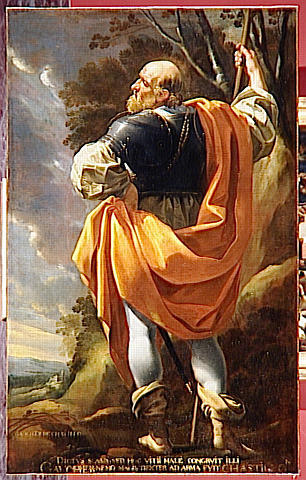
Step into the world of 17th-century French Baroque artistry with this striking portrait of Gaucher de Châtillon, a significant figure rendered by the masterful hand of Simon Vouet. This captivating oil painting offers more than just a likeness; it's a window into an era defined by grandeur, religious contemplation, and burgeoning artistic innovation.
Subject & Historical Context
- The Subject: Gaucher de Châtillon (c. 1503 – 1569) was a prominent French military leader and diplomat, serving as Constable of France under King Francis I. His position placed him at the heart of significant political and military events during the Renaissance.
- Historical Significance: The painting reflects a period of transition in France, marked by religious tensions (the Reformation), evolving courtly life, and increasing influence from Italian artistic trends. Vouet's return to France after years spent immersed in the Italian Baroque scene played a crucial role in introducing these styles to the French court.
- Commission & Patronage: While the exact circumstances of this commission remain somewhat unclear, it’s likely that the portrait was intended for display within a noble household or perhaps even commissioned by Châtillon himself during his lifetime.
Baroque Style and Artistic Technique
- Baroque Characteristics: The painting exemplifies key characteristics of Baroque art – dramatic lighting (chiaroscuro), dynamic composition, and an emphasis on realism. Notice how the light source illuminates Gaucher's upper body, creating a powerful contrast with the shadows that define his form.
- Vouet’s Technique: Simon Vouet was renowned for his skillful use of oil paint. The visible brushstrokes contribute to the texture and depth of the work. Glazing techniques are evident in the subtle color variations within the skin tones and clothing, adding a richness and luminosity to the portrait.
- Compositional Elements: The vertical orientation emphasizes Gaucher’s stature and upward gaze, suggesting contemplation or reverence. The diagonal line created by his arm and staff draws the viewer's eye upwards towards the sky, further reinforcing this sense of spiritual seeking. The landscape in the background provides depth and context while not distracting from the central figure.
Symbolism & Emotional Impact
- Posture & Expression: Gaucher’s serious expression and dignified posture convey a sense of determination and authority. His upward gaze suggests introspection, perhaps reflecting on his military career or contemplating divine matters.
- Attire & Status: The classical attire – the armor and flowing garments – signifies Gaucher's nobility and high-ranking position within French society. The details in the clothing demonstrate Vouet’s attention to realism and his ability to capture the textures of different fabrics.
- Landscape as Symbolism: The cloudy sky and distant landscape could symbolize the vastness of time, the uncertainties of life, or even a sense of divine presence overseeing human affairs.
A Timeless Masterpiece
“Gaucher de Châtillon” by Simon Vouet is more than just a portrait; it's a testament to the artistic brilliance of the Baroque era and a fascinating glimpse into the life of a significant historical figure. Its dramatic lighting, meticulous detail, and evocative symbolism combine to create a work that continues to captivate viewers centuries later.
Perguntas e Respostas
Posso ver "GAUCHER DE CHATILLON" de Simão Vouet sob diferentes luzes?
A página Raio X de "GAUCHER DE CHATILLON" de Simão Vouet é um visualizador interativo que permite percorrer onze camadas ópticas da imagem da obra, incluindo uma visualização em estilo raio-X.
Quem criou "GAUCHER DE CHATILLON"?
O artista por trás de "GAUCHER DE CHATILLON" é Simão Vouet. A obra está catalogada sob o nome de Simão Vouet.
Qual é a tonalidade predominante que percorre "GAUCHER DE CHATILLON" de Simão Vouet?
"GAUCHER DE CHATILLON" inclina-se para um tom Golden Yellow Range.
Biografia do Artista
Simon Vouet: O Pioneiro da Pintura Barroca Francesa
Simon Vouet emerge como uma figura crucial na transição da pintura francesa do Maneirismo para o vibrante estilo Barroco. Nascido em Paris, em 1590, numa família já dedicada às artes – seu pai, Laurent, era pintor e seu irmão, Aubin, também trilhou esse caminho artístico – Vouet recebeu uma formação inicial sólida que lançou as bases para sua futura ascensão. A continuidade da tradição familiar seria assegurada por seu neto, Ludovico Dorigny, perpetuando o legado artístico da família.
Os Primeiros Passos e a Influência Italiana (1608-1627)
A carreira de Vouet floresceu inicialmente através do retrato, demonstrando um talento precoce para capturar a essência dos seus modelos. Aos meros 14 anos, já se aventurava por terras estrangeiras, viajando para a Inglaterra a convite para pintar um retrato encomendado, sinalizando o reconhecimento crescente de seu nome. Em 1611, acompanhou o Barão de Sancy, embaixador francês no Império Otomano, numa jornada que o levou através de Constantinopla e, posteriormente, à encantadora Veneza em 1612. Roma, contudo, provou ser um ponto de inflexão transformador em sua trajetória artística. Durante os treze anos que passou na cidade, imergiu-se no fervilhante cenário artístico do período Barroco nascente.
Sua estadia italiana foi uma verdadeira imersão em diversas influências artísticas. Vouet estudou avidamente as técnicas inovadoras de iluminação dramática de Caravaggio, abraçou elementos do Maneirismo italiano e analisou meticulosamente as paletas de cores e a perspectiva di sotto in su (perspectiva caputexta) magistralmente utilizada por Paolo Veronese. A inspiração também veio das obras dos irmãos Carracci, Guercino, Lanfranco e Guido Reni, sintetizando essas diversas influências num estilo único e pessoal.
A Formação de um Estilo Distintivo
O reconhecimento de Vouet em Roma culminou com sua eleição como presidente da prestigiosa Accademia di San Luca em 1624, uma prova incontestável de sua habilidade e prestígio no mundo da arte italiana. Seu estilo se caracterizava pela capacidade singular de absorver e refinar diversas influências artísticas, não apenas copiando, mas integrando-as numa estética Barroca distintamente italianizante. Ao retornar à França em 1627, desempenhou um papel crucial na introdução do estilo Barroco italiano à pintura francesa, impactando profundamente a paisagem artística do país.
O Auge e o Legado
A nomeação como Premier peintre du Roi (Primeiro Pintor do Rei) coroou sua carreira, conferindo-lhe prestígio e influência consideráveis. Vouet manteve um ateliê vasto e ativo, formando inúmeros artistas que moldariam a geração seguinte de pintores franceses. Entre seus alunos mais influentes destacam-se Charles Le Brun (que posteriormente organizou toda a pintura decorativa em Versalhes), Valentin de Boulogne, Charles Alphonse du Fresnoy, Pierre Mignard, Eustache Le Sueur e Claude Mellan. Sua influência se estende além de suas próprias obras; seus alunos disseminaram seu estilo e técnicas por toda a França, estabelecendo uma escola de pintura barroca distintamente francesa. A marca de Vouet é particularmente evidente nos grandiosos esquemas decorativos encomendados por Luís XIV.
Significado Histórico
O legado de Simon Vouet reside em seu papel fundamental como ponte entre a arte italiana e a francesa. Ele conseguiu importar com sucesso o dinamismo e a grandiosidade do Barroco italiano, transformando-o num estilo que ressoava com os gostos da corte e da aristocracia francesas. Sua influência é inegável no desenvolvimento da pintura francesa durante o século XVII, e suas contribuições continuam sendo reconhecidas por historiadores de arte até hoje.

Simão Vouet
1590 - 1649 , França
Informações Rápidas
- Artistas Influenciados:
- Charles Le Brun
- Valentin de Boulogne
- Artistas Que Influenciaram:
- Caravaggio
- Paolo Veronese
- Guercino
- Data De Falecimento: 30 de junho de 1649
- Data De Nascimento: 9 de janeiro de 1590
- Local De Nascimento: Paris, França
- Movimento Artístico: Pintura Barroca
- Nacionalidade: Francês
- Nome Completo: Simon Vouet
Artigos Relacionados
Baroque Classicism: Reconciling Drama & Order in 17th-Century Art
Explore the captivating world of Baroque Classicism! Discover its history, key artists like Caravaggio & Rubens, and defining characteristics. Expert insights & high-quality reproductions at OriginalUniqueArt.

Baroque Classicism: The Grandeur of Order and Drama in 17th-Century Art History
Explore the profound elegance of Baroque Classicism. Discover how 17th-century masters synthesized dramatic emotion with classical order through the lens of the Counter-Reformation and the works of legends like Carlo Maratta and Andrea Sacchi.
Charles Le Brun: Master of French Baroque Classicism & His Enduring Legacy
Explore the life & art of Charles Le Brun, master of French Baroque Classicism. Discover his royal commissions, influence on Versailles, and enduring legacy through detailed analysis & stunning artworks.
Baroque Classicism: A Professional Guide to Integrating Timeless Grandeur into Luxury Hotel Interiors
Elevate luxury hospitality with Baroque Classicism. Our guide for hotel designers explores integrating grand, classical oil reproductions into professional interiors. Discover efficient bulk procurement, custom sizing, and large-format murals to create timeless, high-impact spaces.
Simon Vouet: A Baroque Master's Journey from Italian Influence to French Classicism
Explore the life & art of Simon Vouet, a pivotal French Baroque painter who introduced Italian styles to France. Discover his masterpieces and lasting influence on 17th-century art.