
 Visualizar na parede
 Compartilhar
 Compartilhar
 Detalhes
 Guia
Guia

 Baixar imagem
 Semelhantes
 Raio X
 Ver diaporama
 Perguntas e Respostas
 Estatísticas
In the villa

- 48.0 x 68.0 cm


 Ler mais
Giclée / Impressão de Arte
Impressão giclée ou em tela de qualidade de museu, com produção rápida e opções flexíveis de acabamento. ( Comprar pintura feita à mão Alternar para Imagem Digital)




P118B €10

P118H €10

P118W €10

P438Z €10

P508JH €12

P508YH €12

P805H €10

P805Z €10

P919BZ €10

P919G €10

P919XJ €10

P959ZH €10

P968JZ €12

W106C €8

W218G €10

W218JH €8

W218Y €10

W307PJ €10

W316G €10

W316PJ €8

W316Y €10

W398PJ €8

W4111J €10

W500HY €15

W500JH €15

W692G €12

W849H €8

W940BG €15

W953PJ €8




Escolha entre os nossos tamanhos pré-definidos que respeitam as proporções originais da obra de arte.

Insira a largura e a altura desejadas para se ajustarem à sua moldura ou parede. Uma impressão pode ser apenas cortada, nunca ampliada além da imagem original; portanto, um tamanho com proporções diferentes resultará na perda de parte da imagem. Enviamos uma maquete digital para sua aprovação antes de realizarmos a impressão. A imagem exibida nesta página não mostra o corte real — apenas a maquete o faz.
Entrega mundial () em 2 semanas, em vez das 4/5 semanas padrão. (5 Novembro)

Envio expresso gratuito para todo o mundo

Tela de Linho de Alta Qualidade

Seguro de transporte completo

Garantia de Reembolso de Impostos Alfandegários

Garantia de Fidelidade Cromática

Política de Devolução em 100 Dias (Apenas para Defeitos)

Garantia de reembolso de 100%

Oferta de desconto por quantidade
 A opção de vidro está disponível apenas para tamanhos inferiores a 110 cm

In the villa
Giclée / Impressão de Arte
Tamanho da Reprodução
-


Preço Total
€ 72
A Moment Frozen in Tuscan Tranquility
In the quiet corners of art history, few works capture the essence of peaceful companionship as tenderly as Silvestro Lega’s 1880 masterpiece, “In the Villa.” The painting invites the viewer into a serene tableau, where a man and a woman sit closely together on a bench, nestled beneath the dappled shade of mature, protective trees. This is not merely a depiction of a garden scene; it is an intimate study of connection. Lega meticulously arranges his subjects against a lush backdrop of foliage, creating a harmonious balance that draws the eye inward, toward the silent, shared language between the two figures. The atmosphere is one of profound stillness, as if the very air of the Tuscan landscape has paused to honor this private moment of togetherness.
The technical brilliance of the piece lies in Lega’s mastery of the Macchiaioli technique. Moving away from the polished, often artificial perfection of academic idealism, Lega embraced the concept of “macchia”—the use of distinct spots or patches of color to build form and light. Rather than relying on smooth, seamless transitions, he applied pigment in irregular, textured strokes that capture the flickering interplay of sunlight and shadow. This method lends an incredible immediacy to the work, making the textures of the leaves and the soft light filtering through the canopy feel palpable. For the discerning collector or interior designer, this technique provides a rich, tactile quality that brings a sense of organic life and movement to any space.
Symbolism and the Spirit of the Belle Époque
Beyond its surface beauty, “In the Villa” is layered with subtle symbolic resonances that elevate it from a simple genre painting to a work of deep contemplation. The sturdy trees framing the couple serve as metaphors for stability and longevity, mirroring the enduring nature of the bond they share. Even a small detail, such as a bird soaring in the distant sky, adds a layer of poetic aspiration and freedom to the composition. Through a palette of muted greens, earthy browns, and soft ochres, Lega achieves a tonal harmony that evokes a sense of timelessness, grounding the fleeting moment in something much more permanent.
Historically, this work emerged during the Belle Époque, a period of significant cultural and political transformation in Italy. As a leading figure of the Macchiaioli movement, Lega’s art was deeply rooted in social realism and a commitment to observing the truth of everyday life. His involvement in the political currents of his era—including his support for Italian unification—infused his landscapes with a sense of grounded reality and emotional honesty. To possess a reproduction of this work is to hold a piece of Italian heritage, capturing a period where art sought to find beauty in the authentic, unadorned moments of human existence.
For those looking to infuse their homes or galleries with a sense of calm and sophistication, “In the Villa” offers an unparalleled emotional impact. It is a painting that does not demand attention through loud colors or dramatic action, but rather earns it through its quiet, soulful presence. Whether placed in a sunlit study or a contemporary living space, this work serves as a window into a world of grace, reminding us of the beauty found in simplicity and the enduring strength of human connection.
Perguntas e Respostas
Em que ano foi criado "In the villa"?
"In the villa" data de 1880. A data situa a obra na carreira de Silvéstro Lega e em sua época.
Quais são as dimensões da obra original "In the villa", de Silvéstro Lega?
As dimensões registradas de "In the villa", de Silvéstro Lega são 48 x 68 cm. Reproduções podem ser encomendadas em outros tamanhos, mantendo as mesmas proporções.
Quão harmoniosas são as cores de "In the villa" entre si?
As cores de "In the villa", de Silvéstro Lega apresentam uma harmonia Strong Color Unity. A harmonia descreve como as cores se relacionam entre si.
Biografia do Artista
Silvestro Lega: Uma Vida no Realismo Italiano
- Nascimento: Modigliana, Itália (1826)
- Falecimento: 1895
Silvestro Lega foi uma figura de extrema relevância na arte italiana do século XIX, sendo reconhecido como um dos principais expoentes do movimento Macchiaioli. Sua obra é a personificação de um compromisso profundo com o realismo e com a observação minuciente da vida cotidiana, elementos que se entrelaçam harmoniosamente com sua participação nas correntes políticas e sociais de sua época.
Primeiros Anos e Formação Artística
- Origens Familiares: Lega nasceu no seio de uma família abastada em Modigliana, próximo a Forlì, o que lhe proporcionou as condições ideais para o florescimento de seu talento desde cedo.
- Educação: A partir de 1838, frequentou o Colégio Piarista, onde suas habilidades de desenho começaram a se destacar. Posteriormente, ingressou na Accademia di Belle Arti em Florença (1843-1847), estudando inicialmente desenho com Benedetto Servolini e Tommaso Gazzarini, e passando brevemente pela pintura sob a tutela de Giuseppe Bezzuoli.
- A Influência de Luigi Mussini: Sua formação foi profundamente moldada por Luigi Mussini, que enfatizava os princípios florentinos do século XV aplicados ao desenho e à construção da forma, estabelecendo uma base sólida para sua abordagem artística inicial.
- Serviço Militar e o Risorgimento: Como voluntário garibaldino, Lega não foi apenas um observador, mas um participante ativo das campanhas militares pela independência italiana (1848–4 li), demonstrando seu forte engajamento com os ideais do Risorgimento.
- Estudos Posteriores: Em sua trajetória de aprendizado contínuo, buscou também o conhecimento sob a orientação de Antonio Ciseri.
O Movimento Macchiaioli e o Desenvolvimento Artístico
- Estilo Acadêmico Inicial: No princípio, o estilo de Lega mantinha um caráter predominantemente acadêmico. O contemporâneo Diego Martelli notou que sua participação nas vibrantes discussões artísticas no Caffè Michelangelo — o epicentro dos jovens pintores da época — era infrequente.
- A Transição para o Realismo: Por volta de 1859, a obra de Lega começou a transitar em direção ao realismo, afastando-se do purismo de Mussini. Essa evolução é visível nas lunetas que pintou para o Oratório da Madonna del Cantone, em Modigliana (1858-1863).
- A Pintura En Plein Air: Ao lado de seus colegas Macchiaioli — Odoardo Borrani, Giuseppe Abbati, Telemaco Signorini e Raffaello Sernesi —, Lega abraçou a pintura en plein air, dedicando-se a observar e capturar diretamente as nuances e a luz das paisagens.
- O Período da Família Batelli (1861-1870): Um capítulo fundamental de sua vida foi o período passado com a família Batelli, próximo ao Rio Affrico. Esse tempo influenciou profundamente sua arte, pois ele retratou as mulheres e as crianças da família em inúmeras telas, transmitindo uma sensação de serenidade doméstica e paz.
Obras Primordiais e Estilo Artístico
- Pinturas Notáveis: Entre suas obras mais celebradas, destacam-se “A Caminhada no Jardim” (1870), "Il Pergolato" (também conhecido como "Il dopopranzo") (1864), “A Casa de Don Giovanni Veritá” (1885), “No Jardim” (1883) e “Jardim em Bellariva” (1884).
- Características do Estilo: O estilo de Lega é definido por um equilíbrio cuidadoso entre a composição tradicional e o uso contemporâneo da cor, fruto da observação direta. Ele utilizava formas bem definidas e criava atmosferas através da transparência cromática, apresentando, em suas obras tardias, uma clara influência impressionista.
- Foco Temático: Suas telas frequentemente evocam cenas da vida rural, encontros familiares e retratos íntimos, refletindo um olhar atento às experiências cotidianas das pessoas comuns.
Anos Finais e Legado
- Tragédia Pessoal: A perda de Virginia Batelli (sua companheira), somada ao falecimento de três de seus irmãos, mergulhou Lega em um profundo luto e depressão em 1870, o que resultou em um hiato de quatro anos em sua produção pictórica (1874-1878).
- Exploração Artística e Impressionismo: Apesar das dores pessoais, Lega permaneceu conectado ao mundo da arte. Admirador das obras de Camille Pissarro, chegou a estabelecer uma galeria de arte em Florença com Odoardo Borrani, embora o empreendimento tenha sido breve.
- Anos Finais: Em sua maturidade, encontrou nova estabilidade e inspiração ao atuar como tutor dos filhos da família Tommasi. Suas obras finais, como “As Gabbarigiane”, demonstram um compromisso inabalável com o realismo, mesmo diante do declínio de sua visão.
- Significado Histórico: A contribuição de Silvestro Lega reside na sua maestria em sintetizar técnicas composicionais tradicionais com a estética realista emergente do movimento Macchiaioli. Ele capturou a essência da vida italiana com sensibilidade e perícia, deixando um legado que ressoa até hoje. Ao elevar temas cotidianos ao patamar de importância artística, ele contribuiu para o movimento global em direção ao realismo na arte europeia do século XIX.

Silvéstro Lega
1826 - 1895 , Itália
Dados Rápidos
- Artistic Movement Or Style: Realismo, Macchiaioli
- Artists Who Influenced This Artist:
- Luigi Mussini
- Antonio Ciseri
- Date Of Birth: 1826
- Date Of Death: 1895
- Full Name: Silvestro Lega
- Nationality: Italiano
- Notable Artworks:
- Doubting Thomas
- David placating Saul
- A Walk in the Garden
- Il pergolato
- The pergola
- Place Of Birth: Modigliana, Itália
Artigos Relacionados

Os 10 Mestres da Paisagem Romântica: Arte para Inspirar a Sua Casa
Descubra os 10 quadros mais emblemáticos da Paisagem Romântica! Explore a história de Turner, Friedrich e outros mestres. Encontre reproduções de arte exclusivas para inspirar sua decoração em OriginalUniqueArt.com.

Giovanni Fattori: Realism, Identity & the Tuscan Landscape – A Macchiaioli Master
Explore the life & art of Giovanni Fattori, a leading figure of the Macchiaioli movement. Discover his revolutionary realism, captivating Tuscan landscapes, and lasting impact on Italian painting. Learn more at OriginalUniqueArt.

Evocations of Place: A Historical Journey Through Landscape Art
Explore the rich history of landscape art with OriginalUniqueArt. Discover renowned artists, movements like Impressionism & Romanticism, and expert guidance for collecting timeless pieces. Find your perfect serene escape today!
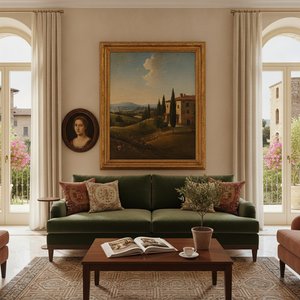
The Art of Italian Living: Transform Your Home with Timeless Landscapes and Renaissance Masterpieces
Elevate your home with the timeless romance of Italy. Discover expert-curated, hand-painted Italian landscapes and Renaissance-inspired masterpieces. From bespoke oil reproductions to custom portraits from photos, transform your space with elegance and artistic passion.

Romantic Realism's Finest: 10 Masterpieces for Your Home | OriginalUniqueArt
Explore 10 defining masterpieces of Romantic Realism! Discover Courbet, Millet & Daumier's powerful paintings—capturing emotion and social realities. Find museum-quality reproductions for your home at OriginalUniqueArt.com.
