

 Visualizar em escala
 Enviar
 Compartilhar
 Ver detalhes

 Baixar
 Semelhantes
 Raio X
 Apresentação de slides
Portrait de Maria Teresa, Soberana de Áustria, Hungría y Bohemia


 Ver mais
Reprodução em Óleo Feita à Mão
Óleo sobre tela pintado à mão no seu tamanho e moldura, feito sob encomenda pelos nossos artistas. ( Encomendar impressão Comprar imagem em alta resolução)




P118B $10

P118H $10

P118W $10

P438Z $10

P508JH $12

P508YH $12

P805H $10

P805Z $10

P919BZ $10

P919G $10

P919XJ $10

P959ZH $10

P968JZ $12

W106C $8

W218G $10

W218JH $8

W218Y $10

W307PJ $10

W316G $10

W316PJ $8

W316Y $10

W398PJ $8

W4111J $10

W500HY $15

W500JH $15

W692G $12

W849H $8

W940BG $15

W953PJ $8




Escolha entre os nossos tamanhos pré-definidos que respeitam as proporções originais da obra de arte.

Pode inserir as suas próprias dimensões para se adequar a uma moldura ou espaço específico. Se o tamanho selecionado não corresponder às proporções da imagem original, iremos cortar a obra de arte ou estender a pintura com elementos adicionais pintados à mão. Um esboço digital será enviado para sua aprovação antes do início da produção.
Tenha em atenção que a pré-visualização no ecrã não reflete o corte ou extensão real. Apenas o esboço mostrará com precisão a composição final.
Embora tamanhos personalizados estejam disponíveis, recomendamos selecionar uma dimensão da lista predefinida para preservar as proporções originais.
Após o pedido, a equipa OriginalUniqueArt.com enviará um e-mail ao cliente para solicitar instruções e fornecer uma prévia do esboço.
Entrega mundial () em 3 a 4 semanas, em vez das 5 semanas padrão. (22 Agosto). Sem comprometer a qualidade.

Envio Expresso Gratuito para todo o Mundo

Tela de Linho Premium

Seguro de transporte total

Garantia de Reembolso de Impostos Alfandegários

Garantia de Fidelidade de Cor

Política de Devolução de 60 Dias (Apenas para Defeitos)

Garantia de reembolso de 100%

Desconto para múltiplas unidades
 A opção de vidro está disponível apenas para tamanhos inferiores a 110 cm

Portrait de Maria Teresa, Soberana de Áustria, Hungría y Bohemia
Técnica de Reprodução
Dimensões da Reprodução
-


Preço Total
$ 300
Descrição da Obra
Portrait of Maria Theresa, Sovereign of Austria, Hungary and Bohemia
Jean-Étienne Liotard’s “Portrait of Maria Theresa” transcends mere representation; it embodies the grandeur and sophistication of Rococo art—a testament to his mastery as a Genevan painter and connoisseur. Created in 1762, this pastel masterpiece resides within the Albertina Museum in Vienna, Austria, offering viewers an unparalleled glimpse into the artistic sensibilities of the era. ### Style and Technique: The Delicate Dance of Pastel Liotard’s signature style is characterized by its exquisite subtlety—a hallmark of pastel drawing during the mid-18th century. Unlike oil paints, pastels utilize powdered pigment mixed with binder to achieve luminous hues and velvety textures. Liotard skillfully employed this technique, layering delicate strokes to capture the nuanced contours of Maria Theresa's face and drapery. The resulting image glows with an ethereal quality, reflecting the influence of Venetian painting traditions prevalent at the time. Precise brushwork contributes to a remarkable level of detail—particularly evident in the intricate folds of her gown and the shimmering pearls adorning her neck—demonstrating Liotard’s meticulous attention to craftsmanship. ### Historical Context: An Era Defined by Nobility and Patronage “Portrait of Maria Theresa” emerged from a period marked by profound social and political transformations within Europe. The Habsburg monarchy, under Maria Theresa's reign, exerted considerable influence over artistic patronage—supporting artists like Liotard who produced works reflecting the values of aristocratic society. Rococo art flourished during this time, prioritizing elegance, ornamentation, and sensual beauty—a deliberate contrast to the austere formality of Neoclassical styles that would soon follow. The portrait serves as a visual chronicle of Maria Theresa’s status as sovereign—symbolized by her regal attire and jewelry—underscoring the importance of aristocratic lineage and power within the cultural landscape. ### Symbolism: Pearls, Drapery, and the Pursuit of Ideal Beauty The pastel itself carries symbolic significance—representing delicacy, refinement, and a preference for soft colors—elements deeply ingrained in Rococo aesthetics. Maria Theresa’s gown is draped with flowing fabrics—a deliberate allusion to classical drapery—emphasizing grace and movement while simultaneously conveying wealth and status. The pearls encircling her neck symbolize nobility and purity—reflecting the idealized notions of femininity prevalent during the period. Liotard's aim was not merely to depict a likeness but to convey an emotional resonance—capturing Maria Theresa’s dignity and composure with remarkable sensitivity. ### Emotional Impact: A Moment Frozen in Time Ultimately, “Portrait of Maria Theresa” evokes a profound sense of timelessness—transporting viewers back to the opulent salons of Vienna and inviting contemplation on themes of beauty, power, and legacy. The pastel's luminous palette and masterful brushwork instill admiration for Liotard’s artistic prowess—celebrating his ability to transform pigment into an enduring symbol of cultural heritage. This portrait remains a captivating exemplar of Rococo art—inspiring collectors and interior designers alike with its exquisite aesthetic qualities and evocative narrative.Biografia do Artista
primeira infância e formação
jean-étienne liotard, renomado pintor genebrino, conhecedor de arte e marchand, nasceu em 22 de dezembro de 1702, em Genebra, Suíça. Seus pais, protestantes franceses, haviam fugido para Genebra após 1685. A jornada artística de Liotard teve início sob a orientação dos professores Daniel Gardelle e Petitot, cujos esmaltes e miniaturas ele replicava com maestria.carreira artística
As viagens de Liotard levaram-no a diversas capitais europeias, incluindo Paris, Roma, Istambul e Viena, onde seus retratos eram altamente cobiçados. Em 1725, estudou sob a tutela de jean-baptiste massé e françois lemoyne em Paris. Sua estadia em Constantinopla (1738-1742) influenciou significativamente sua obra, como se evidencia em suas inúmeras representações em pastel de cenas domésticas turcas.obras notáveis e estilo
O domínio de Liotard sobre o pastel é demonstrado em obras como:- dutch girl at breakfast (c. 1756, óleo sobre tela, Rijksmuseum), demonstrando sua versatilidade.
- la liseuse, the chocolate girl e la belle lyonnaise na Galeria de Dresden, exemplificando seus delicados desenhos em pastel.
- maria frederike van reede-athlone at seven (J. Paul Getty Museum), um testemunho de seu retrato naturalista.
legado e últimos anos
Os anos finais de Liotard foram marcados pela publicação de seu tratado, traité des principes et des règles de la peinture (1781). Ele continuou a pintar naturezas-mortas e paisagens até seu falecimento em 12 de junho de 1789, em Genebra. links principais:- jean-étienne liotard | OriginalUniqueArt.com (página do artista)
- jean-étienne liotard | wikipedia
- a woman in turkish dress | OriginalUniqueArt.com (pintura)
museus e coleções:
- the museum private collection (genebra, suíça), apresentando uma gama impressionante de obras de Liotard.
- musée d'art et d'histoire (genebra, suíça), abrigando uma coleção significativa de pastéis e desenhos de Liotard.

Jean-Étienne Liotard
1702 - 1789 , Suíça
Informações Rápidas
- Artistic Movement Or Style: Pastoralismo
- Artists Or Movements Influenced By This Artist:
- Jean Baptiste Massé
- François Lemoyne
- Artists Who Influenced This Artist:
- Daniel Gardelle
- Petitot
- Date Of Birth: 22 de dezembro de 1702
- Date Of Death: 12 de junho de 1789
- Full Name: Jean-Étienne Liotard
- Nationality: Suíço
- Notable Artworks:
- Moça Holandesa no Café da Manhã
- La Liseuse, A Menina do Chocolate
- Maria Frederike van Reede-Athlone aos Sete Anos
- Place Of Birth: Genebra, Suíça
Artigos Relacionados
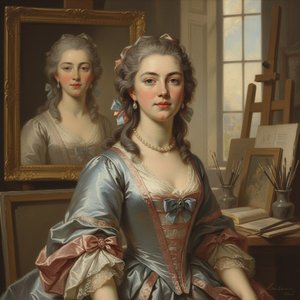
Jean-Étienne Liotard: Rococo Portraiture & the Pursuit of Naturalism
Explore the exquisite Rococo portraits of Jean-Étienne Liotard, a master of pastel and enamel. Discover his innovative techniques, captivating Turkish scenes, and lasting influence on art history. Learn more at OriginalUniqueArt.

The Rococo Aesthetic: Opulence, Rebellion & the Pursuit of Pleasure in 18th-Century Art
Explore the opulent world of Rococo art! Discover its origins, key artists like Watteau & Boucher, and lasting influence on design. Expert insights for collectors & enthusiasts.

Rococó: 10 Obras-Primas que Definiram um Movimento Artístico Elegante | OriginalUniqueArt.com
Descubra as 10 obras-primas do Rococó! Explore a elegância de Fragonard, Boucher e Watteau. A arte do século XVIII ganha vida com cores pastel e detalhes luxuosos. Encontre reproduções de alta qualidade em OriginalUniqueArt.com.
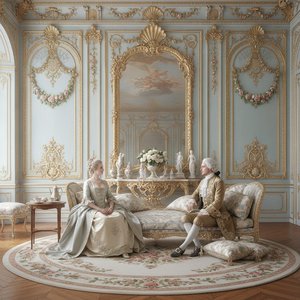
Rococo Art Guide: Elegance, Ornamentation, and the Era of Luxury
Explore the elegance of Rococo art. From Watteau to Fragonard, discover the history, aesthetics, and masters of 18th-century luxury in this expert guide for art lovers and collectors.

The Enduring Legacy of Oil on Canvas: Technique, History & Aesthetic Impact
Explore the rich history & techniques of oil painting – from Renaissance masters to Impressionism. Discover pigments, layering methods, and why this timeless medium endures. Expert insights for artists & art enthusiasts.


