

 Visualizar na parede
 Compartilhar
 Compartilhar
 Detalhes
 Guia
Guia

 Baixar imagem
 Semelhantes
 Raio X
 Ver diaporama
 Estatísticas
Grass and Insects


 Ler mais
Reprodução em Óleo Feita à Mão
Óleo sobre tela pintado à mão no tamanho e moldura de sua escolha, feito sob encomenda pelos nossos artistas. ( Alternar para Impressão Alternar para Imagem Digital)




P118B €10

P118H €10

P118W €10

P438Z €10

P508JH €12

P508YH €12

P805H €10

P805Z €10

P919BZ €10

P919G €10

P919XJ €10

P959ZH €10

P968JZ €12

W106C €8

W218G €10

W218JH €8

W218Y €10

W307PJ €10

W316G €10

W316PJ €8

W316Y €10

W398PJ €8

W4111J €10

W500HY €15

W500JH €15

W692G €12

W849H €8

W940BG €15

W953PJ €8




Escolha entre os nossos tamanhos pré-definidos que respeitam as proporções originais da obra de arte.

Insira a largura e a altura desejadas para se ajustarem à sua moldura ou parede. Como esta obra é pintada à mão, para um tamanho com proporções diferentes, o artista poderá pintar um pouco mais ao redor da imagem ou reduzir ligeiramente a composição — você escolhe. Enviamos uma maquete digital para sua aprovação antes de iniciar a pintura. A imagem exibida nesta página não representa o resultado real — apenas a maquete mostra o resultado final.
Após o pedido, a equipa OriginalUniqueArt.com enviará um e-mail ao cliente para solicitar instruções e fornecer uma prévia do esboço.
Entrega mundial () em 3 a 4 semanas, em vez das 5 semanas padrão. (25 Outubro). Sem comprometer a qualidade.

Envio expresso gratuito para todo o mundo

Tela de Linho de Alta Qualidade

Seguro de transporte completo

Garantia de Reembolso de Impostos Alfandegários

Garantia de Fidelidade Cromática

Política de Devolução em 100 Dias (Apenas para Defeitos)

Garantia de reembolso de 100%

Oferta de desconto por quantidade
 A opção de vidro está disponível apenas para tamanhos inferiores a 110 cm

Grass and Insects
Técnica de Reprodução
Tamanho da Reprodução
-


Preço Total
€ 263
Shin Saimdang’s “Grass and Insects”: A Symphony of Color and Quiet Observation
Shin Saimdang (1504–1551), a trailblazing female artist in Joseon dynasty Korea, stands as an emblem of intellectual curiosity and artistic prowess—a woman who defied societal constraints to pursue her passions for poetry, calligraphy, and painting. Her legacy resides not merely in the exquisite beauty of her artwork but also in its profound reflection of the era’s cultural values and philosophical ideals. This examination delves into “Grass and Insects,” one of her most celebrated panels from a monumental ten-panel folding screen—a masterpiece that encapsulates Saimdang's distinctive artistic vision and offers invaluable insight into Korean art history.A Window Into Joseon Aesthetic Principles
“Grass and Insects” exemplifies the dominant aesthetic sensibilities of the late 16th century, characterized by meticulous detail, harmonious color palettes, and a reverence for nature’s subtle grandeur. The screen embodies Neo-Confucian ideals—a belief system that prioritized moral cultivation alongside intellectual pursuits—reflected in Saimdang's careful composition and her masterful execution of brushstrokes. Unlike Western art traditions focused on dramatic narratives or idealized figures, Korean painting during this period favored contemplative scenes depicting landscapes and flora, intended to inspire serenity and contemplation. The screen’s overall design adheres to the principles of “Yonghwa,” meaning “harmonious beauty”—a concept central to Joseon artistic philosophy that sought to achieve balance between form and content.Technique and Material Considerations
Saimdang employed a technique rooted in meticulous observation and painstaking layering—a hallmark of Korean painting at the time. Using mineral pigments mixed with animal glue, she achieved remarkable luminosity and vibrancy, capturing the delicate textures of grass blades and the iridescent sheen of insects’ wings. The screen's surface is covered with thin layers of lacquer, providing protection while enhancing the colors and creating a tactile experience for the viewer. Furthermore, Saimdang skillfully utilized “Ma,” or negative space—a technique that deliberately leaves areas unfilled to create visual balance and emphasize the subject matter—demonstrating an understanding of compositional principles that transcended mere representation. The careful blending of pigments and meticulous brushwork contribute to the screen’s enduring beauty and artistic significance.Symbolism: Echoes of Confucian Thought
Beyond its technical brilliance, “Grass and Insects” resonates with deeper symbolic meanings rooted in Confucian cosmology—a worldview that viewed humanity as intrinsically linked to the natural world. The depiction of various insects—including beetles, dragonflies, cicadas, and moths—represents transformation and renewal—themes central to Confucian teachings concerning reincarnation and moral progress. Similarly, the inclusion of flowers like hibiscus, poppies, and lilies symbolizes purity and virtue—values upheld by Joseon society as markers of moral excellence. The meticulous rendering of grass blades underscores the importance of simplicity and humility—qualities considered essential for achieving inner harmony and cultivating compassion.Emotional Resonance: A Moment Frozen in Time
“Grass and Insects” transcends mere visual representation; it evokes a profound emotional response—a feeling of tranquility and appreciation for the beauty of the natural world. The screen’s muted color palette—dominated by greens, blues, and reds—creates an atmosphere of serenity and contemplation—inviting viewers to pause and reflect on the passage of time. Saimdang's masterful brushwork conveys a sense of quiet observation—capturing not just what is seen but also what is felt—a testament to her artistic sensitivity and her ability to communicate complex ideas through subtle visual cues. Viewing this artwork inspires contemplation about the interconnectedness of humanity and nature, reminding us of the enduring power of art to elevate our spirits and enrich our understanding of the human experience.Concluding Remarks: An Artistic Legacy Enduring Through Centuries
Shin Saimdang’s “Grass and Insects” remains a cornerstone of Korean art history—a testament to her artistic genius and her unwavering commitment to intellectual pursuits. Its harmonious composition, masterful technique, and evocative symbolism continue to captivate audiences today—serving as an enduring reminder of Joseon dynasty Korea's aesthetic ideals and its profound appreciation for the natural world. The screen’s legacy extends beyond its visual splendor; it embodies a spirit of contemplation and moral cultivation—values that resonate powerfully across cultures and generations—solidifying Saimdang’s place as one of Korea’s most celebrated artists and an inspiration to aspiring creatives everywhere.Perguntas e Respostas
Qual é o nível de reconhecimento de "Grass and Insects" de Shin Saimdang?
O nível de popularidade registrado para "Grass and Insects", de Shin Saimdang é Recognized.
Em que ano foi criado "Grass and Insects", de Shin Saimdang?
"Grass and Insects", de Shin Saimdang foi criado em 1500.
A imagem de "Grass and Insects", de Shin Saimdang pode ser reproduzida livremente?
"Grass and Insects", de Shin Saimdang está em em domínio público — seus direitos autorais expiraram. Este status determina como a imagem da obra pode ser reproduzida.
Biografia do Artista
uma artista pioneira na dinastia joseon da coreia
shin saimdang, uma artista multifacetada da coreia do sul, viveu durante o período Joseon, deixando uma marca indelével na história da arte coreana. Nascida em 29 de outubro de 1504, em Gangneung, na província de Gangwon, ela não foi apenas uma pintora, mas também uma escritora, calígrafa e poetisa.primeiros anos e primórdios artísticos
Os talentos artísticos de Shin Saimdang eram evidentes desde muito cedo. Com apenas sete anos, ela já imitava o estilo de pintura de an gyeon, outro proeminente artista coreano. Sua casa natal, Ojukheon, que também é a residência de sua família materna, permanece bem preservada até os dias de hoje.contribuições artísticas e estilo
As pinturas de Shin Saimdang, caracterizadas por pinceladas finas e cores vívidas, fazem parte de um biombo de dez painéis. Suas obras, como grama e insetos, apresentam uma variedade de temas, incluindo melancias, berinjelas, papoulas, hibiscos e diversos insetos. Estas pinturas podem ser encontradas no Museu Nacional da Coreia (Seul, Coreia do Sul), onde continuam a inspirar entusiastas da arte.- veja as obras de shin saimdang na OriginalUniqueArt: https://OriginalUniqueArt.com/@/shin-saimdang
- explore a coleção do museu nacional da coreia: /en/art/show/national-museum-of-korea-seoul/
- descubra mais sobre o movimento artístico da dinastia joseon: o movimento artístico da dinastia joseon
legado e impacto
O legado de Shin Saimdang estende-se para além de sua obra, pois ela também é conhecida por ser a mãe de yi i, um renomado estudioso e político da dinastia Joseon. Sua vida e seu trabalho servem como inspiração para muitos, personificando a essência da arte coreana durante o período Joseon. obras principais de shin saimdang:- grama e insetos (museu nacional da coreia, seul, coreia do sul)
- outras obras notáveis apresentando pinceladas finas e cores vivas e claras, parte de um biombo de dez painéis.
- an gyeon, outro pintor coreano proeminente do início do período Joseon.

Shin Saimdang
1504 - 1551 , Coreia do Sul
Dados Rápidos
- Artistic Movement Or Style: Arte da Dinastia Joseon
- Artists Or Movements Influenced By This Artist: Arte da Dinastia Joseon
- Artists Who Influenced This Artist: An Gyeon
- Date Of Birth: 29 de outubro de 1504
- Date Of Death: 1551
- Full Name: Shin Saimdang
- Nationality: Coreana
- Notable Artworks: ['Ervas e Insetos']
- Place Of Birth: Gangneung, Coreia do Sul
Artigos Relacionados
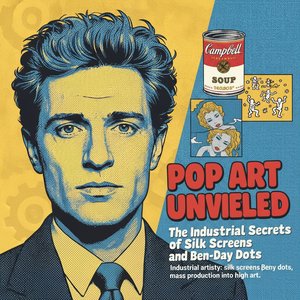
Pop Art Unveiled: The Industrial Secrets of Silk Screens and Ben-Day Dots
Explore the industrial artistry of Pop Art. Delve into the sophisticated history of Ben-Day dots and silk screen techniques that transformed mass media into high art, perfect for discerning collectors seeking deep historical insight and aesthetic excellence.
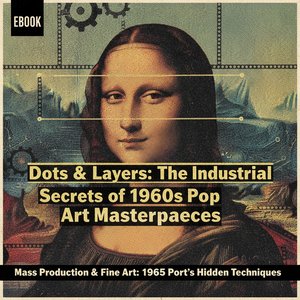
Dots & Screens: The Industrial Secrets Behind 1960s Pop Art Masterpieces
Explore the industrial secrets of 1960s Pop Art. Discover how Ben-Day dots and silk screening transformed mass media into masterpieces by Roy Lichtenstein. An in-depth look at the intersection of mechanical printing and fine art history for students and collectors.

Beyond the Screen: Transforming Personal Memories into Timeless AI-Driven Anime Masterpieces
Experience the magic of digital metamorphosis. Transform your cherished photos into stunning, hand-painted anime masterpieces using our proprietary AI technology and professional artists. Elevate your personal story with a timeless, high-quality oil painting on canvas.
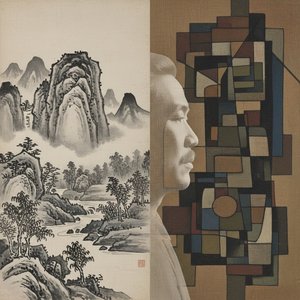
Yi Eungro: Bridging East & West in the Landscape of Korean Modernism
Explore the captivating world of Yi Eungro (Lee Ungno), a pivotal figure in Korean modernism. Discover his unique fusion of Eastern and Western artistic traditions, abstract masterpieces, and lasting legacy. A must-read for discerning art collectors.
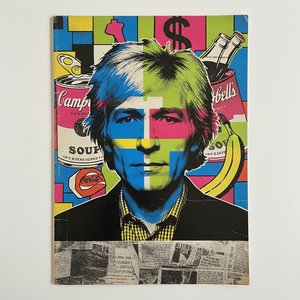
Andy Warhol: Deconstructing Pop Culture & Redefining Artistic Expression
Explore the revolutionary art of Andy Warhol & the Pop Art movement. Discover his iconic techniques, cultural impact, and investment potential. A guide for discerning collectors.