

 Visualizar na parede
 Compartilhar
 Compartilhar
 Detalhes

 Baixar imagem
 Semelhantes
 Raio X
 Slideshow
A Scene from Roman History
 Oil On Canvas
- WallArt
- Baroque
 1645
1645- Early Modern
 145.0 x 197.0 cm
 Museu do Louvre
 Ler mais
Giclée / Impressão de Arte
Impressão giclée ou em tela de qualidade de museu, com produção rápida e opções flexíveis de acabamento. ( Comprar pintura feita à mão Comprar imagem)




P118B $10

P118H $10

P118W $10

P438Z $10

P508JH $12

P508YH $12

P805H $10

P805Z $10

P919BZ $10

P919G $10

P919XJ $10

P959ZH $10

P968JZ $12

W106C $8

W218G $10

W218JH $8

W218Y $10

W307PJ $10

W316G $10

W316PJ $8

W316Y $10

W398PJ $8

W4111J $10

W500HY $15

W500JH $15

W692G $12

W849H $8

W940BG $15

W953PJ $8




Escolha entre os nossos tamanhos pré-definidos que respeitam as proporções originais da obra de arte.

Você pode inserir suas próprias dimensões para se ajustar a uma moldura ou espaço específico. Se o tamanho selecionado não corresponder às proporções da imagem original, iremos recortar a obra de arte ou estender a imagem com uma borda espelhada ou preenchimento sólido. Um mockup digital será enviado para sua aprovação antes do início da produção.
Por favor, observe que a visualização na tela não reflete o recorte ou a extensão real. Apenas o mockup mostrará com precisão a composição final.
Embora tamanhos personalizados estejam disponíveis, recomendamos selecionar uma dimensão da lista predefinida para preservar as proporções originais.
Entrega mundial () em 2 semanas, em vez das 4/5 semanas padrão. (28 Agosto)

Envio expresso gratuito para todo o mundo

Tela de Linho de Alta Qualidade

Seguro de transporte completo

Garantia de Reembolso de Impostos Alfandegários

Garantia de Fidelidade Cromática

Política de Devolução em 60 Dias (Apenas para Defeitos)

Garantia de reembolso de 100%

Oferta de desconto por quantidade
 A opção de vidro está disponível apenas para tamanhos inferiores a 110 cm

A Scene from Roman History
Giclée / Impressão de Arte
Tamanho da Reprodução
-


Preço Total
$ 80
A Grand Spectacle of Antiquity
In the vast, hallowed halls of the Musée du Louvre, there exists a window into a world of vanished splendor and political upheaval. Sébastien Bourdon’s 1645 masterpiece, "A Scene from Roman History," is not merely a painting; it is a theatrical performance frozen in time. At its heart, the work captures the tempestuous and opulent intersection of power and passion, specifically delving into the legendary relationship between Antony and Cleopatra. As the viewer’s eye wanders through the composition, they are swept into the midst of an imperial court where every shadow seems to whisper of political intrigue and every light reveals a fragment of a crumbling empire. Bourdon utilizes a masterful command of diagonal lines to propel the gaze across the canvas, creating a palpable sense of kinetic energy that is quintessential to the Baroque era.
The architectural grandeur of the scene serves as more than just a backdrop; it acts as a silent protagonist in this historical drama. Massive columns and sweeping arches frame the central figures, lending an air of monumental stability that contrasts sharply with the emotional volatility of the subjects. This deliberate use of structure reinforces the public nature of the spectacle, reminding us that in the Roman world, private passions were often played out on the grandest stages of history.
The Mastery of Baroque Luminosity
To behold this work is to experience the profound influence of the great masters like Nicolas Poussin and Claude Lorrain. Bourdon’s technique is a sophisticated dance of light and shadow, a style often referred to as chiaroscuro, which breathes life into the oil on canvas. The artist employs a palette deeply rooted in the earth—rich ochres, deep browns, and commanding reds—which provides a warm, grounded foundation for the scene. These heavy, somber tones are brilliantly punctuated by sudden flashes of cooler blues and greens found within the drapery and shadows, creating a visual rhythm that keeps the observer perpetually engaged.
The texture of the painting itself invites a tactile appreciation. Through meticulous brushwork, Bourdon renders the weight of heavy fabrics, the cold hardness of stone, and the soft, vulnerable skin of his subjects with unparalleled realism. This layering of paint adds a physical depth to the canvas, allowing the light to appear as though it is truly interacting with the surfaces within the frame. For the collector or interior designer, such a piece offers an incredible sense of presence; its ability to manipulate light makes it a transformative element in any curated space, providing a focal point that commands attention and invites deep contemplation.
An Emotional Legacy for the Modern Collector
Beyond its technical brilliance, "A Scene from Roman History" resonates through its profound emotional impact. There is an inherent sense of pathos woven into the very fabric of the composition—a feeling of solemnity mixed with the breathless tension of a moment that will change history forever. The figures are not mere archetypes; they are vessels of human emotion, conveying triumph, suffering, and the heavy burden of leadership.
For those seeking to adorn their homes or galleries with art that tells a story, a high-quality reproduction of this work offers an unparalleled opportunity. It brings into a contemporary setting the drama of the seventeenth century, bridging the gap between the ancient Roman past and the modern aesthetic. Owning such a piece is an invitation to surround oneself with the grandeur of history, providing a constant source of inspiration and a sophisticated dialogue between the classical world and the present day.
Biografia do Artista
Um Mestre da Luz e da Versatilidade: A Vida de Sébastien Bourdon
Sébastien Bourdon (1616–1671) permanece como uma das figuras mais cativantes e multifacetadas do Barroco francês do século XVII. Nascido em Montpellier, no seio de uma família de artistas protestantes, sua vida precoce foi moldada pelas vibrantes, embora muitas vezes turbulentas, tradições artísticas do sul da França. Sua jornada, de um jovem aprendiz a um membro fundamental da Académie Royale de Peiente et de Sculpture, é um testemunho de um intelecto profundo e inquieto, além de uma capacidade inigualável de absorver as correntes estilísticas da Europa. Após o treinamento inicial em Paris, o caminho de Bourdon o levou por Bordeaux e Toulouse antes de alcançar o coração espiritual e artístico do continente: Roma. Foi na Itália que seu talento verdadeiramente se incendiou, ao mergulhar nas obras de mestres como Caravaggio, Nicolas Poussin e Claude Lorrain. Este período de estudo intenso permitiu-lhe desenvolver uma linguagem visual única — capaz de oscilar entre o realismo dramático e cru dos Caravaggisti e a elegância clássica e luminosa da escola veneziana.A Evolução do Estilo e da Técnica
O que verdadeiramente distingue a obra de Bourdon é sua notável fluidez estilística, uma qualidade que, por vezes, despertou tanto admiração quanto críticas de seus contemporâneos. Seu desenvolvimento foi marcado por uma série de encontros transformadores com diferentes tradições europeias. Após uma visita crucial a Veneza, sua paleta passou por uma metamorfose profunda; os contrastes mais marcantes de seu treinamento inicial deram lugar a um uso da cor mais rico e atmosférico, inspirado pelos mestres venezianos. Essa evolução permitiu-lhe navegar com maestria entre gêneros díspares. Em sua retratística, ele frequentemente adotava uma abordagem rubensiana ou favorecia composições íntimas de busto que capturavam a profundidade psicológica e a elegância de seus modelos, como a nobre sueca em Condessa Ebba Sparre. Por outro lado, suas obras religiosas utilizavam um chiaroscuro dramático para evocar o temor espiritual, mais notavelmente em sua obra-prima monumental, A Crucificação de São Pedro, criada para a catedral de Notre Dame.Legado e Significância Histórica
Para além de suas telas individuais, Bourdon desempenhou um papel crucial na institucionalização da arte francesa. Como cofundador da Academia Real em 1648, ele ajudou a estabelecer os padrões de excelência que definiriam a pintura francesa por gerações. Sua carreira também foi caracterizada por uma extraordinária amplitude de serviço; sua reputação como um retratista de primeira linha levou-o à corte da Rainha Cristina da Suécia, onde serviu como pintor da corte, levando a estética sofisticada de Paris e Roma para Estocolmo. Seja retratando a tensão angustiante de Moisés e a Serpente de Bronze ou a grandeza serena de paisagens clássicas, o trabalho de Bourdon encarna o espírito dual da era Barroca: o drama emocional intenso da condição humana e a busca intelectual e equilibrada pela beleza clássica. Sua habilidade em sintetizar as tradições naturalistas da França com os estilos monumentais da Itália garante seu lugar duradouro no panteão da história da arte europeia.
Sébastien Bourdon
1616 - 1671 , França
Dados Rápidos
- Artistic Movement Or Style: Barroco
- Artists Or Movements Influenced By This Artist: ['Arte Barroca Francesa']
- Artists Who Influenced This Artist:
- Nicolas Poussin
- Claude Lorrain
- Caravaggio
- Date Of Birth: 2 de fevereiro de 1616
- Date Of Death: 8 de maio de 1671
- Full Name: Sébastien Bourdon
- Nationality: Francês
- Notable Artworks:
- A Crucificação de São Pedro
- A Deposição
- Place Of Birth: Montpellier, França
Artigos Relacionados

Oil on Canvas: A Historical & Technical Exploration of a Timeless Artistic Medium
Explore the rich history & enduring techniques of oil painting on canvas. Discover the science behind its longevity, conservation practices, and contemporary relevance. Expert insights for art enthusiasts.

Baroque Classicism: The Grandeur of Order and Drama in 17th-Century Art History
Explore the profound elegance of Baroque Classicism. Discover how 17th-century masters synthesized dramatic emotion with classical order through the lens of the Counter-Reformation and the works of legends like Carlo Maratta and Andrea Sacchi.

The Enduring Legacy of Oil on Canvas: Technique, History & Aesthetic Impact
Explore the rich history & techniques of oil painting – from Renaissance masters to Impressionism. Discover pigments, layering methods, and why this timeless medium endures. Expert insights for artists & art enthusiasts.

O Legado Duradouro da Pintura a Óleo sobre Tela: Técnica, História e Prática Contemporânea
Explore a história e as técnicas da pintura a óleo com especialistas. Descubra os mestres, materiais essenciais e o futuro desta arte atemporal. Reproduções de qualidade museológica.
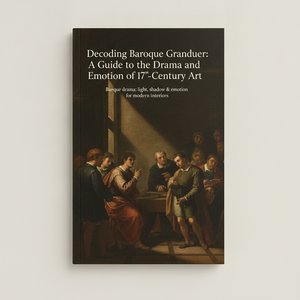
Decoding Baroque Grandeur: A Guide to the Drama and Emotion of 17th-Century Art
Explore the breathtaking drama of 17th-century Baroque art. Our expert guide decodes the use of chiaroscuro, emotional intensity, and historical grandeur to help you appreciate and curate timeless masterpieces for your collection.

