Visualizar em escala
 Enviar
 Compartilhar
 Ver detalhes
 Guia de Obras do Aluno

 Baixar imagem
 Semelhantes
 Raio X
 Apresentação de slides
 Estatísticas
Last Supper
 Oil On Canvas
- WallArt
- High Renaissance
 1713
1713 67.0 x 104.0 cm
 Galeria Nacional de Arte
 Ver mais
Reprodução em Óleo Feita à Mão
Óleo sobre tela pintado à mão no tamanho e moldura de sua escolha, feito sob encomenda pelos nossos artistas. ( Alternar para Impressão Ver Imagem Digital)




P118B €10

P118H €10

P118W €10

P438Z €10

P508JH €12

P508YH €12

P805H €10

P805Z €10

P919BZ €10

P919G €10

P919XJ €10

P959ZH €10

P968JZ €12

W106C €8

W218G €10

W218JH €8

W218Y €10

W307PJ €10

W316G €10

W316PJ €8

W316Y €10

W398PJ €8

W4111J €10

W500HY €15

W500JH €15

W692G €12

W849H €8

W940BG €15

W953PJ €8




Escolha entre os nossos tamanhos pré-definidos que respeitam as proporções originais da obra de arte.

Digite a largura e a altura de que necessita, para se ajustar à sua moldura ou à sua parede. Esta obra é pintada à mão, por isso, para um tamanho com uma proporção diferente, o artista pode pintar um pouco mais ao redor da imagem ou cortar um pouco — você escolhe. Enviamos-lhe uma maquete digital para aprovação antes de a pintura começar. A imagem exibida nesta página não mostra o resultado real — apenas a maquete mostra.
Após o pedido, a equipa OriginalUniqueArt.com enviará um e-mail ao cliente para solicitar instruções e fornecer uma prévia do esboço.
Entrega mundial () em 3 a 4 semanas, em vez das 5 semanas padrão. (24 Outubro). Sem comprometer a qualidade.

Envio expresso gratuito para todo o mundo

Tela de Linho Premium

Seguro de transporte total

Garantia de Reembolso de Impostos Alfandegários

Garantia de Fidelidade de Cor

Política de Devolução em 100 Dias (Apenas para Defeitos)

Garantia de reembolso de 100%

Desconto para múltiplas unidades
 A opção de vidro está disponível apenas para tamanhos inferiores a 110 cm

Last Supper
Técnica de Reprodução
Dimensões da Reprodução
-


Preço Total
€ 263
A Moment Frozen in Time: The Story of the Last Supper
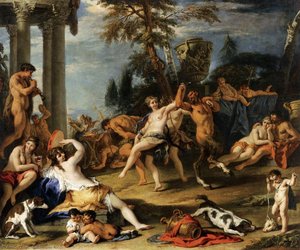
Sebastiano Ricci’s “Last Supper,” a monumental fresco dominating the refectory of Santa Maria delle Grazie in Milan, isn't merely a depiction of a biblical event; it’s a profound exploration of human emotion and betrayal. Painted between 1713 and 1714, this work captures the immediate aftermath of Jesus’ announcement that one among his disciples will betray him – a moment charged with disbelief, apprehension, and simmering resentment. Ricci masterfully conveys the palpable tension in the room, drawing the viewer into the heart of this dramatic exchange. The composition is carefully orchestrated; Jesus sits at the center, radiating an almost serene authority, while the apostles react with a spectrum of responses—shock, denial, suspicion, and outright anger – each face meticulously rendered to reveal their individual personalities and inner turmoil.
The painting’s historical context is crucial to understanding its power. Commissioned during the late Baroque period, Ricci's work reflects the era’s fascination with dramatic narratives and intense emotional expression. The Renaissance ideals of humanism are present, not in a purely idealized form, but through the realistic portrayal of flawed humanity – the vulnerability beneath the bravado, the fear masked by defiance. Ricci was part of a vibrant artistic milieu in Venice, influenced by masters like Dal Simè and Titian, yet he developed a distinct style characterized by a luminous palette and dynamic compositions. His work stands as a bridge between the grandeur of the High Renaissance and the more emotionally charged sensibilities of the Baroque.
Technique and Materials: A Delicate Balance
What sets Ricci’s “Last Supper” apart is not just its subject matter, but also the innovative – and ultimately problematic – techniques he employed. Unlike traditional fresco methods, which involve painting directly onto wet plaster, Ricci utilized tempera on a prepared gesso ground. This allowed for greater flexibility in altering details after the paint had dried, a crucial element for a work of this scale and complexity. However, it also introduced instability; the materials used were not entirely compatible with the wall’s structure, leading to rapid deterioration over centuries. The painting's surface has undergone numerous restorations, each attempting to mitigate the damage caused by humidity, temperature fluctuations, and the inherent fragility of tempera paint.
- The Gesso Ground: A carefully prepared layer of gesso provided a stable base for the pigment.
- Tempera Paint: Ricci used tempera, a fast-drying emulsion of pigments in egg yolk, known for its luminosity and rich colors.
- Pitch and Mastic: These substances were applied to seal the wall and create a barrier against moisture, though they ultimately proved insufficient to protect the delicate paint layer.
Symbolism and Emotional Resonance
Beyond the immediate narrative of betrayal, Ricci’s “Last Supper” is rich in symbolic detail. The arrangement of the apostles around the table reflects their social standing and relationships within the group. Judas Iscariot, often depicted with a subtly averted gaze and a gesture of offering, embodies deceit and treachery. The use of light and shadow – *chiaroscuro* – dramatically emphasizes key figures and creates a sense of drama and psychological intensity. Notice how Ricci uses subtle shifts in color to convey the emotional state of each apostle; the vibrant reds and yellows associated with Jesus contrast sharply with the muted blues and grays used for the disciples, highlighting their internal conflict.
The inclusion of the dog at the bottom left corner is a particularly intriguing detail. While its precise meaning remains debated by art historians, it’s often interpreted as representing loyalty or perhaps even the impending doom that awaits Judas. The overall effect is one of profound emotional depth – a visceral portrayal of human fallibility and the devastating consequences of betrayal.
A Timeless Masterpiece: Reproduction and Legacy
“The Last Supper” remains one of the most studied and admired paintings in the world, captivating viewers with its dramatic composition, masterful technique, and profound emotional resonance. High-quality reproductions capture much of the original’s power, offering a window into this pivotal moment in Christian history. When selecting a reproduction, consider factors such as print quality, color accuracy, and archival suitability to ensure that you are preserving the essence of Ricci's masterpiece for years to come. This iconic image continues to inspire artists, designers, and art lovers alike, solidifying its place as a cornerstone of Western artistic heritage.
Perguntas e Respostas
Para qual tamanho é sugerido "Last Supper" em um(a) Dining Room?
Para um(a) Dining Room, o tamanho de impressão recomendado para "Last Supper" de Sebastiano Ricci é Large.
A que fase da carreira de Sebastiano Ricci corresponde a data de 1713 de "Last Supper"?
"Last Supper", criado em 1713, pertence ao Late Renaissance da carreira de Sebastiano Ricci.
A obra "Last Supper" de Sebastiano Ricci, pertencente ao acervo do Galeria Nacional de Arte, pode ser reproduzida legalmente?
A obra original "Last Supper" encontra-se no Galeria Nacional de Arte, e a obra está em em domínio público - seus direitos autorais expiraram.
Biografia do Artista
A Vida e a Luz de Sebastiano Ricci: Um Mestre do Barroco Veneziano
Sebastiano Ricci, nascido em Belluno, Itália, em 1º de agosto de 1659, e falecido em 15 de maio de 1734, foi uma figura proeminente no cenário artístico veneziano do final do Barroco. Sua obra é caracterizada por uma luminosidade vibrante, composições dinâmicas e um senso de grandiosidade que o estabeleceu como um dos principais expoentes da pintura de afrescos da época. Ricci não apenas dominou a técnica, mas também soube infundir suas criações com uma expressividade emocional que cativava os espectadores.
Formação Artística e Primeiros Passos
A jornada artística de Ricci começou cedo, em 1671, quando foi aprendiz do veneziano Federico Cervelli. Contudo, algumas fontes sugerem que seu primeiro mestre tenha sido Sebastiano Mazzoni. Independentemente da figura inicial, o jovem artista absorveu rapidamente as técnicas e os estilos predominantes na vibrante comunidade artística de Veneza. Uma viagem a Bolonha teve um impacto significativo em sua formação, onde entrou em contato com o estilo de Giovanni Gioseffo dal Sole, cuja influência se manifestaria em suas composições posteriores. Dal Sole, conhecido por seu dinamismo e uso da luz, ajudou a moldar a abordagem vigorosa que viria a definir a obra de Ricci.
O Apogeu da Carreira: Comissões e Obras Emblemáticas
Ricci rapidamente ascendeu na hierarquia artística veneziana, conquistando comissões importantes que lhe permitiram demonstrar seu talento excepcional. Entre suas obras mais notáveis destaca-se Baco e Ariadne, uma pintura que exemplifica a maestria do artista no estilo barroco, com sua composição complexa, cores ricas e figuras expressivas. Outra obra significativa é o Memorial ao Almirante Sir Clowdisley Shovell, um retrato em tela que captura a essência de um momento histórico com notável sensibilidade. Em 1685-1687, Ricci colaborou com Ferdinando Galli-Bibiena na decoração do Oratório da Madonna del Seraglio, recebendo uma generosa quantia de 4.482 liras pelo seu trabalho.
Influências e o Estilo Distintivo de Ricci
A obra de Ricci é um reflexo das diversas influências que moldaram sua visão artística. A influência de Giovanni Gioseffo dal Sole, adquirida durante sua estadia em Bolonha, é evidente no dinamismo e na expressividade de suas composições. No entanto, Ricci não se limitou a imitar seus predecessores; ele desenvolveu um estilo próprio, caracterizado por temas grandiosos, uma paleta luminosa e uma abordagem vigorosa que o diferenciava dos demais artistas da época. Sua habilidade em criar atmosferas envolventes e figuras cativantes o tornou um representante emblemático do Barroco veneziano.
Legado e os Últimos Anos: Reconhecimento Internacional
A carreira artística de Ricci foi marcada por momentos de turbulência, incluindo períodos de prisão e escândalos. Apesar desses desafios, ele continuou a produzir obras notáveis, como Vênus Despedindo-se de Adonis, que demonstra sua habilidade em retratar cenas celestiais com beleza e delicadeza. Em busca de novos horizontes, Ricci aceitou o patrocínio estrangeiro em Londres, onde recebeu uma importante encomenda do Lord Burlington. Sua reputação transcendeu as fronteiras italianas, consolidando seu lugar como um dos grandes mestres do Barroco europeu.
- Explore a obra de Sebastiano Ricci em OriginalUniqueArt.com.
- Descubra mais sobre o Barroco veneziano e suas influências em Wikipedia.
- Conheça outros artistas notáveis do mesmo período, como Luigi Bonazza, em OriginalUniqueArt.com.
Importante: Este artigo é baseado nas informações disponíveis em OriginalUniqueArt.com e pode ser atualizado à medida que novos dados se tornarem disponíveis.

Sebastiano Ricci
1659 - 1734 , Itália
Informações Rápidas
- Artistas Influenciados: ['Marco Ricci']
- Artistas Que O Influenciaram: ['Giovanni Dal Sole']
- Data Da Morte: 15 de maio de 1734
- Data De Nascimento: 1 de agosto de 1659
- Local De Nascimento: Belluno, Itália
- Movimento Artístico: Barroco tardio
- Nacionalidade: Italiano
- Nome Completo: Sebastiano Ricci
- Obras Notáveis:
- Baco e Ariadne
- Vênus se despede
- Sonho de Asclépio
Artigos Relacionados
Leonardo da Vinci: As 25 Obras-Primas que Definem um Gênio | OriginalUniqueArt
Descubra as 25 obras-primas de Leonardo da Vinci! Explore a história, técnica e beleza atemporal de ícones como Mona Lisa e A Última Ceia. Encontre reproduções de arte renascentista de alta qualidade para decorar sua casa com OriginalUniqueArt.com.
Leonardo da Vinci: A Renaissance Master’s Synthesis of Art, Science & Human Observation – Reinterpreted for the Collector
Explore Leonardo da Vinci’s timeless masterpieces with OriginalUniqueArt. Discover insights into his art, science, and legacy – trusted expertise for discerning collectors seeking authentic reproductions & investment opportunities.
Os 25 Tesouros da Galeria Uffizi: Arte Renascentista para Sua Casa | OriginalUniqueArt
Descubra os 25 tesouros da Galeria Uffizi, em Florença! Explore a história de Botticelli, Leonardo da Vinci e Michelangelo. Encontre reproduções de arte renascentista para decorar sua casa com elegância. OriginalUniqueArt.
Renascimento Humanista: 10 Obras-Primas que Moldaram a Arte Moderna | OriginalUniqueArt
Descubra as 10 obras-primas do Renascimento Humanista! Explore a história de Leonardo da Vinci, Michelangelo e Rafael. Encontre reproduções de arte exclusivas para decorar sua casa com elegância. OriginalUniqueArt: beleza atemporal ao seu alcance.
Louvre Paris: As 25 Obras-Primas Essenciais para Sua Casa | OriginalUniqueArt
Descubra as 25 obras-primas do Louvre, Paris! Explore a história de Mona Lisa, Venus de Milo e outros ícones da arte francesa. Encontre reproduções de alta qualidade para decorar sua casa com estilo. OriginalUniqueArt: Arte clássica ao seu alcance.