 Visualizar na parede
 Compartilhar
 Compartilhar
 Detalhes
 Guia
Guia

 Baixar imagem
 Semelhantes
 Raio X
 Ver diaporama
 Perguntas e Respostas
 Estatísticas
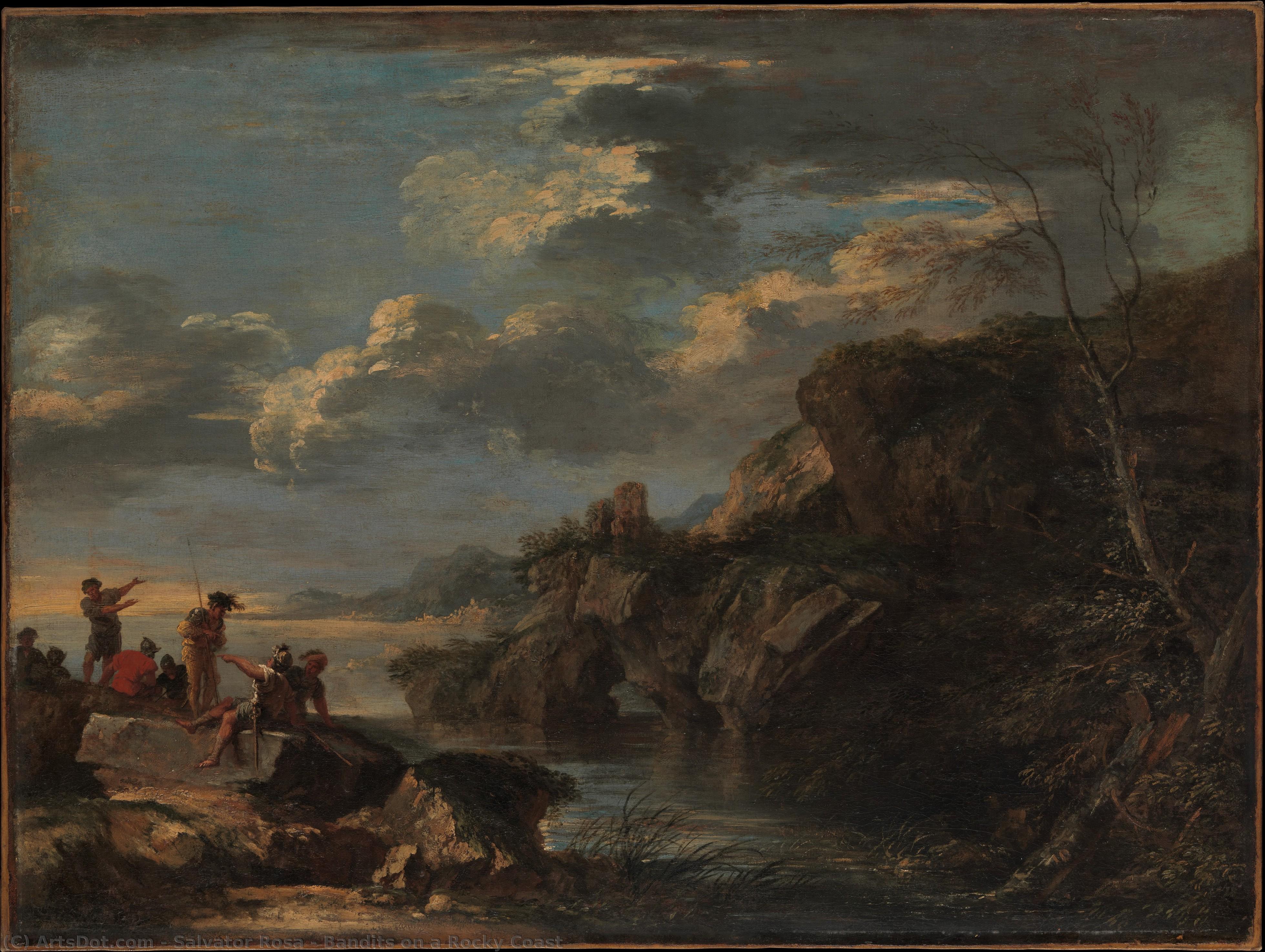
Bandits on a Rocky Coast


 Ler mais
Giclée / Impressão de Arte
Impressão giclée ou em tela de qualidade de museu, com produção rápida e opções flexíveis de acabamento. ( Comprar pintura feita à mão Alternar para Imagem Digital)




P118B €10

P118H €10

P118W €10

P438Z €10

P508JH €12

P508YH €12

P805H €10

P805Z €10

P919BZ €10

P919G €10

P919XJ €10

P959ZH €10

P968JZ €12

W106C €8

W218G €10

W218JH €8

W218Y €10

W307PJ €10

W316G €10

W316PJ €8

W316Y €10

W398PJ €8

W4111J €10

W500HY €15

W500JH €15

W692G €12

W849H €8

W940BG €15

W953PJ €8




Escolha entre os nossos tamanhos pré-definidos que respeitam as proporções originais da obra de arte.

Insira a largura e a altura desejadas para se ajustarem à sua moldura ou parede. Uma impressão pode ser apenas cortada, nunca ampliada além da imagem original; portanto, um tamanho com proporções diferentes resultará na perda de parte da imagem. Enviamos uma maquete digital para sua aprovação antes de realizarmos a impressão. A imagem exibida nesta página não mostra o corte real — apenas a maquete o faz.
Entrega mundial () em 2 semanas, em vez das 4/5 semanas padrão. (4 Novembro)

Envio expresso gratuito para todo o mundo

Tela de Linho de Alta Qualidade

Seguro de transporte completo

Garantia de Reembolso de Impostos Alfandegários

Garantia de Fidelidade Cromática

Política de Devolução em 100 Dias (Apenas para Defeitos)

Garantia de reembolso de 100%

Oferta de desconto por quantidade
 A opção de vidro está disponível apenas para tamanhos inferiores a 110 cm

Bandits on a Rocky Coast
Giclée / Impressão de Arte
Tamanho da Reprodução
-


Preço Total
€ 72
A Dramatic Tableau of Baroque Rebellion
In the mid-17th century, the Italian Baroque era was defined by its thirst for drama, tension, and the sublime. Salvator Rosa’s “Bandits on a Rocky Coast,” painted around 1656, serves as a quintessential emblem of this movement. The scene does not merely present a landscape; it presents a moment frozen in time, where the ruggedness of nature meets the lawlessness of man. A group of bandits—perhaps mercenaries or rebels—perch precariously upon jagged, desolate cliffs that overlook a turbulent coastline. Their postures are heavy with defiance and readiness, capturing a palpable sense of impending confrontation. As one gazes upon this masterpiece, the viewer is drawn into a world of illicit activity and shadows, where every figure seems to hold a secret against the backdrop of an untamed wilderness.
The technical mastery behind this work is nothing short of breathtaking, making it a profound choice for collectors who value the visceral texture of classical oil painting. Rosa employs a masterful use of chiaroscuro, the stark and theatrical contrast between light and dark, to sculpt the figures from the gloom. This technique creates an immersive visual experience, pulling the eye toward the glint of weapons and the weathered faces of the outlaws. Through thick, expressive impasto, the artist lends a physical weight to the rocky terrain, while his use of atmospheric perspective subtly blurs the distant horizon, heightening the sense of isolation and vastness. For an interior designer, this painting offers a commanding presence, providing a focal point that brings depth, movement, and a sophisticated edge to any curated space.
Symbolism and the Turbulent Soul
Beyond its surface-level tension, “Bandits on a Rocky Coast” is deeply embedded with the philosophical anxieties of its time. Rosa was a man of immense intellect—a poet and polymath whose work often touched upon the darker aspects of the human condition. The painting reflects the turbulent political climate of 17th-century Italy, an era marked by instability and shifting power dynamics. There is a subtle, intellectual layer to the composition that hints at Pythagorean philosophy, specifically the concept of descent into darkness followed by rebirth. This theme of struggle and resilience is mirrored in the very landscape itself; the jagged rocks and heavy, clouded skies serve as metaphors for the internal conflicts of the human spirit.
To possess a reproduction of this work is to invite a conversation about strength, mystery, and the beauty found in the untamed. The emotional impact of the piece lies in its ability to evoke both awe and unease. It is a painting that refuses to be ignored, demanding contemplation of the boundary between civilization and chaos. Whether placed in a private study or a grand living hall, this artwork serves as a window into the rebellious spirit of Salvator Rosa, offering an enduring sense of drama and historical gravity that continues to captivate the modern eye.
Perguntas e Respostas
Em que ano foi criado "Bandits on a Rocky Coast"?
"Bandits on a Rocky Coast", de Salvador Rosa foi criado em 1656.
A obra "Bandits on a Rocky Coast", de Salvador Rosa, pertencente ao acervo do Museu Metropolitano de Arte, pode ser reproduzida legalmente?
A obra original "Bandits on a Rocky Coast" encontra-se no Museu Metropolitano de Arte, e a obra está em em domínio público — seus direitos autorais expiraram.
Como posso descobrir obras de arte semelhantes a "Bandits on a Rocky Coast", de Salvador Rosa?
A página Obras semelhantes de "Bandits on a Rocky Coast", de Salvador Rosa apresenta obras relacionadas.
Biografia do Artista
Salvator Rosa
Salvator Rosa (Arenella, Nápoles, 20 de junho ou 21 de julho de 1615 — Roma, 15 de março de 1673) foi um pintor, poeta, ator e músico italiano do período barroco. Atuou em Nápoles, Roma e Florença. Como pintor ficou especialmente conhecido por seu estilo “heterodoxo e extravagante”, além de ser um “eterno rebelde” e um quase-romântico. Sua obra é marcada pela busca constante por liberdade artística e uma profunda conexão com a natureza selvagem, características que o consagraram como um dos artistas mais originais do século XVII.Primeiros anos e treinamento
Rosa nasceu em Arenella, à época na periferia de Nápoles, ou em 20 de junho ou 21 de julho de 1615. Sua mãe foi Giulia Greca Rosa, membra da família Greek da Sicília. Seu pai foi Vito Antonio de Rosa, um controlador de fazendas, que insistia com que seu filho se tornasse um advogado ou um padre, e o levou a entrar no convento dos Padres Somaschi. No entanto, Rosa preferia as artes desde cedo e em segredo trabalhou com seu tio materno Paolo Grego para aprender pintura. Depois, foi tutelado por seu cunhado, Francesco Fracanzano, um estudante de Ribera, e depois por Aniello Falcone, um contemporâneo de Domenico Gargiulo, ou Ribera. Alguma fontes alegam que ele viveu com bandidos de estrada. Quando ele tinha dezessete anos, seu pai morreu; sua mãe ficou empobrecida com cinco filhos e Rosa viu-se sem apoio financeiro e o chefe da família, dependente dele. Sua formação artística inicial foi influenciada pelo estilo naturalista de José de Ribera, um pintor espanhol que dominou técnicas inovadoras para a época.Vida adulta e carreira artística
Rosa continuou aprendendo com Falcone, ajudando-o a completar suas telas de batalha. Nesse estúdio, Lanfranco notou seu trabalho e o aconselhou a se mudar para Roma, onde ficou de 1634 a 1636. Voltando a Nápoles, começou a pintar paisagens assustadoras, cobertas de vegetação, ou praias irregulares, montanhas e cavernas. Rosa foi uma das primeiras pessoas a pintar paisagens “românticas”, com especial destaque para cenas de cenas pitorescas, muitas vezes turbulentas e acidentadas, povoadas por pastores, bandidos, marinheiros e soldados. Essas paisagens primitivas foram vendidas a preços baixos por revendedores particulares. Ele retornou a Roma em 1638-1639, onde foi acolhido pelo cardeal Francesco Maria Brancaccio, bispo de Viterbo. Durante uma peça de carnaval romana, ele escreveu e atuou em uma peça, na qual seu personagem se movimentava sobre Roma distribuindo prescrições satíricas para doenças do corpo e, mais particularmente, da mente. Em Roma, ele fez amizade com Pietro Testa e Claude Lorrain. Embora suas peças tenham sido bem-sucedidas, essa atividade também lhe valeu inimigos poderosos entre clientes e artistas, incluindo o próprio Bernini. Por volta de 1640, ele aceitou um convite de Giovanni Carlo de’ Medici] para se mudar para Florença, onde ficou até 1649. Uma vez lá, Rosa patrocinou uma combinação de estúdio e salão de poetas. , dramaturgos e pintores - a chamada Accademia dei Percossi (Academia dos Feridos). Para o meio rígido da arte de Florença, ele apresentou suas telas de paisagens selvagens; embora influente, ele reuniu poucos alunos verdadeiros. Sua obra mais famosa é Pythagoras Emerging From The Underworld (kimbell art museum, fort worth, united states), uma pintura que combina elementos filosóficos e paisagens dramáticas. Além disso, ele criou obras como The Baptism Of The Eunuch (chrysler museum of art, norfolk, united states), que demonstra sua habilidade em transmitir emoção e drama em histórias bíblicas aparentemente simples.Influências e legado
Salvator Rosa desafiou as convenções estéticas de seu tempo e estabeleceu um estilo único que o diferenciava dos artistas contemporâneos. Sua obra foi influenciada pelo naturalismo de Ribera e pela clássica beleza de Poussin, mas ele rejeitou qualquer estilo ou movimento específico. Ele é considerado um precursor do Romantismo por sua abordagem inovadora à paisagem e pela expressão emocional em suas pinturas. Sua influência pode ser vista nas obras de artistas posteriores como Luca Giordano, que continuaram a explorar temas semelhantes. Rosa permanece uma figura enigmática na história da arte barroca, cuja obra inspira artistas e amantes da arte até hoje.Principais obras
Entre suas principais obras destacam-se:
Salvador Rosa
1615 - 1673 , Sicília
Dados Rápidos
- Artistic Movement Or Style: Barroco
- Artists Or Movements Influenced By This Artist: ['Romanticismo']
- Artists Who Influenced This Artist: ['José de Ribera']
- Date Of Birth: Jun 20, 1615
- Full Name: Salvator Rosa
- Nationality: Italiano
- Notable Artworks:
- Vista do Golfo Salerno
- Estudo para "Il Genio di Rosa"
- Gruta com Cascadas
- Place Of Birth: Arenella, Sicília
Artigos Relacionados

Salvator Rosa: A Baroque Rebel's Vision of Landscape, Allegory & the Human Condition
Explore the captivating world of Salvator Rosa, a rebellious Baroque master. Discover his dramatic landscapes, allegorical paintings & lasting influence on Romanticism. Hand-painted reproductions available at OriginalUniqueArt.
Shadow, Light, and Spectacle: The Dramatic Evolution of Baroque Landscape Painting
Explore the breathtaking drama of Baroque landscapes. Our expert guide delves into the interplay of light and shadow in 17th-century masterpieces. Discover art history and find museum-quality, hand-painted oil reproductions to bring classical grandeur to your home.

Drama and Light: A Definitive Guide to the Italian Baroque Masterpieces and the Revolution of Chiaroscuro
Explore the dramatic world of Italian Baroque art. Discover how masters like Caravaggio used chiaroscuro and tenebrism to revolutionize painting through light, shadow, and profound realism. A definitive guide for history lovers and art collectors.
Epic Drama & Dark Vibes: The Ultimate Collector's Guide to Baroque Landscapes
Master the art of drama with our ultimate guide to Baroque landscapes. Discover the power of chiaroscuro, explore legendary masters, and learn how to curate epic, dark-vibe masterpieces for your collection with expert insights from OriginalUniqueArt.

Drama in Nature: The Captivating Grandeur of Baroque Landscapes and the Art of Emotional Spectacle
Explore the breathtaking drama of Baroque landscapes. From Rubens's grand vistas to the mastery of chiaroscuro, discover how 17th-century artists transformed nature into a theatrical stage of emotion and light. A deep dive for true art enthusiasts.


