Contemporary Minimalism · 2010
Untitled (Rudolf Stingel, 2010)
Rudolf Stingel (1956) criou Untitled. Data de 2010. Pertence ao movimento Contemporary Minimalism. É feito em Acrylic On Canvas. Está conservada no Palazzo Grassi, em Veneza, Itália. Mede 40 × 33 cm.
- 2010
- Acrylic On Canvas
- 40 × 33 cm
- Palazzo Grassi, Veneza

 Visualizar na parede

 Pintura a Óleo Feita à Mão
 Compartilhar
 Compartilhar
 Ficha técnica


 Baixar imagem
 Semelhantes
 Raio X
 Ver diaporama
 Perguntas e Respostas

 Estatísticas
Untitled, em resumo
- Título
- Untitled
- Artista
- Rudolf Stingel (1956)
- Artista nascido em
- Merano, Itália
- Data
- 2010
- Técnica
- Acrylic On Canvas
- Dimensões
- 40 × 33 cm
- Onde ver
- Palazzo Grassi, Veneza, Itália
- Movimento
- Contemporary Minimalism
- Tema
- texture, monochrome, sculpture, rhino, geometric, impasto
O que Untitled retrata?
Rudolf Stingel’s ‘Untitled’: A Dialogue Between Medieval Iconography and Industrial Texture
Rudolf Stingel's oeuvre defies easy categorization, presenting an artist who consistently interrogates the boundaries between art and everyday life. His work isn’t merely aesthetically pleasing; it compels viewers to contemplate their own perceptions of beauty and artistic process—a deliberate provocation that distinguishes him from many contemporary practitioners. This essay delves into the conceptual core of ‘Untitled,’ examining its striking monochrome sculpture, exploring its fusion of disparate influences, and uncovering the profound emotional resonance embedded within its textured surface.The Sculpture’s Genesis: Material Transformation
Stingel's artistic approach begins with a radical reimagining of conventional materials. Rather than relying on traditional mediums like oil paint or marble, he utilizes industrial components—primarily styrofoam and cast polyurethane—to construct monumental sculptures that challenge preconceived notions about artistic expression. This deliberate selection speaks to Stingel’s fascination with the intersection between craft and industry, mirroring the broader cultural shift towards embracing repurposed materials and questioning established hierarchies within the art world. The process itself is equally significant: Stingel meticulously carves out geometric forms from these blocks of polyurethane, imprinting them with intricate patterns reminiscent of medieval iconography—a deliberate juxtaposition designed to disrupt visual expectations.Medieval Echoes: Symbolism and Iconographic Influence
The sculpture’s surface bears unmistakable traces of religious symbolism. Recurring motifs – crosses, halos, and stylized figures – echo the traditions of European art history, specifically referencing Byzantine icons and Renaissance frescoes. Stingel isn't attempting a literal representation; instead, he employs these symbols as points of reference to stimulate contemplation about faith, spirituality, and the enduring power of visual imagery. This layering of references elevates ‘Untitled’ beyond mere sculptural form, transforming it into a vehicle for conveying complex ideas about cultural heritage and artistic interpretation. The artist’s intention is not simply to reproduce recognizable images but to engage in a dialogue with art history itself.Texture as Emotional Resonance: Technique and Material Exploration
The sculpture's surface possesses an extraordinary tactile quality—a deliberate departure from the smooth, polished finishes typical of classical sculpture. Stingel employs a technique known as ‘carving out,’ where he removes material from the polyurethane block to reveal underlying textures that are then painstakingly smoothed and polished. This process creates surfaces that appear both monumental and subtly vulnerable, mirroring the artist’s exploration of materiality as an expressive medium. The resulting texture is deliberately uneven, capturing the marks of the carving process and emphasizing the physicality of the artwork—a conscious decision to counteract the perceived detachment of abstract sculpture and foster a connection between viewer and object.A Reflection on Perception: Artistic Intent
Ultimately, ‘Untitled’ serves as a meditation on how we perceive art and its relationship to our environment. Stingel's masterful manipulation of industrial material alongside classical iconography compels us to reconsider what constitutes beauty and artistic significance. The sculpture invites viewers to engage in an active process of interpretation—to consider the interplay between tradition and innovation, materiality and symbolism. It’s a testament to Stingel’s belief that art should provoke thought and emotion, pushing beyond mere visual gratification toward a deeper understanding of human experience.Concluding Thoughts: Beyond Representation
‘Untitled’ exemplifies Stingel's commitment to conceptual painting and installations—a genre characterized by its focus on ideas rather than literal depictions. He prioritizes the process of creation itself, demonstrating how readily available materials can be transformed into artworks that resonate with profound emotional depth. By juxtaposing industrial texture with religious iconography, Stingel compels us to confront our assumptions about art’s role in shaping cultural consciousness—a legacy that secures his place as one of the most distinctive voices in contemporary sculpture.Em qual museu se encontra Untitled?
Palazzo Grassi
Veneza, Itália
Uma Obra-Prima Veneziana Reimaginada: A Alma do Palazzo Grassi No coração de Veneza, onde o Grande Canal sussurra segredos de um império marítimo de outrora, ergue-se o Palazzo Grassi — uma estrutura que serve como uma ponte deslumbrante entre a elegância clássica do século XVIII e o pulso provocativo da era contemporânea. Cruzar o seu limiar é entrar num espaço onde a história não reside meramente no passado, mas conversa ativamente com o presente. Originalmente concebido pelo arquiteto Giorgio Massari para a aristocrática família Grassi, o palácio foi projetado como uma afirmação refinada da grandeza Neoclássica.


Imagens em alta resolução de Untitled

Protected by copyright: these files are for personal reference, not a licence to republish.
Rudolf Stingel, Untitled (2010), Palazzo Grassi.
Perguntas sobre Untitled respondidas
Onde "Untitled", de Rudolf Stingel está em exibição hoje?
A obra original "Untitled", de Rudolf Stingel encontra-se no Palazzo Grassi, Veneza, Itália. Uma reprodução permite que a obra seja exibida em sua casa.
Em que ano foi criada a obra "Untitled", de Rudolf Stingel?
"Untitled", de Rudolf Stingel foi criado em 2010.
Qual técnica foi utilizada em "Untitled", de Rudolf Stingel?
"Untitled" é executada em Acrylic On Canvas.
Quais são as dimensões de "Untitled", de Rudolf Stingel na vida real?
As dimensões registradas de "Untitled", de Rudolf Stingel são 33 x 40 cm. Reproduções podem ser encomendadas em outros tamanhos, mantendo as mesmas proporções.
O que representa "Untitled"?
"Untitled", de Rudolf Stingel retrata: texture, monochrome, sculpture, rhino, geometric, impasto, religion.
A imagem de "Untitled", de Rudolf Stingel pode ser reproduzida livremente?
Informação de direitos autorais para "Untitled", de Rudolf Stingel: a obra está em ainda protegido por direitos autorais. Isso determina se reproduções da imagem podem ser feitas livremente.
Quem criou "Untitled"?
O artista por trás de "Untitled" é Rudolf Stingel. A obra está catalogada sob o nome de Rudolf Stingel.
A qual estilo pertence "Untitled"?
"Untitled", de Rudolf Stingel pertence ao movimento Contemporary Minimalism. Este movimento fornece o contexto estilístico da obra.
A que período da carreira de Rudolf Stingel pertence "Untitled"?
Dentro da trajetória de Rudolf Stingel, "Untitled" pertence ao período Late Period. Esta fase permite compará-la com outras obras do artista.
Sobre o artista, Rudolf Stingel
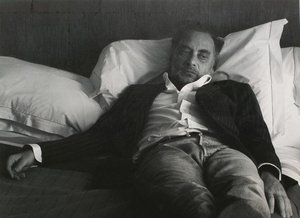
1956, Itália
Rudolf Stingel
Rudolf Stingel: Uma Biografia Nascimento: Merano, Itália (1956) Residência Atual: Nova York, EUA Nacionalidade: Italiana Primeiros Anos e Desenvolvimento Artístico Rudolf Stingel emergiu como uma figura de relevância na cena artística do final dos anos 1980. Inicialmente reconhecido por suas pinturas monocromáticas, estas obras, produzidas principalmente entre 1987 e 1994, apresentavam superfícies prateadas com sutis nuances de vermelho, amarelo ou azul. Este período inicial estabeleceu o interesse de Stingel em explorar a superfície e a percepção sensorial. Seu desenvolvimento artístico tomou um rumo crucial na década de 1990, quando ele começou a experimentar cores e texturas mais vibrantes.
Ensaios sobre Untitled
 Spontaneity and Matter: Distinguishing CoBrA from Art InformelMaster the differences between CoBrA and Art Informel with our expert guide. Learn to identify these post-war movements today.
 10 Iconic Masterpieces Defining the Contemporary Art EraExplore 10 iconic works defining the contemporary era. Discover museum-quality masterpieces on OriginalUniqueArt.com.
 Color & Emotion: The 25 Most Iconic Masterpieces by Mark RothkoImmerse yourself in the profound emotion of Abstract Expressionism. Explore 25 iconic Mark Rothko masterpieces, from his signature color fi…