

 Visualizar em escala
 Enviar
 Compartilhar
 Ver detalhes

 Baixar imagem
 Semelhantes
 Raio X
 Apresentação de slides
 Estatísticas
Still Life
 Other
Other 32.0 x 24.0 cm
 The Museum
 Ver mais
Giclée / Impressão de Arte
Impressão giclée ou em tela de qualidade de museu, com produção rápida e opções flexíveis de acabamento. ( Encomendar reprodução pintada à mão Ver Imagem Digital)




P118B $10

P118H $10

P118W $10

P438Z $10

P508JH $12

P508YH $12

P805H $10

P805Z $10

P919BZ $10

P919G $10

P919XJ $10

P959ZH $10

P968JZ $12

W106C $8

W218G $10

W218JH $8

W218Y $10

W307PJ $10

W316G $10

W316PJ $8

W316Y $10

W398PJ $8

W4111J $10

W500HY $15

W500JH $15

W692G $12

W849H $8

W940BG $15

W953PJ $8




Escolha entre os nossos tamanhos pré-definidos que respeitam as proporções originais da obra de arte.

Você pode inserir suas próprias dimensões para se ajustar a uma moldura ou espaço específico. Se o tamanho selecionado não corresponder às proporções da imagem original, iremos recortar a obra de arte ou estender a imagem com uma borda espelhada ou preenchimento sólido. Um mockup digital será enviado para sua aprovação antes do início da produção.
Por favor, observe que a visualização na tela não reflete o recorte ou a extensão real. Apenas o mockup mostrará com precisão a composição final.
Embora tamanhos personalizados estejam disponíveis, recomendamos selecionar uma dimensão da lista predefinida para preservar as proporções originais.
Entrega mundial () em 2 semanas, em vez das 4/5 semanas padrão. (16 Setembro)

Envio expresso gratuito para todo o mundo

Tela de Linho Premium

Seguro de transporte total

Garantia de Reembolso de Impostos Alfandegários

Garantia de Fidelidade de Cor

Política de Devolução em 100 Dias (Apenas para Defeitos)

Garantia de reembolso de 100%

Desconto para múltiplas unidades
 A opção de vidro está disponível apenas para tamanhos inferiores a 110 cm

Still Life
Giclée / Impressão de Arte
Dimensões da Reprodução
-


Preço Total
$ 80
Biografia do Artista
Rudolf Helmut Sauter: Bridging Impressionism and Symbolism
Rudolf Helmut Sauter (1895-1977) stands as a fascinating figure in German art history, embodying the transition between Impressionistic explorations of light and color and the burgeoning Symbolist movement’s preoccupation with emotion and psychological depth. Born in Munich, he honed his artistic skills initially through apprenticeship under Ludwig von Löfftz at the Royal Academy of Fine Arts, absorbing influences from both classical tradition and the revolutionary aesthetic currents shaping Europe at the turn of the century. This formative period instilled a meticulous attention to detail and compositional balance – qualities that would characterize his distinctive oeuvre.- Early Influences: Sauter’s artistic journey began with a grounding in landscape painting, mirroring the Romantic spirit prevalent during his youth. However, he swiftly embraced Impressionistic techniques, particularly evident in his early landscapes depicting Bavarian scenery.
- London Years and Artistic Circle: Moving to London in 1889, Sauter joined a vibrant artistic community comprised of fellow painters like Hubert Herkomer, John Lavery, and George Frederick Watts. This exposure broadened his horizons and fostered collaborations that enriched his creative vision. Notably, he befriended Joseph Conrad and James Abbott McNeill Whistler, artists who championed aesthetic ideals prioritizing emotional resonance over mere visual representation – principles that would profoundly impact Sauter’s subsequent work.
The Symbolist Embrace: Exploring Inner Landscapes
Sauter's artistic trajectory decisively shifted towards Symbolism around 1905, coinciding with his encounter with Whistler and the burgeoning interest in psychological introspection within the art world. This stylistic embrace marked a departure from Impressionistic objectivity, prioritizing subjective experience and conveying moods rather than capturing literal appearances. His paintings became infused with evocative colors and textures designed to evoke emotional responses in the viewer—a hallmark of Symbolist aesthetics. The influence of Whistler’s compositional innovations is palpable in Sauter's canvases, particularly his monumental “The Bridal Morning,” which secured a prestigious second prize at the Carnegie Art Institute exhibition of 1908.- Notable Works: Sauter’s celebrated paintings include “Still Life” – a masterful demonstration of meticulous observation and tonal gradation—and portraits capturing the essence of prominent figures like Georg Sauter (his father), Konrad Adenauer, and Carl Duisberg.
- Technique and Style: Sauter's artistic technique involved painstaking layering of glazes and impasto, creating surfaces rich in texture and luminosity. He skillfully employed charcoal drawings to convey nuanced expressions and psychological states, reflecting Whistler’s commitment to capturing inner realities alongside external appearances.
Recognition and Legacy: A Bavarian Professor's Artistic Contribution
Sauter’s artistic achievements garnered considerable acclaim during his lifetime, culminating in honorary citizenship of Friedrich Schiller University, Jena—a testament to his enduring influence on the intellectual landscape of Weimar Classicism. He was awarded numerous medals from international exhibitions and recognized as a Royal Bavarian professor, cementing his position as a respected figure within the German art community. His dedication to artistic excellence extended beyond painting; he served as a founding member of the International Society of Sculptors, Painters and Gravers and held positions on advisory boards for prestigious institutions like the Vienna Secession and Société Royale des Beaux Arts in Brussels. Sauter’s legacy resides not only in his captivating artworks but also in his role as a champion of artistic innovation and intellectual discourse—a figure who bridged the gap between Impressionism and Symbolism, leaving an indelible mark on German art history.Further Exploration
For more information about Rudolf Helmut Sauter’s life and work, consult scholarly resources such as Ulrich Thieme's Allgemeines Lexikon der Bildenden Künstler von der Antike bis zur Gegenwart (Vol. 29) and Hans Vollmer at all’s Allgemeines Lexikon der Künstler. These publications offer comprehensive biographical details and critical analyses of Sauter’s artistic output.
rudolf helmut sauter
1895 - 1977
Informações Rápidas
- Artistic Movement Or Style: Early 20th Century
- Artists Or Movements Influenced By This Artist: ['Georg Sauter']
- Artists Who Influenced This Artist: ['James Whistler']
- Date Of Birth: 1895
- Date Of Death: 1977
- Full Name: Rudolf Helmut Sauter
- Nationality: German
- Notable Artworks:
- The Bridal Morning
- Leeds Picture
- Place Of Birth: Munich, Germany
Artigos Relacionados
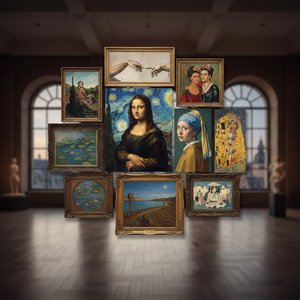
Top 10 Obras-Primas em Óleo que Revolucionaram a História da Arte | OriginalUniqueArt
Descubra as 10 obras primas em óleo que moldaram a história da arte! Explore Van Gogh, Monet, Da Vinci e outros mestres. Reproduções de alta qualidade para sua decoração. Explore a coleção completa na OriginalUniqueArt.com

Oil on Canvas: A Historical & Technical Exploration of a Timeless Artistic Medium
Explore the rich history & enduring techniques of oil painting on canvas. Discover the science behind its longevity, conservation practices, and contemporary relevance. Expert insights for art enthusiasts.

O Legado Duradouro da Pintura a Óleo sobre Tela: Técnica, História e Prática Contemporânea
Explore a história e as técnicas da pintura a óleo com especialistas. Descubra os mestres, materiais essenciais e o futuro desta arte atemporal. Reproduções de qualidade museológica.

The Enduring Legacy of Oil on Canvas: Technique, History & Aesthetic Impact
Explore the rich history & techniques of oil painting – from Renaissance masters to Impressionism. Discover pigments, layering methods, and why this timeless medium endures. Expert insights for artists & art enthusiasts.

The Soul of Impressionism: Why Oil on Canvas Captures Eternal Light and Timeless Emotion
Discover the enchanting alchemy of Impressionism. Explore how the mastery of oil on canvas, through glazing and impasto, captures eternal light and emotion. Perfect for lovers of Monet and Van Gogh seeking the profound depth of hand-painted fine art.