 Visualizar em escala
 Enviar
 Compartilhar
 Ver detalhes

 Baixar
 Semelhantes
 Raio X
 Apresentação de slides
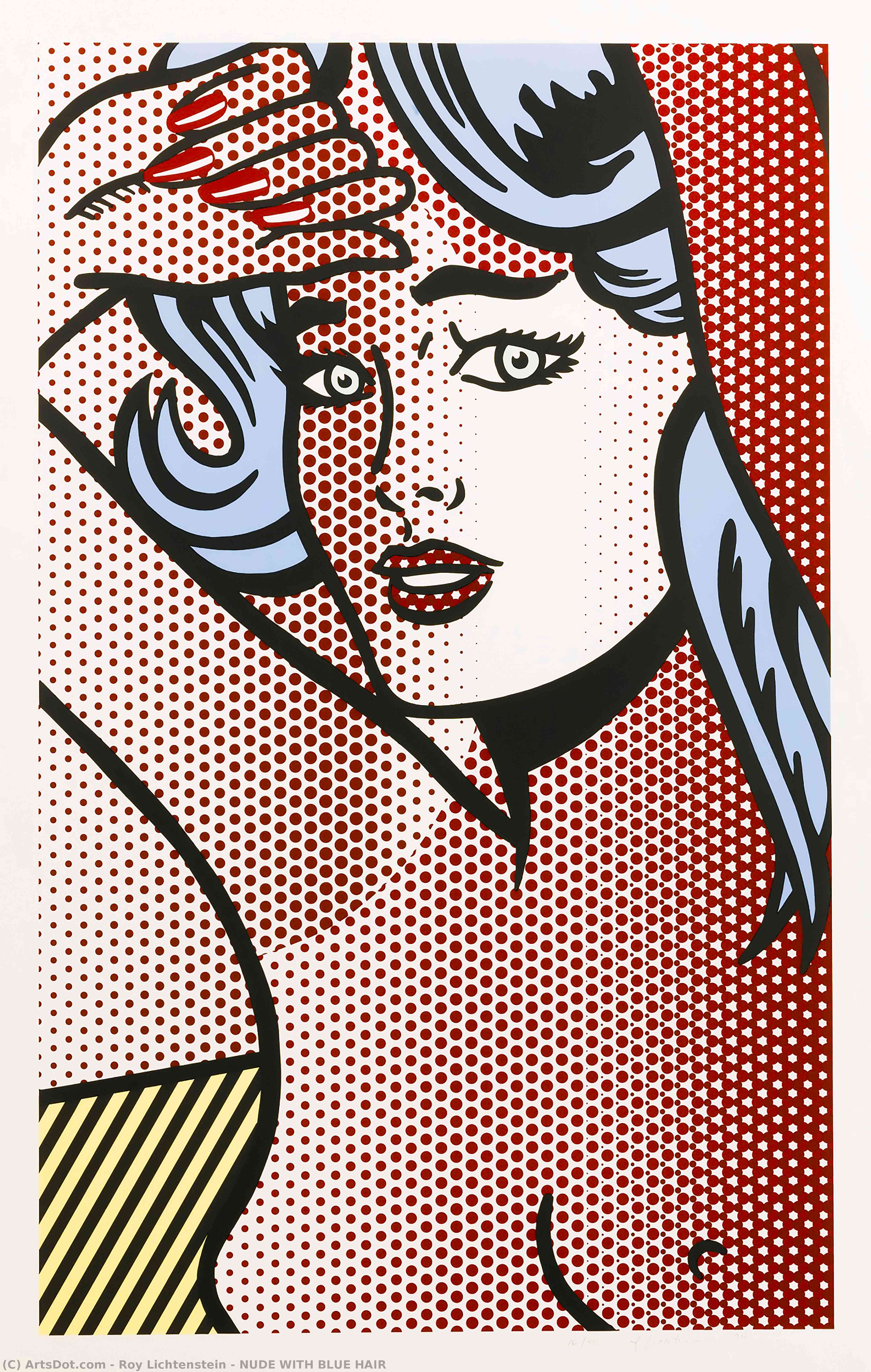
Nude com Cabelo Azul
 Tinta sobre papel
- Pop Art
 1994
1994- Modernismo
 129.0 x 80.0 cm
 Ver mais
Reprodução em Óleo Feita à Mão
Óleo sobre tela pintado à mão no seu tamanho e moldura, feito sob encomenda pelos nossos artistas. ( Comprar impressão Comprar imagem)




P118B $10

P118H $10

P118W $10

P438Z $10

P508JH $12

P508YH $12

P805H $10

P805Z $10

P919BZ $10

P919G $10

P919XJ $10

P959ZH $10

P968JZ $12

W106C $8

W218G $10

W218JH $8

W218Y $10

W307PJ $10

W316G $10

W316PJ $8

W316Y $10

W398PJ $8

W4111J $10

W500HY $15

W500JH $15

W692G $12

W849H $8

W940BG $15

W953PJ $8




Escolha entre os nossos tamanhos pré-definidos que respeitam as proporções originais da obra de arte.

Pode inserir as suas próprias dimensões para se adequar a uma moldura ou espaço específico. Se o tamanho selecionado não corresponder às proporções da imagem original, iremos cortar a obra de arte ou estender a pintura com elementos adicionais pintados à mão. Um esboço digital será enviado para sua aprovação antes do início da produção.
Tenha em atenção que a pré-visualização no ecrã não reflete o corte ou extensão real. Apenas o esboço mostrará com precisão a composição final.
Embora tamanhos personalizados estejam disponíveis, recomendamos selecionar uma dimensão da lista predefinida para preservar as proporções originais.
Após o pedido, a equipa OriginalUniqueArt.com enviará um e-mail ao cliente para solicitar instruções e fornecer uma prévia do esboço.
Entrega mundial () em 3 a 4 semanas, em vez das 5 semanas padrão. (13 Agosto). Sem comprometer a qualidade.

Envio Expresso Gratuito para todo o Mundo

Tela de Linho Premium

Seguro de transporte total

Garantia de Reembolso de Impostos Alfandegários

Garantia de Fidelidade de Cor

Política de Devolução de 60 Dias (Apenas para Defeitos)

Garantia de reembolso de 100%

Desconto para múltiplas unidades
 A opção de vidro está disponível apenas para tamanhos inferiores a 110 cm

Nude com Cabelo Azul
Técnica de Reprodução
Dimensões da Reprodução
-


Preço Total
$ 300
Descrição da Obra
Assunto e Composição
Esta obra de arte impactante captura um retrato estilizado de uma mulher com cabelos azuis cativantes, renderizada com uma estética audaciosa e gráfica. O olhar direto da figura e sua expressão levemente provocativa evocam uma sensação de confiança e fascínio, convidando os espectadores para um momento íntimo. O gesto de sua mão e o movimento de seus cabelos fluídos adicionam um dinamismo que emoldura seu rosto, enfatizando sua personalidade única. A composição concentra-se em seu rosto, criando um ponto focal envolvente que comanda a atenção e desperta a curiosidade.Estilo Artístico e Técnica
Criada em 1994, esta peça exemplifica o domínio de Roy Lichtenstein sobre a Pop Art, fundindo técnicas de arte comercial com sensibilidades das belas artes. A obra utiliza campos de cores vibrantes e planos, contornos pretos espessos e padrões de pontos de meio-tom — marcas registradas da estética das histórias em quadrinhos. O uso dos pontos Ben-Day cria um efeito de sombreamento texturizado, conferindo profundidade e volume sem a necessidade de pinceladas tradicionais. A paleta de cores limitada, porém impactante — dominada por tons de azul, vermelho, preto e branco — intensifica a clareza gráfica e o impacto visual da obra.Contexto Histórico e Significado Artístico
Produzida durante o auge do movimento Pop Art, esta obra reflete a fascinação de Lichtenstein pela mídia de massa, pela cultura de consumo e pelo gênero das histórias em quadrinhos. Seu uso inovador de técnicas de impressão comercial desafiou as noções tradicionais de belas artes, elevando a imagética popular ao status de dignidade museológica. Esta peça exemplifica a habilidade do artista em fundir a alta arte com a cultura popular, fazendo uma declaração audaciosa sobre percepção, identidade e o poder da linguagem visual.Simbolismo e Impacto Emocional
As cores vibrantes do retrato e sua expressão confiante simbolizam a feminilidade moderna, a força e a sensualidade. O olhar intenso e a pose provocativa evocam sentimentos de empoderamento e sedução, ressoando emocionalmente com o público. O estilo lúdico, porém sofisticado, convida à contemplação sobre a intersecção entre beleza, influência midiática e identidade pessoal. É uma obra envolvente que não apenas embeleza um espaço, mas também estimula conversas sobre a cultura contemporânea e a inovação artística.Perfeita para Colecionismo e Design de Interiores
Esta reprodução de alta qualidade é ideal para colecionadores de arte, designers de interiores e entusiastas que buscam uma peça de destaque que combine sofisticação artística com impacto visual. Seu estilo gráfico audacioso complementa ambientes modernos, contemporâneos e ecléticos, adicionando um toque de elegância da cultura pop. Seja exibida em uma sala de estar, galeria ou escritório, esta obra promete ser um ponto focal cativante que inspira e envolve todos aqueles que a contemplam.Biografia do Artista
The Genesis of a Pop Visionary
Roy Fox Lichtenstein, born in the vibrant metropolis of New York City on October 27, 1923, indelibly altered the landscape of twentieth-century art. Emerging as a pivotal figure within the Pop Art movement, Lichtenstein didn’t simply reflect his era; he actively interrogated it, transforming commonplace imagery into compelling artistic statements. His upbringing in an upper-middle-class Jewish family fostered both a cultural awareness and an early artistic inclination. Childhood exposure to museums and concerts, coupled with a deep appreciation for jazz music, laid the groundwork for a creative spirit that would challenge conventional notions of fine art. Though initially drawn to realistic drawing and painting during his formative years, Lichtenstein’s formal training commenced at the Art Students League in 1939 under Reginald Marsh, followed by studies at Ohio State University – interrupted briefly by wartime service in the Army. These experiences provided a robust technical foundation that would later be brilliantly re-contextualized through the lens of mass culture and commercial aesthetics. The seeds of his signature style weren’t sown within the hallowed halls of artistic tradition but rather in the often-overlooked world of everyday imagery, particularly comic books and advertising.From Abstraction to Appropriation: A Pivotal Shift
Lichtenstein's early work demonstrated a clear engagement with Abstract Expressionism, mirroring the dominant aesthetic trends of the post-war period. However, this phase proved transitional, a stepping stone towards his revolutionary style. A crucial moment arrived during his tenure at Rutgers University where he encountered Allan Kaprow, whose influence reignited Lichtenstein’s interest in proto-pop imagery. This encounter sparked a critical shift in his artistic trajectory, leading him to question the established boundaries between “high” and “low” art. He began looking beyond the subjective expression of Abstract Expressionism towards the objective language of popular culture – specifically, comic books and advertising. The year 1961 marked a turning point with *Look Mickey*, a work that boldly appropriated characters from Disney comics, signaling the beginning of his signature style. This wasn’t mere imitation; it was an act of artistic re-evaluation, elevating commonplace imagery to the status of fine art. He didn't simply copy comic strips; he meticulously recreated them using techniques mimicking commercial printing processes, a deliberate blurring of the lines between original artwork and mass production. This appropriation wasn’t about celebrating consumerism uncritically but rather examining its pervasive influence on American society and challenging traditional artistic hierarchies.The Language of Ben-Day Dots and Bold Lines
Lichtenstein's artistic vocabulary is instantly recognizable: bold, primary colors, thick black outlines, and most famously, Ben-Day dots – a technique borrowed directly from the mechanical reproduction of comic books. These dots weren’t merely decorative; they were integral to his conceptual framework, representing the very process of mass production and challenging the traditional emphasis on the artist's hand. His paintings often enlarged details from comic strips to monumental scale, forcing viewers to confront the aesthetic qualities of an art form typically dismissed as trivial. Works like *Whaam!* (1963), *Drowning Girl* (1963), and *Oh, Jeff…I Love You, Too…But…* (1964) became iconic representations of Pop Art, capturing the anxieties and desires of a rapidly changing consumer culture. These weren’t simply depictions of comic book scenes; they were commentaries on themes of war, romance, and societal expectations, filtered through the visual language of mass media. He aimed to strip away any pretense of artistic subjectivity, presenting his work as objective reflections of American society – a mirror held up to its own manufactured reality. The deliberate flatness and lack of painterly gesture further emphasized this detachment, mimicking the impersonal nature of commercial printing.Major Achievements and Lasting Impact
Roy Lichtenstein’s influence extends far beyond the realm of painting. His innovative use of commercial techniques and appropriation paved the way for new generations of artists exploring themes of consumerism, media saturation, and cultural identity. The sale of *Masterpiece* in 2017 for $165 million solidified his position as one of the most commercially successful American artists of all time, but his legacy is not solely defined by monetary value. He challenged traditional notions of artistic authorship and originality, forcing a re-evaluation of what constitutes “art” itself. His work continues to inspire graphic designers, illustrators, and visual artists across various disciplines.- Major Achievements: Pioneered Pop Art style; achieved international recognition with groundbreaking exhibitions.
- Notable Works: *Whaam!*, *Drowning Girl*, *Oh, Jeff…I Love You, Too…But…*, *Masterpiece*.
- Teaching Career: Influenced aspiring artists at SUNY Oswego and Rutgers University.

Roy Lichtenstein
1923 - 1997 , Estados Unidos da América
Informações Rápidas
- Artistic Movement Or Style: Pop Art
- Artists Or Movements Influenced By This Artist:
- Designers
- Ilustradores
- Artists Who Influenced This Artist:
- Reginald Marsh
- Allan Kaprow
- Date Of Birth: 27 de outubro de 1923
- Date Of Death: 29 de setembro de 1997
- Full Name: Roy Fox Lichtenstein
- Nationality: Americano
- Notable Artworks:
- Whaam!
- Drowning Girl
- Masterpiece
- Place Of Birth: Nova Iorque, EUA
Artigos Relacionados
Roy Lichtenstein: As 25 Obras-Primas Essenciais da Pop Art | OriginalUniqueArt
Descubra as 25 obras-primas de Roy Lichtenstein, ícone da Pop Art! Explore a história, técnica e cores vibrantes por trás de quadros famosos como 'Drowning Girl' e 'Look Mickey'. Encontre reproduções de arte exclusivas para decorar sua casa com estilo em OriginalUniqueArt.com.

As 10 Obras Mais Famosas em Tons de Azul Ardósia | OriginalUniqueArt.com
Descubra as 10 pinturas mais emblemáticas em tons de azul ardósia! Explore a história, artistas como Monet e Van Gogh, e o significado da cor na arte. Encontre reproduções de alta qualidade para decorar sua casa com OriginalUniqueArt.com.
As 10 Obras-Primas que Definiram a Pop Art | OriginalUniqueArt
Descubra as 10 obras-primas que revolucionaram a Pop Art! Explore a história de Andy Warhol, Roy Lichtenstein e outros ícones. Encontre reproduções de arte exclusivas para decorar sua casa com cores vibrantes e estilo em OriginalUniqueArt.com.

Beyond the Ben-Day Dots: Roy Lichtenstein's Pop Art Revolution & Enduring Legacy
Explore Roy Lichtenstein's revolutionary Pop Art! Discover the story behind Ben-Day dots, iconic works like 'Whaam!', and investment insights for collectors. Expert analysis & high-quality reproductions at OriginalUniqueArt.
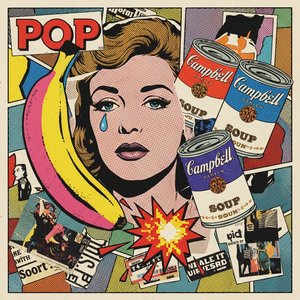
Challenging Conventions: Pop Art's Origins, Evolution & Enduring Legacy
Explore the fascinating history of Pop Art, from its rebellious origins to its enduring influence on contemporary artists. Discover key figures like Warhol & Lichtenstein and learn about collecting this iconic movement.