Visualizar em escala
 Enviar
 Compartilhar
 Ver detalhes
 Guia de Obras do Aluno

 Baixar imagem
 Semelhantes
 Raio X
 Apresentação de slides
 Estatísticas
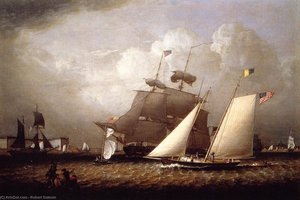
View of Greenock, Scotland


 Ver mais
Giclée / Impressão de Arte
Impressão giclée ou em tela de qualidade de museu, com produção rápida e opções flexíveis de acabamento. ( Encomendar reprodução pintada à mão Ver Imagem Digital)




P118B $10

P118H $10

P118W $10

P438Z $10

P508JH $12

P508YH $12

P805H $10

P805Z $10

P919BZ $10

P919G $10

P919XJ $10

P959ZH $10

P968JZ $12

W106C $8

W218G $10

W218JH $8

W218Y $10

W307PJ $10

W316G $10

W316PJ $8

W316Y $10

W398PJ $8

W4111J $10

W500HY $15

W500JH $15

W692G $12

W849H $8

W940BG $15

W953PJ $8




Escolha entre os nossos tamanhos pré-definidos que respeitam as proporções originais da obra de arte.

Você pode inserir suas próprias dimensões para se ajustar a uma moldura ou espaço específico. Se o tamanho selecionado não corresponder às proporções da imagem original, iremos recortar a obra de arte ou estender a imagem com uma borda espelhada ou preenchimento sólido. Um mockup digital será enviado para sua aprovação antes do início da produção.
Por favor, observe que a visualização na tela não reflete o recorte ou a extensão real. Apenas o mockup mostrará com precisão a composição final.
Embora tamanhos personalizados estejam disponíveis, recomendamos selecionar uma dimensão da lista predefinida para preservar as proporções originais.
Entrega mundial () em 2 semanas, em vez das 4/5 semanas padrão. (25 Setembro)

Envio expresso gratuito para todo o mundo

Tela de Linho Premium

Seguro de transporte total

Garantia de Reembolso de Impostos Alfandegários

Garantia de Fidelidade de Cor

Política de Devolução em 100 Dias (Apenas para Defeitos)

Garantia de reembolso de 100%

Desconto para múltiplas unidades
 A opção de vidro está disponível apenas para tamanhos inferiores a 110 cm

View of Greenock, Scotland
Giclée / Impressão de Arte
Dimensões da Reprodução
-


Preço Total
$ 80
A Panoramic Vision of Industry and Nature – Robert W. Salmon’s ‘View of Greenock’
Robert W. Salmon's 1816 painting, “View of Greenock, Scotland,” isn’t merely a landscape; it’s a meticulously observed snapshot of a burgeoning port city on the cusp of transformation. More than two centuries after its creation, this oil-on-canvas masterpiece offers a rare glimpse into the heart of a Scottish industrial awakening, blending the romantic ideals of the late 18th and early 19th centuries with a remarkably detailed depiction of everyday life and burgeoning maritime activity. The painting captures Greenock – then a vital trading hub on the River Clyde – not as a pristine wilderness but as an integrated part of its environment, showcasing the complex relationship between human settlement and the natural world.
Salmon’s artistic lineage is immediately apparent. He was deeply influenced by the Dutch masters of the 17th century, particularly their skill in rendering atmospheric perspective and capturing the subtle nuances of light and shadow. Furthermore, he drew inspiration from Italian *vedute* – landscape views – exemplified by artists like Claude Lorrain, whose emphasis on idealized landscapes and dramatic lighting resonates strongly within Salmon’s composition. This fusion of styles results in a painting that is both technically proficient and emotionally evocative, transporting the viewer to a specific moment in time and place.
The Scene Unfolds: A City in Transition
The painting immediately establishes a sense of depth and perspective through a carefully orchestrated arrangement of elements. The foreground features a small group of figures – likely travelers or laborers – resting near a cart and scattered belongings, providing a human scale to the vast landscape. These individuals are positioned strategically to draw the eye into the scene, leading us towards the sprawling cityscape nestled along the River Clyde. The buildings themselves—a mix of warehouses, factories, and residential structures—are rendered with remarkable precision, reflecting Salmon’s keen observational skills and his understanding of urban planning. Notice the linear arrangement of streets, mirroring a nascent grid system that would soon define Greenock's development.
Dominating the midground is the River Clyde, teeming with sailing vessels – evidence of Greenock’s thriving trade in timber, coal, and other commodities. The masts and sails create a dynamic interplay of lines, adding movement and vitality to the composition. The distant hills provide a dramatic backdrop, anchoring the scene within its geographical context. Salmon masterfully employs atmospheric perspective—the subtle shift in color and detail as objects recede into the distance—to convey the immense scale of the landscape and the sense of depth that stretches towards the horizon.
Symbolism and Historical Context
“View of Greenock” is more than just a topographical record; it’s imbued with symbolic meaning. The painting reflects a pivotal moment in Scottish history – the aftermath of the Napoleonic Wars and the rapid expansion of industrialization. Greenock, strategically located at the “Tail of the Bank,” where the Clyde deepens into the Firth of Clyde, was rapidly becoming a major port for exporting Scotland’s agricultural produce and importing manufactured goods. The presence of numerous ships signifies Greenock's growing importance as a commercial center, while the figures in the foreground represent the human cost – and potential benefits – of this economic transformation.
The painting also offers insights into the social fabric of Greenock at the time. The washerwomen depicted in the foreground are a common motif in 19th-century art, symbolizing hard work and domesticity. Their presence reminds us that even amidst the bustle of industrial activity, everyday life continued much as it always had.
A Legacy Preserved: Reproduction and Artistic Impact
Today, “View of Greenock” is held in the collection of the Museo Thyssen-Bornemisza in Madrid. Its enduring appeal lies not only in its technical brilliance but also in its ability to transport us back in time, offering a vivid glimpse into a rapidly changing world. Reproductions of this remarkable painting capture the essence of Salmon’s vision, allowing viewers to appreciate the intricate details and emotional depth of this historical masterpiece. When selecting a reproduction, consider the quality of materials used – oil on canvas is essential for achieving the authentic look and feel of the original—and the level of detail captured in the print.
Salmon's work stands as a testament to his skill and vision, offering a valuable window into the history of Greenock and the broader story of industrialization in Scotland. It’s a painting that continues to resonate with viewers today, reminding us of the enduring power of art to capture both the beauty and complexity of human experience.
Biografia do Artista
Primeiros Anos e Formação Artística
- Origens: Salmon nasceu como Robert Salomon, filho de Francis Salomon, um joalheiro. O porto movimentado de Whitehaven proporcionou uma influência precoce em seu desenvolvimento artístico.
- Influências Iniciais: Sua formação não é amplamente documentada, mas acredita-se que ele tenha estudado os pintores marítimos holandeses do século XVII, artistas de vedute italianos e Claude Lorrain.
- Obras Primitivas: Suas obras mais antigas conhecidas, “Two Armed Merchantmen Leaving Whitehaven Harbor” (1800) e “The ‘Estridge’ off Dover”, demonstram sua habilidade inicial em capturar cenas marítimas.
- Estreia na Royal Academy: Salmon exibiu pela primeira vez na Royal Academy em 1802, marcando um passo significativo em sua carreira.
Desenvolvimento da Carreira e Estilo
- Mudança para Liverpool (1806): Salmon estabeleceu-se em Liverpool e mudou seu nome para Salmon. Este período viu a produção de inúmeras pinturas marinhas que agora estão abrigadas no National Maritime Museum, em Londres.
- Retratos de Navios: Seus retratos de navios revelam uma profunda familiaridade com as embarcações à vela e sua mecânica, muitas vezes retratando a mesma embarcação de múltiplos ângulos em uma única tela.
- Popularidade e Colecionadores: O trabalho de Salmon ganhou popularidade entre proeminentes habitantes de Boston, como Samuel Cabot, Robert Bennett Forbes e John Newmarch Cushing, indicando seu crescente reconhecimento na América.
- Pioneiro do Luminismo: Ele é considerado uma figura fundamental no desenvolvimento do Luminismo Americano, influenciando artistas como William Bradford e Fitz Henry Lane. Sua ênfase na luz e na atmosfera criava cenas serenas e tranquilas.
Obras Notáveis e Significância Artística
- Pinturas Principais: Algumas das obras mais reconhecidas de Salmon incluem "The Brig 'Ariel'", "Sailing Ship 'Trelawney'" e “View of Liverpool from Cheshire”. Estas pinturas exemplificam sua habilidade em capturar a beleza e a complexidade dos navios à vela.
- Série do Porto de Boston: Ele produziu um corpo significativo de obras retratando o Porto de Boston, exibindo a vida marítima e a Boston histórica. “Boston Harbor from Castle Island (Ship Charlotte)” é um exemplo notável.
- Influência na Arte Americana: O estilo de Salmon influenciou profundamente as gerações subsequentes de pintores de paisagens marinhas americanas, contribuindo para o desenvolvimento do Luminismo como um importante movimento artístico.
Legado e Reconhecimento
- Acervos em Museus: As obras de Salmon estão presentes em instituições prestigiadas, incluindo a Academia Naval dos EUA, o Museum of Fine Arts, em Boston, e o National Maritime Museum, em Greenwich.
- Impacto Duradouro: Suas pinturas continuam a inspirar artistas hoje, servindo como um testemunho de sua habilidade e maestria artística.
- Pai do Luminismo Americano: O legado de Salmon está firmemente estabelecido como um pioneiro do Luminismo Americano, deixando uma marca indelével no mundo da arte.

Robert W. Salmon
1775 - 1845 , Reino Unido
Informações Rápidas
- Artistic Movement Or Style: American Luminism
- Artists Who Influenced This Artist:
- Dutch marine painters
- Italian vedute artists
- Claude Lorrain
- Date Of Birth: 1775
- Full Name: Robert W. Salmon
- Nationality: British
- Notable Artworks:
- Sailing Ship 'Trelawney'
- Boston Harbor from Castle Island
- Place Of Birth: Whitehaven, United Kingdom
Artigos Relacionados
Robert W. Salmon: Navigating the Currents of Maritime Painting & American Realism
Explore the captivating maritime paintings of Robert W. Salmon, a pioneer of American Luminism. Discover his Boston Harbor scenes, legacy, and collecting guide at OriginalUniqueArt.

Os 10 Mestres da Paisagem Romântica: Arte para Inspirar a Sua Casa
Descubra os 10 quadros mais emblemáticos da Paisagem Romântica! Explore a história de Turner, Friedrich e outros mestres. Encontre reproduções de arte exclusivas para inspirar sua decoração em OriginalUniqueArt.com.
Alexander Nasmyth: Picturing Scotland's Romantic Landscape – Innovation & Identity
Explore the life & art of Alexander Nasmyth, a pivotal figure in Scottish Romantic landscape painting. Discover his iconic works, including portraits of Robert Burns, and learn about his lasting influence on national identity. Fine art reproductions available.

Evocations of Place: A Historical Journey Through Landscape Art
Explore the rich history of landscape art with OriginalUniqueArt. Discover renowned artists, movements like Impressionism & Romanticism, and expert guidance for collecting timeless pieces. Find your perfect serene escape today!

David Roberts: A Scottish Pioneer of Topographical Art & Orientalist Vision
Explore the captivating world of David Roberts, a pioneering Scottish painter renowned for his detailed Orientalist scenes & stunning Egyptian landscapes. Discover his legacy and find museum-quality reproductions at OriginalUniqueArt.