1992
Versions IV (Robert Ryman, 1992)
Robert Ryman (1930) criou Versions IV. Data de 1992. Mede 198 × 183 cm.
- 1992
- 198 × 183 cm

 Visualizar na parede

 Pintura a Óleo Feita à Mão
 Compartilhar
 Compartilhar
 Ficha técnica


 Baixar imagem
 Semelhantes
 Raio X
 Ver diaporama
 Perguntas e Respostas

 Estatísticas
Versions IV, em resumo
- Título
- Versions IV
- Artista
- Robert Ryman (1930)
- Artista nascido em
- Nashville, United States of America
- Data
- 1992
- Dimensões
- 198 × 183 cm
O que Versions IV retrata?
Imagens em alta resolução de Versions IV

Protected by copyright: these files are for personal reference, not a licence to republish.
Robert Ryman, Versions IV (1992).
Perguntas sobre Versions IV respondidas
Em que ano foi criado "Versions IV", de Robert Ryman?
"Versions IV" data de 1992. A data situa a obra na carreira de Robert Ryman e em sua época.
Quais são as dimensões de "Versions IV", de Robert Ryman na vida real?
As dimensões registradas de "Versions IV", de Robert Ryman são 198 x 183 cm. Reproduções podem ser encomendadas em outros tamanhos, mantendo as mesmas proporções.
A imagem de "Versions IV", de Robert Ryman pode ser reproduzida livremente?
Quanto aos direitos autorais, "Versions IV" está em ainda protegido por direitos autorais.
A qual artista "Versions IV" é atribuída?
"Versions IV" é atribuída a Robert Ryman.
Com que idade Robert Ryman criou "Versions IV"?
Robert Ryman tinha 62 anos quando criou "Versions IV" em 1992. A idade é calculada a partir do ano de nascimento do artista, 1930.
Sobre o artista, Robert Ryman

1930, United States of America
Robert Ryman
A Life Dedicated to the Essence of Painting Robert Ryman, born in Nashville, Tennessee, in 1930 and passing away in 2019, wasn’t interested in depicting the world; he was captivated by painting itself. His journey began not with a formal artistic education geared towards representation, but with studies at the Tennessee Polytechnic Institute and George Peabody College for Teachers – foundations that would later inform his disciplined approach. A stint in the United States Army from 1950 to 1952 instilled a sense of structure, perhaps subtly influencing the rigorous self-examination that characterized his artistic practice. However, it was his relocation to New York City in 1952 that proved pivotal.
Também de Robert Ryman
 Untitled1966
 The Elliott Room: Charter1986
 The Elliott Room: Charter II1986
 The Elliott Room: Charter IV1986
Ensaios sobre Versions IV
 The Art of Transformation: Reimagining Memories Through 91 Bespoke AI Styles and Masterful Oil PaintingDiscover the ultimate guide to transforming personal photos into museum-quality masterpieces. Explore 91 exquisite AI art styles, from Glit…
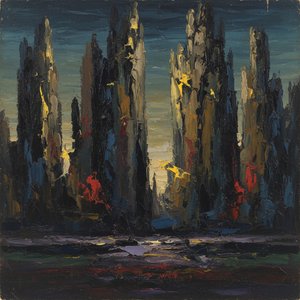 Clyfford Still's Abstract Expressionism: A Study of Color, Form & the Existential LandscapeExplore the profound world of Clyfford Still's Abstract Expressionism with OriginalUniqueArt. Discover his unique style, existential themes…
 The Architecture of Nature: Paul Cézanne’s Structural Revolution in Color and FormExplore how Paul Cezanne revolutionized art through color and form. Discover the roots of modern abstraction now.