Visualizar em escala
 Enviar
 Compartilhar
 Ver detalhes
 Guia de Obras do Aluno

 Baixar imagem
 Semelhantes
 Raio X
 Apresentação de slides
 Estatísticas
Sob o Martelo


 Ver mais
Reprodução em Óleo Feita à Mão
Óleo sobre tela pintado à mão no tamanho e moldura de sua escolha, feito sob encomenda pelos nossos artistas. ( Alternar para Impressão Ver Imagem Digital)




P118B €10

P118H €10

P118W €10

P438Z €10

P508JH €12

P508YH €12

P805H €10

P805Z €10

P919BZ €10

P919G €10

P919XJ €10

P959ZH €10

P968JZ €12

W106C €8

W218G €10

W218JH €8

W218Y €10

W307PJ €10

W316G €10

W316PJ €8

W316Y €10

W398PJ €8

W4111J €10

W500HY €15

W500JH €15

W692G €12

W849H €8

W940BG €15

W953PJ €8




Escolha entre os nossos tamanhos pré-definidos que respeitam as proporções originais da obra de arte.

Digite a largura e a altura de que necessita, para se ajustar à sua moldura ou à sua parede. Esta obra é pintada à mão, por isso, para um tamanho com uma proporção diferente, o artista pode pintar um pouco mais ao redor da imagem ou cortar um pouco — você escolhe. Enviamos-lhe uma maquete digital para aprovação antes de a pintura começar. A imagem exibida nesta página não mostra o resultado real — apenas a maquete mostra.
Após o pedido, a equipa OriginalUniqueArt.com enviará um e-mail ao cliente para solicitar instruções e fornecer uma prévia do esboço.
Entrega mundial () em 3 a 4 semanas, em vez das 5 semanas padrão. (21 Outubro). Sem comprometer a qualidade.

Envio expresso gratuito para todo o mundo

Tela de Linho Premium

Seguro de transporte total

Garantia de Reembolso de Impostos Alfandegários

Garantia de Fidelidade de Cor

Política de Devolução em 100 Dias (Apenas para Defeitos)

Garantia de reembolso de 100%

Desconto para múltiplas unidades
 A opção de vidro está disponível apenas para tamanhos inferiores a 110 cm

Sob o Martelo
Técnica de Reprodução
Dimensões da Reprodução
-


Preço Total
€ 262
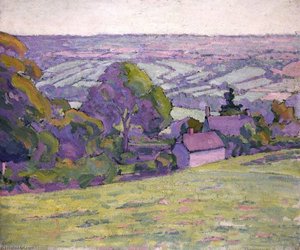
Uma Jornada Entre Luz e Forma: Uma Análise da Obra "Under the Hammer" de Robert Polhill Bevan
A pintura “Under the Hammer” de Robert Polhill Bevan é uma obra que transcende o mero registro visual, oferecendo um convite à contemplação estética e histórica. Criada em 1914, durante um período crítico na evolução da arte britânica, ela permanece como um testemunho da ousadia artística do grupo Camden Town e da busca por novas expressões de linguagem pictórica. Esta análise visa desvendar os elementos que constituem o núcleo dessa imagem marcante, explorando suas características técnicas, seu contexto histórico e sua profunda carga simbólica.O Grupo Camden Town e a Influência da Fauvismo
Robert Polhill Bevan não era apenas um pintor talentoso; ele era um dos líderes do Grupo Camden Town, uma coletânea de artistas que desafiaram as convenções estéticas dominantes da época. Inspirados pelo movimento fauve francês liderado por Henri Matisse, eles abandonaram o uso tradicional das cores para experimentar tonalidades vibrantes e intensas, buscando capturar a emoção pura e a beleza imediata do mundo ao redor. “Under the Hammer” exemplifica essa estética inovadora, onde o amarelo predomina em diversas áreas da tela, criando uma atmosfera luminosa e dinâmica que convida o espectador à experiência sensorial.Técnica e Materiais: Uma Busca pela Profundidade Textural
Bevan empregou uma meticulosa técnica de pintura a óleo sobre tela, caracterizada por camadas aplicadas com cuidado e precisão. Observando atentamente os detalhes da composição, como as expressões faciais dos personagens e a textura do cabelo do cavalo, ele demonstra um domínio excepcional da arte pictórica. Além disso, o artista utilizou pigmentos ricos em brilho e intensidade, buscando reproduzir fielmente a luz natural que iluminava o ambiente representado na pintura. Essa atenção à qualidade dos materiais contribui para criar uma obra de arte que possui uma beleza estética incomparável.Contexto Histórico: Um Espaço Público em Tempo de Mudanças
A cena retratada em “Under the Hammer” se passa em um espaço público, provavelmente uma sala de tribunal ou algum tipo de estabelecimento jurídico, refletindo o clima político e social da Inglaterra em 1914 – ano marcado pelo início da Primeira Guerra Mundial. O grupo Camden Town buscava representar a vida cotidiana comum, muitas vezes ignorada pela arte acadêmica tradicional, utilizando suas obras como meio de expressão artística e crítica social. A pintura captura um momento de tensão emocional, onde os personagens estão envolvidos em uma discussão acalorada sobre o destino do cavalo, simbolizando questões relacionadas à justiça, à liberdade e à luta pelo poder.Simbolismo e Significado Emocional: Uma Reflexão Sobre a Condição Humana
“Under the Hammer” é repleta de símbolos que enriquecem seu significado emocional e convidam à interpretação profunda. O cavalo, como ponto focal da composição, representa força física e espiritual, além de simbolizar o julgamento divino e a busca pela verdade. Os personagens vestidos em trajes formais evocam valores tradicionais como dignidade e respeito às instituições públicas, enquanto suas expressões faciais revelam emoções humanas diversas – desde entusiasmo até frustração – que refletem as experiências compartilhadas por todos nós. Ao contemplar essa obra de arte, somos convidados a uma reflexão sobre a condição humana e sobre os desafios enfrentados pela sociedade em tempos de crise.Reprodução Artística: Uma Forma Elegante de Preservar Beleza e História
Para apreciar plenamente a beleza estética e o significado histórico da pintura “Under the Hammer”, é essencial adquirir uma reprodução artística de alta qualidade. Em colaboração com OriginalUniqueArt.com, oferecemos opções cuidadosamente selecionadas que garantem fidelidade à obra original, utilizando técnicas inovadoras como impressão digital em tela ou óleo sobre madeira para preservar a textura e o brilho característicos da pintura. Uma reprodução artística é uma maneira elegante de trazer para casa um pedaço da arte britânica do início do século XX, celebrando o legado artístico de Robert Polhill Bevan e do Grupo Camden Town.Perguntas e Respostas
A obra "Sob o Martelo" de Robert Polhill Bevan, pertencente ao acervo do Walker Art Gallery, pode ser reproduzida legalmente?
"Sob o Martelo" de Robert Polhill Bevan, pertencente ao Walker Art Gallery, está em em domínio público - seus direitos autorais expiraram. Este status determina se reproduções da imagem podem ser feitas.
Qual é a intensidade do contraste em "Sob o Martelo" de Robert Polhill Bevan?
O contraste entre claro e escuro de "Sob o Martelo" é registrado como Declaração. O contraste descreve a intensidade da diferença entre as áreas claras e escuras.
A qual corrente artística "Sob o Martelo" de Robert Polhill Bevan pertence?
"Sob o Martelo" é uma obra do British Post-Impressionism. O movimento indica a tradição artística da qual a obra faz parte.
Biografia do Artista
Robert Polhill Bevan (1865–1925): British Painter & Camden Town Group Founder
Robert Polhill Bevan, born in Hove in 1865, occupies a pivotal yet often understated position within the narrative of early 20th-century British art. Emerging from a Quaker background steeped in banking connections – his parents were Richard Alexander Bevan and Laura Maria Polhill – he defied conventional expectations to become a daring innovator, a key figure in the transition from Impressionism towards more radical explorations of color and form. His journey was one of constant experimentation, absorbing influences from across Europe while forging a distinctly personal artistic vision that would profoundly impact the development of modern art in Britain. Bevan’s early education at Westminster School of Art under Fred Brown provided a solid foundation, but it was his subsequent studies at the Académie Julian in Paris that truly ignited his creative spark. There, he encountered a constellation of rising stars – Paul Sérusier, Pierre Bonnard, Édouard Vuillard, and Maurice Denis – artists who were challenging academic conventions and embracing new approaches to painting. These encounters proved formative, exposing Bevan to the principles of synthetism and laying the groundwork for his future explorations.Brittany, Fauvism, and the Search for Pure Color
The impact of Brittany on Bevan’s artistic development cannot be overstated. Two significant journeys in 1890 and 1891 immersed him in the atmosphere of Pont-Aven, a small coastal town that had become a magnet for artists seeking an alternative to Parisian salon culture. The bold colors and simplified forms championed by artists like Gauguin resonated deeply with Bevan, influencing his early drawings and prints. He was particularly drawn to the luminous landscapes of Breton Brittany, where he sought inspiration from the Impressionists’ techniques of capturing fleeting moments of light and color. However, it was around 1904 that Bevan truly began to distinguish himself, embarking on a path of experimentation with pure color that anticipated the emergence of Fauvism on the continent. His painting “Courtyard” stands as a remarkable example of this proto-Fauvist approach, demonstrating a willingness to abandon naturalistic representation in favor of expressive chromatic intensity – a boldness that set him apart from many of his British contemporaries. This exploration didn’t remain static; Bevan subsequently adopted a divisionist or pointillist technique, evident in works like “Ploughing on the Downs” and “The Turn-Rice Plough,” showcasing his commitment to exploring different methods of applying color and capturing light. The influence of masters such as Velázquez and Goya remained palpable, alongside more immediate guidance from Renoir regarding the depiction of horses – a testament to Bevan’s broad artistic curiosity and willingness to learn from diverse sources.Collective Visions: The Camden Town Group and Beyond
Bevan was not an artist who worked in isolation. He actively sought connection with like-minded individuals, playing a crucial role in the formation of several influential art groups. As a founding member of the Camden Town Group, he joined forces with artists determined to depict modern urban life and challenge established artistic norms. This collective spirit extended to his involvement with the London Group and the Cumberland Market Group, further demonstrating his commitment to progressive artistic movements. The first Allied Artists’ Association exhibition in 1908 provided another important platform for Bevan, introducing him to the burgeoning world of international modernism – most notably, through his encounter with Wassily Kandinsky. These affiliations were not merely social; they fostered a dynamic exchange of ideas that shaped Bevan's artistic trajectory and contributed to the broader evolution of British art. He was particularly influenced by Walter Sickert’s vision for portraying the gritty realities of London life.Landscapes, Urban Scenes, and Lasting Legacy
While Bevan’s subject matter was diverse, encompassing portraits – including notable depictions of his wife, Stanislawa de Karłowska – and urban scenes documenting the decline of the horse cab trade (“The Cab Horse”), he is perhaps best known for his landscapes. His paintings of Sussex and Brittany are imbued with a vibrant energy, capturing the essence of rural life through expressive brushwork and bold color palettes. Works like “In the Downs near Lewes,” “The Chestnut Tree,” and “Landscape in the Blackdown Hills, Devon” exemplify this mastery, showcasing his ability to convey both the physical beauty and emotional resonance of the natural world. Bevan’s distinctive style—characterized by luminous colors and simplified forms—anticipated developments in Fauvist painting and established him as a leading British painter of the early years of the 20th Century. His contribution to the Camden Town Group was instrumental in shaping the direction of British art during this period, cementing his place as an innovator who championed new artistic approaches. Bevan’s legacy continues to inspire artists today, reminding us of the importance of experimentation and engagement with diverse influences. He remains a vital figure for understanding the complex evolution of British painting in the early twentieth century.
Robert Polhill Bevan
1865 - 1925 , Reino Unido
Informações Rápidas
- Artistic Movement Or Style: Fauvismo, Divisionismo
- Artists Or Movements Influenced By This Artist:
- Grupo Camden Town
- Grupo Londres
- Grupo Cumberland
- Artists Who Influenced This Artist:
- Paul Gauguin
- Velázquez
- Goya
- Renoir
- Date Of Birth: 1865
- Date Of Death: 1925
- Full Name: Robert Polhill Bevan
- Nationality: Britânico
- Notable Artworks:
- A Fazenda
- Arado nos Altos Pampas
- Casa da Rainha
- Cavalo de Carro
- Place Of Birth: Hove, Reino Unido
Artigos Relacionados
Fauvismo: 10 Obras-Primas que Revolucionaram a Arte Moderna | OriginalUniqueArt
Descubra as 10 obras-primas do Fauvismo, com Matisse e Derain! Explore a história, cores vibrantes e técnicas revolucionárias deste movimento artístico. Encontre reproduções de arte exclusivas para decorar sua casa em OriginalUniqueArt.com.

Paul Cézanne: As 25 Obras-Primas que Definiram um Gênio da Arte Moderna | OriginalUniqueArt
Descubra as 25 obras-primas de Paul Cézanne, o mestre do pós-impressionismo! Explore a história, técnica e cores vibrantes por trás de quadros icônicos como 'Les Baigneurs' e 'Mont Sainte-Victoire'. Encontre reproduções de arte exclusivas para decorar sua casa com elegância em OriginalUniqueArt.com.
Robert Julian Onderdonk: Pioneering Texas Impressionism & Capturing Regional Light
Explore the life & art of Robert Julian Onderdonk, 'the Father of Texas Painting.' Discover his vibrant Impressionist landscapes, iconic bluebonnets, and lasting legacy. Learn about collecting Onderdonk's work today.
Robert Bevan: Pioneering British Post-Impressionism & the Camden Town Group's Intimate Vision
Explore the life & work of Robert Bevan, a pioneer of British Post-Impressionism and founding member of the Camden Town Group. Discover his vibrant landscapes and lasting impact on early 20th-century art.

Os 10 Ícones do Impressionismo para Inspirar sua Decoração | OriginalUniqueArt
Descubra os 10 quadros impressionistas mais icônicos de Monet, Renoir e Degas! Explore a história, cores vibrantes e técnicas revolucionárias do Impressionismo. Encontre reproduções de arte exclusivas para inspirar sua decoração em OriginalUniqueArt.com.