Tamanho do texto

() ·

Uma pintura feita para você, à mão

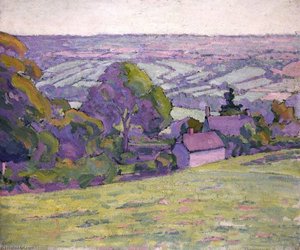
Casa de trás da Granja

Reprodução em Óleo Feita à Mão

Óleo sobre tela pintado à mão no tamanho e moldura de sua escolha, feito sob encomenda pelos nossos artistas. ( Alternar para Impressão Alternar para Imagem Digital)

Descrição do Item

Admire "Casa de trás da Granja" por Robert Polhill Bevan (1865–1925), uma obra-prima do grupo Camden Town que captura a beleza rural polonesa em cores vibrantes e detalhes impressionistas.

Biografia do Artista

Robert Polhill Bevan (1865-1925): Pintor britânico fundador do Grupo Camden Town. Pioneiro do Fauvismo, conhecido por paisagens vibrantes e cenas da vida cotidiana.

de ·

Capítulo 1

Qual deve ser o tamanho?

Deslize para alterar o tamanho; a imagem à esquerda mostra a moldura em sua largura real. As proporções originais são mantidas.

Tamanho padrão
personalizado
CM
INCH

Escolha entre os nossos tamanhos pré-definidos que respeitam as proporções originais da obra de arte.

largura
altura

Insira a largura e a altura desejadas para se ajustarem à sua moldura ou parede. Como esta obra é pintada à mão, para um tamanho com proporções diferentes, o artista poderá pintar um pouco mais ao redor da imagem ou reduzir ligeiramente a composição — você escolhe. Enviamos uma maquete digital para sua aprovação antes de iniciar a pintura. A imagem exibida nesta página não representa o resultado real — apenas a maquete mostra o resultado final.

Capítulo 2

Como deve chegar?

Escolha as bordas da tela esticada

Escolha sua moldura

Corner sample of the WhiteWrap canvas edge finish, stretched on madeira maciça bars
Branco €1
Corner sample of the BlurSideWrap canvas edge finish, stretched on madeira maciça bars
Bordas esfumaçadas €1
Corner sample of the ExtendedWrap canvas edge finish, stretched on madeira maciça bars
Bordas estendidas €1
Corner sample of the P118B picture frame: poliestireno moldado, 5 cm wide and 3 cm thick
P118B €10
Corner sample of the P118H picture frame: poliestireno moldado, 5 cm wide and 3 cm thick
P118H €10
Corner sample of the P118W picture frame: poliestireno moldado, 5 cm wide and 3 cm thick
P118W €10
Corner sample of the P438Z picture frame: poliestireno moldado, 5.5 cm wide and 3.5 cm thick
P438Z €10
Corner sample of the P508JH picture frame: poliestireno moldado, 7 cm wide and 3.5 cm thick
P508JH €12
Corner sample of the P508YH picture frame: poliestireno moldado, 7 cm wide and 3.5 cm thick
P508YH €12
Corner sample of the P805H picture frame: poliestireno moldado, 5 cm wide and 3.5 cm thick
P805H €10
Corner sample of the P805Z picture frame: poliestireno moldado, 5 cm wide and 3.5 cm thick
P805Z €10
Corner sample of the P919BZ picture frame: poliestireno moldado, 7 cm wide and 3.5 cm thick
P919BZ €10
Corner sample of the P919G picture frame: poliestireno moldado, 7 cm wide and 3.5 cm thick
P919G €10
Corner sample of the P919XJ picture frame: poliestireno moldado, 7 cm wide and 3.5 cm thick
P919XJ €10
Corner sample of the P959ZH picture frame: poliestireno moldado, 5 cm wide and 3 cm thick
P959ZH €10
Corner sample of the P968JZ picture frame: poliestireno moldado, 6 cm wide and 4 cm thick
P968JZ €12
Corner sample of the W106C picture frame: madeira maciça, 5 cm wide and 3 cm thick
W106C €8
Corner sample of the W218G picture frame: madeira maciça, 5 cm wide and 3 cm thick
W218G €10
Corner sample of the W218JH picture frame: madeira maciça, 5 cm wide and 3 cm thick
W218JH €8
Corner sample of the W218Y picture frame: madeira maciça, 5 cm wide and 3 cm thick
W218Y €10
Corner sample of the W307PJ picture frame: madeira maciça, 6 cm wide and 3 cm thick
W307PJ €10
Corner sample of the W316G picture frame: madeira maciça, 6 cm wide and 3 cm thick
W316G €10
Corner sample of the W316PJ picture frame: madeira maciça, 6 cm wide and 3 cm thick
W316PJ €8
Corner sample of the W316Y picture frame: madeira maciça, 6 cm wide and 3 cm thick
W316Y €10
Corner sample of the W398PJ picture frame: madeira maciça, 5 cm wide and 3 cm thick
W398PJ €8
Corner sample of the W4111J picture frame: madeira maciça, 6.5 cm wide and 3.5 cm thick
W4111J €10
Corner sample of the W500HY picture frame: madeira maciça, 7 cm wide and 5 cm thick
W500HY €15
Corner sample of the W500JH picture frame: madeira maciça, 7 cm wide and 5 cm thick
W500JH €15
Corner sample of the W692G picture frame: madeira maciça, 8 cm wide and 4 cm thick
W692G €12
Corner sample of the W849H picture frame: madeira maciça, 5 cm wide and 3 cm thick
W849H €8
Corner sample of the W940BG picture frame: madeira maciça, 7.5 cm wide and 4.5 cm thick
W940BG €15
Corner sample of the W953PJ picture frame: madeira maciça, 6 cm wide and 3.5 cm thick
W953PJ €8
Corner sample of the H24-GOLD picture frame: madeira entalhada com gesso, 10 cm wide and 6 cm thick
H24-GOLD €30
Corner sample of the H24-SILVER picture frame: madeira entalhada com gesso, 10 cm wide and 6 cm thick
H24-SILVER €30
Corner sample of the H36-GOLD picture frame: madeira entalhada com gesso, 15 cm wide and 6.5 cm thick
H36-GOLD €45
Corner sample of the H36-SILVER picture frame: madeira entalhada com gesso, 15 cm wide and 6.5 cm thick
H36-SILVER €45
Prévia da moldura
Com moldura

Moldura: . Dimensões totais com a moldura: .

Capítulo 3

Quem o pinta, e deveria algo mudar?

Exemplos do que pode ser alterado: Substituir o rosto pela foto do cliente; Adicionar um animal de estimação (ex: substituir gato por cachorro); Incluir uma mensagem oculta no fundo; Alterar a paisagem ou elementos do fundo.
Após o pedido, a equipe da OriginalUniqueArt.com enviará um e-mail ao cliente para instruções e fornecerá uma prévia da montagem

Entrega mundial () em 3 a 4 semanas, em vez das 5 semanas padrão. (8 Novembro). Sem comprometer a qualidade.

Capítulo 4

Os retoques finais

Uma placa de identificação, como em um museu?

Detalhes da Placa de Bronze Gravada

This elegant plaque features the artist's name and the title of the artwork, finely engraved for a timeless presentation.

It is made from bronze with a refined, elegant finish. The text is precisely laser-engraved for a sharp and permanent result. Measuring 9x2 cm, the plaque is compact yet easy to read. It's built to be durable and scratch-resistant, offering a professional, museum-quality look. Mounting is simple thanks to the included adhesive backing.

Detalhes da Placa de Acrílico Transparente

The plaque includes essential engraved details such as the artist's name, the title of the artwork, the date it was created, the type of media used-like oil on canvas or watercolor-a brief description of the piece, and a QR code that links to the complete artwork information.

It is crafted from clear acrylic, offering a sleek, modern appearance. The text is UV-engraved in black to ensure strong visual contrast. With a size of 10x15 cm, it ensures optimal readability. It comes equipped with two metal hooks for secure wall mounting. The plaque is designed to be weather-resistant, making it suitable for various environments, and it includes interactive features that work seamlessly with smartphone scanning.

Detalhes da Placa de Acrílico Preto

This elegant plaque includes engraved information such as the artist's name, the title of the artwork, the date it was created, the type of media used (like oil on canvas or watercolor), a short description of the artwork, and a QR code for quick access to more information.

The plaque itself is made from refined black acrylic with a premium finish. The text is laser-engraved in white for high contrast and readability. Its size is 10x15 cm, designed to be easy to read. It comes with two metal hooks for professional mounting. The design is sleek and fits any interior style. It is also weather-resistant and durable, with built-in digital integration for mobile compatibility.

Um verniz protetor?

Para quando você precisa?

Capítulo 5

A sua pintura, conforme encomendada

Casa de trás da Granja

Técnica de Reprodução

Tamanho da Reprodução

-

Artista Sênior de Elite

Mais detalhes, refinamento e tempo de produção adicional

-

Moldura para Reprodução

-

-

Para obras de arte ou reproduções com mais de 105 cm (aproximadamente 41 polegadas) em qualquer um dos lados, a moldura será enviada como um kit desmontado. Este método garante uma entrega segura e evita danos durante o transporte.

Montagem profissional necessária — este não é um produto DIY (faça você mesmo).
O kit deve ser montado e a tela esticada por um profissional de molduraria experiente, utilizando cola de madeira (não inclusa), um alicate de esticar tela e grampos para manter as travessas alinhadas enquanto a cola seca. A montagem incorreta ou a tensão desigual da tela podem danificar permanentemente a obra de arte e não estão cobertas pela nossa garantia.

  • Todas as barras de madeira maciça estão incluídas, precisamente cortadas ao tamanho certo.

  • Montado com os parafusos fornecidos, além de cola para madeira para as junções dos cantos, que não está inclusa e deve ser providenciada pelo seu moldurista.

  • São necessárias ferramentas profissionais não incluídas: um alicate de estiramento de tela (esticador) e grampos para manter as ripas alinhadas enquanto a cola seca.

Importante:
As junções dos cantos requerem cola para madeira, as ripas devem ser mantidas com grampos até que a cola esteja completamente seca, e o estiramento da tela na moldura montada requer um alicate de esticar tela. Nenhum destes itens está incluído no kit. Por favor, certifique-se de contar com um profissional de molduraria experiente antes de encomendar este tamanho.

Etiqueta de identificação

-

-

Verniz de Proteção

Verniz brilhante (realça as cores e protege contra a luz e a umidade)

-

Personalizar minha obra

Exemplos de alterações possíveis: Substituir o rosto por uma foto do cliente; Adicionar um animal de estimação (ex.: substituir gato por cachorro); Incluir uma mensagem oculta no fundo; Alterar a paisagem ou os elementos do fundo.

-

Urgente

Entrega mundial () em 3 a 4 semanas, em vez das 5 semanas padrão. (8 Novembro). Sem comprometer a qualidade.

-

Envio Expresso

Entrega mundial para em 5 semanas. (15 Novembro).

Com envio incluído

Preço Total

€ 268

Preço Total € 268

A opção de vidro está disponível apenas para tamanhos inferiores a 110 cm

Incluído em todos os pedidos

  • Envio expresso gratuito para todo o mundo
  • Tela de Linho de Alta Qualidade
  • Seguro de transporte completo
  • Garantia de Reembolso de Impostos Alfandegários
  • Garantia de Fidelidade Cromática
  • Política de Devolução em 100 Dias (Apenas para Defeitos)
  • Garantia de reembolso de 100%
  • Oferta de desconto por quantidade

Uma Jornada pela Luz e Cor da Paisagem Britânica: Robert Polhill Bevan e “Back of the Granary”

Robert Polhill Bevan (1865–1925) permanece uma figura fascinante no panorama artístico britânico inicial do século XX, frequentemente negligenciada em comparação com seus contemporâneos mais renomados. Sua trajetória artística foi marcada por uma busca incessante pela inovação e pela expressão emocional, consolidando-se como um dos fundadores do Grupo Camden Town e um precursor da estética pós-impressionista que influenciou profundamente o desenvolvimento da arte moderna inglesa. Este grupo de artistas desafiou as convenções estéticas dominantes da época, buscando novas formas de capturar a beleza da natureza e a vida cotidiana com uma intensidade cromática inédita – uma abordagem que Bevan abraçou com fervor e que encontra expressão máxima em obras como “Back of the Granary”, pintada em 1904.
  • Estilo e Influências: Bevan se destacou por sua adesão ao movimento Fauvista, liderado por André Derain e Maurice Denis, um estilo que rejeitou a busca pela reprodução fiel da realidade em favor de uma paleta vibrante e expressiva, onde cores puras eram aplicadas diretamente à tela para transmitir emoções e sensações. Essa influência francesa é evidente na tonalidade quente e luminosa da pintura, que evoca o espírito da paisagem britânica do início do século XX.
  • Técnica: A obra apresenta uma aplicação meticulosa de tinta óleo sobre tela, caracterizada por pinceladas largas e onduladas que capturam a textura da madeira e a luz difusa do ambiente rural. Bevan dominava técnicas tradicionais, mas aplicava um olhar atento à composição e ao uso da cor para criar imagens poderosas e evocativas.

“Back of the Granary” não é apenas uma representação visual de uma estrutura agrícola simples; ela carrega consigo uma carga simbólica significativa. O edifício em si simboliza a força da tradição e da conexão com o passado, enquanto o entorno arborizado representa a beleza e a riqueza da natureza inglesa. A luz suave que banha a cena transmite uma sensação de calma e serenidade, convidando o espectador a contemplar a simplicidade e a beleza do cotidiano.

  • Contexto Histórico: O trabalho foi produzido em um período de transformação artística e intelectual na Inglaterra, onde artistas como Bevan estavam explorando novas ideias sobre cor, forma e expressão emocional. O Grupo Camden Town buscava romper com o academicismo dominante e criar uma arte que refletisse a experiência humana contemporânea.
  • Impacto Emocional: Observadores atentos podem sentir uma profunda conexão com a paisagem retratada, capturando um momento de beleza silenciosa e contemplativa. A pintura convida à reflexão sobre temas como o ciclo da vida, a importância da natureza e a valorização das tradições culturais.

Uma reprodução de alta qualidade de “Back of the Granary” pode enriquecer qualquer espaço interior, trazendo consigo uma atmosfera acolhedora e inspiradora. Sua beleza estética e sua carga simbólica permanecem relevantes até hoje, testemunhando o legado artístico de Robert Polhill Bevan e a força da arte pós-impressionista em capturar a essência da experiência humana.

Perguntas e Respostas

Como "Casa de trás da Granja" se posiciona entre os temas recorrentes de Robert Polhill Bevan?

"Casa de trás da Granja" retrata landscape, rural scene, polish art, british painter, architecture, chimney, domestic life, enquanto os temas recorrentes de Robert Polhill Bevan são fauvist color expression, camden town group vision, british landscape tradition, domestic tranquility charm, early modern art pioneer. A comparação entre ambos revela como a obra se relaciona com os temas habituais do artista.

Qual cor predomina na composição de "Casa de trás da Granja", de Robert Polhill Bevan?

Verde de seiva (#6e754f) é a cor predominante de "Casa de trás da Granja", de Robert Polhill Bevan.

Onde posso comprar reproduções pintadas à mão de "Casa de trás da Granja", de Robert Polhill Bevan?

Reproduções pintadas à mão de "Casa de trás da Granja", de Robert Polhill Bevan podem ser adquiridas no este site: uma reprodução a óleo pintada à mão sobre tela de linho, através da sua página de encomendas Reprodução Pintada à Mão.

Saiba mais sobre esta pintura

Visualizar na parede Visualizar em RA Alternar para Impressão Alternar para Imagem Digital Compartilhar
Detalhes Guia Adicionar aos favoritos Baixar imagem Semelhantes Raio X Ver diaporama Perguntas e Respostas Estatísticas

Em números

  • 1904o ano em que foi pintada
  • 29molduras para escolher
  • tamanhos padrão, em suas próprias proporções
  • 5semanas para pintar e entregar
Robert Polhill Bevan

Robert Polhill Bevan

1865 - 1925, Reino Unido

Informações rápidas sobre Robert Polhill Bevan

  • Artistic Movement Or Style: Fauvismo, Divisionismo
  • Artists Or Movements Influenced By This Artist:
    • Grupo Camden Town
    • Grupo Londres
    • Grupo Cumberland
  • Artists Who Influenced This Artist:
    • Paul Gauguin
    • Velázquez
    • Goya
    • Renoir
  • Date Of Birth: 1865
  • Date Of Death: 1925
  • Full Name: Robert Polhill Bevan
  • Nationality: Britânico
  • Notable Artworks:
    • A Fazenda
    • Arado nos Altos Pampas
    • Casa da Rainha
    • Cavalo de Carro
  • Place Of Birth: Hove, Reino Unido

Biografia do Artista

Robert Polhill Bevan (1865–1925): British Painter & Camden Town Group Founder

Robert Polhill Bevan, born in Hove in 1865, occupies a pivotal yet often understated position within the narrative of early 20th-century British art. Emerging from a Quaker background steeped in banking connections – his parents were Richard Alexander Bevan and Laura Maria Polhill – he defied conventional expectations to become a daring innovator, a key figure in the transition from Impressionism towards more radical explorations of color and form. His journey was one of constant experimentation, absorbing influences from across Europe while forging a distinctly personal artistic vision that would profoundly impact the development of modern art in Britain. Bevan’s early education at Westminster School of Art under Fred Brown provided a solid foundation, but it was his subsequent studies at the Académie Julian in Paris that truly ignited his creative spark. There, he encountered a constellation of rising stars – Paul Sérusier, Pierre Bonnard, Édouard Vuillard, and Maurice Denis – artists who were challenging academic conventions and embracing new approaches to painting. These encounters proved formative, exposing Bevan to the principles of synthetism and laying the groundwork for his future explorations.

Brittany, Fauvism, and the Search for Pure Color

The impact of Brittany on Bevan’s artistic development cannot be overstated. Two significant journeys in 1890 and 1891 immersed him in the atmosphere of Pont-Aven, a small coastal town that had become a magnet for artists seeking an alternative to Parisian salon culture. The bold colors and simplified forms championed by artists like Gauguin resonated deeply with Bevan, influencing his early drawings and prints. He was particularly drawn to the luminous landscapes of Breton Brittany, where he sought inspiration from the Impressionists’ techniques of capturing fleeting moments of light and color. However, it was around 1904 that Bevan truly began to distinguish himself, embarking on a path of experimentation with pure color that anticipated the emergence of Fauvism on the continent. His painting “Courtyard” stands as a remarkable example of this proto-Fauvist approach, demonstrating a willingness to abandon naturalistic representation in favor of expressive chromatic intensity – a boldness that set him apart from many of his British contemporaries. This exploration didn’t remain static; Bevan subsequently adopted a divisionist or pointillist technique, evident in works like “Ploughing on the Downs” and “The Turn-Rice Plough,” showcasing his commitment to exploring different methods of applying color and capturing light. The influence of masters such as Velázquez and Goya remained palpable, alongside more immediate guidance from Renoir regarding the depiction of horses – a testament to Bevan’s broad artistic curiosity and willingness to learn from diverse sources.

Collective Visions: The Camden Town Group and Beyond

Bevan was not an artist who worked in isolation. He actively sought connection with like-minded individuals, playing a crucial role in the formation of several influential art groups. As a founding member of the Camden Town Group, he joined forces with artists determined to depict modern urban life and challenge established artistic norms. This collective spirit extended to his involvement with the London Group and the Cumberland Market Group, further demonstrating his commitment to progressive artistic movements. The first Allied Artists’ Association exhibition in 1908 provided another important platform for Bevan, introducing him to the burgeoning world of international modernism – most notably, through his encounter with Wassily Kandinsky. These affiliations were not merely social; they fostered a dynamic exchange of ideas that shaped Bevan's artistic trajectory and contributed to the broader evolution of British art. He was particularly influenced by Walter Sickert’s vision for portraying the gritty realities of London life.

Landscapes, Urban Scenes, and Lasting Legacy

While Bevan’s subject matter was diverse, encompassing portraits – including notable depictions of his wife, Stanislawa de Karłowska – and urban scenes documenting the decline of the horse cab trade (“The Cab Horse”), he is perhaps best known for his landscapes. His paintings of Sussex and Brittany are imbued with a vibrant energy, capturing the essence of rural life through expressive brushwork and bold color palettes. Works like “In the Downs near Lewes,” “The Chestnut Tree,” and “Landscape in the Blackdown Hills, Devon” exemplify this mastery, showcasing his ability to convey both the physical beauty and emotional resonance of the natural world. Bevan’s distinctive style—characterized by luminous colors and simplified forms—anticipated developments in Fauvist painting and established him as a leading British painter of the early years of the 20th Century. His contribution to the Camden Town Group was instrumental in shaping the direction of British art during this period, cementing his place as an innovator who championed new artistic approaches. Bevan’s legacy continues to inspire artists today, reminding us of the importance of experimentation and engagement with diverse influences. He remains a vital figure for understanding the complex evolution of British painting in the early twentieth century.

Informações Rápidas

  • Tema: Vida Rural
  • EstiloArtístico: Paisagem Vibrante
  • Dimensões: 34 x 40 cm
  • Título: Back of the Granary, Poland
  • Ano: 1904
  • Movimento: Fauvismo

Quiz de Arte

Cada pergunta possui apenas uma resposta correta.

Pergunta 1:
¿Quién fue Robert Polhill Bevan?
Pergunta 2:
¿En qué año se creó esta obra maestra?
Pergunta 3:
¿Cuál es el estilo artístico predominante en esta pintura?
Pergunta 4:
¿Dónde estudió Robert Polhill Bevan sus estudios de arte?
Pergunta 5:
¿Qué elementos destacan en la composición de esta pintura?