Visualizar na parede
 Compartilhar
 Compartilhar
 Detalhes
 Guia
Guia

 Baixar imagem
 Semelhantes
 Raio X
 Ver diaporama
 Estatísticas
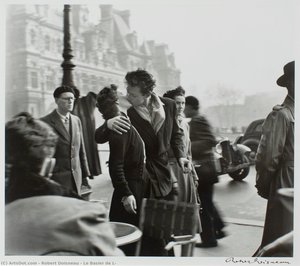
O Baiser de l'Hôtel de Ville


 Ler mais
A obra de arte exibida nesta página é protegida por leis de direitos autorais, o que significa que não podemos criar ou vender legalmente uma reprodução idêntica. Esta proteção é aplicada por meio de acordos internacionais, tais como a Convenção de Berna e pelas leis nacionais, incluindo as estabelecidas por Lei de Direitos Autorais dos EUA - Título 17.
Este método cumpre plenamente as regulamentações de direitos autorais, pois não envolve a cópia ou duplicação da obra protegida. Em vez disso, trata-se de uma reinterpretação criativa — uma nova pintura que é influenciada pela original, mas não idêntica a ela.
Giclée / Impressão de Arte
Impressão giclée ou em tela de qualidade de museu, com produção rápida e opções flexíveis de acabamento. ( Comprar pintura feita à mão Alternar para Imagem Digital)




P118B €10

P118H €10

P118W €10

P438Z €10

P508JH €12

P508YH €12

P805H €10

P805Z €10

P919BZ €10

P919G €10

P919XJ €10

P959ZH €10

P968JZ €12

W106C €8

W218G €10

W218JH €8

W218Y €10

W307PJ €10

W316G €10

W316PJ €8

W316Y €10

W398PJ €8

W4111J €10

W500HY €15

W500JH €15

W692G €12

W849H €8

W940BG €15

W953PJ €8




Escolha entre os nossos tamanhos pré-definidos que respeitam as proporções originais da obra de arte.

Insira a largura e a altura desejadas para se ajustarem à sua moldura ou parede. Uma impressão pode ser apenas cortada, nunca ampliada além da imagem original; portanto, um tamanho com proporções diferentes resultará na perda de parte da imagem. Enviamos uma maquete digital para sua aprovação antes de realizarmos a impressão. A imagem exibida nesta página não mostra o corte real — apenas a maquete o faz.
Entrega mundial () em 2 semanas, em vez das 4/5 semanas padrão. (27 Outubro)

Envio expresso gratuito para todo o mundo

Tela de Linho de Alta Qualidade

Seguro de transporte completo

Garantia de Reembolso de Impostos Alfandegários

Garantia de Fidelidade Cromática

Política de Devolução em 100 Dias (Apenas para Defeitos)

Garantia de reembolso de 100%

Oferta de desconto por quantidade
 A opção de vidro está disponível apenas para tamanhos inferiores a 110 cm

O Baiser de l'Hôtel de Ville
Giclée / Impressão de Arte
Tamanho da Reprodução
-


Preço Total
€ 70
Uma Captura Fugaz da Alma Parisiense: O Baiser de l’Hôtel de Ville de Doisneau
Robert Doisneau, um cronista visual extraordinário da cidade francesa pós-guerra, não apenas fotografava; ele pintava com a luz e o movimento. Sua obra transcende o mero registro documental, oferecendo uma janela para emoções humanas profundas e uma percepção única do cotidiano parisiense. Este retrato icônico, intitulado "Le Baiser de l’Hôtel de Ville" ("O Beijo da Prefeitura"), é um testemunho eloquente da capacidade da arte em capturar momentos fugazes que carregam significado simbólico e emocional duradouro.- Contexto Histórico: Fotografado em 1950, o trabalho de Doisneau reflete o espírito da época pós-Segunda Guerra Mundial em Paris – uma cidade marcada pela reconstrução física e espiritual, onde a esperança e o desejo por beleza encontravam expressão na vida urbana comum. Doisneau observava atentamente os sinais da sociedade contemporânea, buscando transmitir sua visão sobre o mundo através de imagens que capturavam a essência da experiência humana.
- Composição Dinâmica: A imagem apresenta uma composição cuidadosamente planejada que enfatiza o ponto focal do beijo entre o casal. Os pedestres desfocados ao fundo criam uma sensação de profundidade e isolamento, destacando a importância do momento compartilhado em meio à multidão. Doisneau utilizava técnicas avançadas para congelar o instante desejado, buscando transmitir uma atmosfera realista e emocionalmente carregada.
- Estilo Fotográfico: Doisneau não buscava apenas registrar cenas cotidianas; ele empregava um estilo fotográfico único que combinava observação meticulosa com composição artística inteligente. Sua abordagem lembrava mais a pintura do que à fotografia tradicional, utilizando luz suave e ângulos estratégicos para criar imagens que evocam sentimentos de nostalgia e beleza simples.
- Técnica e Materiais: Doisneau empregou uma câmera Leica, considerada um instrumento essencial para fotógrafos da época, e aplicou técnicas de desenvolvimento e impressão em preto e branco utilizando métodos tradicionais. Sua atenção aos detalhes técnicos garantia que cada imagem transmitisse textura e profundidade, capturando a beleza do mundo ao seu redor com precisão e sensibilidade artística.
- Simbolismo Emocional: O beijo em si representa o amor, a intimidade e a espontaneidade – elementos universais que Doisneau buscava transmitir através de suas obras. Ao mesmo tempo, a multidão ao redor simboliza a anonimidade da vida urbana, criando um contraste marcante entre o momento pessoal capturado pela câmera e o ambiente público circundante.
Perguntas e Respostas
Onde posso comprar uma imagem digital de "O Baiser de l'Hôtel de Ville", de Robert Doisneau?
Para obter uma versão digital de "O Baiser de l'Hôtel de Ville", de Robert Doisneau, peça download de imagem digital em alta resolução em sua página Imagem Digital de Alta Resolução.
Que tipo de obra é "O Baiser de l'Hôtel de Ville"?
No catálogo, "O Baiser de l'Hôtel de Ville", de Robert Doisneau está registrado como Arte de Parede. A categoria ajuda a encontrar obras semelhantes.
"O Baiser de l'Hôtel de Ville" é uma obra famosa do Documentary Photography?
Dentro do movimento Documentary Photography, "O Baiser de l'Hôtel de Ville" possui um nível de popularidade Icônico.
Biografia do Artista
A Parisian Chronicler: The Life and Legacy of Robert Doisneau
Robert Doisneau, born in Gentilly, France, in 1912, wasn’t merely a photographer; he was a visual poet of the streets, a chronicler of everyday life who captured the heart and soul of post-war Paris with an unparalleled blend of humanism, irony, and playful observation. His journey began amidst personal hardship – orphaned at a young age, raised by an unloving aunt – yet it blossomed into a career that celebrated the resilience and charm of the human spirit. Initially drawn to the technical arts, Doisneau trained in engraving and lithography at the École Estienne, skills that would later inform his compositional eye. However, it was the allure of the streets, the spontaneous narratives unfolding before him, that truly ignited his artistic passion. He began tentatively, reportedly photographing cobblestones to overcome initial shyness, gradually building confidence to capture the lives of children and adults in their natural environment.From Advertising to Artistic Vision
Doisneau’s early career was a pragmatic blend of necessity and opportunity. He navigated the world of advertising, working first as a draughtsman at Atelier Ullmann and later as a photographer for Renault. While these roles provided financial stability, they also fueled his growing interest in people and their interactions. His time at Renault, though ultimately cut short by his habitual tardiness, proved formative, exposing him to the possibilities of photography beyond mere commercial application. The late 1930s saw him join the Rapho photographic agency, a pivotal moment that allowed him to pursue street photography more seriously. This period coincided with the looming shadow of World War II, and Doisneau’s life took on another layer of complexity as he served in the French army and actively participated in the Resistance, utilizing his skills to forge documents for those fleeing persecution. It was a time of immense risk and moral responsibility, shaping his commitment to documenting the lives of ordinary people with dignity and respect.The Humanist Lens: Style and Influences
Doisneau’s photographic style is instantly recognizable – a masterful blend of candid observation, carefully composed framing, and a gentle, often ironic, perspective. He wasn't interested in grand narratives or dramatic events; instead, he found beauty and meaning in the mundane, the fleeting moments of everyday life. Influenced by masters like André Kertész, Eugène Atget, and Henri Cartier-Bresson, Doisneau developed his own unique voice, one that prioritized human connection over technical perfection. He possessed an extraordinary ability to anticipate and capture decisive moments, often with a touch of humor or whimsy. His work frequently features amusing juxtapositions, contrasting social classes, and eccentric characters, all set against the backdrop of bustling Parisian streets and cafes. Le Baiser de l'Hôtel de Ville (The Kiss by the Town Hall), his most iconic image from 1950, perfectly encapsulates this approach – a spontaneous moment of intimacy amidst the chaos of city life, an enduring symbol of love and freedom. He famously stated, “The marvels of daily life are so exciting; no movie director can arrange the unexpected that you find in the street.”A Legacy of Empathy and Observation
Throughout his career, Doisneau consistently championed the overlooked and marginalized. He had a particular fondness for children, portraying their play with seriousness and respect, recognizing their inherent dignity and freedom from adult constraints. His photographs offer a poignant glimpse into a post-war Paris rebuilding itself, grappling with social change, yet retaining its unique charm and spirit. While he briefly experimented with fashion photography for Vogue, his heart remained on the streets, capturing the authentic pulse of Parisian life. Despite receiving an invitation to join Magnum Photos from Henri Cartier-Bresson, Doisneau chose to remain with Rapho, valuing the agency’s independence and allowing him greater creative freedom. He was appointed a Chevalier (Knight) of the Legion of Honour in 1984, a testament to his significant contribution to French culture. Robert Doisneau passed away in 1994, leaving behind a vast body of work that continues to inspire and captivate audiences worldwide. His photographs are not simply records of a time and place; they are enduring celebrations of the human condition, reminding us to find beauty and meaning in the everyday moments that shape our lives.
Robert Doisneau
1922 - 1994 , France
Dados Rápidos
- Full Name: Robert Doisneau
- Nationality: French
- Date Of Birth: 1922
- Date Of Death: 1994
- Place Of Birth: Gennevilliers, France
- Notable Artworks: ["Le Baiser de l'hôtel de ville"]
- Artistic Movement Or Style: Humanist photography
- Artists Who Influenced This Artist:
- André Kertész
- Eugène Atget
- Henri Cartier-Bresson
Artigos Relacionados

As 10 Pinturas Mais Famosas Dominadas pelo Preto: Arte, História e Decoração
Descubra as 10 pinturas mais icônicas dominadas pelo preto! Explore a história, técnica e emoção por trás de obras-primas do Romantismo, Realismo e Expressionismo. Encontre reproduções de arte exclusivas na OriginalUniqueArt.com.
Timeless Shadows: The Artistry, History, and Emotional Resonance of Black and White Photography
Explore the profound artistry of black and white photography. From historical mastery to the interplay of light and shadow, discover how monochrome captures timeless emotion and form through a sophisticated lens of art history.

Monochrome Visions: Exploring the Aesthetic & Historical Significance of Black & White Photography
Explore the rich history & artistic power of black and white photography. From early techniques to iconic masters like Ansel Adams, discover why monochrome continues to captivate art lovers today. Expert insights for collectors.

Shadow & Soul: Why Black & White Photography Remains the Ultimate Power Move in Modern Art
Discover why black & white photography remains a powerful force in contemporary art. Explore the impact of light, shadow, and texture through a visual journey of monochrome mastery and learn how to elevate your space with timeless grayscale aesthetics.

Beyond the Lens: Photography's Enduring Influence on Modern & Contemporary Art
Explore photography's pivotal role in shaping modern & contemporary art. Discover key movements, influential artists like Stieglitz, and expert collecting advice from OriginalUniqueArt.