Cubism · 1912
Window (Robert Delaunay, 1912)
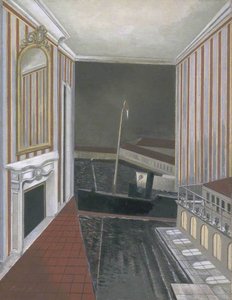
Robert Delaunay (1885–1941) criou Window. Data de 1912. Pertence ao movimento Cubism. É feito em Oil. Está conservada no Tate Liverpool, em Liverpool, Reino Unido.
- 1912
- Oil
- Tate Liverpool

 Visualizar na parede

 Pintura a Óleo Feita à Mão
 Compartilhar
 Compartilhar
 Ficha técnica


 Baixar imagem
 Semelhantes
 Raio X
 Ver diaporama
 Perguntas e Respostas

 Estatísticas
Window, em resumo
- Título
- Window
- Artista
- Robert Delaunay (1885–1941)
- Artista nascido em
- Paris, França
- Data
- 1912
- Técnica
- Oil
- Onde ver
- Tate Liverpool, Liverpool, Reino Unido
- Movimento
- Cubism
- Período
- Modern
- Tema
- abstract, geometric shapes, color palette, window motif, orphism influence, luminosity
O que Window retrata?
A Symphony of Light and Geometry
In the early twentieth century, as the world stood on the precipice of profound transformation, Robert Delaunay captured a moment of pure, luminous transcendence in his 1912 masterpiece, "Window." This work is far more than a mere depiction of a windowpane; it is an invitation to witness the birth of Orphism, a movement that sought to liberate color from the constraints of representational form. To gaze upon this painting is to step into a realm where light does not simply illuminate objects but becomes the subject itself. Delaunay masterfully distills the sensory experience of perception, transforming a simple architectural element into a complex mosaic of interlocking rectangles and vibrant squares that seem to pulse with an internal energy.
The brilliance of "Window" lies in its ability to evoke a sense of rhythmic movement through static shapes. Through a sophisticated technique of layered paint application—often incorporating the rich, tactile quality of encaustic wax alongside traditional oils—Delaunay achieved a depth that feels almost ethereal. The subtle gradations of pigment within each geometric cell create a shimmering effect, reminiscent of sunlight filtering through stained glass. This meticulous manipulation of color density allows the viewer to experience a visual dynamism that transcends the flat surface of the canvas, making the piece feel as though it is breathing with light.
The Orphic Vision: Color as Emotion
At the heart of this composition lies the radical philosophy of Orphism. Moving away from the analytical fragmentation of Cubism, Delaunay and his contemporaries embraced a more lyrical approach, prioritizing the emotional resonance of pure color. In "Window," there is no attempt to replicate the naturalistic world; instead, the artist uses hues of deep blue, radiant yellow, and warm orange to communicate a sense of harmony and cosmic order. This focus on pure abstraction allows the painting to function as an emotional landscape, where the interplay of light and shadow serves as a metaphor for the clarity and chaos of human existence.
For the discerning collector or interior designer, this piece offers a unique opportunity to introduce a focal point of sophisticated energy into a space. The painting’s vibrant palette and structured composition make it an ideal centerpiece for modern, minimalist, or even classical interiors, providing a burst of intellectual and visual stimulation. It does not merely decorate a wall; it transforms the atmosphere of a room, inviting contemplation and a renewed appreciation for the beauty found in geometric precision.
A Legacy of Harmony Amidst Change
The historical context of "Window" adds a layer of profound poignancy to its visual splendor. Created during an era of significant societal upheaval, the painting serves as a radiant antidote to the anxieties of the pre-war period. While much of the art of this time grappled with the fragmentation of reality, Delaunay sought to synthesize it, finding a way to weave disparate elements into a cohesive, beautiful whole. This pursuit of geometric harmony reflects a deep-seated desire for stability and beauty amidst a changing world.
Owning a high-quality reproduction of this seminal work allows one to possess a fragment of art history—a piece that embodies the courage of innovation and the timeless allure of light. "Window" remains a testament to the power of abstraction to touch the human spirit, offering a window not just into a room, but into the very essence of light and color.
Em qual museu se encontra Window?
Tate Liverpool
Liverpool, Reino Unido
Um Farol de Arte Moderna no Coração da Herança Portuária Localizada no histórico Royal Albert Dock de Liverpool, a Tate Liverpool ergue-se como um testemunho vibrante da inovação artística e da reutilização adaptativa – uma justaposição marcante que define sua própria essência. Fundada em 1988, a galeria embarcou num projeto ambicioso liderado pelos arquitetos James Stirling, transformando um armazém abandonado num espaço dinâmico para exibir arte contemporânea ao lado de obras-primas britânicas desde o período Tudor. Esta proeza arquitetónica solidificou, por si só, o lugar da Tate Liverpool como um marco do orgulho cívico e da visão artística.


Imagens em alta resolução de Window

Robert Delaunay, Window (1912), Tate Liverpool. Domínio público.
Perguntas sobre Window respondidas
Onde "Window", de Robert Delaunay está em exibição hoje?
A obra original "Window", de Robert Delaunay encontra-se no Tate Liverpool, Liverpool, Reino Unido. Uma reprodução permite que a obra seja exibida em sua casa.
Em que ano foi criada a obra "Window", de Robert Delaunay?
"Window", de Robert Delaunay foi criado em 1912.
Qual técnica foi utilizada em "Window", de Robert Delaunay?
A técnica de "Window", de Robert Delaunay é Oil. As reproduções visam reproduzir a aparência desta técnica.
Quais temas aparecem em "Window", de Robert Delaunay?
Os temas de "Window" são abstract, geometric shapes, color palette, window motif, orphism influence, luminosity, composition.
"Window" está em domínio público?
Informação de direitos autorais para "Window", de Robert Delaunay: a obra está em em domínio público — seus direitos autorais expiraram. Isso determina se reproduções da imagem podem ser feitas livremente.
A qual artista "Window" é atribuída?
O artista por trás de "Window" é Robert Delaunay. A obra está catalogada sob o nome de Robert Delaunay.
A qual estilo pertence "Window"?
O movimento associado a "Window", de Robert Delaunay é Cubism. Esta classificação situa a obra entre artistas e obras de arte relacionados.
A que fase da trajetória de Robert Delaunay "Window" pertence?
"Window" representa o Mature Period de Robert Delaunay.
Com que idade Robert Delaunay criou "Window"?
Robert Delaunay criou "Window" aos 27 anos. O artista nasceu em 1885 e a obra data de 1912.
Sobre o artista, Robert Delaunay

1885–1941, França
Robert Delaunay
Um Pioneiro da Cor Abstrata: A Vida e a Arte de Robert Delaunay Robert Delaunay, nascido em Paris em 1885, emergiu como uma figura fundamental nas mudanças artísticas radicais do início do século XX. Embora inicialmente atraído por formas mais tradicionais de pintura, sua jornada o conduziu a uma exploração da cor e da luz que acabaria por definir seu legado e contribuir significativamente para o nascimento da arte abstrata. Delaunay não estava interessado apenas em representar o mundo; ele buscava capturar sua própria essência através de uma linguagem vibrante de formas geométricas e tons luminosos, cofundando o movimento Orfismo com sua esposa, Sonia Delaunay, e outros que compartilhavam de sua visão. Sua vida precoce foi marcada por certa instabilidade – seus pais se divorciaram quando ele era jovem e ele foi criado por parentes – mas isso talvez tenha fomentado um espírito independente que lhe seria útil ao desafiar as convenções artísticas.
Também de Robert Delaunay
 A Cidade de Paris1912
 Torre Eiffel1914
 The Eiffel Tower1910
 The Three Graces1912
Ensaios sobre Window
 Abstração Geométrica: 10 Obras-Primas que Moldaram a Arte Moderna | OriginalUniqueArt.comDescubra as 10 obras-primas da Abstração Geométrica que revolucionaram a arte moderna! Explore Kandinsky, Mondrian e outros artistas icônic…
 Mastering the Post-Impressionist Vision: A Definitive Guide to the Geometric Soul of Cézanne’s ArtistryExplore the profound legacy of Paul Cézanne. Discover how his mastery of geometric forms and vibrant color bridged Impressionism and Cubism…
 Orphism vs Synchromism: Distinguishing Color, Light, and FormMaster the distinction between Orphism and Synchromism through expert analysis of color and form. Explore the roots of abstraction now.