Visualizar em escala
 Enviar
 Compartilhar
 Ver detalhes
 Guia de Obras do Aluno

 Baixar imagem
 Semelhantes
 Raio X
 Apresentação de slides
 Estatísticas
The tree of knowledge
 Oil On Canvas
- WallArt
- Surrealism
 1929
1929- Early Medieval
 41.0 x 27.0 cm
 Ver mais
A obra de arte exibida nesta página é protegida por leis de direitos autorais, o que significa que não podemos criar ou vender legalmente uma reprodução idêntica. Esta proteção é aplicada por meio de acordos internacionais, tais como a Convenção de Berna e pelas leis nacionais, incluindo as estabelecidas por Lei de Direitos Autorais dos EUA - Título 17.
Este método cumpre plenamente as regulamentações de direitos autorais, pois não envolve a cópia ou duplicação da obra protegida. Em vez disso, trata-se de uma reinterpretação criativa — uma nova pintura que é influenciada pela original, mas não idêntica a ela.
Giclée / Impressão de Arte
Impressão giclée ou em tela de qualidade de museu, com produção rápida e opções flexíveis de acabamento. ( Encomendar reprodução pintada à mão Ver Imagem Digital)




P118B €10

P118H €10

P118W €10

P438Z €10

P508JH €12

P508YH €12

P805H €10

P805Z €10

P919BZ €10

P919G €10

P919XJ €10

P959ZH €10

P968JZ €12

W106C €8

W218G €10

W218JH €8

W218Y €10

W307PJ €10

W316G €10

W316PJ €8

W316Y €10

W398PJ €8

W4111J €10

W500HY €15

W500JH €15

W692G €12

W849H €8

W940BG €15

W953PJ €8




Escolha entre os nossos tamanhos pré-definidos que respeitam as proporções originais da obra de arte.

Digite a largura e a altura de que necessita, para se ajustar à sua moldura ou à sua parede. Uma impressão só pode ser cortada, nunca ampliada além da imagem original, pelo que um tamanho com uma proporção diferente perderá parte da imagem. Enviamos-lhe uma maquete digital para aprovação antes de imprimirmos qualquer coisa. A imagem apresentada nesta página não mostra o corte real — apenas a maquete o faz.
Entrega mundial () em 2 semanas, em vez das 4/5 semanas padrão. (25 Outubro)

Envio expresso gratuito para todo o mundo

Tela de Linho Premium

Seguro de transporte total

Garantia de Reembolso de Impostos Alfandegários

Garantia de Fidelidade de Cor

Política de Devolução em 100 Dias (Apenas para Defeitos)

Garantia de reembolso de 100%

Desconto para múltiplas unidades
 A opção de vidro está disponível apenas para tamanhos inferiores a 110 cm

The tree of knowledge
Giclée / Impressão de Arte
Dimensões da Reprodução
-


Preço Total
€ 70
René Magritte’s Enigmatic “The Tree of Knowledge” – A Portal to the Subconscious
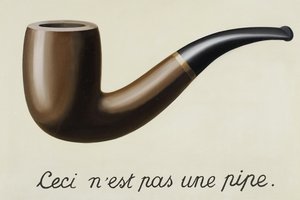
René Magritte's "The Tree of Knowledge," painted in 1929, isn’t merely a depiction of an image; it’s a carefully constructed invitation into the realm of dreams and the unsettling beauty of the subconscious. This seminal work from the heart of Surrealism embodies Magritte’s signature style – a deliberate disruption of reality designed to provoke contemplation and challenge our assumptions about perception. The painting immediately arrests the eye with its stark simplicity: a hazy, amorphous white form dominates the canvas, resembling both a cloud and a vaguely human silhouette. Within this ethereal shape reside two enigmatic words, “sabre” (sword) and “cheval” (horse), rendered in bold black lettering, creating an immediate tension between the familiar and the utterly bizarre.
The painting’s foundation is a muted blue background, subtly layered to suggest depth without relying on traditional perspective. Beneath this, a cylindrical grey form anchors the composition, providing a grounding element that contrasts sharply with the floating, dreamlike quality of the central figure. This juxtaposition—the solid and the ephemeral—is characteristic of Magritte's approach: he frequently placed ordinary objects within illogical contexts to expose the inherent strangeness of our visual experience. The deliberate lack of detail, the smooth, almost porcelain-like texture of the forms, contributes to a sense of detachment, as if we’re observing a scene from a half-remembered dream.
Decoding Symbolism and Myth
“The Tree of Knowledge” is rich with symbolic resonance, drawing heavily on the biblical narrative of Adam and Eve. The painting directly references the “Tree of Knowledge of Good and Evil,” a central motif in Genesis, representing the forbidden fruit that led to humanity’s expulsion from paradise. However, Magritte doesn't offer a straightforward illustration; instead, he presents a fragmented, abstracted version of this foundational myth. The words "sabre" and "cheval," seemingly unrelated, can be interpreted as symbols of power (the sword) and movement/warfare (the horse), suggesting the consequences of transgression – conflict, loss, and the inherent duality within human nature.
Interestingly, Magritte’s work also echoes ancient myths surrounding the tree of knowledge in other cultures. As research reveals, scholars have proposed various interpretations, including associations with wisdom, sexuality, or even a representation of the fundamental elements of existence – matter, life, mind and culture. The painting's ambiguity deliberately resists a single, definitive meaning, inviting viewers to project their own experiences and anxieties onto the scene.
Technique and Artistic Process
Magritte’s masterful execution lies in his meticulous attention to detail despite the overall dreamlike quality of the work. “The Tree of Knowledge” was likely created using oil paint on canvas, a medium that allowed him to achieve the smooth, almost polished surfaces characteristic of his style. The absence of visible brushstrokes—no impasto or textural variation—further enhances the painting’s unsettling effect, creating an illusion of perfect stillness and timelessness. This technique contributes to the feeling that we are witnessing a frozen moment in a surreal landscape.
The color palette is deliberately restrained – primarily blues, whites, blacks, and grays – reinforcing the sense of detachment and emphasizing the painting’s symbolic weight. The muted tones create an atmosphere of quiet contemplation, inviting viewers to linger and ponder the hidden meanings within the composition. It's a testament to Magritte's ability to evoke profound emotion through deceptively simple means.
A Legacy of Surrealist Vision
“The Tree of Knowledge” stands as a cornerstone of Surrealism, embodying the movement’s core principles of challenging conventional reality and exploring the depths of the unconscious mind. Magritte's work continues to resonate with audiences today because it taps into universal anxieties about knowledge, morality, and the limitations of human perception. The painting’s enduring appeal lies in its ability to simultaneously fascinate and unsettle, prompting us to question our own assumptions about the world around us. Reproductions of this iconic artwork offer a tangible connection to one of the 20th century's most influential artists – a portal into a world where logic yields to imagination.
Perguntas e Respostas
Qual ambiente é sugerido para "The tree of knowledge" de René Magritte?
Uma reprodução de "The tree of knowledge" fica muito bem em um(a) Living Room.
Existe um guia para "The tree of knowledge" de René Magritte?
Uma página de Guia está disponível para "The tree of knowledge" de René Magritte: uma ficha informativa imprimível sobre a obra, projetada para estudantes e uso em sala de aula.
Quem é o artista por trás de "The tree of knowledge"?
"The tree of knowledge" é atribuída a René Magritte.
Biografia do Artista
Early Life and the Seeds of Surrealism
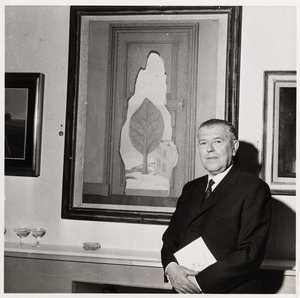
René Magritte, nascido René François Ghislain Magritte em 21 de novembro de 1898, em Lessines, Bélgica, emergiu em um mundo que moldaria profundamente sua visão artística enigmática. Seus primeiros anos foram marcados por um evento perturbador – o suicídio de sua mãe quando ele tinha apenas treze anos. A imagem do corpo dela sendo recuperado do Rio Sambre, com seu vestido obscurecendo o rosto, tornou-se um motivo assombrador que permeiairia sutilmente suas obras posteriores, manifestando-se em figuras disfarçadas e uma exploração persistente de realidades ocultas. Esse trauma precoce instilou nele uma fascinação por mistério, perda e o poder inquietante do que permanece invisível. Embora os detalhes de sua infância permaneçam um tanto elusivos, fica claro que essa experiência formativa lançou as bases para sua investigação contínua da percepção e representação. Ele começou a estudar desenho aos dez anos, revelando uma inclinação natural para a expressão visual, mas inicialmente explorou o Impressionismo antes de trilhar um caminho que o levaria a se tornar uma das figuras mais significativas do Surrealismo.
Artistic Development and Influences
A jornada artística de Magritte não foi imediata nem direta. Ele estudou na Academia Royale des Beaux-Arts em Bruxelas, mas encontrou seus métodos tradicionais sufocantes. Seu trabalho inicial experimentou com Futurismo e Cubismo, absorvendo elementos desses movimentos vanguardistas, mas acabou rejeitando suas preocupações puramente formais. Não foi até encontrar a pintura *The Song of Love* (1914) de Giorgio de Chirico em 1922 que Magritte descobriu uma ressonância que alteraria irreversivelmente seu curso artístico. A paisagem onírica de De Chirico e suas justaposições perturbadoras desbloquearam para Magritte uma nova maneira de ver – um mundo onde o familiar poderia ser representado de forma estranha, e o ordinário imbuído de mistério profundo. Esse encontro desencadeou seu compromisso com o Surrealismo, embora ele frequentemente mantivesse uma distância única de suas abordagens mais psicológicas ou automáticas. Ele preferiu uma precisão meticulosa, quase clínica, em sua pintura, usando técnicas realistas para representar cenários ilógicos.
The Heart of Surrealism: Challenging Reality
Em 1926, Magritte havia abraçado plenamente os princípios do Surrealismo, produzindo *Le Jockey Perdu (The Lost Jockey)*, amplamente considerado sua primeira obra surrealista genuína. No entanto, seu tipo de Surrealismo era distinto. Ele não estava interessado em explorar o inconsciente por meio da livre associação ou imagens de sonho como alguns de seus contemporâneos. Em vez disso, Magritte procurou desafiar a percepção dos espectadores sobre a realidade ao apresentar objetos cotidianos em contextos inesperados, forçando-os a questionar suas suposições sobre o mundo ao seu redor. Obras icônicas como *The Treachery of Images (This is not a pipe)* (1929) desconstroem brilhantemente a relação entre imagem e objeto, lembrando-nos que uma representação nunca é a coisa em si. *Les Amants (The Lovers)* (1927-1928), com suas figuras envoltas, ecoam o trauma da morte de sua mãe enquanto exploram simultaneamente temas de ocultamento e intimidade. *Time Transfixed* (1938) apresenta um trem atravessando uma parede de tijolos, interrompendo nossa sensação de espaço e tempo. E *The Human Condition* (1933), uma tela dentro de uma tela, borra os limites entre representação e realidade, nos convidando a considerar como percebemos e interpretamos o mundo.
Later Life, Recognition, and Enduring Legacy
Apesar das dificuldades iniciais para receber reconhecimento, o trabalho de Magritte ganhou gradualmente destaque, particularmente nos Estados Unidos com exposições em 1936 e posteriormente exposições retrospectivas no Museu de Arte Moderna (1965) e no Metropolitan Museum of Art (1992). Ele permaneceu politicamente engajado ao longo de sua vida, defendendo a autonomia artística. Ele continuou a refinar seu estilo característico, explorando temas de repetição, ilusão e o poder da linguagem em pinturas que são tanto intelectualmente estimulantes quanto visualmente impressionantes. Magritte morreu em 15 de agosto de 1967, deixando para trás um corpo de trabalho que continua a cativar e desafiar os públicos mundialmente. Sua influência se estende muito além do reino da pintura, impactando o Pop Art, o Minimalismo e o Conceitualismo, e até mesmo a publicidade e o cinema. Hoje, suas pinturas são mantidas em importantes coleções de museus ao redor do mundo, incluindo os Musées royaux des beaux-arts de Belgique em Bruxelas, que abrigam o Magritte Museum – dedicado inteiramente à sua obra e possuindo a maior coleção de suas criações.
- Coleções de Museus: Musées royaux des beaux-arts de Belgique, Bruxelas; Magritte Museum.
Magritte's enduring legacy lies in his ability to make us see the familiar anew, to question our assumptions about reality, and to appreciate the power of art to provoke thought and inspire wonder. He wasn’t simply painting images; he was crafting visual paradoxes that continue to resonate with viewers decades after their creation, solidifying his position as a true master of Surrealism and a pivotal figure in 20th-century art.
René Magritte
1898 - 1967 , Bélgica
Informações Rápidas
- Artistic Movement Or Style: Surrealismo
- Artists Or Movements Influenced By This Artist:
- Pop Art
- Minimalismo
- Artists Who Influenced This Artist: ['Giorgio de Chirico']
- Date Of Birth: 21 de novembro de 1898
- Date Of Death: 15 de agosto de 1967
- Full Name: René François Ghislain Magritte
- Nationality: Belga
- Notable Artworks:
- Les Amants
- A Queda
- O Jogador Perdido
- Place Of Birth: Lessines, Bélgica
Artigos Relacionados

The Treachery of Images: Decoding René Magritte’s Surrealist Vision and the Paradox of Representation
Delve into the profound mysteries of René Magritte’s Surrealism. Explore an expert analysis of 'The Treachery of Images,' decoding the philosophical paradoxes and visual subversions that redefined modern art history for collectors and connoisseurs alike.
The Treachery of Images: Decoding René Magritte’s Surrealist Philosophy and the Paradox of Representation
Explore the profound mystery of René Magritte’s 'The Treachery of Images.' Dive into an expert analysis of his Surrealist philosophy, the paradox of representation, and how he challenged reality through the interplay of language and visual perception.

Arboreal Echoes: A Historical & Artistic Exploration of Trees in Painting
Explore the rich history of trees in painting! Discover symbolism, Romantic masterpieces by Caspar David Friedrich & beyond. A curated journey for art enthusiasts.
Arboreal Echoes: A Historical & Artistic Exploration of Trees in Painting
Explore the rich history of trees in painting! Discover symbolism, Romantic masterpieces by Caspar David Friedrich & beyond. A curated journey for art enthusiasts.
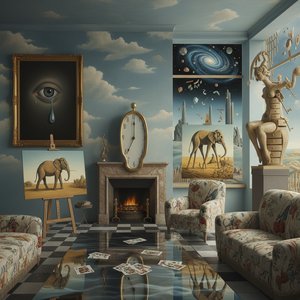
Surrealismo: 10 Obras-Primas que Definiram um Movimento Artístico Inovador | OriginalUniqueArt.com
Mergulhe no universo onírico do Surrealismo! Explore 10 obras-primas de Dalí, Magritte e outros artistas icônicos. Descubra a história, técnica e emoção por trás dessas pinturas revolucionárias. Encontre reproduções de arte exclusivas em OriginalUniqueArt.com.