Visualizar na parede
 Compartilhar
 Compartilhar
 Detalhes

 Baixar imagem
 Semelhantes
 Raio X
 Slideshow
 Estatísticas
The survivor


 Ler mais
Giclée / Impressão de Arte
Impressão giclée ou em tela de qualidade de museu, com produção rápida e opções flexíveis de acabamento. ( Comprar pintura feita à mão Alternar para Imagem Digital)




P118B $10

P118H $10

P118W $10

P438Z $10

P508JH $12

P508YH $12

P805H $10

P805Z $10

P919BZ $10

P919G $10

P919XJ $10

P959ZH $10

P968JZ $12

W106C $8

W218G $10

W218JH $8

W218Y $10

W307PJ $10

W316G $10

W316PJ $8

W316Y $10

W398PJ $8

W4111J $10

W500HY $15

W500JH $15

W692G $12

W849H $8

W940BG $15

W953PJ $8




Escolha entre os nossos tamanhos pré-definidos que respeitam as proporções originais da obra de arte.

Você pode inserir suas próprias dimensões para se ajustar a uma moldura ou espaço específico. Se o tamanho selecionado não corresponder às proporções da imagem original, iremos recortar a obra de arte ou estender a imagem com uma borda espelhada ou preenchimento sólido. Um mockup digital será enviado para sua aprovação antes do início da produção.
Por favor, observe que a visualização na tela não reflete o recorte ou a extensão real. Apenas o mockup mostrará com precisão a composição final.
Embora tamanhos personalizados estejam disponíveis, recomendamos selecionar uma dimensão da lista predefinida para preservar as proporções originais.
Entrega mundial () em 2 semanas, em vez das 4/5 semanas padrão. (13 Setembro)

Envio expresso gratuito para todo o mundo

Tela de Linho de Alta Qualidade

Seguro de transporte completo

Garantia de Reembolso de Impostos Alfandegários

Garantia de Fidelidade Cromática

Política de Devolução de 100 Dias (Apenas Defeitos)

Garantia de reembolso de 100%

Oferta de desconto por quantidade
 A opção de vidro está disponível apenas para tamanhos inferiores a 110 cm

The survivor
Giclée / Impressão de Arte
Tamanho da Reprodução
-


Preço Total
$ 80
A Disturbing Domesticity: Unveiling René Magritte’s ‘The Survivor’
This 1950 oil painting by René Magritte is a masterclass in unsettling juxtaposition. It presents a seemingly ordinary domestic interior disrupted by the stark presence of a rifle, creating a powerful and enduring image that lingers long after viewing. The work isn't about glorifying weaponry or depicting heroic action; it’s about the insidious creep of violence into everyday life, and the anxieties simmering beneath a veneer of civility.Style & Technique: Surrealism Through Defamiliarization
Magritte, a pivotal figure in the Surrealist movement, employs his signature technique of *defamiliarization* here. Rather than relying on fantastical imagery, he renders commonplace objects with meticulous realism and places them within unexpected contexts. The painting’s strength lies in its hyper-realistic execution – observe the detailed wood grain of the floorboards, the subtle texture of the wallpaper, and the metallic sheen of the rifle itself. This precision amplifies the unsettling effect; Magritte doesn't distort reality, he *questions* it. His brushwork is controlled, building depth through layered colors, reminiscent of his earlier Impressionistic explorations but now serving a dramatically different emotional purpose.Composition & Color: A Study in Tension and Contrast
The composition centers the rifle as its dominant element, drawing the eye immediately to its dark form. Strong vertical lines – the gun itself, the wall paneling – create a sense of rigidity and formality, contrasted by the grounding stability of the horizontal floorboards. The repeating pattern of the wallpaper adds to this feeling of order, ironically highlighting the implied chaos signaled by the crimson stain beneath the weapon. The color palette is largely composed of warm tones—muted oranges and browns evoking aged elegance but also hinting at decay. This warmth is brutally interrupted by the rifle’s stark blackness and, crucially, the shocking splash of dark red – an undeniable symbol of bloodshed. Directional lighting casts long shadows, further emphasizing the gun's presence and contributing to the overall mood of mystery and foreboding.Historical Context & Symbolism: Echoes of Post-War Trauma
Created in 1950, just five years after the end of World War II, ‘The Survivor’ deeply resonates with the anxieties of a world grappling with immense loss and trauma. While Magritte rarely directly addressed political events, his work often reflects a broader sense of unease and disillusionment. The rifle isn't presented as an emblem of power or glory; it simply *exists*, casually leaning against a wall within what appears to be a comfortable home. This juxtaposition forces the viewer to confront the insidious presence of violence within everyday life. The opulent setting could symbolize societal structures, suggesting that brutality can lurk beneath even the most refined and orderly surfaces. The bloodstain isn’t merely graphic; it's a stark reminder of mortality and the fragility of peace.Emotional Impact & Interpretation: A Lingering Disquiet
‘The Survivor’ is not designed for passive enjoyment. It evokes feelings of discomfort, anxiety, and perhaps even dread. Magritte masterfully creates psychological tension, leaving much open to interpretation. Is this a scene depicting past violence? A looming threat? Or a meditation on the inherent destructive potential within humanity itself? The painting's power resides in its ambiguity; it doesn’t offer answers but compels us to confront uncomfortable questions about our world and ourselves. It is a hauntingly beautiful work that continues to resonate with viewers, serving as a potent reminder of the darkness that can exist even within seemingly civilized settings. It serves as a powerful statement on the human condition and the ever-present shadow of conflict.Key Features for Collectors & Designers
- Subject Matter: Still life with symbolic elements, exploring themes of violence, peace, and societal anxieties.
- Style: Surrealism, characterized by realism combined with unsettling juxtapositions.
- Color Palette: Warm tones (oranges, browns) contrasted with stark black and crimson red.
- Emotional Impact: Evokes feelings of discomfort, anxiety, and contemplation.
- Interior Design Applications: A striking focal point for living rooms, studies, or hallways. Its somber tones pair well with minimalist or mid-century modern aesthetics. Consider placement to encourage thoughtful conversation and reflection.
Biografia do Artista
Early Life and the Seeds of Surrealism
René Magritte, nascido René François Ghislain Magritte em 21 de novembro de 1898, em Lessines, Bélgica, emergiu em um mundo que moldaria profundamente sua visão artística enigmática. Seus primeiros anos foram marcados por um evento perturbador – o suicídio de sua mãe quando ele tinha apenas treze anos. A imagem do corpo dela sendo recuperado do Rio Sambre, com seu vestido obscurecendo o rosto, tornou-se um motivo assombrador que permeiairia sutilmente suas obras posteriores, manifestando-se em figuras disfarçadas e uma exploração persistente de realidades ocultas. Esse trauma precoce instilou nele uma fascinação por mistério, perda e o poder inquietante do que permanece invisível. Embora os detalhes de sua infância permaneçam um tanto elusivos, fica claro que essa experiência formativa lançou as bases para sua investigação contínua da percepção e representação. Ele começou a estudar desenho aos dez anos, revelando uma inclinação natural para a expressão visual, mas inicialmente explorou o Impressionismo antes de trilhar um caminho que o levaria a se tornar uma das figuras mais significativas do Surrealismo.
Artistic Development and Influences
A jornada artística de Magritte não foi imediata nem direta. Ele estudou na Academia Royale des Beaux-Arts em Bruxelas, mas encontrou seus métodos tradicionais sufocantes. Seu trabalho inicial experimentou com Futurismo e Cubismo, absorvendo elementos desses movimentos vanguardistas, mas acabou rejeitando suas preocupações puramente formais. Não foi até encontrar a pintura *The Song of Love* (1914) de Giorgio de Chirico em 1922 que Magritte descobriu uma ressonância que alteraria irreversivelmente seu curso artístico. A paisagem onírica de De Chirico e suas justaposições perturbadoras desbloquearam para Magritte uma nova maneira de ver – um mundo onde o familiar poderia ser representado de forma estranha, e o ordinário imbuído de mistério profundo. Esse encontro desencadeou seu compromisso com o Surrealismo, embora ele frequentemente mantivesse uma distância única de suas abordagens mais psicológicas ou automáticas. Ele preferiu uma precisão meticulosa, quase clínica, em sua pintura, usando técnicas realistas para representar cenários ilógicos.
The Heart of Surrealism: Challenging Reality
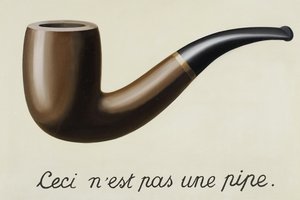
Em 1926, Magritte havia abraçado plenamente os princípios do Surrealismo, produzindo *Le Jockey Perdu (The Lost Jockey)*, amplamente considerado sua primeira obra surrealista genuína. No entanto, seu tipo de Surrealismo era distinto. Ele não estava interessado em explorar o inconsciente por meio da livre associação ou imagens de sonho como alguns de seus contemporâneos. Em vez disso, Magritte procurou desafiar a percepção dos espectadores sobre a realidade ao apresentar objetos cotidianos em contextos inesperados, forçando-os a questionar suas suposições sobre o mundo ao seu redor. Obras icônicas como *The Treachery of Images (This is not a pipe)* (1929) desconstroem brilhantemente a relação entre imagem e objeto, lembrando-nos que uma representação nunca é a coisa em si. *Les Amants (The Lovers)* (1927-1928), com suas figuras envoltas, ecoam o trauma da morte de sua mãe enquanto exploram simultaneamente temas de ocultamento e intimidade. *Time Transfixed* (1938) apresenta um trem atravessando uma parede de tijolos, interrompendo nossa sensação de espaço e tempo. E *The Human Condition* (1933), uma tela dentro de uma tela, borra os limites entre representação e realidade, nos convidando a considerar como percebemos e interpretamos o mundo.
Later Life, Recognition, and Enduring Legacy
Apesar das dificuldades iniciais para receber reconhecimento, o trabalho de Magritte ganhou gradualmente destaque, particularmente nos Estados Unidos com exposições em 1936 e posteriormente exposições retrospectivas no Museu de Arte Moderna (1965) e no Metropolitan Museum of Art (1992). Ele permaneceu politicamente engajado ao longo de sua vida, defendendo a autonomia artística. Ele continuou a refinar seu estilo característico, explorando temas de repetição, ilusão e o poder da linguagem em pinturas que são tanto intelectualmente estimulantes quanto visualmente impressionantes. Magritte morreu em 15 de agosto de 1967, deixando para trás um corpo de trabalho que continua a cativar e desafiar os públicos mundialmente. Sua influência se estende muito além do reino da pintura, impactando o Pop Art, o Minimalismo e o Conceitualismo, e até mesmo a publicidade e o cinema. Hoje, suas pinturas são mantidas em importantes coleções de museus ao redor do mundo, incluindo os Musées royaux des beaux-arts de Belgique em Bruxelas, que abrigam o Magritte Museum – dedicado inteiramente à sua obra e possuindo a maior coleção de suas criações.
- Coleções de Museus: Musées royaux des beaux-arts de Belgique, Bruxelas; Magritte Museum.
Magritte's enduring legacy lies in his ability to make us see the familiar anew, to question our assumptions about reality, and to appreciate the power of art to provoke thought and inspire wonder. He wasn’t simply painting images; he was crafting visual paradoxes that continue to resonate with viewers decades after their creation, solidifying his position as a true master of Surrealism and a pivotal figure in 20th-century art.
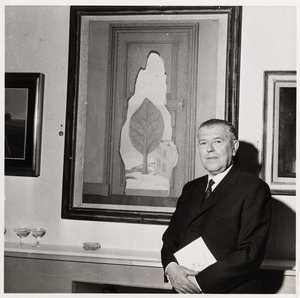
René Magritte
1898 - 1967 , Bélgica
Dados Rápidos
- Artistic Movement Or Style: Surrealismo
- Artists Or Movements Influenced By This Artist:
- Pop Art
- Minimalismo
- Artists Who Influenced This Artist: ['Giorgio de Chirico']
- Date Of Birth: 21 de novembro de 1898
- Date Of Death: 15 de agosto de 1967
- Full Name: René François Ghislain Magritte
- Nationality: Belga
- Notable Artworks:
- Les Amants
- A Queda
- O Jogador Perdido
- Place Of Birth: Lessines, Bélgica
Artigos Relacionados
The Treachery of Images: Decoding René Magritte’s Surrealist Philosophy and the Paradox of Representation
Explore the profound mystery of René Magritte’s 'The Treachery of Images.' Dive into an expert analysis of his Surrealist philosophy, the paradox of representation, and how he challenged reality through the interplay of language and visual perception.

The Enduring Legacy of Oil on Canvas: Technique, History & Aesthetic Impact
Explore the rich history & techniques of oil painting – from Renaissance masters to Impressionism. Discover pigments, layering methods, and why this timeless medium endures. Expert insights for artists & art enthusiasts.
Surrealismo na Pintura: 10 Obras-Primas que Definiram um Movimento Artístico
Descubra as 10 obras-primas que moldaram o Surrealismo! Explore a história de Dalí, Magritte e Miró. Encontre reproduções de arte exclusivas para transformar sua casa com OriginalUniqueArt.com.

Oil on Canvas: A Historical & Technical Exploration of a Timeless Artistic Medium
Explore the rich history & enduring techniques of oil painting on canvas. Discover the science behind its longevity, conservation practices, and contemporary relevance. Expert insights for art enthusiasts.

The Treachery of Images: Decoding René Magritte’s Surrealist Vision and the Paradox of Representation
Delve into the profound mysteries of René Magritte’s Surrealism. Explore an expert analysis of 'The Treachery of Images,' decoding the philosophical paradoxes and visual subversions that redefined modern art history for collectors and connoisseurs alike.