- Início

- Impressão em tela
- René Magritte
- The explanation

 Encomendar pintura Comprar imagem em alta resolução
 Enviar
 Compartilhar
 Detalhes da obra
 Adicionar aos favoritos

 Baixar
 Semelhantes
 Raio X
 Slideshow
The explanation
 Acrylic On Canvas
- WallArt
- Surrealist Movement
 1952
1952 46.0 x 35.0 cm
 Ver mais
Giclê / Impressão de Arte
Impressão giclée ou em tela de qualidade de museu, com produção rápida e opções flexíveis de acabamento.




P118B $10

P118H $10

P118W $10

P438Z $10

P508JH $12

P508YH $12

P805H $10

P805Z $10

P919BZ $10

P919G $10

P919XJ $10

P959ZH $10

P968JZ $12

W106C $8

W218G $10

W218JH $8

W218Y $10

W307PJ $10

W316G $10

W316PJ $8

W316Y $10

W398PJ $8

W4111J $10

W500HY $15

W500JH $15

W692G $12

W849H $8

W940BG $15

W953PJ $8




Escolha entre os nossos tamanhos pré-definidos que respeitam as proporções originais da obra de arte.

Você pode inserir suas próprias dimensões para se ajustar a uma moldura ou espaço específico. Se o tamanho selecionado não corresponder às proporções da imagem original, iremos recortar a obra de arte ou estender a imagem com uma borda espelhada ou preenchimento sólido. Um mockup digital será enviado para sua aprovação antes do início da produção.
Por favor, observe que a visualização na tela não reflete o recorte ou a extensão real. Apenas o mockup mostrará com precisão a composição final.
Embora tamanhos personalizados estejam disponíveis, recomendamos selecionar uma dimensão da lista predefinida para preservar as proporções originais.
Entrega mundial () em 2 semanas, em vez das 4/5 semanas padrão. (21 Julho)

Envio Expresso Gratuito para todo o Mundo

Tela de Linho Premium

Seguro de envio completo

Garantia de Reembolso de Impostos Alfandegários

Garantia de Fidelidade de Cores

Política de Devolução de 60 Dias (Apenas para Defeitos)

Garantia de 100% de Reembolso

Desconto para múltiplas unidades
 A opção de vidro está disponível apenas para tamanhos inferiores a 110 cm

The explanation
Giclê / Impressão de Arte
Dimensões da Reprodução
-


Preço Total Final
-
Descrição da Obra
A Silent Dialogue Between Objects: Unpacking René Magritte’s *The Explanation*
René Magritte's *The Explanation*, painted in 1952, isn’t merely a depiction of two carrots and three bottles; it’s an invitation to a profound meditation on perception itself. This deceptively simple composition, measuring a modest 46 x 35 cm, embodies the core tenets of Magritte's surrealist approach – a deliberate disruption of reality designed to provoke thought and challenge our ingrained assumptions about how we see the world. The painting immediately arrests the eye with its stark simplicity, yet beneath this apparent tranquility lies a complex web of symbolic suggestion and artistic technique that has captivated viewers for decades. It’s a work that whispers rather than shouts, demanding a patient engagement from the observer.The Language of the Ordinary: Composition and Technique
Magritte's genius lay in his ability to elevate the mundane into the extraordinary. *The Explanation* is a masterclass in this technique. The two carrots, one noticeably larger than the other, are positioned with an almost unsettling precision – they dominate the left side of the frame, subtly asserting their presence. The bottles, rendered in muted tones and varying sizes, contribute to the overall sense of imbalance and quiet tension. Notice how Magritte employs a smooth, almost photographic realism for these everyday objects, juxtaposed against the slightly blurred background. This deliberate contrast reinforces the painting’s central theme: the unsettling nature of familiar things when presented out of context. The use of oil on canvas allows for rich textures and subtle gradations of color, contributing to the painting's atmospheric quality – a dreamlike haze that obscures any easy interpretation. The careful placement of each element feels deliberately calculated, as if Magritte were constructing a visual puzzle with no readily apparent solution.Symbolism and the Unseen: A Journey into the Subconscious
While Magritte famously resisted providing definitive explanations for his work, *The Explanation* is ripe with symbolic potential. The carrots themselves have been interpreted in various ways – some suggest they represent fertility or abundance, while others see them as a reference to the biblical story of Adam and Eve, hinting at temptation and knowledge. The bottles, often associated with containment and secrets, could symbolize the hidden aspects of our own consciousness. The vase, positioned low in the frame, might represent fragility or vulnerability – a reminder that even the most beautiful objects can be easily broken. Crucially, the title itself, “The Explanation,” is deliberately ironic. It suggests an attempt to provide clarity where none exists, mirroring the painting’s own elusive nature. Magritte's work consistently explores the gap between what we *see* and what we *know*, a space filled with uncertainty and the potential for multiple interpretations.Contextualizing the Surreal: Magritte within the Movement
*The Explanation* firmly places René Magritte within the broader context of the surrealist movement, alongside artists like Salvador Dalí and Max Ernst. However, Magritte’s approach differed significantly from the overtly fantastical imagery often associated with Dalí. Magritte wasn't interested in creating elaborate dreamscapes; instead, he sought to expose the inherent strangeness of reality itself. His work reflects a deeper philosophical inquiry into the nature of representation – how we perceive and understand the world through art. The painting’s creation coincided with a period of intense intellectual debate surrounding the relationship between image and idea, mirroring the broader anxieties of the post-war era. The Musée d'Ixelles in Brussels houses an impressive collection of Magritte’s work, offering invaluable insight into his artistic development and the wider context of surrealist thought.A Timeless Invitation to Question
*The Explanation* remains a powerfully evocative artwork, demonstrating Magritte’s unique ability to transform the ordinary into the extraordinary. It's not a painting that offers easy answers; rather, it presents a series of carefully arranged objects that invite us to question our assumptions about reality and perception. A high-quality reproduction captures the subtle nuances of Magritte’s technique and allows viewers to engage with this enigmatic masterpiece on a deeper level. Explore more of René Magritte's captivating oeuvre at /art/l – discover the world of silent dialogues and unexpected realities that define his extraordinary legacy.Biografia do Artista
Early Life and the Seeds of Surrealism
René Magritte, nascido René François Ghislain Magritte em 21 de novembro de 1898, em Lessines, Bélgica, emergiu em um mundo que moldaria profundamente sua visão artística enigmática. Seus primeiros anos foram marcados por um evento perturbador – o suicídio de sua mãe quando ele tinha apenas treze anos. A imagem do corpo dela sendo recuperado do Rio Sambre, com seu vestido obscurecendo o rosto, tornou-se um motivo assombrador que permeiairia sutilmente suas obras posteriores, manifestando-se em figuras disfarçadas e uma exploração persistente de realidades ocultas. Esse trauma precoce instilou nele uma fascinação por mistério, perda e o poder inquietante do que permanece invisível. Embora os detalhes de sua infância permaneçam um tanto elusivos, fica claro que essa experiência formativa lançou as bases para sua investigação contínua da percepção e representação. Ele começou a estudar desenho aos dez anos, revelando uma inclinação natural para a expressão visual, mas inicialmente explorou o Impressionismo antes de trilhar um caminho que o levaria a se tornar uma das figuras mais significativas do Surrealismo.
Artistic Development and Influences
A jornada artística de Magritte não foi imediata nem direta. Ele estudou na Academia Royale des Beaux-Arts em Bruxelas, mas encontrou seus métodos tradicionais sufocantes. Seu trabalho inicial experimentou com Futurismo e Cubismo, absorvendo elementos desses movimentos vanguardistas, mas acabou rejeitando suas preocupações puramente formais. Não foi até encontrar a pintura *The Song of Love* (1914) de Giorgio de Chirico em 1922 que Magritte descobriu uma ressonância que alteraria irreversivelmente seu curso artístico. A paisagem onírica de De Chirico e suas justaposições perturbadoras desbloquearam para Magritte uma nova maneira de ver – um mundo onde o familiar poderia ser representado de forma estranha, e o ordinário imbuído de mistério profundo. Esse encontro desencadeou seu compromisso com o Surrealismo, embora ele frequentemente mantivesse uma distância única de suas abordagens mais psicológicas ou automáticas. Ele preferiu uma precisão meticulosa, quase clínica, em sua pintura, usando técnicas realistas para representar cenários ilógicos.
The Heart of Surrealism: Challenging Reality
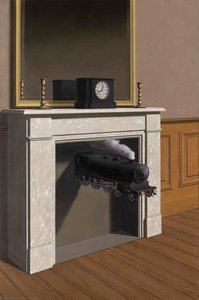
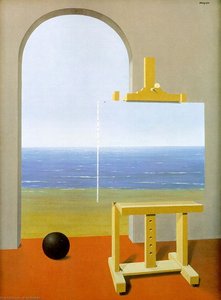
Em 1926, Magritte havia abraçado plenamente os princípios do Surrealismo, produzindo *Le Jockey Perdu (The Lost Jockey)*, amplamente considerado sua primeira obra surrealista genuína. No entanto, seu tipo de Surrealismo era distinto. Ele não estava interessado em explorar o inconsciente por meio da livre associação ou imagens de sonho como alguns de seus contemporâneos. Em vez disso, Magritte procurou desafiar a percepção dos espectadores sobre a realidade ao apresentar objetos cotidianos em contextos inesperados, forçando-os a questionar suas suposições sobre o mundo ao seu redor. Obras icônicas como *The Treachery of Images (This is not a pipe)* (1929) desconstroem brilhantemente a relação entre imagem e objeto, lembrando-nos que uma representação nunca é a coisa em si. *Les Amants (The Lovers)* (1927-1928), com suas figuras envoltas, ecoam o trauma da morte de sua mãe enquanto exploram simultaneamente temas de ocultamento e intimidade. *Time Transfixed* (1938) apresenta um trem atravessando uma parede de tijolos, interrompendo nossa sensação de espaço e tempo. E *The Human Condition* (1933), uma tela dentro de uma tela, borra os limites entre representação e realidade, nos convidando a considerar como percebemos e interpretamos o mundo.
Later Life, Recognition, and Enduring Legacy
Apesar das dificuldades iniciais para receber reconhecimento, o trabalho de Magritte ganhou gradualmente destaque, particularmente nos Estados Unidos com exposições em 1936 e posteriormente exposições retrospectivas no Museu de Arte Moderna (1965) e no Metropolitan Museum of Art (1992). Ele permaneceu politicamente engajado ao longo de sua vida, defendendo a autonomia artística. Ele continuou a refinar seu estilo característico, explorando temas de repetição, ilusão e o poder da linguagem em pinturas que são tanto intelectualmente estimulantes quanto visualmente impressionantes. Magritte morreu em 15 de agosto de 1967, deixando para trás um corpo de trabalho que continua a cativar e desafiar os públicos mundialmente. Sua influência se estende muito além do reino da pintura, impactando o Pop Art, o Minimalismo e o Conceitualismo, e até mesmo a publicidade e o cinema. Hoje, suas pinturas são mantidas em importantes coleções de museus ao redor do mundo, incluindo os Musées royaux des beaux-arts de Belgique em Bruxelas, que abrigam o Magritte Museum – dedicado inteiramente à sua obra e possuindo a maior coleção de suas criações.
- Coleções de Museus: Musées royaux des beaux-arts de Belgique, Bruxelas; Magritte Museum.
Magritte's enduring legacy lies in his ability to make us see the familiar anew, to question our assumptions about reality, and to appreciate the power of art to provoke thought and inspire wonder. He wasn’t simply painting images; he was crafting visual paradoxes that continue to resonate with viewers decades after their creation, solidifying his position as a true master of Surrealism and a pivotal figure in 20th-century art.
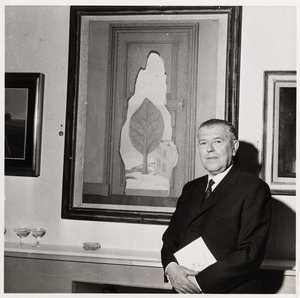
René Magritte
1898 - 1967 , Bélgica
Informações Rápidas
- Artistic Movement Or Style: Surrealismo
- Artists Or Movements Influenced By This Artist:
- Pop Art
- Minimalismo
- Artists Who Influenced This Artist: ['Giorgio de Chirico']
- Date Of Birth: 21 de novembro de 1898
- Date Of Death: 15 de agosto de 1967
- Full Name: René François Ghislain Magritte
- Nationality: Belga
- Notable Artworks:
- Les Amants
- A Queda
- O Jogador Perdido
- Place Of Birth: Lessines, Bélgica
Artigos Relacionados
René Magritte: As 25 Obras-Primas do Mestre Surrealista | OriginalUniqueArt
Descubra as 25 obras-primas de René Magritte, o mestre do surrealismo! Explore a história, significado e técnica por trás de quadros icônicos como 'Golconda' e 'O Falso Problema'. Encontre reproduções de arte exclusivas para decorar seu lar com OriginalUniqueArt.com.
Metropolitan Museum of Art: 25 Obras-Primas Essenciais para Amantes da Arte
Descubra as 25 obras-primas do Metropolitan Museum of Art em Nova York! Explore a história de Van Gogh, Monet e outros artistas renomados. Encontre reproduções de arte exclusivas para decorar sua casa com elegância. OriginalUniqueArt.com – Sua fonte de inspiração artística.
Os 25 Tesouros da National Gallery of Art: Arte, História e Decoração Exclusiva
Descubra os 25 tesouros da National Gallery of Art, Washington! Explore a história de Cézanne, Matisse, Picasso e outros mestres. Encontre reproduções de arte exclusivas para decorar sua casa com elegância. Inspire-se e explore a coleção completa em OriginalUniqueArt.com.

James Abbott McNeill Whistler: As 25 Obras-Primas que Definem um Mestre da Arte
Descubra as 25 obras-primas de James Abbott McNeill Whistler, o mestre do Impressionismo e dos 'Nocturnes'. Explore a história por trás de cada pintura, cores e técnicas. Encontre reproduções de arte exclusivas para decorar sua casa com elegância em OriginalUniqueArt.com!
Henri Matisse: As 25 Obras-Primas que Definem um Mestre da Cor | OriginalUniqueArt
Descubra as 25 obras-primas de Henri Matisse que revolucionaram a arte moderna! Explore o Fauvismo, cores vibrantes e a história por trás dos quadros mais famosos do artista. Encontre reproduções de alta qualidade para decorar sua casa com OriginalUniqueArt.com.