Text size

() ·

A painting made for you, by hand

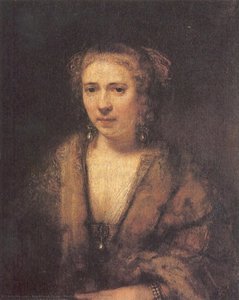
Philosopher in Meditation

Reprodução em Óleo Feita à Mão

Óleo sobre tela pintado à mão no tamanho e moldura de sua escolha, feito sob encomenda pelos nossos artistas. ( Alternar para Impressão Alternar para Imagem Digital)

Descrição do Item

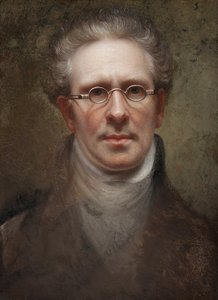
Explore Rembrandt Peale’s ‘Philosopher in Meditation’ (1632). A Baroque masterpiece featuring dramatic lighting & a contemplative figure. Discover this American classic!

Biografia do Artista

Rembrandt Peale: um pintor icônico americano, famoso por seus retratos de Washington e Jefferson. Explore seu estilo neoclássico e o legado do museu.

from ·

Chapter 1

How large should it be?

Slide to change the size; the picture on the left shows the frame at its real width. The proportions of the original are kept.

Tamanho padrão
personalizado
CM
INCH

Escolha entre os nossos tamanhos pré-definidos que respeitam as proporções originais da obra de arte.

largura
altura

Insira a largura e a altura desejadas para se ajustarem à sua moldura ou parede. Como esta obra é pintada à mão, para um tamanho com proporções diferentes, o artista poderá pintar um pouco mais ao redor da imagem ou reduzir ligeiramente a composição — você escolhe. Enviamos uma maquete digital para sua aprovação antes de iniciar a pintura. A imagem exibida nesta página não representa o resultado real — apenas a maquete mostra o resultado final.

Chapter 2

How should it arrive?

Choose the edges of the stretched canvas

Choose your frame

Corner sample of the WhiteWrap canvas edge finish, stretched on madeira maciça bars
White €1
Corner sample of the BlurSideWrap canvas edge finish, stretched on madeira maciça bars
Blurside €1
Corner sample of the ExtendedWrap canvas edge finish, stretched on madeira maciça bars
Extended €1
Corner sample of the P118B picture frame: poliestireno moldado, 5 cm wide and 3 cm thick
P118B €10
Corner sample of the P118H picture frame: poliestireno moldado, 5 cm wide and 3 cm thick
P118H €10
Corner sample of the P118W picture frame: poliestireno moldado, 5 cm wide and 3 cm thick
P118W €10
Corner sample of the P438Z picture frame: poliestireno moldado, 5.5 cm wide and 3.5 cm thick
P438Z €10
Corner sample of the P508JH picture frame: poliestireno moldado, 7 cm wide and 3.5 cm thick
P508JH €12
Corner sample of the P508YH picture frame: poliestireno moldado, 7 cm wide and 3.5 cm thick
P508YH €12
Corner sample of the P805H picture frame: poliestireno moldado, 5 cm wide and 3.5 cm thick
P805H €10
Corner sample of the P805Z picture frame: poliestireno moldado, 5 cm wide and 3.5 cm thick
P805Z €10
Corner sample of the P919BZ picture frame: poliestireno moldado, 7 cm wide and 3.5 cm thick
P919BZ €10
Corner sample of the P919G picture frame: poliestireno moldado, 7 cm wide and 3.5 cm thick
P919G €10
Corner sample of the P919XJ picture frame: poliestireno moldado, 7 cm wide and 3.5 cm thick
P919XJ €10
Corner sample of the P959ZH picture frame: poliestireno moldado, 5 cm wide and 3 cm thick
P959ZH €10
Corner sample of the P968JZ picture frame: poliestireno moldado, 6 cm wide and 4 cm thick
P968JZ €12
Corner sample of the W106C picture frame: madeira maciça, 5 cm wide and 3 cm thick
W106C €8
Corner sample of the W218G picture frame: madeira maciça, 5 cm wide and 3 cm thick
W218G €10
Corner sample of the W218JH picture frame: madeira maciça, 5 cm wide and 3 cm thick
W218JH €8
Corner sample of the W218Y picture frame: madeira maciça, 5 cm wide and 3 cm thick
W218Y €10
Corner sample of the W307PJ picture frame: madeira maciça, 6 cm wide and 3 cm thick
W307PJ €10
Corner sample of the W316G picture frame: madeira maciça, 6 cm wide and 3 cm thick
W316G €10
Corner sample of the W316PJ picture frame: madeira maciça, 6 cm wide and 3 cm thick
W316PJ €8
Corner sample of the W316Y picture frame: madeira maciça, 6 cm wide and 3 cm thick
W316Y €10
Corner sample of the W398PJ picture frame: madeira maciça, 5 cm wide and 3 cm thick
W398PJ €8
Corner sample of the W4111J picture frame: madeira maciça, 6.5 cm wide and 3.5 cm thick
W4111J €10
Corner sample of the W500HY picture frame: madeira maciça, 7 cm wide and 5 cm thick
W500HY €15
Corner sample of the W500JH picture frame: madeira maciça, 7 cm wide and 5 cm thick
W500JH €15
Corner sample of the W692G picture frame: madeira maciça, 8 cm wide and 4 cm thick
W692G €12
Corner sample of the W849H picture frame: madeira maciça, 5 cm wide and 3 cm thick
W849H €8
Corner sample of the W940BG picture frame: madeira maciça, 7.5 cm wide and 4.5 cm thick
W940BG €15
Corner sample of the W953PJ picture frame: madeira maciça, 6 cm wide and 3.5 cm thick
W953PJ €8
Corner sample of the H24-GOLD picture frame: madeira entalhada com gesso, 10 cm wide and 6 cm thick
H24-GOLD €30
Corner sample of the H24-SILVER picture frame: madeira entalhada com gesso, 10 cm wide and 6 cm thick
H24-SILVER €30
Corner sample of the H36-GOLD picture frame: madeira entalhada com gesso, 15 cm wide and 6.5 cm thick
H36-GOLD €45
Corner sample of the H36-SILVER picture frame: madeira entalhada com gesso, 15 cm wide and 6.5 cm thick
H36-SILVER €45
Prévia da moldura
Com moldura

Moulding: . Overall size with the frame: .

Chapter 3

Who paints it, and should anything change?

Examples of what can be changed: Replace face with customer photo; Add pet (e.g., replace cat with dog); Include hidden message in background; Change background landscape or elements.
After order, OriginalUniqueArt.com team will email client for instructions and provide a mockup preview

Entrega mundial () em 3 a 4 semanas, em vez das 5 semanas padrão. (2 Novembro). Sem comprometer a qualidade.

Chapter 4

The finishing touches

A nameplate, as in a museum?

Detalhes da Placa de Bronze Gravada

This elegant plaque features the artist's name and the title of the artwork, finely engraved for a timeless presentation.

It is made from bronze with a refined, elegant finish. The text is precisely laser-engraved for a sharp and permanent result. Measuring 9x2 cm, the plaque is compact yet easy to read. It's built to be durable and scratch-resistant, offering a professional, museum-quality look. Mounting is simple thanks to the included adhesive backing.

Detalhes da Placa de Acrílico Transparente

The plaque includes essential engraved details such as the artist's name, the title of the artwork, the date it was created, the type of media used-like oil on canvas or watercolor-a brief description of the piece, and a QR code that links to the complete artwork information.

It is crafted from clear acrylic, offering a sleek, modern appearance. The text is UV-engraved in black to ensure strong visual contrast. With a size of 10x15 cm, it ensures optimal readability. It comes equipped with two metal hooks for secure wall mounting. The plaque is designed to be weather-resistant, making it suitable for various environments, and it includes interactive features that work seamlessly with smartphone scanning.

Detalhes da Placa de Acrílico Preto

This elegant plaque includes engraved information such as the artist's name, the title of the artwork, the date it was created, the type of media used (like oil on canvas or watercolor), a short description of the artwork, and a QR code for quick access to more information.

The plaque itself is made from refined black acrylic with a premium finish. The text is laser-engraved in white for high contrast and readability. Its size is 10x15 cm, designed to be easy to read. It comes with two metal hooks for professional mounting. The design is sleek and fits any interior style. It is also weather-resistant and durable, with built-in digital integration for mobile compatibility.

A protective varnish?

When do you need it?

Chapter 5

Your painting, as you ordered it

Philosopher in Meditation

Técnica de Reprodução

Tamanho da Reprodução

-

Artista Sênior de Elite

Mais detalhes, refinamento e tempo de produção adicional

-

Moldura para Reprodução

-

-

Para obras de arte ou reproduções com mais de 105 cm (aproximadamente 41 polegadas) em qualquer um dos lados, a moldura será enviada como um kit desmontado. Este método garante uma entrega segura e evita danos durante o transporte.

Montagem profissional necessária — este não é um produto DIY (faça você mesmo).
O kit deve ser montado e a tela esticada por um profissional de molduraria experiente, utilizando cola de madeira (não inclusa), um alicate de esticar tela e grampos para manter as travessas alinhadas enquanto a cola seca. A montagem incorreta ou a tensão desigual da tela podem danificar permanentemente a obra de arte e não estão cobertas pela nossa garantia.

  • Todas as barras de madeira maciça estão incluídas, precisamente cortadas ao tamanho certo.

  • Montado com os parafusos fornecidos, além de cola para madeira para as junções dos cantos, que não está inclusa e deve ser providenciada pelo seu moldurista.

  • São necessárias ferramentas profissionais não incluídas: um alicate de estiramento de tela (esticador) e grampos para manter as ripas alinhadas enquanto a cola seca.

Importante:
As junções dos cantos requerem cola para madeira, as ripas devem ser mantidas com grampos até que a cola esteja completamente seca, e o estiramento da tela na moldura montada requer um alicate de esticar tela. Nenhum destes itens está incluído no kit. Por favor, certifique-se de contar com um profissional de molduraria experiente antes de encomendar este tamanho.

Etiqueta de identificação

-

-

Verniz de Proteção

Verniz brilhante (realça as cores e protege contra a luz e a umidade)

-

Personalizar minha obra

Exemplos de alterações possíveis: Substituir o rosto por uma foto do cliente; Adicionar um animal de estimação (ex.: substituir gato por cachorro); Incluir uma mensagem oculta no fundo; Alterar a paisagem ou os elementos do fundo.

-

Urgente

Entrega mundial () em 3 a 4 semanas, em vez das 5 semanas padrão. (2 Novembro). Sem comprometer a qualidade.

-

Envio Expresso

Entrega mundial para em 5 semanas. (9 Novembro).

Com envio incluído

Preço Total

€ 289

Preço Total € 289

A opção de vidro está disponível apenas para tamanhos inferiores a 110 cm

Included with every order

  • Envio expresso gratuito para todo o mundo
  • Tela de Linho de Alta Qualidade
  • Seguro de transporte completo
  • Garantia de Reembolso de Impostos Alfandegários
  • Garantia de Fidelidade Cromática
  • Política de Devolução em 100 Dias (Apenas para Defeitos)
  • Garantia de reembolso de 100%
  • Oferta de desconto por quantidade

A Moment of Contemplation: Rembrandt Peale’s ‘Philosopher in Meditation’

Rembrandt Peale's “Philosopher in Meditation,” painted in 1632, is more than just a portrait; it’s a carefully constructed tableau of introspection and the pursuit of knowledge. Emerging from the burgeoning artistic landscape of early America through his father, Charles Willson Peale, Rembrandt inherited not only technical skill but also a deep-seated belief in art's power to illuminate the human condition. This particular work, housed within the Louvre’s collection, immediately draws the viewer into a dimly lit interior, dominated by a dramatic spiral staircase and the solitary figure of an aged philosopher lost in profound thought. The scene isn’t merely observed; it’s experienced – a palpable sense of quiet solemnity hangs in the air, punctuated only by the subtle play of light and shadow.

The painting's Baroque realism is evident in every meticulously rendered detail. Peale masterfully employs chiaroscuro—the dramatic contrast between light and dark—to sculpt the scene. A focused beam of illumination, originating from the upper right corner, casts long shadows across the room, emphasizing the philosopher’s solitude and creating a sense of depth that pulls the viewer into the intimate space. The rough textures of the aged walls, the worn wooden steps, and even the folds in the philosopher's garments speak to a historical setting, lending an air of timelessness and gravitas. The artist’s use of lines is particularly striking; the spiraling staircase acts as a visual pathway, guiding our eye upwards towards the light source – a potent symbol of enlightenment and spiritual ascent.

Symbolism and Interpretation

Beyond its technical brilliance, “Philosopher in Meditation” is rich with symbolic meaning. The spiral staircase itself represents a journey—a metaphorical climb toward wisdom and understanding. It’s not simply a physical structure but a visual embodiment of intellectual pursuit, suggesting that knowledge requires effort, dedication, and a willingness to ascend beyond the mundane. The philosopher, an elderly figure seated in quiet contemplation, embodies this very process. His bowed head and folded hands convey a sense of deep reflection, inviting us to consider our own place within the larger scheme of existence. The woman tending the hearth adds another layer of complexity, perhaps representing domesticity and the grounding forces that support intellectual endeavors.

Interestingly, recent scholarship suggests that the painting may depict “Tobit and Anna waiting for their son Tobias,” a biblical scene often associated with wisdom and divine guidance. This interpretation further enriches the work’s symbolism, suggesting that the philosopher's contemplation is not merely an individual pursuit but a connection to something greater—a search for truth guided by faith or intuition. The inclusion of the third figure in the stairs, previously unseen, adds another layer of intrigue, possibly representing the external world and its influence on the contemplative mind.

Technique and Materials

“Philosopher in Meditation” is a testament to Peale’s skill as an oil painter. The brushstrokes are visible yet controlled, creating a textured surface that adds depth and realism to the scene. The layering of colors—from the warm yellows and browns of the light source to the cool blues and grays of the shadows—is expertly executed, contributing to the painting's atmospheric quality. Peale’s use of perspective is somewhat shallow, focusing primarily on the immediate foreground and midground, creating a sense of intimacy and drawing the viewer into the scene. The choice of oak panel as the support further enhances the work’s aged appearance, reinforcing its historical context.

A Legacy of Likeness

Rembrandt Peale's legacy extends far beyond this single masterpiece. As the founder of The Peale Museum in Baltimore, he championed the power of art to educate and inspire. His portraits of prominent figures like George Washington and Thomas Jefferson helped shape American national identity, solidifying his place as a pivotal figure in early American art history. Today, reproductions of “Philosopher in Meditation” continue to captivate audiences, offering a glimpse into a moment of profound contemplation—a timeless reminder of the enduring human quest for knowledge and understanding.

Perguntas e Respostas

Quanta luz as cores de "Philosopher in Meditation" parecem refletir?

A luminância registrada para "Philosopher in Meditation", de Rembrandt Peale é Dark.

Qual é o formato e as dimensões de "Philosopher in Meditation"?

O formato de "Philosopher in Meditation" é Landscape e a obra original mede 34 x 28 cm. Ambas as informações são úteis ao planejar uma reprodução.

A que período da carreira de Rembrandt Peale pertence "Philosopher in Meditation"?

"Philosopher in Meditation" representa o Mature Period de Rembrandt Peale.

More about this painting

Visualizar na parede Visualizar em RA Alternar para Impressão Alternar para Imagem Digital Compartilhar
Detalhes Guia Adicionar aos favoritos Baixar imagem Semelhantes Raio X Ver diaporama Q&A Estatísticas

In numbers

  • 1632the year it was painted
  • 29frames to choose from
  • standard sizes, in its own proportions
  • 5weeks to paint and deliver it
Rembrandt Peale

Rembrandt Peale

1778 - 1860, Estados Unidos da América

Quick facts about Rembrandt Peale

  • Artistic Movement Or Style: Neoclassicismo
  • Artists Or Movements Influenced By This Artist: ['EUA']
  • Artists Who Influenced This Artist: ['Rembrandt van Rijn']
  • Date Of Birth: 1778-02-22
  • Date Of Death: 1860-10-03
  • Full Name: Rembrandt Peale
  • Nationality: Americano
  • Notable Artworks:
    • George Washington
    • Man com barba
  • Place Of Birth: Bucks County, EUA

Biografia do Artista

A Vida e o Legado de Rembrandt Peale: Um Pintor da Identidade Americana

Rembrandt Peale, nascido em Bucks County, Pensilvânia, em 1778, emergiu de uma família profundamente enraizada no florescente cenário artístico da América inicial. Seu pai, Charles Willson Peale, não era apenas um artista, mas também uma força cultural – pintor, fundador de museu e fervoroso defensor do poder da arte para moldar a identidade nacional. É dentro desse ambiente estimulante que Rembrandt recebeu seu treinamento fundamental, ao lado de seus irmãos, aprendendo as técnicas da pintura de retrato e paisagem das mãos habilidosas de seu pai. O próprio nome “Rembrandt”, ecoando o mestre holandês Harmenszoon van Rijn, sinalizava as aspirações de Charles Willson Peale para seu filho – uma esperança de que ele carregasse adiante uma tradição de excelência artística. Desde uma idade surpreendentemente jovem, Rembrandt demonstrou notável aptidão, completando seu primeiro autorretrato aos treze anos, uma obra já prenunciando a precisão e a ambição que caracterizariam seu estilo maduro. Essa peça inicial não era apenas uma exibição de habilidade técnica; era uma declaração de intenções, um jovem artista declarando sua presença na cena artística americana.

Os Primeiros Anos e Influências Neoclássicas

A jornada artística de Peale o levou a Paris em seus primeiros trinta anos, uma experiência crucial que moldou profundamente suas sensibilidades estéticas. Imerso no coração da cultura europeia, ele encontrou as correntes predominantes do neoclassicismo francês – um estilo enfatizando ordem, clareza e um retorno aos ideais clássicos. Essa influência é prontamente evidente na obra posterior de Peale, caracterizada por sua draftsmanship refinada, composições equilibradas e meticulosa atenção aos detalhes. Embora os retratos de seu pai frequentemente possuíssem uma certa vitalidade rústica, os de Rembrandt tenderam a uma representação mais polida e idealizada de seus assuntos. Ele abraçou a técnica encaústica durante esse período, um método antigo que utilizava cera como meio, demonstrando um compromisso em explorar abordagens inovadoras para a pintura. No entanto, Peale não simplesmente imitou estilos europeus; ele os adaptou ao contexto americano, criando retratos que refletiam o senso de identidade em evolução da nação e suas aspirações por uma independência cultural. Sua dedicação em capturar representações precisas de seus assuntos, combinadas com seu treinamento neoclássico, permitiu-lhe criar imagens que eram tanto esteticamente agradáveis ​​quanto historicamente significativas.

Um Retratista Prodígio: Capturando uma Era

A carreira de Rembrandt Peale foi notavelmente prolífica, marcada por uma busca incessante pela perfeição artística e um compromisso com a documentação das figuras proeminentes de sua época. Tornou-se particularmente conhecido por seus retratos de George Washington, criando mais de setenta réplicas de seu icônico “Patriae Pater” (Pai da Pátria). Essas imagens não eram meras representações de aparência física; eram símbolos cuidadosamente construídos de orgulho nacional e liderança. Peale compreendia o poder da pintura de retrato para moldar a percepção pública e contribuir para a criação de uma memória coletiva. Além de figuras políticas, ele pintou retratos de outros indivíduos influentes, incluindo Thomas Jefferson, John C. Calhoun e vários membros da elite americana. Seus retratos não eram limitados a figuras políticas; ele também capturou as representações de cidadãos comuns, oferecendo um vislumbre das vidas e aspirações dos americanos cotidianos. *Man with a Beard*, embora sem data, exemplifica sua habilidade em capturar o caráter individual e a profundidade psicológica. Cada pincelada revela não apenas características físicas, mas também sugere a vida interior do retratado.

Além da Tela: O Museu Peale e Legado Duradouro

As contribuições de Rembrandt Peale se estenderam além do reino da pintura; ele foi um visionário fundador de museu, impulsionado por um desejo de educar o público e promover a apreciação artística. Em 1814, estabeleceu seu primeiro museu em Baltimore, Maryland – uma instituição pioneira que serviu como precursor para muitos museus de arte modernos. Não era simplesmente uma galeria para exibir obras de arte; foi concebida como um centro de aprendizado, oferecendo exposições de pinturas, esculturas e espécimes de história natural. O museu mais tarde se tornou a prefeitura da cidade de Baltimore antes de ser restaurado como o Museu Peale, continuando seu legado de serviço público através da arte. Seu compromisso em tornar a arte acessível a todos reflete uma crença profundamente enraizada em seu poder transformador. Hoje, as obras de Rembrandt Peale são exibidas em coleções prestigiosas ao redor do mundo, incluindo a Galeria Nacional de Retratos em Washington D.C., e continuam a ser celebradas por sua importância histórica e mérito artístico. Sua influência pode ser vista no trabalho de gerações posteriores de pintores americanos, solidificando seu lugar como uma figura fundamental na história da arte nacional.

Uma Impressão Duradoura

A vida de Rembrandt Peale foi dedicada tanto à criação artística quanto ao enriquecimento cultural. Ele não era apenas um pintor; ele era um historiador, um educador e um defensor da identidade americana. Seus retratos oferecem insights valiosos sobre as personalidades e os valores de sua época, enquanto seu museu serviu como um farol de iluminação em uma nação em rápida mudança. **Sua influência perdura não apenas através de suas inúmeras obras de arte, mas também por sua ousadia pioneira e compromisso inabalável com o poder da arte.** Ele deixou para trás um corpo de trabalho que continua a inspirar e cativar públicos hoje, lembrando-nos da importância duradoura de preservar nosso patrimônio cultural e celebrar as realizações daqueles que vieram antes de nós.

Informações Rápidas

  • Influences: Dutch Baroque
  • Title: Philosopher in Meditation
  • Notable elements: Spiral staircase, light
  • Artistic style: Baroque realism
  • Medium: Oil on canvas

Quiz de Arte

Cada pergunta possui apenas uma resposta correta.

Pergunta 1:
What is the primary subject matter depicted in Rembrandt Peale’s ‘Philosopher in Meditation’?
Pergunta 2:
The strong, focused light source in the painting primarily serves to:
Pergunta 3:
The spiral staircase in ‘Philosopher in Meditation’ symbolically represents:
Pergunta 4:
Based on the description, what artistic style is most evident in ‘Philosopher in Meditation’?
Pergunta 5:
What material was primarily used to create this artwork?