
 Visualizar na parede
 Compartilhar
 Compartilhar
 Detalhes
 Guia
Guia

 Baixar imagem
 Semelhantes
 Raio X
 Ver diaporama
 Perguntas e Respostas
 Estatísticas
Still Life, Strawberries and Nuts

- 1822.0 x 1822.0 cm


 Ler mais
Giclée / Impressão de Arte
Impressão giclée ou em tela de qualidade de museu, com produção rápida e opções flexíveis de acabamento. ( Comprar pintura feita à mão Alternar para Imagem Digital)




P118B €10

P118H €10

P118W €10

P438Z €10

P508JH €12

P508YH €12

P805H €10

P805Z €10

P919BZ €10

P919G €10

P919XJ €10

P959ZH €10

P968JZ €12

W106C €8

W218G €10

W218JH €8

W218Y €10

W307PJ €10

W316G €10

W316PJ €8

W316Y €10

W398PJ €8

W4111J €10

W500HY €15

W500JH €15

W692G €12

W849H €8

W940BG €15

W953PJ €8




Escolha entre os nossos tamanhos pré-definidos que respeitam as proporções originais da obra de arte.

Insira a largura e a altura desejadas para se ajustarem à sua moldura ou parede. Uma impressão pode ser apenas cortada, nunca ampliada além da imagem original; portanto, um tamanho com proporções diferentes resultará na perda de parte da imagem. Enviamos uma maquete digital para sua aprovação antes de realizarmos a impressão. A imagem exibida nesta página não mostra o corte real — apenas a maquete o faz.
Entrega mundial () em 2 semanas, em vez das 4/5 semanas padrão. (8 Novembro)

Envio expresso gratuito para todo o mundo

Tela de Linho de Alta Qualidade

Seguro de transporte completo

Garantia de Reembolso de Impostos Alfandegários

Garantia de Fidelidade Cromática

Política de Devolução em 100 Dias (Apenas para Defeitos)

Garantia de reembolso de 100%

Oferta de desconto por quantidade
 A opção de vidro está disponível apenas para tamanhos inferiores a 110 cm

Still Life, Strawberries and Nuts
Giclée / Impressão de Arte
Tamanho da Reprodução
-


Preço Total
€ 72
Raphaelle Peale’s “Still Life, Strawberries and Nuts”: A Window into Early American Domesticity
Raphaelle Peale's "Still Life, Strawberries and Nuts," painted in 1822, is more than just a depiction of fruit and nuts; it’s a meticulously crafted snapshot of early 19th-century American domestic life. Born into the renowned Peale family – a lineage deeply intertwined with natural history and artistic legacy – Raphaelle inherited a profound appreciation for observation and detail, qualities that he brought to bear on his still lifes with remarkable precision. This particular work, housed within the Art Institute of Chicago, offers a rare glimpse into the refined tastes and burgeoning aesthetic sensibilities of the era, showcasing a deliberate departure from the prevailing trends in European art.
Peale’s style is distinctly influenced by the Spanish masters, particularly their penchant for dramatic lighting and carefully arranged compositions. He eschewed the overly ornate or sentimental approaches favored by some of his contemporaries, opting instead for a restrained elegance characterized by crisp forms, balanced arrangements, and a subtle interplay of light and shadow. The painting's palette is dominated by earthy tones – rich browns, deep reds, and muted greens – creating a sense of warmth and intimacy. The arrangement itself—a carefully curated selection of strawberries, nuts, citrus fruits, and a porcelain bowl—is not merely decorative; it speaks to the abundance and prosperity enjoyed by many American households at the time. The inclusion of Chinese export porcelain, a highly prized luxury item, further underscores this sense of affluence and connection to global trade.
The Language of Still Life: Symbolism and Meaning
Still life painting during Peale’s era was deeply rooted in symbolism. Objects were not simply presented for their visual appeal but carefully chosen to convey specific meanings – often religious, moral, or philosophical. Peale's work is no exception; the arrangement of fruits and nuts can be interpreted as a meditation on mortality, abundance, and the fleeting nature of beauty. The presence of raisins, for instance, symbolizes decay and the passage of time, while the vibrant strawberries evoke notions of fertility and renewal. The careful placement of each element within the composition suggests a deliberate attempt to create a harmonious balance between these contrasting themes.
Furthermore, Peale’s choice of objects reflects the evolving role of women in American society. The abundance of fruits and nuts—items typically associated with domesticity and nurturing—can be seen as a subtle celebration of female labor and responsibility within the home. The inclusion of a bowl, a central element in still life arrangements, further emphasizes this theme, suggesting a focus on caretaking and hospitality. It’s important to note that Peale's work was created during a period when women were increasingly excluded from formal artistic training; his meticulous attention to detail and masterful technique served as a powerful assertion of their creative potential.
A Trompe-l'œil Masterpiece: Deception and Illusion
What truly elevates “Still Life, Strawberries and Nuts” is Peale’s daring use of *trompe-l'œil*, or illusionistic painting. The arrangement appears to spill out from the canvas itself, creating a convincing sense of depth and realism. The subtle suggestion of a napkin partially covering a Venus figure adds an element of mystery and intrigue, challenging the viewer to question what is real and what is merely a representation. This technique was particularly innovative for its time, demonstrating Peale’s mastery of perspective and his willingness to push the boundaries of traditional still life painting.
The deliberate concealment of the Venus figure—a nod to classical mythology—is not simply decorative; it serves as a commentary on the idealized image of womanhood prevalent in 19th-century America. By partially obscuring her form, Peale invites the viewer to contemplate the complexities and contradictions inherent in representations of female beauty. The painting’s overall effect is both captivating and thought-provoking, inviting repeated viewing and careful consideration.
Collecting a Legacy: Reproduction and Appreciation
Today, “Still Life, Strawberries and Nuts” stands as a testament to Raphaelle Peale's pioneering role in American art. Its meticulous detail, evocative symbolism, and innovative use of *trompe-l'œil* continue to fascinate viewers and inspire artists alike. High-quality reproductions capture the painting’s rich colors and subtle nuances, allowing art lovers to appreciate its beauty and complexity from afar. Whether displayed as a centerpiece in a formal dining room or incorporated into a curated collection of American still lifes, Peale’s masterpiece offers a timeless glimpse into a bygone era—a reminder of the enduring power of observation, artistry, and the quiet beauty of everyday life.
Perguntas e Respostas
Onde posso comprar reproduções pintadas à mão de "Still Life, Strawberries and Nuts", de Raphaelle Peale?
"Still Life, Strawberries and Nuts" está disponível como uma reprodução a óleo pintada à mão sobre tela de linho. O pedido pode ser feito em sua página de Reprodução Pintada à Mão, com escolha de tamanhos.
A qual estilo pertence "Still Life, Strawberries and Nuts"?
O movimento associado a "Still Life, Strawberries and Nuts", de Raphaelle Peale é American Still Life. Esta classificação situa a obra entre artistas e obras de arte relacionados.
A que movimento e a que época pertence "Still Life, Strawberries and Nuts", de Raphaelle Peale?
"Still Life, Strawberries and Nuts", de Raphaelle Peale insere-se no movimento American Still Life, dentro da era Século XIX de seu criador.
Biografia do Artista
O Pioneiro da Natureza-Morta Americana
No cenário florescente da arte americana do início do século XIX, onde o retrato reinava supremo como o principal veículo de status e legado, Raphaelle Peale ousou voltar seu olhar para a beleza silenciosa e muitas vezes negligenciada do inanimado. Nascido em Annapolis em 1774, Peale não foi apenas um pintor, mas um pioneiro que esculpiu um nicho especializado que anteriormente havia sido deixado de lado no repertório artístico da jovem nação. Como filho do lendário Charles Willும் Wilson Peale, sua própria existência estava entrelaçada com o pulsar das descobertas científicas e artísticas americanas. Crescendo sob a órbita de uma das dinastias artísticas mais influentes da América, Raphaelle foi imerso em um ambiente onde a observação meticulosa era considerada tanto uma bela arte quanto uma necessidade científica.
Sua formação inicial estava profundamente enraizada nesta dupla tradição de naturalismo e maestria artesanal. Sob o olhar atento de seu pai, Peale aprendeu a ver o mundo através de uma lente de detalhes profundos, uma habilidade que mais tarde se tornaria a marca registrada de seu estilo maduro. Enquanto seus irmãos frequentemente seguiam caminhos na medicina ou na história natural, Raphaelle canalizou essa paixão herdada pela documentação para o meio do óleo sobre tela. Ele não buscava apenas representar objetos; ele buscava elevá-los. Ao focar nas texturas das frutas, no brilho da porcelana e na sutil decomposição da matéria orgânica, ele trouxe um senso de permanência ao efêmero, transformando simples itens de cozinha em temas de alta arte.
Maestria de Textura e Trompe l'oeil
O verdadeiro brilho da obra de Peale reside em seu comando técnico sobre a luz e a superfície. Ele tornou-se um mestre do trompe l'oeil — uma técnica projetada para "enganar o olho" — criando ilusões tão convincentes que os espectadores eram frequentemente tentados a estender a mão para tocar os objetos retratados. Suas composições, como aquelas que apresentam pêssegos, uvas passas ou peixes, são estudos de realidade tátil. É possível quase sentir a pele aveludada de um pêssego amadurecendo ou a superfície fria e lisa de uma jarra de cerâmica através de sua aplicação magistral de veladura e sombra.
O desenvolvimento estilístico de Peale foi significativamente moldado pela consciência das tradições europeias, particularmente a influência dos mestres espanhóis que há muito haviam aperfeiçoado a arte da natureza-morta. Ao fundir essa sofisticação do Velho Mundo com uma sensibilidade unicamente americana, ele criou obras que pareciam simultaneamente informadas globalmente e enraizadas localmente. Suas pinturas frequentemente apresentam:
- Detalhe Meticuloso: Um compromisso inabalável em capturar as minúsculas imperfeições da natureza, desde pequenas manchas em uma maçã até as delicadas nervuras de uma folha.
- Iluminação Dramática: O uso do chiaroscuro para projetar os temas à frente de fundos escuros e atmosféricos, conferindo a cada objeto uma presença escultural.
- Equilíbrio Composicional: Um arranjo cuidadoso de elementos que guia o olhar do espectador através de uma narrativa silenciosa e contemplativa de abundância e mortalidade.
Um Legado Duradouro na Arte Americana
Embora sua carreira tenha sido relativamente breve, terminando com sua morte em 1825, o impacto de Raphaelle Peale na trajetória da arte americana não pode ser subestimado. Ele quebrou o monopólio do retrato, provando que o doméstico e o naturalista eram dignos do mais alto nível de devoção artística. Ao fazê-lo, ele lançou as bases para gerações de pintores americanos de naturezas-mortas que seguiriam seus passos, explorando temas de abundância, decadência e a beleza do cotidiano.
Hoje, Peale é lembrado não apenas como um membro de uma família famosa, mas como um talento singular que possuiu a coragem de encontrar grandeza no pequeno. Suas obras permanecem como testemunhos vitais de um período da história americana em que a nação ainda estava definindo sua identidade visual. Através de seus pincéis, o conteúdo simples de um cesto ou o arranjo humilde de uma mesa tornaram-se símbolos duradouros da capacidade de uma cultura em crescimento de observar, apreciar e imortalizar o mundo ao seu redor.

Raphaelle Peale
1774 - 1825 , Estados Unidos
Dados Rápidos
- Artistic Movement Or Style: Natureza-morta
- Artists Or Movements Influenced By This Artist: ['Mestres Espanhóis']
- Artists Who Influenced This Artist: ['Charles Willson Peale']
- Date Of Birth: 17 de fevereiro de 1774
- Date Of Death: 4 de março de 1825
- Full Name: Raphaelle Peale
- Nationality: Americano
- Notable Artworks:
- Natureza-morta com uvas passas, maçãs amarelas e vermelhas em cesta de porcelana
- Natureza-morta com jarra e peixe
- Place Of Birth: Annapolis, Estados Unidos
Artigos Relacionados
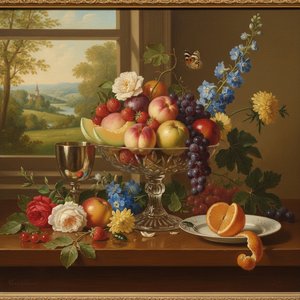
Severin Roesen: Evoking National Identity Through American Still Life Painting
Explore the captivating world of Severin Roesen, a major American still life painter influenced by Dutch masters. Discover his lush compositions and the symbolism within his art – a window into 19th-century America.

The Bountiful Still Life: Symbolism & Artistic Representation of Fruit Across Art History
Explore the rich history of still life painting & the symbolism of fruit across art movements. Discover masterpieces from Caravaggio to Cézanne with OriginalUniqueArt – expert guidance & museum-quality reproductions.
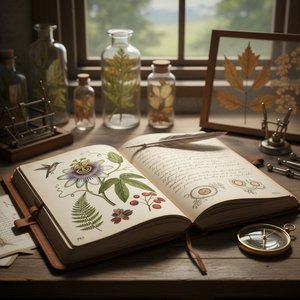
Titian Ramsay Peale II: A Legacy of Botanical Precision & Artistic Innovation
Explore the life & art of Titian Ramsay Peale II, a master of botanical precision and wildlife painting. Discover his legacy bridging art & natural history at OriginalUniqueArt.

Realismo Americano: 10 Obras-Primas que Moldaram a Arte e Decoram o Lar
Descubra as 10 obras-primas do Realismo Americano! Explore a história de Hopper, Homer e Cassatt. Encontre reproduções de arte com qualidade museológica para decorar sua casa. Inspire-se em cores vibrantes e atmosferas únicas. Explore a coleção completa na OriginalUniqueArt.com.

Charles Willson Peale: Portraiture, Enlightenment Ideals & Shaping American Identity
Explore the life & art of Charles Willson Peale – Revolutionary portraitist, scientist, and founder of America’s first museum. Discover his iconic paintings of Washington & the Enlightenment ideals that shaped a nation.
