High Renaissance · 1520
The Transfiguration (detail) (Rafael Sanzio, 1520)
Rafael Sanzio (1483–1520) criou The Transfiguration (detail). Data de 1520. Pertence ao movimento High Renaissance. É feito em Oil On Panel.
- 1520
- Oil On Panel

 Visualizar na parede

 Pintura a Óleo Feita à Mão
 Compartilhar
 Compartilhar
 Ficha técnica


 Baixar imagem
 Semelhantes
 Raio X
 Ver diaporama
 Perguntas e Respostas

 Estatísticas
The Transfiguration (detail), em resumo
- Título
- The Transfiguration (detail)
- Artista
- Rafael Sanzio (1483–1520)
- Artista nascido em
- Urbino, Itália
- Data
- 1520
- Técnica
- Oil On Panel
- Movimento
- High Renaissance
- Período
- Renaissance
- Tema
- biblical narrative, religious symbolism, divine light, renaissance art, christ figure, mount tabor
O que The Transfiguration (detail) retrata?
A Divine Revelation Captured in Light and Color
The Raphael (Raffaello Sanzio Da Urbino)’s *The Transfiguration*, completed in 1520, stands as an unparalleled achievement of High Renaissance artistry—a testament to Raphael’s mastery of perspective, color theory, and humanist ideals. Currently residing within the Pinacoteca Vaticana, this monumental painting transcends mere representation; it embodies a profound spiritual narrative rooted in Christian theology. Commissioned by Cardinal Giulio de' Medici (later Pope Clement VII), *The Transfiguration* exemplifies the artistic fervor that characterized Rome during its papal ascendancy.- Subject Matter: The artwork depicts the biblical episode recounted in Matthew, Mark, and Luke—Jesus’ ascension to Mount Tabor alongside Moses and Elijah. This dramatic scene portrays Christ transforming before his disciples' eyes into a radiant figure bathed in heavenly light, symbolizing divine glory and spiritual transcendence.
- Style & Technique: Raphael skillfully employs pyramidal composition—a hallmark of Renaissance art—to create stability and grandeur. The meticulous attention to detail is evident throughout the painting, from the folds of Christ’s robe to the expressions on the faces of Moses and Elijah, demonstrating Raphael's dedication to anatomical accuracy and realistic portrayal. Fresco technique was utilized, ensuring durability and preserving the vibrancy of color for centuries.
Historical Context: The Renaissance Spirit Embodied
Painted at the apex of the Italian Renaissance—a period marked by intellectual curiosity, artistic innovation, and humanist revival—*The Transfiguration* reflects the broader cultural landscape of its time. Raphael’s work aligns seamlessly with the prevailing fascination for classical ideals and biblical narratives, demonstrating a desire to elevate human experience through contemplation of divine beauty. The painting's placement within the cathedral of S. Giusto in Narbonne underscores its significance as a devotional artwork intended to inspire awe and reverence.
Symbolism: Light, Revelation, and Heavenly Grace
The pervasive luminescence dominating *The Transfiguration* serves as a central symbol—representing divine illumination and spiritual enlightenment. Moses and Elijah, figures revered for their prophetic roles in Jewish tradition, stand alongside Christ, symbolizing law and prophecy respectively – representing the Old Testament and New Testament faiths united. The birds perched atop Mount Tabor are interpreted as emblems of freedom and divine grace, furthering the painting’s overarching message of redemption and spiritual ascension.
Emotional Impact: A Moment Frozen in Time
*The Transfiguration* continues to captivate viewers with its breathtaking beauty and profound emotional resonance. Raphael's masterful manipulation of color—particularly the golden hues illuminating Christ—evokes feelings of serenity, majesty, and spiritual contemplation. The painting’s enduring appeal lies in its ability to convey a timeless narrative of faith, hope, and divine revelation—a masterpiece that secures Raphael’s place among the greatest artists of all time.
Discover More About This Iconic Artwork
For a deeper understanding of *The Transfiguration* and its artistic legacy, explore resources such as Wikipedia (
Imagens em alta resolução de The Transfiguration (detail)

Rafael Sanzio, The Transfiguration (detail) (1520). Domínio público.
Perguntas sobre The Transfiguration (detail) respondidas
Em que ano foi criado "The Transfiguration (detail)", de Rafael Sanzio?
"The Transfiguration (detail)", de Rafael Sanzio foi criado em 1520.
De que técnica é feita a obra "The Transfiguration (detail)"?
Rafael Sanzio utilizou a técnica de Oil On Panel para "The Transfiguration (detail)". A técnica define a natureza material da obra original.
O que representa "The Transfiguration (detail)"?
"The Transfiguration (detail)", de Rafael Sanzio retrata: biblical narrative, religious symbolism, divine light, renaissance art, christ figure, mount tabor, holy trinity.
"The Transfiguration (detail)", de Rafael Sanzio está em domínio público?
"The Transfiguration (detail)", de Rafael Sanzio está em em domínio público — seus direitos autorais expiraram. Este status determina como a imagem da obra pode ser reproduzida.
Quem é o artista por trás de "The Transfiguration (detail)"?
"The Transfiguration (detail)" é atribuída a Rafael Sanzio.
A qual estilo pertence "The Transfiguration (detail)"?
O movimento associado a "The Transfiguration (detail)", de Rafael Sanzio é High Renaissance. Esta classificação situa a obra entre artistas e obras de arte relacionados.
A que período da carreira de Rafael Sanzio pertence "The Transfiguration (detail)"?
Dentro da trajetória de Rafael Sanzio, "The Transfiguration (detail)" pertence ao período Mature Period. Esta fase permite compará-la com outras obras do artista.
Qual era a idade de Rafael Sanzio quando "The Transfiguration (detail)" foi criada?
Rafael Sanzio criou "The Transfiguration (detail)" aos 37 anos. O artista nasceu em 1483 e a obra data de 1520.
Qual é a situação dos direitos autorais de "The Transfiguration (detail)", de Rafael Sanzio?
"The Transfiguration (detail)", de Rafael Sanzio, está em em domínio público — seus direitos autorais expiraram. Os termos de direitos autorais são calculados a partir do falecimento do artista, e Rafael Sanzio faleceu em 1520.
Sobre o artista, Rafael Sanzio

1483–1520, Itália
Rafael Sanzio
A Vida e a Identidade de Rafael Rafael, conhecido pela história por diversos nomes, incluindo Raffaello Sanzio, Raffaello Santi e Raffaello Sanzio da Urbino, foi uma figura central do Alto Renascimento italiano. Sua vida foi definida por um domínio dual da pintura e da arquitetura, uma versatilidade que o permitia transitar perfeitamente entre a escala íntima de um retrato e as exigências monumentais das construções papais. Ele nasceu em Urbino, Itália, em 6 de abril de 1483, mergulhado em um mundo de intensa atividade intelectual e artística. Sua carreira foi marcada por uma produtividade imensa, que exigia a gestão de um grande ateliê para atender às necessidades de seus patronos.
Também de Rafael Sanzio
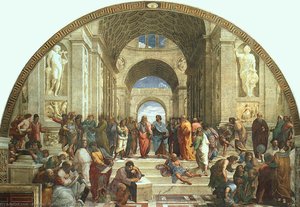 Escola de Atenas1511
 A Madona de Sístio1513
 Rafael1520
 Casamento da Virgem1504
Ensaios sobre The Transfiguration (detail)
 Who Made The Transfiguration? The Story of Raphael's Final MasterpieceDiscover the artist behind The Transfiguration and the dramatic shift in style that defines this High Renaissance masterpiece
 Masterpieces of Perfection: The Top 25 Greatest Artworks by RaphaelJourney through the sublime beauty of the High Renaissance with our curated list of Raphael's top 25 masterpieces. From iconic Madonnas to …
 16th century Italian paintersMasterpieces by Titian, Michelangelo, and Raphael define the Italian Renaissance. Explore the full collection online at OriginalUniqueArt.c…