
 Visualizar na parede
 Compartilhar
 Compartilhar
 Detalhes
 Guia
Guia

 Baixar imagem
 Semelhantes
 Raio X
 Ver diaporama
 Perguntas e Respostas
 Estatísticas
Yashoda and Krishna

- 89.0 x 72.0 cm


 Ler mais
Obtenha um arquivo pronto para impressão que vai muito além da visualização na web. Cada imagem digital que vendemos provém de um arquivo mestre de alta resolução em nosso banco de dados — geralmente entre 5.000 e 15.000 pixels de largura — para que você possa imprimir em grandes formatos, realizar cortes precisos ou reproduzir detalhes minuciosos com total confiança.
Nenhum arquivo sai do nosso estúdio sem passar por um cuidadoso processo de revisão. Um especialista digital verifica as cores em relação à pintura original e as corrige se necessário, aumentando então a clareza e o detalhe com ferramentas profissionais de retoque — sempre mantendo a fidelidade às pinceladas e ao estilo do artista. O resultado é uma imagem que se assemelha à pintura, e não a um scan com filtros.
Aprovação antes da finalização: nosso especialista enviará a imagem por e-mail em até 72 horas para sua revisão. Não ficou satisfeito? Solicite melhorias ou correções, ou peça o reembolso caso a qualidade não atenda às suas expectativas.
Esta é a qualidade em que confiam editoras, estúdios de design, galerias e gráficas.
Imagem Digital
Baixe um arquivo de alta resolução para exibição pessoal, impressão e projetos criativos. ( Alternar para Impressão Comprar pintura feita à mão)
Incluído em cada compra de imagem digital
Entrega Digital Especializada e Garantida
Ao escolher o OriginalUniqueArt.com, você não está apenas adquirindo uma imagem — você está recebendo uma obra de arte digital profissionalmente aprimorada, elaborada com precisão e com garantia de satisfação. Aqui está tudo o que acompanha seu pedido, automaticamente:

Entrega rápida por e-mail
O seu arquivo de imagem digital em alta resolução será enviado por e-mail em até 72 horas após o pedido — pronto para uso imediato.

Arquivo Digital com IA Otimizado
Sua obra de arte é otimizada profissionalmente por meio de ferramentas avançadas de IA e edição manual, garantindo o máximo de detalhes, clareza e precisão de cores.

Reenvio gratuito vitalício
Apagou ou perdeu o seu ficheiro acidentalmente? Não se preocupe – nós reenviamos para si a qualquer momento, gratuitamente.

Sem Taxas de Importação - Sempre
Desfrute da sua obra de arte instantaneamente, sem taxas alfandegárias, impostos ou custos de entrega — downloads digitais são sempre isentos de taxas.

Garantia de Fidelidade de Cores
Garantimos que sua imagem digital reflita as cores originais com a maior fidelidade possível, utilizando ferramentas profissionais e gerenciamento de cores.

Garantia de satisfação de 100 dias
Se não estiver satisfeito com a sua imagem digital, nós a revisaremos ou reembolsaremos 100% dentro de 100 dias — sem perguntas.

Garantia de Reembolso 100%
Não está satisfeito? Receba o reembolso total em até 100 dias após o recebimento do seu arquivo digital — sem perguntas.

Descontos para pedidos em lote
Compre 3 imagens, economize 10% - Compre 5, economize 15% - Compre 10+, economize 20%. Ideal para projetos criativos, galerias e agências.
Raja Ravi Varma: Bridging Tradition & Modernity in 19th-Century Indian Art
Raja Ravi Varma stands as an unparalleled figure in the annals of Indian art history—a visionary who dared to fuse the grandeur of European academic painting with the profound spiritual essence of Hindu mythology. Born in Kilimanjaro, Tanzania, in 1848, his journey from royal lineage to artistic innovator exemplifies a transformative period in India’s cultural landscape. Ravi Varma wasn't merely replicating Western styles; he was reimagining them through the lens of Indian iconography and storytelling, resulting in artworks that captivated audiences both domestically and internationally. His influence extended far beyond the canvases themselves, shaping perceptions of Indian identity and establishing a precedent for accessible art forms—a legacy cemented by the proliferation of affordable lithographs produced at his Ravi Varma Fine Art Lithographic Press. This press was instrumental in democratizing Ravi Varma’s artistic vision, ensuring that his masterpieces resonated with a wider public.- A Royal Patronage That Fueled Innovation: Ravi Varma's upbringing within the Travancore royal household instilled him with an understanding of courtly traditions—a grounding that paradoxically propelled him toward experimentation and stylistic breakthroughs. His uncle, Raja Raja Varma, recognized his innate talent for drawing and painting, initiating him into the Tanjore School’s meticulous technique, which would serve as a cornerstone of his artistic development.
- Blending East Meets West: Ravi Varma skillfully adopted European academic realism—a dominant trend in Western art at the time—but refused to abandon the rich symbolism inherent in Hindu narratives. He meticulously researched Sanskrit texts and mythological tales, translating them into visual representations that resonated deeply with Indian sensibilities. This fusion resulted in artworks imbued with both intellectual rigor and emotional depth.
- Lithographic Revolution: Recognizing the limitations of traditional painting methods for reaching a broader audience, Ravi Varma established his lithographic press in Bombay (now Mumbai) in 1894—a pivotal moment in Indian art history. Collaborating with Fritz Schleicher, a German technician, he championed the use of lithography as a medium for disseminating his artistic creations.
Yashoda and Krishna: A Symbolic Tableau
“Yashoda and Krishna,” painted circa 1895-1896, exemplifies Ravi Varma’s masterful synthesis of Eastern spirituality and Western artistic convention. The painting depicts Yashoda, the devoted mother figure, milking a cow while Krishna playfully demands his share of the milk—a scene drawn directly from Hindu mythology that speaks to themes of nurturing, divine protection, and maternal devotion. Ravi Varma's meticulous attention to detail—particularly in capturing the texture of Yashoda’s sari—demonstrates his commitment to portraying realism alongside symbolic representation. The cow itself holds profound significance within Hinduism, symbolizing fertility, abundance, and the sacredness of pastoral life.- Composition & Color Palette: Ravi Varma employed a balanced composition, placing Krishna prominently in the foreground while Yashoda occupies a slightly elevated position—a deliberate stylistic choice that reinforces the narrative’s hierarchy of roles. The painting utilizes a vibrant color palette dominated by earthy tones—ochres and browns—accentuated by splashes of crimson and gold—colors traditionally associated with divinity and royalty.
- Narrative Depth: Beyond its visual beauty, “Yashoda and Krishna” conveys a powerful message about the sanctity of motherhood and the unwavering faith of Yashoda in Krishna’s divine protection. The painting captures a fleeting moment of tenderness between mother and child—a scene that embodies the core values of Hindu culture.
- Historical Context: Created during Ravi Varma's formative years, “Yashoda and Krishna” reflects the broader artistic currents of the Victorian era—characterized by an interest in Orientalism and a fascination with exotic landscapes and cultures. However, Ravi Varma’s work transcends mere stylistic imitation; it represents a genuine engagement with Hindu mythology and its enduring spiritual significance.
Raja Ravi Varma Lithographic Press: Democratizing Art
The establishment of the Ravi Varma Lithographic Press in 1894 marked a watershed moment in Indian art history—a testament to Ravi Varma’s foresight and his determination to make his artistic vision accessible to all. Collaborating with Fritz Schleicher, he pioneered the use of lithography as a medium for reproducing artworks on a large scale—a technique that dramatically lowered production costs and broadened the reach of Ravi Varma's masterpieces. This initiative fundamentally altered the landscape of Indian art consumption, transforming Ravi Varma’s paintings from exclusive treasures of royal collections into widely circulated images that captivated the imagination of the subcontinent. The press’s output included reproductions of Krishna’s life stories—a deliberate effort to disseminate Hindu mythology and its moral lessons among a wider audience.- Technological Innovation: Ravi Varma's decision to adopt lithography represented a significant departure from traditional painting methods—which were labor-intensive and expensive—and ushered in an era of artistic democratization.
- Cultural Impact: The Ravi Varma Lithographic Press’s reproductions profoundly influenced Indian aesthetics and contributed to the formation of a shared cultural identity—a legacy that continues to resonate today.
- Accessibility & Preservation: By making Ravi Varma's paintings available in affordable lithographs, he ensured their preservation for future generations—a remarkable achievement considering the challenges posed by the Victorian era’s artistic conventions.
Legacy and Influence
Raja Ravi Varma’s contribution to Indian art is undeniable—he fundamentally reshaped perceptions of Hindu mythology and established a precedent for blending Eastern spirituality with Western artistic technique. His lithographic press revolutionized art production, democratizing access to his masterpieces and fostering a shared cultural identity across the subcontinent. Today, reproductions of “Yashoda and Krishna” adorn homes throughout India—a testament to Ravi Varma’s enduring legacy as one of the most influential artists of the Victorian era—and continue to inspire admiration for his artistic vision and his unwavering commitment to preserving Hindu traditions through accessible art forms. His work stands as a beacon of cultural exchange and artistic innovation—a celebration of both Eastern mysticism and Western realism.Perguntas e Respostas
Que humor e emoção se unem em "Yashoda and Krishna"?
A atmosfera de "Yashoda and Krishna", de Raja Ravi Varma é Serene, e seu tom emocional é Tranquil.
Posso visualizar "Yashoda and Krishna", de Raja Ravi Varma antes de fazer o pedido?
Para visualizar uma reprodução de "Yashoda and Krishna", de Raja Ravi Varma, acesse a página de Pré-visualização da obra.
Qual é a situação dos direitos autorais de "Yashoda and Krishna", de Raja Ravi Varma?
"Yashoda and Krishna", de Raja Ravi Varma está em em domínio público — seus direitos autorais expiraram. O período de direitos autorais conta a partir do falecimento do artista, ocorrido em 1906.
Biografia do Artista
The Princely Brush: Raja Ravi Varma and the Dawn of Modern Indian Painting
Raja Ravi Varma, a name that echoes through the halls of Indian art history, emerged from the opulent world of the Kilimanoor Palace in Kerala during the mid-19th century. More than simply a painter, he was a cultural architect, skillfully weaving together European academic techniques with the vibrant threads of Indian mythology and tradition. His lineage, tracing back to the royal family of Travancore – two of his daughters later becoming adopted members of that very house – provided him not only with privilege but also an intimate understanding of Indian courtly life, profoundly shaping his artistic vision. From a young age, Ravi Varma displayed an extraordinary aptitude for art, nurtured by his uncle, Raja Raja Varma, who introduced him to the world of drawing and painting, primarily within the established framework of the Tanjore School. Yet, Ravi Varma’s ambition stretched far beyond mere imitation; he yearned to master techniques that would allow him to capture not just likeness but also the very essence of emotion and narrative depth – a desire that set him apart from his contemporaries.A Fusion of Worlds: Technique and Inspiration
Ravi Varma's artistic journey took an extraordinary turn when he encountered the works of European masters, particularly during his travels and through interactions with British officials stationed in India. He was utterly captivated by the realism and technical precision of academic painting – the meticulous study of perspective, anatomy, light, and shadow. However, unlike many artists who simply adopted these styles wholesale, Varma ingeniously adapted them to serve distinctly Indian subjects. His canvases transformed into vibrant stages for scenes from the Ramayana, the Mahabharata, and the Puranas, populated by gods and goddesses rendered with a newfound naturalism that was both startlingly familiar and profoundly moving. He didn’t merely illustrate these ancient stories; he imbued them with human emotion, psychological complexity, and an almost palpable sense of drama. This revolutionary approach – blending European technical mastery with Indian mythological themes – marked a pivotal moment in the history of Indian art. Before Varma, depictions of deities often adhered to rigid, stylized conventions, prioritizing symbolic representation over emotional resonance. Ravi Varma dared to portray them as relatable figures—beautiful, powerful, and deeply human—capturing their essence with unprecedented sensitivity. His mastery of oil painting – a relatively new medium in India at the time – allowed him to achieve an astonishing level of detail and luminosity, further enhancing the emotional impact of his work. Consider, for example, *Hansa Damayanthi*, where the heroine’s longing gaze and delicate posture convey a depth of feeling previously unseen in Indian art. Similarly, *The Maharani of Travancore* exemplifies Varma's ability to capture not just outward appearance but also the inner character and regal bearing of his subject.Democratizing Art: Lithographs and Public Appeal
Recognizing that original paintings were largely inaccessible to the vast majority of Indians, Raja Ravi Varma took a bold step – establishing the Raja Ravi Varma Fine Arts Lithographic Press in 1894. This groundbreaking venture was more than just a business; it was an act of democratization, making art accessible to a wider audience than ever before. Through this press, he produced affordable lithographs based on his iconic paintings, transforming them into objects of widespread admiration and reverence. These weren’t simply reproductions; they were carefully crafted interpretations that captured the essence of Varma's originals – each detail meticulously rendered to convey the same sense of beauty, emotion, and spiritual depth. Suddenly, images of Hindu deities and mythological scenes adorned homes across India, becoming cherished symbols of cultural identity and religious devotion. The lithographs played a crucial role in fostering a greater appreciation for visual culture among all segments of Indian society, transcending social and economic barriers. This act of democratizing art not only expanded the reach of his work but also solidified his position as a truly public figure—his images becoming ubiquitous symbols of Indian identity and artistic achievement.Royal Patronage and Artistic Development
Ravi Varma’s early career was significantly shaped by royal patronage, beginning with his uncle, Raja Raja Varma, who recognized his exceptional talent and provided him with formal training in painting. He later served as a court artist for various princely states – Mewar, Baroda, and Mysore – gaining invaluable experience and exposure to diverse artistic traditions. His time at the Travancore court was particularly formative, allowing him to hone his skills and develop his unique style. The Governor’s Gold Medal at the Madras Fine Art Exhibition in 1873 for *Nair Lady Adorning Her Hair* marked a significant milestone, establishing him as a rising star in the Indian art world. His travels across India with his brother, Raja Varma, between 1888 and 1889, provided him with an unparalleled opportunity to study diverse cultures, gather models for his paintings, and broaden his artistic horizons. This period of extensive travel profoundly influenced his work, enriching its visual vocabulary and deepening its understanding of Indian society.Legacy and Enduring Influence
Raja Ravi Varma passed away in 1906, leaving behind a legacy that continues to inspire artists and shape the cultural landscape of India. His pioneering work not only transformed the course of Indian painting but also laid the foundation for modern Indian art. He challenged conventional norms, embraced innovation, and skillfully blended tradition with modernity—a testament to his artistic vision and enduring influence. Museums like The Raja Ravi Varma Heritage Foundation in Bangalore and The Ganesh Shivaswamy Foundation preserve and celebrate his legacy, ensuring that his profound contribution to Indian art remains accessible to future generations. His paintings – masterpieces of beauty, spirituality, and cultural richness – stand as powerful reminders of his genius and the transformative power of art.Exploring Varma’s World Today
For those seeking to delve deeper into the world of Raja Ravi Varma, numerous resources are available:- Explore artworks: Discover masterpieces like “Portrait of a Gentleman,” “Hansa Damayanthi,” and “The Maharani of Travancore” through online databases.
- Visit museums: Immerse yourself in Varma’s legacy at The Raja Ravi Varma Heritage Foundation, The Ganesh Shivaswamy Foundation, and the Kiran Nadar Museum of Art.
- Further research: Consult Wikipedia and Google Arts & Culture for detailed biographical information and scholarly insights.
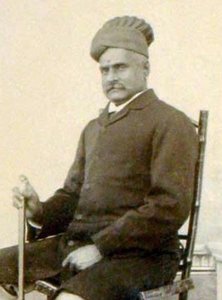
Raja Ravi Varma
1848 - 1906 , Índia
Breve Biografia
- Artistic Movement Or Style: Fusion acadêmico/indiano
- Artists Or Movements Influenced By This Artist: ['Arte indiana moderna']
- Artists Who Influenced This Artist: ['Maestros europeus']
- Date Of Birth: 29 de abril de 1848
- Date Of Death: 2 de outubro de 1906
- Full Name: Raja Ravi Varma
- Nationality: Índio
- Notable Artworks:
- Hansa Damayanthi
- Maharani
- Shakuntala
- Place Of Birth: Kilimanoor, Índia