

 Visualizar em escala
 Enviar
 Compartilhar
 Ver detalhes

 Baixar imagem
 Semelhantes
 Raio X
 Apresentação de slides
 Estatísticas
Nair Lady With A Mirror


 Ver mais
Giclée / Impressão de Arte
Impressão giclée ou em tela de qualidade de museu, com produção rápida e opções flexíveis de acabamento. ( Encomendar reprodução pintada à mão Ver Imagem Digital)




P118B $10

P118H $10

P118W $10

P438Z $10

P508JH $12

P508YH $12

P805H $10

P805Z $10

P919BZ $10

P919G $10

P919XJ $10

P959ZH $10

P968JZ $12

W106C $8

W218G $10

W218JH $8

W218Y $10

W307PJ $10

W316G $10

W316PJ $8

W316Y $10

W398PJ $8

W4111J $10

W500HY $15

W500JH $15

W692G $12

W849H $8

W940BG $15

W953PJ $8




Escolha entre os nossos tamanhos pré-definidos que respeitam as proporções originais da obra de arte.

Você pode inserir suas próprias dimensões para se ajustar a uma moldura ou espaço específico. Se o tamanho selecionado não corresponder às proporções da imagem original, iremos recortar a obra de arte ou estender a imagem com uma borda espelhada ou preenchimento sólido. Um mockup digital será enviado para sua aprovação antes do início da produção.
Por favor, observe que a visualização na tela não reflete o recorte ou a extensão real. Apenas o mockup mostrará com precisão a composição final.
Embora tamanhos personalizados estejam disponíveis, recomendamos selecionar uma dimensão da lista predefinida para preservar as proporções originais.
Entrega mundial () em 2 semanas, em vez das 4/5 semanas padrão. (17 Setembro)

Envio expresso gratuito para todo o mundo

Tela de Linho Premium

Seguro de transporte total

Garantia de Reembolso de Impostos Alfandegários

Garantia de Fidelidade de Cor

Política de Devolução em 100 Dias (Apenas para Defeitos)

Garantia de reembolso de 100%

Desconto para múltiplas unidades
 A opção de vidro está disponível apenas para tamanhos inferiores a 110 cm

Nair Lady With A Mirror
Giclée / Impressão de Arte
Dimensões da Reprodução
-


Preço Total
$ 80
A Moment Captured: The Intimacy of Self-Reflection
This exquisite portrait, titled Nair Lady With A Mirror, invites the viewer into an intimate, almost whispered moment of personal contemplation. It captures a lady caught in the gentle ritual of grooming—the act of brushing her hair while gazing into the reflective surface before her. Raja Ravi Varma, master chronicler of everyday Indian life imbued with classical grace, has gifted us more than just a likeness; he offers a window into domestic tranquility from the turn of the 20th century. The scene is richly composed, suggesting the private sanctuary of a well-appointed bedroom, complete with visible drapery at a nearby window and the soft presence of decorative vases flanking the space.
The Artistry of Raja Ravi Varma
To appreciate this work is to understand the genius of its creator. Raja Ravi Varma (1848–1906) stands as a monumental figure in Indian art history, celebrated for his unparalleled ability to synthesize the rigorous techniques of European academic painting with the vibrant narratives and deep cultural resonance of Indian aesthetics. His style is instantly recognizable: a seamless marriage of Western realism and indigenous romanticism. While he often painted mythological grandeur, as seen in his depictions of Hindu deities, works like this ground his mastery in the relatable human experience. He possessed an uncanny gift for rendering the feminine form with both dignity and delicate allure.
Symbolism and Setting: Domestic Grace
The mirror itself is a potent symbol throughout art history—it represents self-knowledge, vanity, and the boundary between the inner world and outward appearance. Here, combined with the act of combing hair, it speaks to a quiet moment of self-assessment. The setting, hinted at by the bed in the background and the patterned curtains, anchors the piece firmly within the realm of domesticity. These elements transform what could be a simple portrait into a narrative study of feminine poise. It is an ode to the rituals that define personal space and beauty.
Technique and Emotional Resonance for the Modern Collector
The painting’s execution, dating from 1894, showcases Varma's meticulous attention to detail—from the sheen on the comb to the soft folds of the fabric. The light seems to emanate naturally within the room, highlighting the subject’s features and lending an ethereal glow to the entire composition. For those seeking art that breathes history into a modern interior, this piece offers profound emotional depth without sacrificing elegance. Owning a reproduction allows one to curate a space filled with timeless romance and sophisticated cultural narrative, making it a breathtaking focal point for any drawing-room or master suite.
Biografia do Artista
The Princely Brush: Raja Ravi Varma and the Dawn of Modern Indian Painting
Raja Ravi Varma, a name that echoes through the halls of Indian art history, emerged from the opulent world of the Kilimanoor Palace in Kerala during the mid-19th century. More than simply a painter, he was a cultural architect, skillfully weaving together European academic techniques with the vibrant threads of Indian mythology and tradition. His lineage, tracing back to the royal family of Travancore – two of his daughters later becoming adopted members of that very house – provided him not only with privilege but also an intimate understanding of Indian courtly life, profoundly shaping his artistic vision. From a young age, Ravi Varma displayed an extraordinary aptitude for art, nurtured by his uncle, Raja Raja Varma, who introduced him to the world of drawing and painting, primarily within the established framework of the Tanjore School. Yet, Ravi Varma’s ambition stretched far beyond mere imitation; he yearned to master techniques that would allow him to capture not just likeness but also the very essence of emotion and narrative depth – a desire that set him apart from his contemporaries.A Fusion of Worlds: Technique and Inspiration
Ravi Varma's artistic journey took an extraordinary turn when he encountered the works of European masters, particularly during his travels and through interactions with British officials stationed in India. He was utterly captivated by the realism and technical precision of academic painting – the meticulous study of perspective, anatomy, light, and shadow. However, unlike many artists who simply adopted these styles wholesale, Varma ingeniously adapted them to serve distinctly Indian subjects. His canvases transformed into vibrant stages for scenes from the Ramayana, the Mahabharata, and the Puranas, populated by gods and goddesses rendered with a newfound naturalism that was both startlingly familiar and profoundly moving. He didn’t merely illustrate these ancient stories; he imbued them with human emotion, psychological complexity, and an almost palpable sense of drama. This revolutionary approach – blending European technical mastery with Indian mythological themes – marked a pivotal moment in the history of Indian art. Before Varma, depictions of deities often adhered to rigid, stylized conventions, prioritizing symbolic representation over emotional resonance. Ravi Varma dared to portray them as relatable figures—beautiful, powerful, and deeply human—capturing their essence with unprecedented sensitivity. His mastery of oil painting – a relatively new medium in India at the time – allowed him to achieve an astonishing level of detail and luminosity, further enhancing the emotional impact of his work. Consider, for example, *Hansa Damayanthi*, where the heroine’s longing gaze and delicate posture convey a depth of feeling previously unseen in Indian art. Similarly, *The Maharani of Travancore* exemplifies Varma's ability to capture not just outward appearance but also the inner character and regal bearing of his subject.Democratizing Art: Lithographs and Public Appeal
Recognizing that original paintings were largely inaccessible to the vast majority of Indians, Raja Ravi Varma took a bold step – establishing the Raja Ravi Varma Fine Arts Lithographic Press in 1894. This groundbreaking venture was more than just a business; it was an act of democratization, making art accessible to a wider audience than ever before. Through this press, he produced affordable lithographs based on his iconic paintings, transforming them into objects of widespread admiration and reverence. These weren’t simply reproductions; they were carefully crafted interpretations that captured the essence of Varma's originals – each detail meticulously rendered to convey the same sense of beauty, emotion, and spiritual depth. Suddenly, images of Hindu deities and mythological scenes adorned homes across India, becoming cherished symbols of cultural identity and religious devotion. The lithographs played a crucial role in fostering a greater appreciation for visual culture among all segments of Indian society, transcending social and economic barriers. This act of democratizing art not only expanded the reach of his work but also solidified his position as a truly public figure—his images becoming ubiquitous symbols of Indian identity and artistic achievement.Royal Patronage and Artistic Development
Ravi Varma’s early career was significantly shaped by royal patronage, beginning with his uncle, Raja Raja Varma, who recognized his exceptional talent and provided him with formal training in painting. He later served as a court artist for various princely states – Mewar, Baroda, and Mysore – gaining invaluable experience and exposure to diverse artistic traditions. His time at the Travancore court was particularly formative, allowing him to hone his skills and develop his unique style. The Governor’s Gold Medal at the Madras Fine Art Exhibition in 1873 for *Nair Lady Adorning Her Hair* marked a significant milestone, establishing him as a rising star in the Indian art world. His travels across India with his brother, Raja Varma, between 1888 and 1889, provided him with an unparalleled opportunity to study diverse cultures, gather models for his paintings, and broaden his artistic horizons. This period of extensive travel profoundly influenced his work, enriching its visual vocabulary and deepening its understanding of Indian society.Legacy and Enduring Influence
Raja Ravi Varma passed away in 1906, leaving behind a legacy that continues to inspire artists and shape the cultural landscape of India. His pioneering work not only transformed the course of Indian painting but also laid the foundation for modern Indian art. He challenged conventional norms, embraced innovation, and skillfully blended tradition with modernity—a testament to his artistic vision and enduring influence. Museums like The Raja Ravi Varma Heritage Foundation in Bangalore and The Ganesh Shivaswamy Foundation preserve and celebrate his legacy, ensuring that his profound contribution to Indian art remains accessible to future generations. His paintings – masterpieces of beauty, spirituality, and cultural richness – stand as powerful reminders of his genius and the transformative power of art.Exploring Varma’s World Today
For those seeking to delve deeper into the world of Raja Ravi Varma, numerous resources are available:- Explore artworks: Discover masterpieces like “Portrait of a Gentleman,” “Hansa Damayanthi,” and “The Maharani of Travancore” through online databases.
- Visit museums: Immerse yourself in Varma’s legacy at The Raja Ravi Varma Heritage Foundation, The Ganesh Shivaswamy Foundation, and the Kiran Nadar Museum of Art.
- Further research: Consult Wikipedia and Google Arts & Culture for detailed biographical information and scholarly insights.
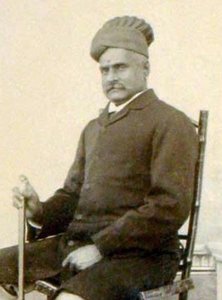
Raja Ravi Varma
1848 - 1906 , Índia
Informações Rápidas
- Artistic Movement Or Style: Fusion acadêmico/indiano
- Artists Or Movements Influenced By This Artist: ['Arte indiana moderna']
- Artists Who Influenced This Artist: ['Maestros europeus']
- Date Of Birth: 29 de abril de 1848
- Date Of Death: 2 de outubro de 1906
- Full Name: Raja Ravi Varma
- Nationality: Índio
- Notable Artworks:
- Hansa Damayanthi
- Maharani
- Shakuntala
- Place Of Birth: Kilimanoor, Índia
Artigos Relacionados

Raja Ravi Varma: Bridging Tradition & Modernity in 19th-Century Indian Art
Explore the life & art of Raja Ravi Varma, a pioneer who fused European techniques with Indian iconography. Discover his iconic paintings, lasting legacy, and influence on modern Indian art at OriginalUniqueArt.
Echoes of Olympus: Mythological Narratives in Western Art Through the Ages
Explore the captivating history of mythological narratives in Western art! From ancient Greece to modern masterpieces, discover iconic artworks & symbolism. Expert analysis and high-quality reproductions at OriginalUniqueArt.

Embrace the Drama: A Curated Guide to Victorian Romanticism for Sophisticated Home Decor
Transform your space with the dramatic elegance of Victorian Romanticism. Discover expert tips on incorporating Pre-Raphaelite art, rich textures, and moody palettes into your home decor to create a sophisticated, soulful sanctuary that celebrates historical grandeur.
Marianne North: As 25 Obras-Primas da Pintora Botânica e Exploradora
Descubra as 25 obras-primas de Marianne North, a pintora botânica vitoriana que viajou o mundo! Explore paisagens tropicais vibrantes e flores exóticas em quadros únicos. Encontre reproduções de arte exclusivas para decorar sua casa com elegância em OriginalUniqueArt.com.

Dante Gabriel Rossetti: As 25 Obras-Primas do Mestre Pré-Rafaelita | OriginalUniqueArt
Descubra as 25 obras-primas de Dante Gabriel Rossetti, o mestre pré-rafaelita! Explore a beleza, simbolismo e paixão em pinturas icônicas como 'Proserpina' e 'Beata Beatrix'. Encontre reproduções de arte exclusivas para transformar sua casa com OriginalUniqueArt.com.


