
 Visualizar na parede
 Compartilhar
 Compartilhar
 Detalhes
 Guia
Guia

 Baixar imagem
 Semelhantes
 Raio X
 Ver diaporama
 Perguntas e Respostas
 Estatísticas
Rodillo


 Ler mais
A obra de arte exibida nesta página é protegida por leis de direitos autorais, o que significa que não podemos criar ou vender legalmente uma reprodução idêntica. Esta proteção é aplicada por meio de acordos internacionais, tais como a Convenção de Berna e pelas leis nacionais, incluindo as estabelecidas por Lei de Direitos Autorais dos EUA - Título 17.
Este método cumpre plenamente as regulamentações de direitos autorais, pois não envolve a cópia ou duplicação da obra protegida. Em vez disso, trata-se de uma reinterpretação criativa — uma nova pintura que é influenciada pela original, mas não idêntica a ela.
Giclée / Impressão de Arte
Impressão giclée ou em tela de qualidade de museu, com produção rápida e opções flexíveis de acabamento. ( Comprar pintura feita à mão Alternar para Imagem Digital)




































Escolha entre os nossos tamanhos pré-definidos que respeitam as proporções originais da obra de arte.

Insira a largura e a altura desejadas para se ajustarem à sua moldura ou parede. Uma impressão pode ser apenas cortada, nunca ampliada além da imagem original; portanto, um tamanho com proporções diferentes resultará na perda de parte da imagem. Enviamos uma maquete digital para sua aprovação antes de realizarmos a impressão. A imagem exibida nesta página não mostra o corte real — apenas a maquete o faz.
Entrega mundial () em 2 semanas, em vez das 4/5 semanas padrão. (5 Novembro)

Envio expresso gratuito para todo o mundo

Tela de Linho de Alta Qualidade

Seguro de transporte completo

Garantia de Reembolso de Impostos Alfandegários

Garantia de Fidelidade Cromática

Política de Devolução em 100 Dias (Apenas para Defeitos)

Garantia de reembolso de 100%

Oferta de desconto por quantidade
 A opção de vidro está disponível apenas para tamanhos inferiores a 110 cm

Rodillo
Giclée / Impressão de Arte
Tamanho da Reprodução
-


Preço Total
€ 72
Biografia do Artista
The Legacy of Geometric Mastery: Exploring the Artistry of the Quimbaya Culture
Nestled within the lush, verdant expanses of Colombia’s Cauca River Valley, the Quimbaya culture represents a singular and breathtaking achievement in pre-Columbian artistry. Flourishing from approximately 100 BCE through the era of Spanish contact in the 16th century, this civilization left behind an indelible mark on the cultural heritage of the Andes. Unlike many of their contemporary Andean neighbors, who directed their creative energies toward monumental stone architecture or vast textile works, the Quimbaya focused their genius on the intimate and the meticulous. Their artistic output was not a pursuit of grand, sweeping narratives, but rather an unwavering dedication to capturing the very essence of their environment and spiritual worldview through stylized, masterful representations.
The true soul of Quimbaya artistry is perhaps most vibrantly expressed through their legendary goldwork. They achieved a level of technical accuracy and detailed design that remains a subject of awe for modern scholars. Central to this mastery was their sophisticated use of tumbaga, a unique alloy composed of approximately 70% gold and 30% copper. This specific blend yielded a distinctive, warm reddish hue that set their creations apart from the brighter, yellow golds of surrounding tribes. By utilizing tumbaga, Quimbaya artisans could manipulate metal into remarkably thin sheets and intricate shapes, allowing for a breathtaking delicacy that hammered pure gold could rarely achieve. Through precise hammering and polishing, they produced surfaces as smooth as silk, transforming raw elements into sacred objects like Rodillos (rods), Figuras (figurines), and elaborate masks.
Symbolism and the Ceramic Vision
Beyond the shimmering allure of gold, the Quimbaya expressed their cosmological understanding through a profound mastery of ceramics. Their pottery was far more than utilitarian; it served as a canvas for the spiritual and the symbolic. In these clay forms, one finds a rhythmic repetition of geometric patterns—spirals, triangles, and squares—that acted as a visual language for concepts that are only partially deciphered today. These shapes likely represented the cyclical nature of life, the movement of celestial bodies, or the interconnectedness of the earthly and divine realms.
The artistry of the Quimbaya is characterized by several key elements:
- Technical Precision: The ability to create incredibly fine details in both metal and clay through advanced metallurgical and sculptural techniques.
- Symbolic Depth: The use of recurring geometric motifs to convey complex spiritual and cosmological beliefs.
- Material Innovation: The development of the tumbaga alloy to achieve specific aesthetic and structural goals.
- Natural Integration: A stylistic approach that sought to capture the essence of the natural world through stylized, rather than purely realistic, forms.
Today, the treasures of this ancient culture serve as a luminous gateway into Colombia’s ancestral soul. Found in prestigious institutions such as the Museo del Oro in Bogotá and the Museo Arqueológico MUSA, these artifacts—from the weathered human figures of their ceramic sculptures to the elegant Poporos used for storing lime—continue to whisper tales of a sophisticated society. The Quimbaya legacy remains a testament to a civilization that found divinity in the details, weaving the spirit of the Cauca River Valley into the very fabric of their precious, enduring art.

Quimbaya Culture
Colombia
Dados Rápidos
- Full Name: Quimbaya Culture
- Nationality: Colombian
- Place Of Birth: Colombia
- Notable Artworks:
- Rodillo
- Figura
- Artistic Movement Or Style: Pre-Columbian Art
Artigos Relacionados

Dante Gabriel Rossetti: As 25 Obras-Primas do Mestre Pré-Rafaelita | OriginalUniqueArt
Descubra as 25 obras-primas de Dante Gabriel Rossetti, o mestre pré-rafaelita! Explore a beleza, simbolismo e paixão em pinturas icônicas como 'Proserpina' e 'Beata Beatrix'. Encontre reproduções de arte exclusivas para transformar sua casa com OriginalUniqueArt.com.

Pre-Raphaelite Romanticism: A Guide to Vivid Detail and Medieval Beauty in Victorian Art
Explore the vivid detail and medieval beauty of Pre-Raphaelite Romanticism. Discover the history of masters like Rossetti and Millais through our expert guide to Victorian art, perfect for collectors and professionals seeking authentic, museum-quality reproductions.

Beyond the Basics: The Bold, Dreamy World of Pre-Raphaelite Art
Dive into the vivid, rebellious world of Pre-Raphaelite art. Explore the intense detail, romantic myths, and bold colors of this iconic movement, and learn how to bring these timeless, hand-painted masterpieces into your modern space with expert curation.
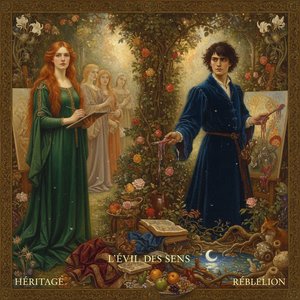
The Pre-Raphaelite Brotherhood: Reclaiming Beauty, Nature, and Truth in Victorian Art History
Explore the revolutionary Pre-Raphaelite Brotherhood. Discover how these visionary artists rejected academic tradition to reclaim beauty, nature, and truth through luminous detail and literary depth in Victorian art history.

The Pre-Raphaelite Brotherhood: Rediscovering Beauty, Romance, and Medieval Magic in Victorian Art
Embark on a journey through the Pre-Raphaelite Brotherhood. Discover the romantic symbolism, medieval magic, and radical beauty of Rossetti and Burne-Jones in this expert exploration of Victorian art history.