

 Visualizar em escala
 Enviar
 Compartilhar
 Ver detalhes
 Guia de Obras do Aluno

 Baixar imagem
 Semelhantes
 Raio X
 Apresentação de slides
 Estatísticas
The Virgin Enthroned
 Oil On Panel
- WallArt
- Northern Renaissance
 1525
1525- Renaissance
 135.0 x 90.0 cm
 Museus Estatais de Berlim
 Ver mais
Giclée / Impressão de Arte
Impressão giclée ou em tela de qualidade de museu, com produção rápida e opções flexíveis de acabamento. ( Encomendar reprodução pintada à mão Ver Imagem Digital)




P118B €10

P118H €10

P118W €10

P438Z €10

P508JH €12

P508YH €12

P805H €10

P805Z €10

P919BZ €10

P919G €10

P919XJ €10

P959ZH €10

P968JZ €12

W106C €8

W218G €10

W218JH €8

W218Y €10

W307PJ €10

W316G €10

W316PJ €8

W316Y €10

W398PJ €8

W4111J €10

W500HY €15

W500JH €15

W692G €12

W849H €8

W940BG €15

W953PJ €8




Escolha entre os nossos tamanhos pré-definidos que respeitam as proporções originais da obra de arte.

Digite a largura e a altura de que necessita, para se ajustar à sua moldura ou à sua parede. Uma impressão só pode ser cortada, nunca ampliada além da imagem original, pelo que um tamanho com uma proporção diferente perderá parte da imagem. Enviamos-lhe uma maquete digital para aprovação antes de imprimirmos qualquer coisa. A imagem apresentada nesta página não mostra o corte real — apenas a maquete o faz.
Entrega mundial () em 2 semanas, em vez das 4/5 semanas padrão. (23 Outubro)

Envio expresso gratuito para todo o mundo

Tela de Linho Premium

Seguro de transporte total

Garantia de Reembolso de Impostos Alfandegários

Garantia de Fidelidade de Cor

Política de Devolução em 100 Dias (Apenas para Defeitos)

Garantia de reembolso de 100%

Desconto para múltiplas unidades
 A opção de vidro está disponível apenas para tamanhos inferiores a 110 cm

The Virgin Enthroned
Giclée / Impressão de Arte
Dimensões da Reprodução
-


Preço Total
€ 70
A Divine Encounter in the Antwerp School
In the quiet, hallowed atmosphere of the Staatliche Museen Berlin, there exists a window into the spiritual heart of the sixteenth century. Quentin Massys’ “The Virgin Enthroned,” completed around 1525, is far more than a mere religious portrait; it is a profound meditation on grace and the intersection of the earthly and the divine. As a cornerstone of the Antwerp School, this masterpiece captures a pivotal moment in art history where the meticulous, almost microscopic devotion of the Early Netherlandish tradition began to breathe the air of Renaissance humanism. The painting presents the Virgin Mary not as a distant icon, but as a serene, maternal presence, seated upon an intricately carved throne that commands both reverence and wonder.
The composition draws the viewer into a sacred architectural space, where Gothic arches rise with a sense of eternal grandeur. Through these arches, light filters in a way that feels both natural and supernatural, illuminating the central figures with a soft, celestial glow. This interplay of light and shadow—the masterful use of chiaroscuro—creates a palpable sense of three-dimensionality, making the figures feel as though they might step forward from the panel into our own world. For the collector or the lover of classical beauty, this painting offers an unparalleled sense of depth, inviting the eye to wander through its detailed textures and architectural splendor.
The Alchemy of Texture and Symbolism
What truly distinguishes Massys is his ability to translate his early training as an ironsmith into a painterly language of tactile brilliance. Every surface in “The Virgin Enthroned” tells a story of material richness. One can almost feel the heavy, velvet weight of Mary’s crimson cloak and the delicate, woven complexity of the carpet beneath her feet. The artist’s precision is evident in the way he captures the glint of enamel on the throne and the subtle sheen of light upon the golden chalice resting on a nearby table. This obsession with realism serves a higher purpose: it grounds the spiritual mystery of the Christ child in a world that feels tangible, real, and deeply precious.
Every element within the frame is steeped in theological significance. The presence of the bread and the golden chalice on the white-draped table serves as a poignant reference to the Eucharist, inviting the viewer into a state of sacramental contemplation. Even the architectural details, with their stained glass and intricate patterns, act as symbols of the heavenly Jerusalem. This layering of meaning ensures that the artwork remains intellectually stimulating long after the first glance. For an interior designer, such a piece provides a sophisticated focal point, bringing a sense of historical weight, narrative complexity, and quiet dignity to any curated space.
An Enduring Legacy for the Modern Collector
To possess a reproduction of this caliber is to bring a piece of the Northern Renaissance into the contemporary home. Massys’ ability to balance the heavy symbolism of his era with a breathtakingly realistic technique creates an emotional resonance that transcends time. The painting evokes a sense of peace, stability, and profound reverence—qualities that are increasingly sought after in modern art decoration. It is a work that does not merely decorate a wall; it anchors a room, providing a soulful connection to the masters of the past.
Whether you are an art historian captivated by the evolution of the Antwerp School or a decorator seeking to infuse a room with classical elegance, “The Virgin Enthroned” stands as a testament to human skill and spiritual aspiration. It remains a luminous example of how light, color, and texture can be woven together to create an eternal moment of devotion.
Perguntas e Respostas
"The Virgin Enthroned" de Quentin Matsys é uma composição em formato retrato, paisagem ou quadrada?
"The Virgin Enthroned" de Quentin Matsys é uma composição em Portrait. As proporções valem a pena ser conferidas antes de escolher o tamanho da impressão.
Qual era a idade de Quentin Matsys quando "The Virgin Enthroned" foi criada?
Quentin Matsys tinha 59 anos quando criou "The Virgin Enthroned" em 1525. A idade é calculada a partir do ano de nascimento do artista, 1466.
Qual é a técnica e a data de criação de "The Virgin Enthroned" de Quentin Matsys?
"The Virgin Enthroned" foi realizada em 1525, em Oil On Panel.
Biografia do Artista
O Arquiteto da Escola de Antuérpia
Na paisagem vibrante e florescente dos Países Baixos do século XVI, poucos nomes ressoam com tanta importância fundamental quanto Quentin Massys. Frequentemente aclamado como o pioneiro da Escola de Antuérpia, Massys foi um pintor que construiu uma ponte entre a devoção espiritual e meticulosa da tradição flamenga primitiva e o humanismo emergente do Renascimento Nórdico. Nascido por volta de 1466 em Leuven, na Bélgica, sua vida inicial permanece como uma tapeçaria de lendas e fragmentos históricos. Sussurra-se amplamente na história da arte que, antes de empunhar um pincel fino, ele foi treinado como ferreiro — um detalhe que confere um peso profundo e tátil ao seu domínio posterior sobre a textura e o material. Esse histórico na metalurgia provavelmente instilou nele uma reverência única pelo mundo físico, permitindo-lhe render o brilho da seda, o reflexo frio da moeda e a pele desgastada da humanidade com uma precisão inigualável.
Ao transitar da atmosfera acadêmica de Leuven para o movimentado centro comercial de Antuérpia por volta de 1490, Massys começou a tecer seu próprio fio distinto na trama da arte flamenga. Sua formação inicial, potencialmente sob a orientação de Dirk Bouts, conectou-o à linhagem de mestres como Hans Memling e Rogier van der Weyden. Desses predecessores, ele herdou uma devoção ao verossimilhança — a busca pela verdade na representação. No entanto, Massys estava longe de ser um mero imitador. Embora mantivesse o detalhe requintado característico de seus antepassados, ele infundiu sua obra com uma vitalidade nova e crescente, e uma disposição para explorar as complexidades da condição humana tanto através da solenidade religiosa quanto do mordaz comentário social.
Um Domínio entre a Devoção e a Sátira
O brilho de Massys reside em sua notável capacidade de navegar por dois mundos aparentemente díspares: o sagrado e o profano. Por um lado, suas composições religiosas servem como profundas meditações sobre a fé. Em obras como Cristo na Cruz com Doadores, ele captura a gravidade emocional e crua da crucificação, utilizando uma sensibilidade do Alto Renascimento para apresentar uma cena que é ao mesmo tempo profundamente comovente e tecnicamente impecável. Sua habilidade de retratar o divino através da lente do sofrimento humano permitiu que seus temas religiosos ressoassem com uma intimidade visceral, tornando o espiritual palpável para o espectador.
Inversamente, Massys era um mestre do gênero satírico, usando seu pincel para segurar um espelho diante dos mutáveis costumes sociais de sua era. Ele possuía um olhar aguçado para as fragilidades da humanidade, criando frequentemente cenas que misturavam o realismo com uma sagacidade sutil e irônica. Essa dualidade é talvez mais evidente em sua abordagem ao retrato e à pintura de gênero, onde ele podia alternar da beleza serena de uma Virgem e o Menino para as representações mais complexas e moralmente estratificadas da vida contemporânea. Seu trabalho frequentemente explorava temas como a ganância, a vaidade e a tensão entre a riqueza material e a pureza espiritual, tornando-o um precursor dos grandes pintores de gênero que viriam nos séculos seguintes.
Legado e Significância Artística
A importância histórica de Quentin Massys não pode ser subestimada; ele foi o catalisador de uma revolução artística em Antuérpia. Ao introduzir novos motivos e técnicas, permanecendo ancorado nas ricas tradições de sua terra natal, ele forneceu o modelo para uma escola de pintura que dominaria a Flandres durante todo o século XVI. Sua influência pode ser rastreada através da evolução da arte do Norte da Europa, pois ele pavimentou o caminho para um estilo mais expressivo e observacional, que abraçou as complexidades do mundo em modernização.
Hoje, lembramos Massys não apenas como um artesão, mas como um contador de histórias que capturou a alma de uma era. Seu legado é preservado no poder duradouro de sua imagética:
- Inovação Técnica: A integração perfeita da precisão inspirada na metalurgia com a graça fluida da pintura a óleo renascentista.
- A Escola de Antuérpia: O estabelecimento de um movimento artístico duradouro que priorizava tanto o realismo quanto a narrativa moral.
- Perspectiva Humanista: Uma habilidade única de fundir a profunda santidade dos ícones religiosos com a sagacidade observacional e afiada da sátira social.

Quentin Matsys
1466 - 1530 , Bélgica
Informações Rápidas
- Artistas Que O Influenciaram: ['Dirk Bouts']
- Artistas/Movimentos Influenciados: ['Hans Memling']
- Data Da Morte: 1530
- Data De Nascimento: Leuven, Bélgica (c. 1466)
- Local De Nascimento: Leuven, Bélgica
- Movimento Artístico: Escola de Antuérpia
- Nacionalidade: Flamengo
- Nome Completo: Quentin Massys
- Obras Notáveis:
- Retábulo de Santa Ana
- O Agiota e sua Esposa
Artigos Relacionados

The Enduring Legacy of Fine Art Prints: Technique, History & Aesthetic Impact
Explore the rich history & techniques of fine art prints. Discover investment potential, assess authenticity, and learn how to preserve your collection with expert guidance. Trusted insights for discerning collectors.

Oil on Canvas: A Historical & Technical Exploration of a Timeless Artistic Medium
Explore the rich history & enduring techniques of oil painting on canvas. Discover the science behind its longevity, conservation practices, and contemporary relevance. Expert insights for art enthusiasts.

Mastering Detail: A Guide to the Timeless Beauty and Technical Brilliance of Flemish Painting
Explore the exquisite precision of Flemish painting. From Jan van Eyck to Robert Campin, discover the revolutionary oil techniques and rich symbolism that defined the Northern Renaissance and continue to inspire fine art collectors today.
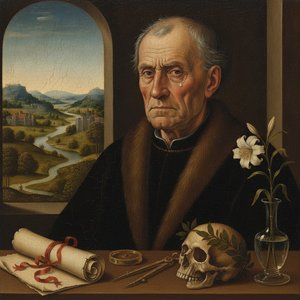
The Northern Renaissance: A Masterclass in Hyper-Realism, Oil Innovation, and Symbolic Depth
Explore the profound mastery of Northern Renaissance art. Discover the technical brilliance of Flemish oil painting, the intricate symbolism of Bosch and Bruegel, and the revolutionary realism that redefined European art history through an expert historical lens.

Giclée Prints: Archival Quality & Aesthetic Nuances for the Discerning Collector
Explore the world of giclée prints with OriginalUniqueArt. Learn about archival quality, aesthetic nuances & investment potential. Expert guidance for discerning art collectors seeking museum-quality reproductions and lasting value.