
 Visualizar na parede
 Compartilhar
 Compartilhar
 Detalhes
 Guia
Guia

 Baixar imagem
 Semelhantes
 Raio X
 Ver diaporama
 Perguntas e Respostas
 Estatísticas
Ecce Homo (detail)


 Ler mais
Giclée / Impressão de Arte
Impressão giclée ou em tela de qualidade de museu, com produção rápida e opções flexíveis de acabamento. ( Comprar pintura feita à mão Alternar para Imagem Digital)




P118B €10

P118H €10

P118W €10

P438Z €10

P508JH €12

P508YH €12

P805H €10

P805Z €10

P919BZ €10

P919G €10

P919XJ €10

P959ZH €10

P968JZ €12

W106C €8

W218G €10

W218JH €8

W218Y €10

W307PJ €10

W316G €10

W316PJ €8

W316Y €10

W398PJ €8

W4111J €10

W500HY €15

W500JH €15

W692G €12

W849H €8

W940BG €15

W953PJ €8




Escolha entre os nossos tamanhos pré-definidos que respeitam as proporções originais da obra de arte.

Insira a largura e a altura desejadas para se ajustarem à sua moldura ou parede. Uma impressão pode ser apenas cortada, nunca ampliada além da imagem original; portanto, um tamanho com proporções diferentes resultará na perda de parte da imagem. Enviamos uma maquete digital para sua aprovação antes de realizarmos a impressão. A imagem exibida nesta página não mostra o corte real — apenas a maquete o faz.
Entrega mundial () em 2 semanas, em vez das 4/5 semanas padrão. (4 Novembro)

Envio expresso gratuito para todo o mundo

Tela de Linho de Alta Qualidade

Seguro de transporte completo

Garantia de Reembolso de Impostos Alfandegários

Garantia de Fidelidade Cromática

Política de Devolução em 100 Dias (Apenas para Defeitos)

Garantia de reembolso de 100%

Oferta de desconto por quantidade
 A opção de vidro está disponível apenas para tamanhos inferiores a 110 cm

Ecce Homo (detail)
Giclée / Impressão de Arte
Tamanho da Reprodução
-


Preço Total
€ 72
The Haunting Beauty of “Ecce Homo (detail)” by Quentin Massys
The image before you is not merely a depiction of Christ; it’s an invitation into the heart of human reaction, a meticulously rendered tableau of judgment and sorrow. This detail from Quentin Massys' "Ecce Homo," painted in 1526, captures a pivotal moment – the presentation of Jesus to a hostile crowd, a scene brimming with psychological depth and unsettling realism. Massys, a key figure in establishing the Antwerp School’s distinctive style, masterfully utilizes oil paint on panel to achieve an astonishing level of detail, imbuing each face with a palpable sense of emotion.
Massys' approach diverges significantly from earlier depictions of this biblical episode. Instead of presenting a serene, sacrificial figure, he confronts the viewer with the raw, unfiltered responses of those present. The composition is dominated by a chaotic throng, their faces a study in varying degrees of scorn, mockery, and bewildered apathy. Notice how Massys doesn’t shy away from portraying the ugliness of human behavior – the leering expressions, the grasping hands, the blatant disregard for the man before them. This wasn't simply an attempt to illustrate a religious narrative; it was a profound exploration of humanity’s capacity for both cruelty and indifference.
A Masterclass in Anatomical Precision and Dramatic Lighting
The technical brilliance of “Ecce Homo (detail)” is immediately apparent. Massys demonstrates an extraordinary understanding of human anatomy, meticulously rendering the musculature, wrinkles, and expressions on each face. The figures are not idealized; they possess a tangible physicality, reflecting the artist’s interest in capturing the nuances of individual character. Crucially, Massys employs dramatic chiaroscuro – the skillful use of light and shadow – to heighten the emotional impact. Strong contrasts between illuminated faces and shadowed masses draw the eye to key elements within the composition, creating a sense of theatrical intensity.
The lighting itself seems to amplify the scene’s unsettling atmosphere. The figures closest to Christ are bathed in a harsh, almost unforgiving light, while those further back remain shrouded in darkness. This technique emphasizes Christ's vulnerability and isolation, highlighting his position as the object of public scorn. Massys’ use of color is equally deliberate; muted earth tones dominate the scene, punctuated by the vibrant red of the robe worn by Christ – a stark contrast that draws attention to his suffering.
Symbolism and the Weight of Judgment
Beyond its technical mastery, “Ecce Homo (detail)” is rich in symbolic meaning. The figures surrounding Jesus represent not just individual reactions but also broader themes of judgment, betrayal, and the consequences of indifference. The man pointing at Christ with a furious expression embodies the mob’s collective outrage, while the figure pulling Christ's beard symbolizes the act of defiance and mockery. Even seemingly minor details – such as the turban worn by one of the onlookers – carry symbolic weight, hinting at the exotic and unsettling nature of the scene.
The inclusion of figures like the “old fool” with glazed eyes speaks to a deeper commentary on humanity’s capacity for blindness and apathy. Massys isn't simply depicting a historical event; he is offering a timeless meditation on human nature, prompting viewers to confront their own roles in perpetuating cycles of judgment and cruelty. The painting serves as a potent reminder that even the most seemingly insignificant actions can contribute to a climate of disrespect and indifference.
A Timeless Reflection on Humanity
“Ecce Homo (detail)” by Quentin Massys remains a profoundly moving work of art, captivating viewers with its raw emotional intensity and technical brilliance. It’s more than just a religious painting; it's a powerful exploration of human psychology, social dynamics, and the enduring consequences of judgment. Reproductions of this masterpiece offer an opportunity to bring this hauntingly beautiful image into your home or office, serving as a constant reminder of the complexities of human nature and the importance of empathy and compassion. Consider how its dramatic lighting and carefully rendered faces can transform any space, adding depth and intrigue to your surroundings.
Perguntas e Respostas
Qual é a paleta de cores de "Ecce Homo (detail)"?
"Ecce Homo (detail)", de Quentin Matsys utiliza uma paleta de cores Earthy. A paleta sintetiza o caráter cromático geral da obra.
"Ecce Homo (detail)" permaneceu no país de origem do seu artista?
Não – a obra de arte encontra-se no exterior. O país de nascimento de Quentin Matsys é Bélgica, e o museu que detém o original de "Ecce Homo (detail)" está em Itália.
Como o meio e o movimento se combinam em "Ecce Homo (detail)"?
Em "Ecce Homo (detail)", a técnica de Acrylic On Canvas encontra o movimento Early Netherlandish Renaissance.
Biografia do Artista
O Arquiteto da Escola de Antuérpia
Na paisagem vibrante e florescente dos Países Baixos do século XVI, poucos nomes ressoam com tanta importância fundamental quanto Quentin Massys. Frequentemente aclamado como o pioneiro da Escola de Antuérpia, Massys foi um pintor que construiu uma ponte entre a devoção espiritual e meticulosa da tradição flamenga primitiva e o humanismo emergente do Renascimento Nórdico. Nascido por volta de 1466 em Leuven, na Bélgica, sua vida inicial permanece como uma tapeçaria de lendas e fragmentos históricos. Sussurra-se amplamente na história da arte que, antes de empunhar um pincel fino, ele foi treinado como ferreiro — um detalhe que confere um peso profundo e tátil ao seu domínio posterior sobre a textura e o material. Esse histórico na metalurgia provavelmente instilou nele uma reverência única pelo mundo físico, permitindo-lhe render o brilho da seda, o reflexo frio da moeda e a pele desgastada da humanidade com uma precisão inigualável.
Ao transitar da atmosfera acadêmica de Leuven para o movimentado centro comercial de Antuérpia por volta de 1490, Massys começou a tecer seu próprio fio distinto na trama da arte flamenga. Sua formação inicial, potencialmente sob a orientação de Dirk Bouts, conectou-o à linhagem de mestres como Hans Memling e Rogier van der Weyden. Desses predecessores, ele herdou uma devoção ao verossimilhança — a busca pela verdade na representação. No entanto, Massys estava longe de ser um mero imitador. Embora mantivesse o detalhe requintado característico de seus antepassados, ele infundiu sua obra com uma vitalidade nova e crescente, e uma disposição para explorar as complexidades da condição humana tanto através da solenidade religiosa quanto do mordaz comentário social.
Um Domínio entre a Devoção e a Sátira
O brilho de Massys reside em sua notável capacidade de navegar por dois mundos aparentemente díspares: o sagrado e o profano. Por um lado, suas composições religiosas servem como profundas meditações sobre a fé. Em obras como Cristo na Cruz com Doadores, ele captura a gravidade emocional e crua da crucificação, utilizando uma sensibilidade do Alto Renascimento para apresentar uma cena que é ao mesmo tempo profundamente comovente e tecnicamente impecável. Sua habilidade de retratar o divino através da lente do sofrimento humano permitiu que seus temas religiosos ressoassem com uma intimidade visceral, tornando o espiritual palpável para o espectador.
Inversamente, Massys era um mestre do gênero satírico, usando seu pincel para segurar um espelho diante dos mutáveis costumes sociais de sua era. Ele possuía um olhar aguçado para as fragilidades da humanidade, criando frequentemente cenas que misturavam o realismo com uma sagacidade sutil e irônica. Essa dualidade é talvez mais evidente em sua abordagem ao retrato e à pintura de gênero, onde ele podia alternar da beleza serena de uma Virgem e o Menino para as representações mais complexas e moralmente estratificadas da vida contemporânea. Seu trabalho frequentemente explorava temas como a ganância, a vaidade e a tensão entre a riqueza material e a pureza espiritual, tornando-o um precursor dos grandes pintores de gênero que viriam nos séculos seguintes.
Legado e Significância Artística
A importância histórica de Quentin Massys não pode ser subestimada; ele foi o catalisador de uma revolução artística em Antuérpia. Ao introduzir novos motivos e técnicas, permanecendo ancorado nas ricas tradições de sua terra natal, ele forneceu o modelo para uma escola de pintura que dominaria a Flandres durante todo o século XVI. Sua influência pode ser rastreada através da evolução da arte do Norte da Europa, pois ele pavimentou o caminho para um estilo mais expressivo e observacional, que abraçou as complexidades do mundo em modernização.
Hoje, lembramos Massys não apenas como um artesão, mas como um contador de histórias que capturou a alma de uma era. Seu legado é preservado no poder duradouro de sua imagética:
- Inovação Técnica: A integração perfeita da precisão inspirada na metalurgia com a graça fluida da pintura a óleo renascentista.
- A Escola de Antuérpia: O estabelecimento de um movimento artístico duradouro que priorizava tanto o realismo quanto a narrativa moral.
- Perspectiva Humanista: Uma habilidade única de fundir a profunda santidade dos ícones religiosos com a sagacidade observacional e afiada da sátira social.

Quentin Matsys
1466 - 1530 , Bélgica
Dados Rápidos
- Artistas Que O Influenciaram: ['Dirk Bouts']
- Artistas/Movimentos Influenciados: ['Hans Memling']
- Data Da Morte: 1530
- Data De Nascimento: Leuven, Bélgica (c. 1466)
- Local De Nascimento: Leuven, Bélgica
- Movimento Artístico: Escola de Antuérpia
- Nacionalidade: Flamengo
- Nome Completo: Quentin Massys
- Obras Notáveis:
- Retábulo de Santa Ana
- O Agiota e sua Esposa
Artigos Relacionados

Maurice Quentin de La Tour: Light, Shadow & the Rococo Portrait
Explore the captivating world of Maurice Quentin de La Tour, a master of Rococo portraiture. Discover his innovative pastel techniques, intimate depictions of French aristocracy, and lasting artistic legacy. Learn more at OriginalUniqueArt.
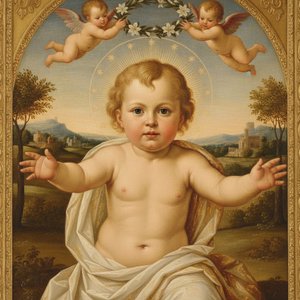
Divine Innocence: A Guide to Capturing the Beauty of Baby Jesus in Fine Art History
Explore the profound beauty of Baby Jesus in fine art history. From Raphael's Renaissance masterpieces to symbolic light, discover how classical painters captured divine innocence through masterful technique and sacred iconography.

Giotto di Bondone: As 25 Obras-Primas que Definiram a Arte Renascentista | OriginalUniqueArt
Descubra as 25 obras-primas de Giotto di Bondone, o mestre da Renascença! Explore a história por trás dos afrescos icônicos, cores vibrantes e emoção atemporal. Reproduções de arte exclusivas para decorar sua casa com elegância em OriginalUniqueArt.com.

El Greco: As 25 Obras-Primas que Definem um Gênio da Pintura | OriginalUniqueArt
Descubra as 25 obras-primas de El Greco, o mestre renascentista espanhol! Explore a história, técnica e emoção por trás de quadros icônicos como 'O Enterro do Conde Orgaz'. Encontre reproduções de arte exclusivas e inspire sua decoração em OriginalUniqueArt.com.

Fra Angelico: As 25 Obras-Primas que Definem a Arte Renascentista | OriginalUniqueArt
Descubra as 25 obras-primas de Fra Angelico, o mestre renascentista da arte sacra. Explore a beleza dos afrescos e pinturas que inspiram fé e contemplação. Reproduções de alta qualidade em OriginalUniqueArt.com!