

 Visualizar em escala
 Enviar
 Compartilhar
 Ver detalhes
 Guia de Obras do Aluno

 Baixar imagem
 Semelhantes
 Raio X
 Apresentação de slides
 Estatísticas
Up the River During Qingming
 Oil On Canvas
- WallArt
- Ming Dynasty Painting
 1644
1644 34.0 x 804.0 cm
 National Palace Museum
 Ver mais
Giclée / Impressão de Arte
Impressão giclée ou em tela de qualidade de museu, com produção rápida e opções flexíveis de acabamento. ( Encomendar reprodução pintada à mão Ver Imagem Digital)




P118B €10

P118H €10

P118W €10

P438Z €10

P508JH €12

P508YH €12

P805H €10

P805Z €10

P919BZ €10

P919G €10

P919XJ €10

P959ZH €10

P968JZ €12

W106C €8

W218G €10

W218JH €8

W218Y €10

W307PJ €10

W316G €10

W316PJ €8

W316Y €10

W398PJ €8

W4111J €10

W500HY €15

W500JH €15

W692G €12

W849H €8

W940BG €15

W953PJ €8




Escolha entre os nossos tamanhos pré-definidos que respeitam as proporções originais da obra de arte.

Digite a largura e a altura de que necessita, para se ajustar à sua moldura ou à sua parede. Uma impressão só pode ser cortada, nunca ampliada além da imagem original, pelo que um tamanho com uma proporção diferente perderá parte da imagem. Enviamos-lhe uma maquete digital para aprovação antes de imprimirmos qualquer coisa. A imagem apresentada nesta página não mostra o corte real — apenas a maquete o faz.
Entrega mundial () em 2 semanas, em vez das 4/5 semanas padrão. (15 Outubro)

Envio expresso gratuito para todo o mundo

Tela de Linho Premium

Seguro de transporte total

Garantia de Reembolso de Impostos Alfandegários

Garantia de Fidelidade de Cor

Política de Devolução em 100 Dias (Apenas para Defeitos)

Garantia de reembolso de 100%

Desconto para múltiplas unidades
 A opção de vidro está disponível apenas para tamanhos inferiores a 110 cm

Up the River During Qingming
Giclée / Impressão de Arte
Dimensões da Reprodução
-


Preço Total
€ 70
A Glimpse into Imperial Life and Artistic Mastery
“Up the River During Qingming” – a title that conjures images of a vibrant, bustling scene, yet within its painted surface lies a profound meditation on life, death, and the ephemeral beauty of the natural world. Attributed to the masterful Qiu Ying, a painter who defied conventional artistic paths to forge his own legacy during the Ming Dynasty (1494-1552), this handscroll offers an unparalleled window into 17th-century China – a time of immense cultural flourishing and imperial grandeur. More than just a depiction of a river journey, it’s a meticulously crafted tableau that speaks volumes about social hierarchy, artistic innovation, and the enduring fascination with capturing fleeting moments.
The Painter's Journey: From Lacquer to Legend
Qiu Ying’s origins were remarkably unconventional. He began his career not within the established academies of art, but as a lacquer artisan – a skill that instilled in him an extraordinary attention to detail and a deep understanding of color and texture. This early apprenticeship honed his ability to render intricate patterns with precision, a quality that would become hallmarks of his later paintings. He subsequently studied under Zhou Chen in Suzhou, a renowned master who further refined his technique and exposed him to the prevailing artistic trends of the era. Qiu Ying’s journey is a testament to the power of self-directed learning and the diverse paths one can take to achieve artistic greatness.
A Symphony of Color and Technique
The scroll's visual impact is immediately arresting, dominated by a rich palette of mineral pigments – vibrant blues derived from lapis lazuli, shimmering greens sourced from malachite, and fiery reds achieved with cinnabar. Qiu Ying’s technique exemplifies the “gongbi” style, characterized by meticulous brushwork and an almost photographic realism. Notice the incredible detail in the rendering of the buildings lining the riverbank – each tile meticulously depicted, reflecting the opulence of imperial architecture. The water itself is treated with a remarkable fluidity, utilizing layered washes to create an illusion of movement and depth. The use of “wet-on-wet” technique further enhances this effect, blurring the boundaries between foreground and background.
Scenes of Celebration and Social Commentary
“Up the River During Qingming” is not simply a landscape painting; it’s a carefully constructed narrative. The scene unfolds along the Jinming River, teeming with activity as people celebrate the Qingming Festival – a time for honoring ancestors and visiting graves. We see elaborate boat races, lively dance performances, acrobatic displays, and even military reviews, all taking place within the confines of a grand palace complex. These activities are not merely decorative; they subtly comment on the social hierarchy of the time, with the emperor’s presence and lavish displays signifying his authority and power. The inclusion of stage performances suggests an appreciation for entertainment and cultural refinement.
Symbolism and the Ephemeral Nature of Life
Beyond its surface details, “Up the River During Qingming” is imbued with symbolic meaning. The river itself represents the flow of time, while the figures within the scene embody the diverse roles and aspirations of Ming Dynasty society. The meticulous detail with which Qiu Ying depicts the landscape – from the towering willow trees to the meticulously rendered buildings – underscores the importance of harmony between humanity and nature. Ultimately, the painting serves as a poignant reminder of the fleeting beauty of life and the enduring desire to capture it on canvas. It’s a masterpiece that continues to resonate with viewers centuries later, offering a glimpse into a bygone era and inviting us to contemplate our own place within the grand sweep of history.
Perguntas e Respostas
Por que o status de direitos autorais de "Up the River During Qingming" é como é?
O status de direitos autorais de "Up the River During Qingming" - em domínio público - seus direitos autorais expiraram - decorre do falecimento do artista em 1552.
Qual técnica foi utilizada para "Up the River During Qingming" de Qiu Ying?
A técnica de "Up the River During Qingming" de Qiu Ying é Oil On Canvas. As reproduções visam reproduzir a aparência desta técnica.
"Up the River During Qingming" de Qiu Ying está entre as obras de Ming Dynasty Painting mais procuradas?
Dentro do movimento Ming Dynasty Painting, "Up the River During Qingming" possui um nível de popularidade Recognized.
Biografia do Artista
Uma Vida Forjada em Pinceladas: O Mundo de Qiu Ying
Nascido em circunstâncias humildes em 1494, na cidade de Taicang, próxima à atual província de Jiangsu, Qiu Ying ascendeu ao posto de um dos pintores mais celebrados da Dinastia Ming. Ao contrário de muitos artistas de sua era, que beneficiavam de uma criação erudita e educação formal dentro de círculos artísticos estabelecidos, o caminho de Qiu Ying foi notavelmente autodidata. Ele iniciou sua jornada artística não por canais tradicionais, mas como aprendiz de artesão de laca, aperfeiçoando suas habilidades em trabalhos decorativos detalhados – um alicerce que influenciaria profundamente a precisão meticulosa característica de suas pinturas posteriores. Essa experiência precoce instilou nele o domínio da linha e da cor, qualidades que ele viria a refinar sob a tutela de Zhou Chen em Suzhou, um vibrante centro cultural durante o período Ming. Foi dentro deste ambiente dinâmico que Qiu Ying verdadeiramente começou a florescer, absorvendo técnicas e desenvolvendo uma voz artística unicamente sua.Mestre da Versatilidade: Estilo e Técnica
O gênio de Qiu Ying não residia na adesão rígida a uma única escola ou estilo, mas em sua extraordinária versatilidade. Enquanto Suzhou era um reduto da delicada pintura com lavagem de tinta favorecida pela Escola Wu, Qiu Ying demonstrou uma habilidade excepcional em dominar tanto essa abordagem matizada quanto a vibrante e detalhada técnica gongbi. Essa adaptabilidade permitiu que ele atendesse a uma clientela diversificada com gostos variados, estabelecendo-se como um artista altamente requisitado. Ele fundia essas técnicas com maestria, frequentemente incorporando elementos do estilo verde e azul – conhecido por sua coloração rica e detalhes intrincados – em suas composições. Suas pinturas distinguem-se por um refinamento de cor requintado, atenção meticulosa aos detalhes e uma capacidade notável de capturar tanto paisagens panorâmicas grandiosas quanto cenas íntimas e delicadamente representadas. Essa proeza técnica não era apenas uma questão de habilidade; tratava-se de contar histórias, transmitir emoções e dar vida a narrativas sobre seda ou papel.Patrocínio e o Florescimento de uma Carreira
A carreira de Qiu Ying floresceu graças ao apoio generoso de patronos ricos que encomendavam obras de um amplo espectro de temas. Ele pintou paisagens imbuídas de perspectiva atmosférica, cenas religiosas que irradiavam devoção espiritual, representações delicadas de flores e jardins repletos de vida, e composições figurativas envolventes que capturavam a essência de seus temas. Entre suas criações mais celebradas estão interpretações magistrais como Up the River During Qingming, inspirada no icônico original da dinastia Song do Norte; Lady in a Bamboo Grove, exibindo sua habilidade em retratar figuras elegantes em cenários naturais; The Seven Sages of the Bamboo Grove, demonstrando sua compreensão de temas literários clássicos; e Spring Morning in the Han Palace, uma representação vibrante da vida cortesã. Patronos fundamentais como Chen Guan de Suzhou, e mais tarde Zhou Fenglai e Xiang Yuanbian – ambos proeminentes colecionadores de arte – desempenharam papéis cruciais no apoio aos seus empreendimentos artísticos, proporcionando-lhe a liberdade para explorar sua criatividade e refinar sua técnica.Legado e Influência Duradoura
O talento e a versatilidade de Qiu Ying garantiram-lhe um lugar entre os “Quatro Mestres” da Dinastia Ming — um testemunho de seu profundo impacto na pintura chinesa. Ele construiu uma ponte entre os estilos tradicionais e os gostos contemporâneos, criando obras que eram tanto tecnicamente brilhantes quanto esteticamente agradáveis. Suas pinturas refletem influências de mestres anteriores, particularmente os da Dinastia Song, mas ele fundiu habilmente esses precedentes históricos com a estética de seu próprio tempo. Ele não apenas imitava; ele sintetizava, inovava e, finalmente, criava um estilo que era distintamente seu. Além de sua vida, a influência de Qiu Ying estendeu-se a gerações de artistas que admiraram sua técnica magistral e abordagem inovadora. Ele permanece como uma figura celebrada na história da arte chinesa, reverenciado por sua capacidade de capturar a beleza, transmitir significado e deixar uma marca indelével na paisagem artística. Mesmo hoje, seu nome adorna uma cratera em Mercúrio — um tributo apropriado a um artista cuja visão alcançou limites além dos terrenos. Seu legado continua a inspirar temor e admiração entre entusiastas da arte em todo o mundo.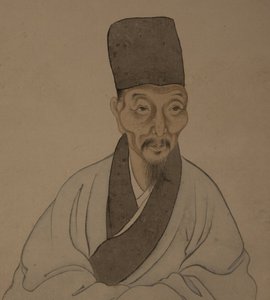
Qiu Ying
1494 - 1552 , China
Informações Rápidas
- Artistic Movement Or Style: Gongbi, Escola Wu
- Artists Or Movements Influenced By This Artist: ['Artistas da Dinastia Ming']
- Artists Who Influenced This Artist: ['Mestres da Dinastia Song']
- Date Of Birth: 1494
- Date Of Death: 1552
- Full Name: Qiu Ying
- Nationality: Chinês
- Notable Artworks:
- Subindo o Rio Durante Qingming
- Dama em um Bosque de Bambu
- Os Sete Sábios do Bosque de Bambu
- Manhã de Primavera no Palácio Han
- Place Of Birth: Taicang, China
Artigos Relacionados
Xie Zhiliu: A Legacy of Ink Wash Painting & Modern Chinese Literati Tradition
Explore the legacy of Xie Zhiliu, a master of Chinese ink wash painting & prominent figure in modern art. Discover his techniques, influences, and contributions to literati tradition. A guide for discerning collectors.
The Timeless Beauty of Chinese Calligraphy: An Exploration of Ink, Spirit, and the Art of the Brush
Embark on a profound journey through the soul of Chinese calligraphy. Explore the historical mastery of ink, brush, and script, from ancient Zhuanshu to elegant running script, and discover how this timeless art form reflects the enduring spirit of classical East Asian aesthetics.

Ephemeral Expressions: Exploring the Nuances of Ink on Paper Through History & Contemporary Art
Explore the captivating world of ink wash painting – from its ancient origins to contemporary masters. Discover techniques, symbolism & conservation insights with OriginalUniqueArt.com.
Pu Xinyu's 'Puru': A Legacy of Literati Painting & Emotional Resonance
Explore the captivating world of Pu Xinyu (Puru), the last great literati painter. Discover his imperial heritage, masterful ink wash techniques & enduring legacy – a valuable addition to any discerning art collection.
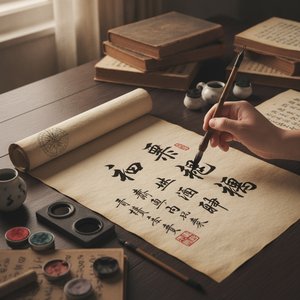
Mastering the Flow: The Timeless Art of Ink on Paper and the Legacy of Calligraphic Mastery
Explore the profound elegance of ink on paper. From the rhythmic running script of the Ming Dynasty to Zen-inspired haiku, discover the history, technique, and meditative mastery behind the world's most timeless calligraphic traditions.