

 Visualizar na parede
 Compartilhar
 Compartilhar
 Detalhes
 Guia
Guia

 Baixar imagem
 Semelhantes
 Raio X
 Ver diaporama
 Estatísticas
Sir Charles Watson
 Oil On Canvas
- WallArt
- Neoclassicism
 75.0 x 99.0 cm
 Fondazione Cariplo
 Ler mais
Giclée / Impressão de Arte
Impressão giclée ou em tela de qualidade de museu, com produção rápida e opções flexíveis de acabamento. ( Comprar pintura feita à mão Alternar para Imagem Digital)




P118B €10

P118H €10

P118W €10

P438Z €10

P508JH €12

P508YH €12

P805H €10

P805Z €10

P919BZ €10

P919G €10

P919XJ €10

P959ZH €10

P968JZ €12

W106C €8

W218G €10

W218JH €8

W218Y €10

W307PJ €10

W316G €10

W316PJ €8

W316Y €10

W398PJ €8

W4111J €10

W500HY €15

W500JH €15

W692G €12

W849H €8

W940BG €15

W953PJ €8




Escolha entre os nossos tamanhos pré-definidos que respeitam as proporções originais da obra de arte.

Insira a largura e a altura desejadas para se ajustarem à sua moldura ou parede. Uma impressão pode ser apenas cortada, nunca ampliada além da imagem original; portanto, um tamanho com proporções diferentes resultará na perda de parte da imagem. Enviamos uma maquete digital para sua aprovação antes de realizarmos a impressão. A imagem exibida nesta página não mostra o corte real — apenas a maquete o faz.
Entrega mundial () em 2 semanas, em vez das 4/5 semanas padrão. (26 Outubro)

Envio expresso gratuito para todo o mundo

Tela de Linho de Alta Qualidade

Seguro de transporte completo

Garantia de Reembolso de Impostos Alfandegários

Garantia de Fidelidade Cromática

Política de Devolução em 100 Dias (Apenas para Defeitos)

Garantia de reembolso de 100%

Oferta de desconto por quantidade
 A opção de vidro está disponível apenas para tamanhos inferiores a 110 cm

Sir Charles Watson
Giclée / Impressão de Arte
Tamanho da Reprodução
-


Preço Total
€ 70
A Glimpse into Aristocratic Grandeur: Pompeo Batoni's Portrait of Sir Charles Watson
To stand before this portrait is to step directly into the gilded salons of eighteenth-century Rome, a place where culture, ambition, and artistry converged. Pompeo Batoni, master chronicler of the privileged elite, has captured not merely a likeness, but an entire moment in aristocratic life. The subject, Sir Charles Watson, gazes out with a composed intensity that speaks volumes of his station and the era's expectations for gentlemen of means. His bearing is one of assured refinement; the crisp lines of his ruffled collar contrast beautifully with the deep tones of his brown coat, anchoring the composition against the stark, dramatic backdrop.
The Allure of Fashion and Historical Echoes
What immediately draws the eye, beyond the sitter's steady gaze, is the costume itself. Batoni has dressed Sir Charles in what is described as the Van Dyck dress—a fashion choice that transports us back to the opulent courts of the early seventeenth century. The golden mantle and buttons evoke the grandeur associated with Antoon Van Dyck’s time at the court of Charles I, a style that held immense sway among the British aristocracy during this period. This deliberate nod to historical costume suggests more than mere vanity; it is a sophisticated cultural citation, a visual language understood only by those who navigated the intellectual currents of the Grand Tour. The feather held delicately in his hand serves as both an accessory and a subtle emblem of status.
Mastery of Technique and Atmosphere
Technically, this oil on canvas exemplifies Batoni's genius for portraiture. His ability to render texture—the soft sweep of the white beard against the dark fabric, the sheen of the gold trim—is breathtaking. The contrast between the richly detailed foreground and the almost monolithic black background is a masterful stroke. This simplicity forces the viewer’s entire attention onto the sitter's face and gesture. Batoni, whose style drew from Bolognese Classicism and Raphael, achieves here a balance: the formality of classical portraiture infused with the vibrant immediacy of contemporary life. It is art that feels both timelessly grand and intimately personal.
A Statement for the Modern Collector
For the discerning collector or designer seeking to infuse a space with historical depth and undeniable elegance, this piece offers profound resonance. Reproducing such an artwork allows one to own a tangible piece of cultural history. It speaks to themes of lineage, worldly success, and enduring style. Imagine this portrait gracing a library or drawing-room; it does not merely decorate—it narrates the story of those who shaped the world from within its most cultured circles. It is an object that commands conversation, whispering tales of Oxford graduations, naval supremacy, and the dazzling allure of Italian artistic patronage.
Perguntas e Respostas
Como posso visualizar "Sir Charles Watson", de Pompeo Batoni em formato de apresentação de slides?
"Sir Charles Watson", de Pompeo Batoni pode ser visualizada em formato de slideshow na página de Apresentação de imagens da obra.
De onde vêm os visitantes de "Sir Charles Watson", de Pompeo Batoni?
A página Estatísticas de "Sir Charles Watson", de Pompeo Batoni apresenta estatísticas de visitas públicas: o número de visitas mensais desta obra, uma comparação com as obras mais visualizadas do artista e a origem dos seus visitantes.
Quais cores predominam em "Sir Charles Watson", de Pompeo Batoni?
"Sir Charles Watson", de Pompeo Batoni utiliza uma paleta Earthy, com Black (#151512) como cor dominante.
Biografia do Artista
Primeiros Anos e Formação
- Nascimento: Lucca, Itália (1708)
- Falecimento: 1787
- Pompeo Batoni mudou-se para Roma em 1727.
- Ele foi aprendiz de Agostino Masucci, Sebastiano Conca e/ou Francesco Imperiali.
- Seu primeiro encargo independente surgiu como resultado das chuvas que atingiram Roma em abril de 1732.
- A pintura "O Êxtase de Santa Catarina de Sena" ilustra seu refinamento acadêmico do estilo barroco tardio.
Estilo Artístico e Influências
- O estilo de Batoni buscava inspiração na antiguidade clássica, no Rococó francês, no Classicismo boloquense e em artistas como Nicolas Poussin, Claude Lorrain e, especialmente, Rafael.
- Ele é considerado um precursor do Neoclassicismo.
- Sua obra pode ser encontrada em vários museus, incluindo a Pinacoteca di Brera, em Milão, Itália.
Obras Notáveis e Comissões
- Virgem e o Menino com Santos
- Um Cavaleiro em Roma: Charles Cecil Roberts – Um célebre retrato de um viajante britânico ambientado entre ruínas romanas.
- O Triunfo de Veneza
- Inúmeros retábulos para igrejas na Itália, como o Museu Duomo em Siena.
- Ele era muito requisitado para retratos, particularmente por viajantes britânicos no Grand Tour, que encomendavam retratos de corpo inteiro inseridos em cenários antigos.
Desenvolvimento e Significância Histórica
- Batoni tornou-se um pintor extremamente elegante e de grande moda em Roma após seu rival, Anton Raphael Mengs, partir para a Espanha em 1761.
- Ele estreitou laços com Winckelmann e buscou moderar o classicismo em sua pintura.
- Seus retratos capturaram o espírito da era do Grand Tour, refletindo o fascínio pela antiguidade clássica entre as elites europeias.
- A habilidade de Batoni em fundir técnicas barrocas com os ideais neoclássicos emergentes posicionou-o como uma figura de transição na história da arte italiana.
Legado
- Pompeo Batoni faleceu em 4 de fevereiro de 1787, em Roma.
- Ele deixou um legado como um dos pintores italianos mais renomados de sua época.
- Sua obra continua a ser admirada por sua habilidade técnica, composições elegantes e retratos perspicazes de indivíduos dentro de seu contexto histórico.

Pompeo Batoni
1708 - 1787 , Itália
Dados Rápidos
- Artistic Movement Or Style: Neoclassicismo
- Artists Who Influenced This Artist:
- Nicolas Poussin
- Claude Lorrain
- Rafael
- Date Of Birth: 1708
- Date Of Death: 1787
- Full Name: Pompeo Batoni
- Nationality: Italiano
- Notable Artworks:
- Virgem e o Menino com Santos
- Um Cavaleiro em Roma
- O Triunfo de Veneza
- Place Of Birth (City And Country): Lucca, Itália
Artigos Relacionados

O Legado Duradouro da Pintura a Óleo sobre Tela: Técnica, História e Prática Contemporânea
Explore a história e as técnicas da pintura a óleo com especialistas. Descubra os mestres, materiais essenciais e o futuro desta arte atemporal. Reproduções de qualidade museológica.

The Enduring Legacy of Oil on Canvas: Technique, History & Aesthetic Impact
Explore the rich history & techniques of oil painting – from Renaissance masters to Impressionism. Discover pigments, layering methods, and why this timeless medium endures. Expert insights for artists & art enthusiasts.

Oil on Canvas: A Historical & Technical Exploration of a Timeless Artistic Medium
Explore the rich history & enduring techniques of oil painting on canvas. Discover the science behind its longevity, conservation practices, and contemporary relevance. Expert insights for art enthusiasts.
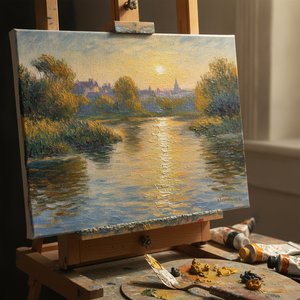
The Soul of Impressionism: Why Oil on Canvas Captures Eternal Light and Timeless Emotion
Discover the enchanting alchemy of Impressionism. Explore how the mastery of oil on canvas, through glazing and impasto, captures eternal light and emotion. Perfect for lovers of Monet and Van Gogh seeking the profound depth of hand-painted fine art.
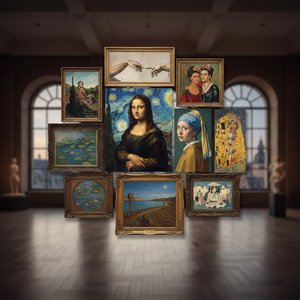
Top 10 Obras-Primas em Óleo que Revolucionaram a História da Arte | OriginalUniqueArt
Descubra as 10 obras primas em óleo que moldaram a história da arte! Explore Van Gogh, Monet, Da Vinci e outros mestres. Reproduções de alta qualidade para sua decoração. Explore a coleção completa na OriginalUniqueArt.com
