

 Enviar
 Compartilhar
 Ver detalhes
 Guia de Obras do Aluno

 Baixar imagem
 Semelhantes
 Apresentação de slides
 Estatísticas
Triumph of Cybele
 Fresco
- Renaissance
 1509
1509- Renaissance
 76.0 x 71.0 cm
 Ver mais
Giclée / Impressão de Arte
Impressão giclée ou em tela de qualidade de museu, com produção rápida e opções flexíveis de acabamento. ( Encomendar reprodução pintada à mão Ver Imagem Digital)




































Escolha entre os nossos tamanhos pré-definidos que respeitam as proporções originais da obra de arte.

Você pode inserir suas próprias dimensões para se ajustar a uma moldura ou espaço específico. Se o tamanho selecionado não corresponder às proporções da imagem original, iremos recortar a obra de arte ou estender a imagem com uma borda espelhada ou preenchimento sólido. Um mockup digital será enviado para sua aprovação antes do início da produção.
Por favor, observe que a visualização na tela não reflete o recorte ou a extensão real. Apenas o mockup mostrará com precisão a composição final.
Embora tamanhos personalizados estejam disponíveis, recomendamos selecionar uma dimensão da lista predefinida para preservar as proporções originais.
Entrega mundial () em 2 semanas, em vez das 4/5 semanas padrão. (26 Setembro)

Envio expresso gratuito para todo o mundo

Tela de Linho Premium

Seguro de transporte total

Garantia de Reembolso de Impostos Alfandegários

Garantia de Fidelidade de Cor

Política de Devolução em 100 Dias (Apenas para Defeitos)

Garantia de reembolso de 100%

Desconto para múltiplas unidades
 A opção de vidro está disponível apenas para tamanhos inferiores a 110 cm

Triumph of Cybele
Giclée / Impressão de Arte
Dimensões da Reprodução
-


Preço Total
$ 80
A Celestial Procession: The Majesty of Cybele
In the delicate dance of Renaissance splendor, few works capture the ethereal intersection of myth and grandeur as poignantly as Pinturicchio’s Triumph of Cybele. This exquisite masterpiece, dating from approximately 1509, presents a vision of divine authority that transcends time. At the heart of the composition sits the goddess Cybele, seated with an air of effortless command upon her ceremonial chariot. She is flanked by two majestic lions, their powerful forms acting as both guardians and symbols of the untamed nature brought into harmony under her reign. The scene is not merely a depiction of a mythological event but a carefully orchestrated tableau of power, where the wild strength of the beasts meets the refined grace of the divine feminine.
The composition is masterfully balanced, utilizing a sense of depth that draws the viewer into a lush, classical landscape. A solitary tree rises on the left, its verdant presence adding a layer of organic dimension to the scene, while the arrangement of the figures suggests a movement forward—a triumphal procession frozen in a moment of eternal glory. For the discerning collector or interior designer, this piece offers a profound sense of equilibrium and classical elegance, making it an ideal focal point for spaces that demand both intellectual depth and aesthetic sophistication.
The Artistry of the Umbrian Master
Pinturicchio, a virtuoso of the Italian Renaissance, brings to this work his signature ability to blend the intricate, decorative charm of the Gothic tradition with the burgeoning humanism of his era. The technique employed here reflects the artist's profound connection to antiquity; much of the inspiration for this ceiling panel was drawn from the remnants of Nero’s Golden House in Rome and ancient sarcophagi. This reverence for the classical past is evident in the meticulous detail of the drapery, the vibrant, jewel-like palette, and the soft, luminous quality of the light that bathes the goddess.
The artist's workshop contributed to a style characterized by refined grace rather than raw anatomical tension. Instead, we find an emphasis on decorative splendor—a feast for the eyes where every brushstroke serves to enhance the ornamental beauty of the subject. The use of color is particularly striking, with rich tones that evoke the opulence of the Palazzo del Magnifico in Siena, where this work was originally destined to reside. This mastery of color and detail ensures that a high-quality reproduction of this piece retains its ability to transform a room, imparting a sense of historical weight and artistic prestige.
Symbolism and the Legacy of Grandeur
Beyond its visual allure, the Triumph of Cybele serves as a complex tapestry of symbolism. The presence of the lions is a potent metaphor for the subjugation of primal instincts to higher wisdom and order. As part of a larger decorative program for the powerful Pandolfo Petrucci, the painting likely functioned as an allegory for the stability and magnificence of his rule. To possess or display such an image is to invite themes of leadership, harmony, and the triumph of civilization into one's environment.
For those seeking to curate a collection that speaks of heritage and timelessness, this work offers unparalleled inspiration. It is more than a mere painting; it is a window into the Renaissance soul, capturing a moment where the myths of old were breathed into new life through the hands of a master. Whether integrated into a contemporary minimalist setting or a classic, richly appointed study, the Triumph of Cybele continues to command attention, offering an enduring legacy of beauty and strength.
Biografia do Artista
A Graça Enigmática de Pinturicchio: Um Mestre do Renascimento
Bernardino di Betto, conhecido pelo mundo como Pinturicchio – um apelido carinhosamente atribuído devido à sua estatura diminuta – emergiu do coração artístico de Perugia em 1454. Sua vida desenrolou-se durante um período de imenso fermento cultural, com o Alto Renascimento florescendo por toda a Itália; no entanto, Pinturicidade traçou um caminho único, que fundia a elegância persistente das tradições góticas com as inovaentes descobertas da era. Enquanto gigantes como Leonardo da Vinci e Michelangelo buscavam a perfeição anatômica e o realismo dramático, Pinturicchio cultivou um estilo caracterizado por uma graça refinada, detalhes intrincados e uma sensibilidade decorativa vibrante. Sua jornada não foi de rupturas revolucionárias, mas sim de um requinte primoroso – um testemunho de sua habilidade em transformar formas estabelecidas em algo singularmente cativante.Dos Ateliês Umbros aos Encargos Papais
O treinamento inicial de Pinturicchio permanece, de certa forma, envolto em mistério, embora se acredite que ele tenha aperfeiçoado suas habilidades sob a orientação de mestres perugianos menos conhecidos, como Bonfigli e Fiorenzo di Lorenzo. Um momento crucial surgiu quando ele entrou na órbita de Pietro Perugino, uma figura central da escola umbra. Segundo Giorgio Vasari, Pinturicchio serviu como assistente de Perugino, uma colaboração que indubitavelmente moldou seu desenvolvimento artístico. Essa conexão provou ser fundamental para garantir uma encomenda para a Capela Sistina, em Roma, no início do século XVI. Trabalhando ao lado de alguns dos artistas mais célebres da época – entre eles Botticelli, Ghirlandaio e Signorelli – Pinturicchio contribuiu para este projeto monumental, embora, infelizmente, seus afrescos tenham sido posteriormente destruídos para dar lugar ao Juízo Final de Michelangelo. Esta experiência, contudo, serviu como um degrau essencial, expondo-o a novas influências e consolidando sua reputação.Um Período Prolífico: Roma e os Apartamentos BorgiaLegado e Influência Duradoura
O legado artístico de Pinturicchio é feito de elegância refinada e um artesanato meticuloso. Embora possa não ter possuído o mesmo nível de fama que alguns de seus contemporâneos, sua influência sobre as gerações subsequentes de artistas é inegável. Seu estilo único – uma mistura harmoniosa da graça gótica com a inovação renascentista – ressoou com aqueles que apreciavam a sutileza e o detalhe. Ele demonstrou uma habilidade excepcional em criar composições visualmente deslumbrantes, que eram ao mesmo tempo esteticamente agradáveis e intelectualmente estimulantes. Sua obra na Biblioteca Piccolomini, em Siena, concluída pouco antes de sua morte em 1513, permanece como um testemunho de seu talento duradouro. Os afrescos que retratam cenas da vida do Papa Pio II exibem uma clareza de forma e cor que prefigura o estilo do Alto Renascimento. A arte de Pinturicchio continua a cativar os espectadores hoje, oferecendo um vislumbre de um mundo de beleza, refinamento e maestria artística – um mundo onde o toque delicado de um “pequeno pintor” deixou uma marca indelével na paisagem da arte renascentista italiana.- Obras Notáveis: Afrescos na Capela Sistina (destruídos), Apartamentos Borgia no Vaticano, Biblioteca Piccolomini em Siena.
- Influências: Perugino, Escola de Pintura Umbra, tradições góticas.
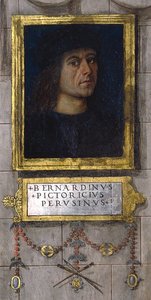
Pinturicchio
1454 - 1513 , Itália
Informações Rápidas
- Artistic Movement Or Style: Renascença
- Artists Who Influenced This Artist:
- Perugino
- Bonfigli
- Fiorenzo di Lorenzo
- Date Of Birth: 1454 Perugia
- Date Of Death: 1513 Siena
- Full Name: Bernardino di Betto
- Nationality: Italian
- Notable Artworks:
- Sistine Chapel
- Borgia Apartments
- Saint Augustine
- Place Of Birth: Perugia Itália
Artigos Relacionados

OriginalUniqueArt.com F.A.Q.: Elevating Interiors with Bespoke Wall Murals & Masterpiece Frescoes
Discover the pinnacle of bespoke interior transformation with OriginalUniqueArt.com. Our master fresco artists create exquisite, hand-painted wall murals and ceiling masterpieces tailored to your estate. Elevate your architectural space with timeless, museum-quality artistry.