

 Visualizar em escala
 Enviar
 Compartilhar
 Ver detalhes
 Guia de Obras do Aluno

 Baixar imagem
 Semelhantes
 Raio X
 Apresentação de slides
 Estatísticas
Galatea (?)
 1509
1509 63.0 x 100.0 cm
 Ver mais
Adquira uma imagem digital de alta resolução e aprimorada, muito superior à prévia online.
Cada arquivo é meticulosamente preparado por nossos especialistas internos, utilizando ferramentas avançadas e retoques manuais de alta precisão. Garantimos que cada imagem apresente clareza excepcional, fidelidade de cores e detalhes minuciosos.
O arquivo final é entregue por e-mail em até 72 horas, otimizado para uso imediato em ambientes profissionais, editoriais e de impressão. Esta é a mesma qualidade utilizada por estúdios de design de alto nível, editoras e galerias.
Imagem Digital
Baixe um arquivo de alta resolução para exibição pessoal, impressão e projetos criativos. ( Alternar para Impressão Encomendar reprodução pintada à mão)
Incluído em cada pedido de imagem digital
Entrega Digital Especializada e Garantida
Ao escolher o OriginalUniqueArt.com, você não está apenas adquirindo uma imagem — você está recebendo uma obra de arte digital profissionalmente aprimorada, elaborada com precisão e com garantia de satisfação. Aqui está tudo o que acompanha seu pedido, automaticamente:

Entrega rápida por e-mail
O seu arquivo de imagem digital em alta resolução será enviado por e-mail em até 72 horas após o pedido — pronto para uso imediato.

Arquivo Digital com IA Otimizado
Sua obra de arte é otimizada profissionalmente por meio de ferramentas avançadas de IA e edição manual, garantindo o máximo de detalhes, clareza e precisão de cores.

Reenvio gratuito vitalício
Apagou ou perdeu o seu ficheiro acidentalmente? Não se preocupe – nós reenviamos para si a qualquer momento, gratuitamente.

Sem Taxas de Importação - Sempre
Desfrute da sua obra de arte instantaneamente, sem taxas alfandegárias, impostos ou custos de entrega — downloads digitais são sempre isentos de taxas.

Garantia de Precisão de Cores
Garantimos que sua imagem digital reflita as cores originais com a maior fidelidade possível, utilizando ferramentas profissionais e gerenciamento de cores.

Garantia de satisfação de 100 dias
Se não estiver satisfeito com a sua imagem digital, nós a revisaremos ou reembolsaremos 100% dentro de 100 dias — sem perguntas.

Garantia de Reembolso 100%
Não está satisfeito? Receba o reembolso total em até 100 dias após o recebimento do seu arquivo digital — sem perguntas.

Descontos para pedidos em lote
Compre 3 imagens, economize 10% - Compre 5, economize 15% - Compre 10+, economize 20%. Ideal para projetos criativos, galerias e agências.
Perguntas e Respostas
Posso examinar "Galatea (?)" com mais detalhes?
A visualização em Raio-X de "Galatea (?)" de Pinturicchio encontra-se na página Raio X da obra: um exame interativo da imagem através de onze camadas ópticas.
Onde posso comprar uma impressão de "Galatea (?)" de Pinturicchio?
"Galatea (?)" está disponível como uma impressão fine art em tela de algodão ou papel canvas de arquivo. Os pedidos são feitos em sua página de Impressão Fine Art, no tamanho de sua escolha.
Como posso descobrir obras de arte semelhantes a "Galatea (?)" de Pinturicchio?
Obras de arte semelhantes a "Galatea (?)" de Pinturicchio estão reunidas na página Semelhantes da obra.
Biografia do Artista
A Graça Enigmática de Pinturicchio: Um Mestre do Renascimento
Bernardino di Betto, conhecido pelo mundo como Pinturicchio – um apelido carinhosamente atribuído devido à sua estatura diminuta – emergiu do coração artístico de Perugia em 1454. Sua vida desenrolou-se durante um período de imenso fermento cultural, com o Alto Renascimento florescendo por toda a Itália; no entanto, Pinturicidade traçou um caminho único, que fundia a elegância persistente das tradições góticas com as inovaentes descobertas da era. Enquanto gigantes como Leonardo da Vinci e Michelangelo buscavam a perfeição anatômica e o realismo dramático, Pinturicchio cultivou um estilo caracterizado por uma graça refinada, detalhes intrincados e uma sensibilidade decorativa vibrante. Sua jornada não foi de rupturas revolucionárias, mas sim de um requinte primoroso – um testemunho de sua habilidade em transformar formas estabelecidas em algo singularmente cativante.Dos Ateliês Umbros aos Encargos Papais
O treinamento inicial de Pinturicchio permanece, de certa forma, envolto em mistério, embora se acredite que ele tenha aperfeiçoado suas habilidades sob a orientação de mestres perugianos menos conhecidos, como Bonfigli e Fiorenzo di Lorenzo. Um momento crucial surgiu quando ele entrou na órbita de Pietro Perugino, uma figura central da escola umbra. Segundo Giorgio Vasari, Pinturicchio serviu como assistente de Perugino, uma colaboração que indubitavelmente moldou seu desenvolvimento artístico. Essa conexão provou ser fundamental para garantir uma encomenda para a Capela Sistina, em Roma, no início do século XVI. Trabalhando ao lado de alguns dos artistas mais célebres da época – entre eles Botticelli, Ghirlandaio e Signorelli – Pinturicchio contribuiu para este projeto monumental, embora, infelizmente, seus afrescos tenham sido posteriormente destruídos para dar lugar ao Juízo Final de Michelangelo. Esta experiência, contudo, serviu como um degrau essencial, expondo-o a novas influências e consolidando sua reputação.Um Período Prolífico: Roma e os Apartamentos BorgiaLegado e Influência Duradoura
O legado artístico de Pinturicchio é feito de elegância refinada e um artesanato meticuloso. Embora possa não ter possuído o mesmo nível de fama que alguns de seus contemporâneos, sua influência sobre as gerações subsequentes de artistas é inegável. Seu estilo único – uma mistura harmoniosa da graça gótica com a inovação renascentista – ressoou com aqueles que apreciavam a sutileza e o detalhe. Ele demonstrou uma habilidade excepcional em criar composições visualmente deslumbrantes, que eram ao mesmo tempo esteticamente agradáveis e intelectualmente estimulantes. Sua obra na Biblioteca Piccolomini, em Siena, concluída pouco antes de sua morte em 1513, permanece como um testemunho de seu talento duradouro. Os afrescos que retratam cenas da vida do Papa Pio II exibem uma clareza de forma e cor que prefigura o estilo do Alto Renascimento. A arte de Pinturicchio continua a cativar os espectadores hoje, oferecendo um vislumbre de um mundo de beleza, refinamento e maestria artística – um mundo onde o toque delicado de um “pequeno pintor” deixou uma marca indelével na paisagem da arte renascentista italiana.- Obras Notáveis: Afrescos na Capela Sistina (destruídos), Apartamentos Borgia no Vaticano, Biblioteca Piccolomini em Siena.
- Influências: Perugino, Escola de Pintura Umbra, tradições góticas.
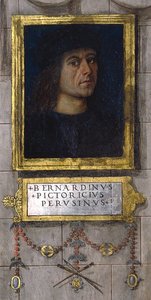
Pinturicchio
1454 - 1513 , Itália
Informações Rápidas
- Artistic Movement Or Style: Renascença
- Artists Who Influenced This Artist:
- Perugino
- Bonfigli
- Fiorenzo di Lorenzo
- Date Of Birth: 1454 Perugia
- Date Of Death: 1513 Siena
- Full Name: Bernardino di Betto
- Nationality: Italian
- Notable Artworks:
- Sistine Chapel
- Borgia Apartments
- Saint Augustine
- Place Of Birth: Perugia Itália