
 Visualizar em escala
 Enviar
 Compartilhar
 Ver detalhes

 Baixar
 Semelhantes
 Raio X
 Apresentação de slides
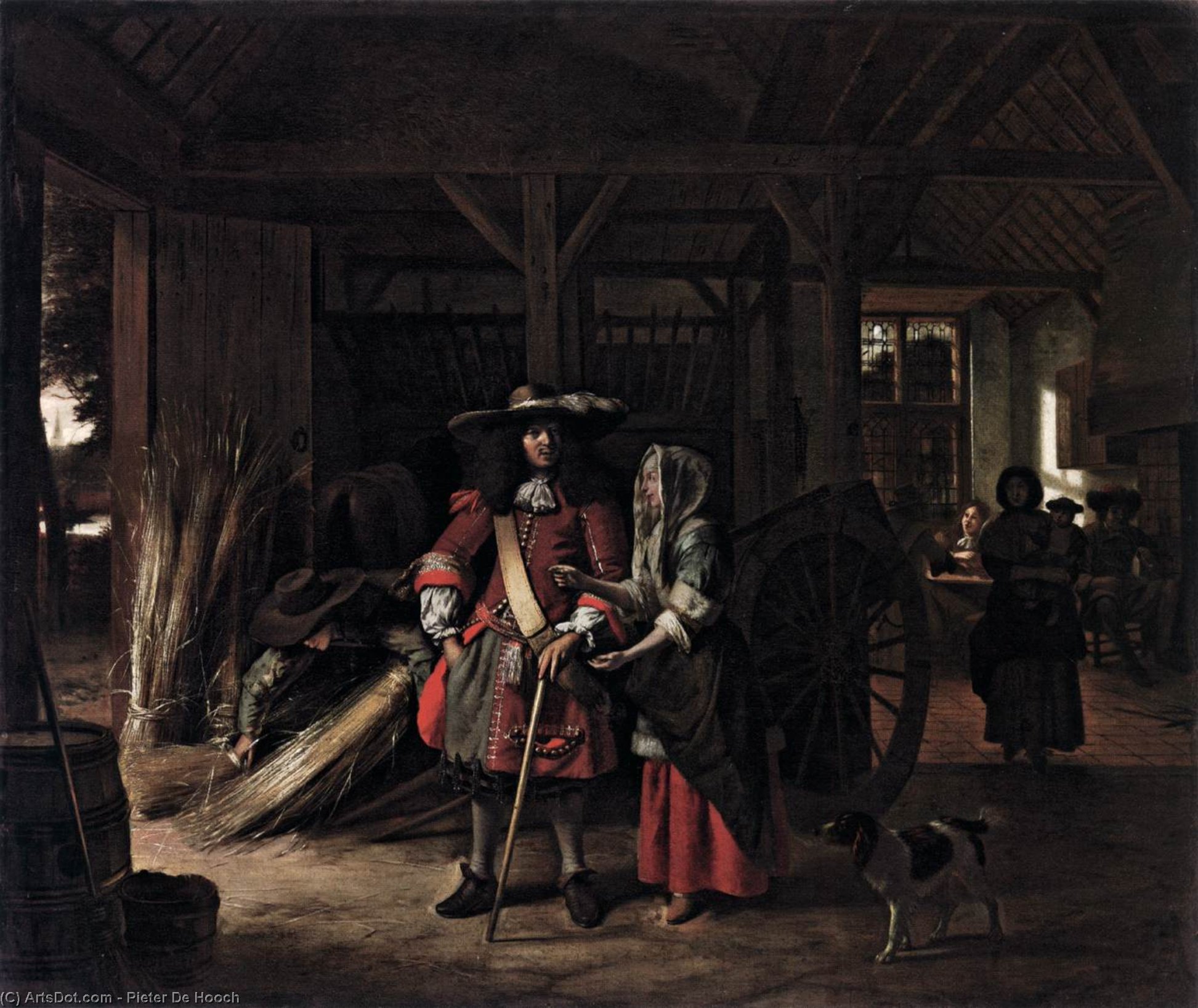
Paying the Hostess
 Oil On Canvas
- WallArt
- Dutch Golden Age
 1670
1670 95.0 x 111.0 cm
 Museu Metropolitano de Arte
 Ver mais
Giclée / Impressão de Arte
Impressão giclée ou em tela de qualidade de museu, com produção rápida e opções flexíveis de acabamento. ( Encomendar reprodução pintada à mão Comprar imagem em alta resolução)




































Escolha entre os nossos tamanhos pré-definidos que respeitam as proporções originais da obra de arte.

Você pode inserir suas próprias dimensões para se ajustar a uma moldura ou espaço específico. Se o tamanho selecionado não corresponder às proporções da imagem original, iremos recortar a obra de arte ou estender a imagem com uma borda espelhada ou preenchimento sólido. Um mockup digital será enviado para sua aprovação antes do início da produção.
Por favor, observe que a visualização na tela não reflete o recorte ou a extensão real. Apenas o mockup mostrará com precisão a composição final.
Embora tamanhos personalizados estejam disponíveis, recomendamos selecionar uma dimensão da lista predefinida para preservar as proporções originais.
Entrega mundial () em 2 semanas, em vez das 4/5 semanas padrão. (18 Agosto)

Envio Expresso Gratuito para todo o Mundo

Tela de Linho Premium

Seguro de transporte total

Garantia de Reembolso de Impostos Alfandegários

Garantia de Fidelidade de Cor

Política de Devolução de 60 Dias (Apenas para Defeitos)

Garantia de reembolso de 100%

Desconto para múltiplas unidades
 A opção de vidro está disponível apenas para tamanhos inferiores a 110 cm

Paying the Hostess
Giclée / Impressão de Arte
Dimensões da Reprodução
-


Preço Total
$ 80
Descrição do Item
A Window Into Delft’s Commerce: Pieter de Hooch's “Paying the Hostess”
Delft, 1670 – Pieter de Hooch’s “Paying the Hostess,” housed in a private collection today, offers more than just a glimpse into the bustling port city of Delft during its golden age; it presents a meticulously crafted tableau that speaks volumes about social dynamics and artistic innovation. Painted circa 1658, this monumental canvas transcends mere depiction, immersing viewers in an atmosphere thick with observation and imbued with subtle symbolic resonance. The scene unfolds within a dimly lit warehouse or storage facility—a space deliberately chosen by De Hooch to convey both the physicality of Delft’s economic activity and the psychological complexities of human interaction. At its core is a wealthy gentleman and his wife seated upon a cart laden with goods, their presence dominating the composition. Around them move several laborers diligently unloading crates and transporting materials – figures rendered with remarkable realism, capturing not just physical postures but also expressions of quiet contemplation and purposeful action. This isn’t simply a record of trade; it's an exploration of how individuals navigate social hierarchies within a community striving for prosperity. De Hooch’s artistic style exemplifies the hallmark characteristics of Dutch Golden Age painting: painstaking detail combined with masterful use of light. Unlike many contemporaries who favored grand narratives and theatrical gestures, De Hooch opted for a restrained aesthetic focused on capturing the nuances of domestic life—a deliberate choice that aligns perfectly with the burgeoning interest in portraying everyday realities during this period. The artist’s technique is characterized by meticulous brushwork, utilizing oil paint on canvas to achieve luminous effects and subtle tonal variations. Notice particularly how light streams through an open doorway, illuminating the faces of the figures and casting dramatic shadows across the warehouse floor—a compositional device that elevates the scene beyond mere representation, inviting contemplation about solitude and connection. The color palette is deliberately muted – dominated by deep browns, reds, and blacks – reflecting not only the materiality of the setting but also a prevailing mood of solemnity and introspection. However, De Hooch skillfully employs highlights of ochre and crimson to draw attention to key elements within the composition, subtly emphasizing the dignity of the gentleman and his wife while simultaneously underscoring the industriousness of their companions. The geometric precision of the architectural framework—straight lines delineating the walls and beams—contrasts with the organic curves of the cart wheels and fabric folds, creating a dynamic interplay between structure and fluidity. Beyond its visual beauty, “Paying the Hostess” carries significant symbolic weight. The open doorway represents access to both physical space and spiritual contemplation – suggesting that even amidst the demands of commerce, there remains room for introspection and reflection. Furthermore, the positioning of the figures—seated prominently on the cart—underscores the importance of social status within Delft society. De Hooch’s masterful rendering captures not just a moment in time but also an enduring portrait of human experience – a testament to his ability to transform observation into artful storytelling. This painting continues to inspire interior designers seeking to evoke a sense of understated elegance and historical gravitas, reminding us that true beauty resides in the quiet contemplation of everyday life.Biografia do Artista
primeiros anos e formação
Pieter de Hooch, uma figura proeminente da Idade de Ouro holandesa, nasceu em 20 de dezembro de 1629, em Roterdã, Países Baixos. Ele era o primogênito de cinco filhos de Hendrick Hendricksz de Hooch, um pedreiro, e Annetge Pieters, uma parteira. Pouco se sabe sobre seus primeiros anos, mas acredita-se que tenha trabalhado em Roterdã, Delft e Amsterdã. A formação artística de De Hooch ocorreu em Haarlem, sob a tutela do pintor de paisagens Nicolaes Berchem, ao lado de Jacob Ochtervelt. Este período lançou as bases para o seu futuro sucesso como um mestre em retratar cenas domésticas serenas, frequentemente marcadas pela presença de uma porta aberta que convida o olhar.estilo artístico e temas
A obra de De Hooch é caracterizada por sua atenção meticulosa aos detalhes, pelo naturalismo e pelo uso magistral da luz. Suas pinturas frequentemente celebravam a vida cotidiana, refletindo os valores e as aspções da classe média emergente. Um exemplo notável deste estilo é "o pátio de uma casa em Delft" (1658), que demonstra sua habilidade em capturar os detalhes mais simples do dia a dia. O trabalho de De Hooch também compartilha temas e composições com Emanuel de Witte, mas seu foco nas pessoas e em seus laços afetivos o distingue. Isso fica evidente em obras como "mulher amamentando" (1658) e "mulher com um bebê no colo" (1658), que demonstram seu profundo interesse pelas cenas domésticas.obras notáveis e legado
Algumas das obras mais memoráveis de De Hooch incluem:- "o bebedor alegre" (c. 1650)
- "jogadores de cartas em uma sala iluminada pelo sol" (1658)
- "uma mulher preparando pão e manteiga para um menino" (1661)
museus e coleções
A obra de De Hooch pode ser encontrada em diversos museus, incluindo o Koninklijk Museum voor Schone Kunsten em Antuérpia, Bélgica, que abriga uma vasta coleção de arte europeia do século XV ao XX. Descubra mais sobre Pieter de Hooch e suas obras na OriginalUniqueArt: [https://OriginalUniqueArt.com/@/pieter-de-hooch](https://OriginalUniqueArt.com/@/pieter-de-hooch) /pt/art/show/art-d3b4kt-pt/ (descubra as obras-primas do Koninklijk Museum voor Schone Kunsten, Bélgica)
Pieter de Hooch
1629 - 1694 , Países Baixos
Informações Rápidas
- Artistic Movement Or Style: Século de Ouro Holandês
- Artists Or Movements Influenced By This Artist: ['Johannes Vermeer']
- Artists Who Influenced This Artist:
- Nicolaes Berchem
- Hendrik Sorgh
- Date Of Birth: 20 de novembro de 1629
- Date Of Death: após 1683
- Full Name: Pieter Hendricksz de Hooch
- Nationality: Holandês
- Notable Artworks:
- Pátio de uma casa em Delft
- A Dutch Courtyard
- Place Of Birth: Roterdã, Países Baixos
Artigos Relacionados
Pieter de Hooch: Illuminating Dutch Domestic Life & Golden Age Charm
Explore the captivating world of Pieter de Hooch, a master of Dutch Golden Age painting. Discover his innovative use of light, intimate domestic scenes, and lasting influence on art history. Learn more at OriginalUniqueArt.

Golden Light & Dutch Skies: The Timeless Magic of Dutch Golden Age Landscapes
Discover the breathtaking beauty of Dutch Golden Age landscapes. Explore the mastery of light, chiaroscuro, and 17th-century realism through an expert art history lens, celebrating the enduring legacy of the Dutch Masters for discerning collectors and art lovers.

Pedidos Comerciais
APS oferece reproduções de belas artes e encomendas personalizadas desde 2004. Corporações, hotéis e colecionadores selecionados confiam em nós para obras de arte com qualidade de museu, serviço discreto e soluções artísticas completas. Entre em contato conosco para um orçamento personalizado!

A Era de Ouro Holandesa: 10 Mestras-Obras Imperdíveis para Decorar com Arte
Descubra as 10 obras-primas da Era de Ouro Holandesa! Explore a história, técnica e beleza atemporal de Rembrandt, Vermeer e outros mestres. Encontre reproduções de arte exclusivas para decorar sua casa com elegância em OriginalUniqueArt.com.

Mastering Light & Shadow: A Journey Through the Dutch Golden Age's Luminous Legacy
Embark on a cultural journey through the Dutch Golden Age. Explore the masterful interplay of light and shadow in 17th-century masterpieces, from Rembrandt to Vermeer, and discover how this era of profound realism continues to inspire fine art collectors today.



