

 Visualizar em escala
 Enviar
 Compartilhar
 Ver detalhes
 Guia de Obras do Aluno

 Baixar imagem
 Semelhantes
 Raio X
 Apresentação de slides
 Estatísticas
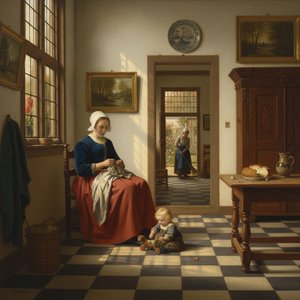
Interior with a Young Couple
 Oil On Panel
- WallArt
- Dutch Golden Age
 1662
1662- Early Modern
 55.0 x 63.0 cm
 Museu Metropolitano de Arte
 Ver mais
Giclée / Impressão de Arte
Impressão giclée ou em tela de qualidade de museu, com produção rápida e opções flexíveis de acabamento. ( Encomendar reprodução pintada à mão Ver Imagem Digital)




P118B €10

P118H €10

P118W €10

P438Z €10

P508JH €12

P508YH €12

P805H €10

P805Z €10

P919BZ €10

P919G €10

P919XJ €10

P959ZH €10

P968JZ €12

W106C €8

W218G €10

W218JH €8

W218Y €10

W307PJ €10

W316G €10

W316PJ €8

W316Y €10

W398PJ €8

W4111J €10

W500HY €15

W500JH €15

W692G €12

W849H €8

W940BG €15

W953PJ €8




Escolha entre os nossos tamanhos pré-definidos que respeitam as proporções originais da obra de arte.

Digite a largura e a altura de que necessita, para se ajustar à sua moldura ou à sua parede. Uma impressão só pode ser cortada, nunca ampliada além da imagem original, pelo que um tamanho com uma proporção diferente perderá parte da imagem. Enviamos-lhe uma maquete digital para aprovação antes de imprimirmos qualquer coisa. A imagem apresentada nesta página não mostra o corte real — apenas a maquete o faz.
Entrega mundial () em 2 semanas, em vez das 4/5 semanas padrão. (25 Outubro)

Envio expresso gratuito para todo o mundo

Tela de Linho Premium

Seguro de transporte total

Garantia de Reembolso de Impostos Alfandegários

Garantia de Fidelidade de Cor

Política de Devolução em 100 Dias (Apenas para Defeitos)

Garantia de reembolso de 100%

Desconto para múltiplas unidades
 A opção de vidro está disponível apenas para tamanhos inferiores a 110 cm

Interior with a Young Couple
Giclée / Impressão de Arte
Dimensões da Reprodução
-


Preço Total
€ 70
A Window into Dutch Domestic Tranquility
In the quiet corners of the seventeenth century, amidst the burgeoning prosperity of the Dutch Golden Age, Pieter de Hooch captured something far more profound than mere domesticity. His masterpiece, “Interior with a Young Couple,” painted in 1662, serves as an exquisite portal into a world defined by peace, intimacy, and the subtle dance of light. As one gazes upon this oil-on-panel treasure, currently held in the prestigious Metropolitan Museum of Art, there is an immediate sense of being invited into a private sanctuary. The scene is not merely a depiction of a room, but a carefully orchestrated meditation on the beauty found within the mundane rituals of middle-class life.
The composition draws the viewer inward through a masterful use of perspective and light. De Hooch, a luminary of his era, possessed an unparalleled ability to manipulate natural illumination to create depth and atmosphere. In this work, light pours through a window, casting soft glows upon the figures and highlighting the textures of the domestic setting. This technique does more than just illuminate the room; it breathes life into the very air, creating a palpable warmth that makes the space feel inhabited and eternally present. The interplay between sunlit surfaces and velvety shadows lends a rhythmic quality to the architecture, guiding the eye from the foreground figures toward the receding planes of the interior.
The Poetry of Human Connection
At the heart of this painting lies a tender narrative of companionship. The central figures—a young man and woman—are caught in a moment of quiet, shared existence. While the woman gazes thoughtfully, perhaps lost in reflection or observing her own image in a mirror, the man engages playfully with a canine companion. This interaction introduces a layer of gentle movement and warmth to the stillness of the room. The presence of the dog, a common motif in Dutch genre painting, often symbolizes fidelity and the comforts of a well-ordered home, reinforcing the themes of love and familial contentment that permeate the canvas.
Beyond the human subjects, the meticulous details of the room speak to the aspirations of the Dutch bourgeoisie. Every element, from the placement of the chairs to the soft light hitting the furniture, suggests a life of stability and refined taste. For the modern collector or interior designer, this painting offers more than just aesthetic beauty; it provides a blueprint for creating spaces that feel both sophisticated and deeply soulful. The artwork transcends its historical era, offering a timeless reminder that true luxury is often found in the quiet, luminous moments of togetherness and the serene atmosphere of a well-loved home.
To possess a high-quality reproduction of this work is to bring a piece of history’s most tranquil light into one's own environment. It serves as an anchor of calm, a conversation piece that invites contemplation, and a testament to the enduring power of the Dutch masters to find the extraordinary within the ordinary.
Perguntas e Respostas
Que atmosfera uma reprodução de "Interior with a Young Couple" de Pieter de Hooch traria para um ambiente?
A atmosfera Serene de "Interior with a Young Couple" de Pieter de Hooch combina com o seu espaço recomendado: um(a) Living Room.
A qual estilo pertence "Interior with a Young Couple"?
"Interior with a Young Couple" é uma obra do Dutch Golden Age. O movimento indica a tradição artística da qual a obra faz parte.
Posso ver "Interior with a Young Couple" de Pieter de Hooch sob diferentes luzes?
"Interior with a Young Couple" pode ser examinado camada por camada na página Raio X da obra, um visualizador inspirado em uma mesa de luz de conservação com onze leituras ópticas da imagem.
Biografia do Artista
primeiros anos e formação
Pieter de Hooch, uma figura proeminente da Idade de Ouro holandesa, nasceu em 20 de dezembro de 1629, em Roterdã, Países Baixos. Ele era o primogênito de cinco filhos de Hendrick Hendricksz de Hooch, um pedreiro, e Annetge Pieters, uma parteira. Pouco se sabe sobre seus primeiros anos, mas acredita-se que tenha trabalhado em Roterdã, Delft e Amsterdã. A formação artística de De Hooch ocorreu em Haarlem, sob a tutela do pintor de paisagens Nicolaes Berchem, ao lado de Jacob Ochtervelt. Este período lançou as bases para o seu futuro sucesso como um mestre em retratar cenas domésticas serenas, frequentemente marcadas pela presença de uma porta aberta que convida o olhar.estilo artístico e temas
A obra de De Hooch é caracterizada por sua atenção meticulosa aos detalhes, pelo naturalismo e pelo uso magistral da luz. Suas pinturas frequentemente celebravam a vida cotidiana, refletindo os valores e as aspções da classe média emergente. Um exemplo notável deste estilo é "o pátio de uma casa em Delft" (1658), que demonstra sua habilidade em capturar os detalhes mais simples do dia a dia. O trabalho de De Hooch também compartilha temas e composições com Emanuel de Witte, mas seu foco nas pessoas e em seus laços afetivos o distingue. Isso fica evidente em obras como "mulher amamentando" (1658) e "mulher com um bebê no colo" (1658), que demonstram seu profundo interesse pelas cenas domésticas.obras notáveis e legado
Algumas das obras mais memoráveis de De Hooch incluem:- "o bebedor alegre" (c. 1650)
- "jogadores de cartas em uma sala iluminada pelo sol" (1658)
- "uma mulher preparando pão e manteiga para um menino" (1661)
museus e coleções
A obra de De Hooch pode ser encontrada em diversos museus, incluindo o Koninklijk Museum voor Schone Kunsten em Antuérpia, Bélgica, que abriga uma vasta coleção de arte europeia do século XV ao XX. Descubra mais sobre Pieter de Hooch e suas obras na OriginalUniqueArt: [https://OriginalUniqueArt.com/@/pieter-de-hooch](https://OriginalUniqueArt.com/@/pieter-de-hooch) /pt/art/show/art-d3b4kt-pt/ (descubra as obras-primas do Koninklijk Museum voor Schone Kunsten, Bélgica)
Pieter de Hooch
1629 - 1694 , Países Baixos
Informações Rápidas
- Artistic Movement Or Style: Século de Ouro Holandês
- Artists Or Movements Influenced By This Artist: ['Johannes Vermeer']
- Artists Who Influenced This Artist:
- Nicolaes Berchem
- Hendrik Sorgh
- Date Of Birth: 20 de novembro de 1629
- Date Of Death: após 1683
- Full Name: Pieter Hendricksz de Hooch
- Nationality: Holandês
- Notable Artworks:
- Pátio de uma casa em Delft
- A Dutch Courtyard
- Place Of Birth: Roterdã, Países Baixos
Artigos Relacionados

Golden Light & Dutch Skies: The Timeless Magic of Dutch Golden Age Landscapes
Discover the breathtaking beauty of Dutch Golden Age landscapes. Explore the mastery of light, chiaroscuro, and 17th-century realism through an expert art history lens, celebrating the enduring legacy of the Dutch Masters for discerning collectors and art lovers.
Pieter de Hooch: Illuminating Dutch Domestic Life & Golden Age Charm
Explore the captivating world of Pieter de Hooch, a master of Dutch Golden Age painting. Discover his innovative use of light, intimate domestic scenes, and lasting influence on art history. Learn more at OriginalUniqueArt.

Masterpieces of the Dutch Golden Age: How a Global Market Revolutionized Art History
Explore the profound impact of the Dutch Golden Age. Discover how a global trade revolution transformed art history through breathtaking realism, masterful light, and the elevation of everyday life into timeless masterpieces for the modern collector.

A Era de Ouro Holandesa: 10 Mestras-Obras Imperdíveis para Decorar com Arte
Descubra as 10 obras-primas da Era de Ouro Holandesa! Explore a história, técnica e beleza atemporal de Rembrandt, Vermeer e outros mestres. Encontre reproduções de arte exclusivas para decorar sua casa com elegância em OriginalUniqueArt.com.

Mastering Light & Shadow: A Journey Through the Dutch Golden Age's Luminous Legacy
Embark on a cultural journey through the Dutch Golden Age. Explore the masterful interplay of light and shadow in 17th-century masterpieces, from Rembrandt to Vermeer, and discover how this era of profound realism continues to inspire fine art collectors today.


