Visualizar em escala
 Enviar
 Compartilhar
 Ver detalhes
 Guia de Obras do Aluno

 Baixar imagem
 Semelhantes
 Raio X
 Apresentação de slides
 Estatísticas
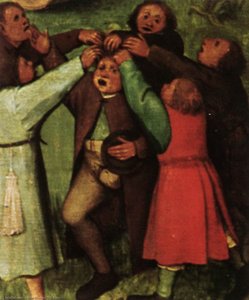
Desidia (Sloth), 1557


 Ver mais
Giclée / Impressão de Arte
Impressão giclée ou em tela de qualidade de museu, com produção rápida e opções flexíveis de acabamento. ( Encomendar reprodução pintada à mão Ver Imagem Digital)




P118B €10

P118H €10

P118W €10

P438Z €10

P508JH €12

P508YH €12

P805H €10

P805Z €10

P919BZ €10

P919G €10

P919XJ €10

P959ZH €10

P968JZ €12

W106C €8

W218G €10

W218JH €8

W218Y €10

W307PJ €10

W316G €10

W316PJ €8

W316Y €10

W398PJ €8

W4111J €10

W500HY €15

W500JH €15

W692G €12

W849H €8

W940BG €15

W953PJ €8




Escolha entre os nossos tamanhos pré-definidos que respeitam as proporções originais da obra de arte.

Digite a largura e a altura de que necessita, para se ajustar à sua moldura ou à sua parede. Uma impressão só pode ser cortada, nunca ampliada além da imagem original, pelo que um tamanho com uma proporção diferente perderá parte da imagem. Enviamos-lhe uma maquete digital para aprovação antes de imprimirmos qualquer coisa. A imagem apresentada nesta página não mostra o corte real — apenas a maquete o faz.
Entrega mundial () em 2 semanas, em vez das 4/5 semanas padrão. (23 Outubro)

Envio expresso gratuito para todo o mundo

Tela de Linho Premium

Seguro de transporte total

Garantia de Reembolso de Impostos Alfandegários

Garantia de Fidelidade de Cor

Política de Devolução em 100 Dias (Apenas para Defeitos)

Garantia de reembolso de 100%

Desconto para múltiplas unidades
 A opção de vidro está disponível apenas para tamanhos inferiores a 110 cm

Desidia (Sloth), 1557
Giclée / Impressão de Arte
Dimensões da Reprodução
-


Preço Total
€ 70
A Tapestry of Inertia: The World Within Bruegel’s Desidia
In the vast, swirling landscape of Pieter Bruegel the Elder’s 1557 masterpiece, Desidia (Sloth), the viewer is not merely presented with a painting, but rather invited into a profound psychological state. At first glance, the composition appears to be a bustling tableau of Northern Renaissance life, yet beneath the surface of this lively scene lies a biting critique of human stagnation. Bruegel, a master of capturing the intricate dance between the mundane and the moral, utilizes a sprawling landscape to house a multitude of figures—men, women, animals, and even aquatic life—all caught in various states of aimless existence. It is a world where movement exists without purpose, and activity serves only to mask a deeper, more unsettling stillness.
The technique employed by Bruegel is nothing short of miraculous, showcasing a meticulous attention to detail that draws the eye through an endless labyrinth of narrative threads. Every brushstroke contributes to a sense of overwhelming abundance; one might find themselves mesmerized by the texture of a distant boat laden with goods or the subtle, weary expression on a figure lost in thought. This level of precision creates a sensory experience that is both immersive and exhausting, mirroring the very concept of sloth—a heavy, inescapable weight that settles over the landscape. For the collector or designer, this complexity offers an unparalleled depth, as the artwork reveals new secrets upon every subsequent viewing.
Symbolism and the Weight of the Human Condition
To gaze upon Desidia is to engage with the intellectual ferment of the mid-16th century. Created during a period where the High Renaissance was transitioning into the more stylized Mannerism, Bruegel’s work stands as a humanist observation of vice and virtue. The painting serves as a moralizing mirror, reflecting the anxieties of a society grappling with newfound wealth and the temptations of material luxury. The central personification of Sloth—often depicted through dozing figures or sluggish animals like the iconic donkey—acts as a focal point for a broader commentary on the loss of spiritual and civic purpose. Bruegel masterfully weaves visual proverbs into the scenery, where even a man stuck in a house or a group of gamblers at a tavern becomes a symbol of the soul's inertia.
There is an undeniable emotional resonance in how Bruegel balances the grotesque with the beautiful. He does not shy away from portraying the unpolished or the unsightly, yet he imbues the entire composition with a rhythmic, almost musical quality. This duality makes the piece particularly compelling for modern interiors; it possesses the gravitas of a historical document while maintaining a vibrant, living energy. It is an artwork that demands contemplation, challenging the viewer to reflect on their own relationship with ambition, productivity, and the quiet, often dangerous, allure of doing nothing at all.
An Eternal Masterpiece for the Discerning Eye
For those seeking to curate a space with profound narrative power, a high-quality reproduction of Desidia offers more than just decoration; it provides a window into the Renaissance mind. The painting’s ability to anchor a room with its historical weight and intricate storytelling makes it an ideal centerpiece for libraries, studies, or sophisticated living areas. It is a piece that speaks to the intellect and stirs the imagination, bridging the gap between the 16th-century Flemish landscape and the contemporary aesthetic of thoughtful, curated living.
Owning a tribute to Bruegel’s genius allows one to preserve the legacy of Northern European expression. Whether viewed as a study in Renaissance technique or as a profound philosophical statement on the nature of human behavior, Desidia remains an enduring icon of art history—a timeless reminder that even in our most idle moments, there is a complex and beautiful story unfolding.
Perguntas e Respostas
Qual ambiente combina com as cores de "Desidia (Sloth), 1557" de Pieter Bruegel o Velho?
Com sua paleta Neutrals, "Desidia (Sloth), 1557" de Pieter Bruegel o Velho é recomendado para um Living Room. As cores são parte do motivo desta sugestão.
"Desidia (Sloth), 1557" de Pieter Bruegel o Velho é uma obra de tons claros ou escuros?
"Desidia (Sloth), 1557" de Pieter Bruegel o Velho está registrado com brilliant, apresentando uma luminância de Bright Balance.
Quais são os direitos de reprodução de "Desidia (Sloth), 1557" no Albertina?
O status de direitos autorais de "Desidia (Sloth), 1557" de Pieter Bruegel o Velho é claro: a obra está em em domínio público - seus direitos autorais expiraram. Sua presença no Albertina não altera esse status.
Biografia do Artista
A Vida e a Arte de Pieter Bruegel o Velho
Pieter Bruegel o Velho emergiu durante um período de profunda transformação, uma época em que o cenário artístico europeu estava se deslocando das ideias renascentistas italianas para as complexidades emergentes da expressão europeia do norte. Nascido entre 1525 e 1530, provavelmente em Breda – embora os detalhes sobre sua vida inicial permaneçam um tanto obscuros –, os primeiros anos de Bruegel se desenrolaram em meio a agitações religiosas e uma cultura comercial florescente. Sua jornada artística começou por volta de 1545 como aprendiz de Pieter Coecke van Aelst, um respeitado pintor de Antuérpia conhecido tanto por sua arte quanto por seus projetos para tapeçarias. Essa aprendizagem forneceu a Bruegel uma base sólida nas habilidades técnicas da pintura a óleo e do desenho, mas, acima de tudo, expôs-o às correntes humanistas que estavam começando a permear os círculos intelectuais. O ateliê de Van Aelst não era apenas um lugar de instrução artística; era um crisol onde as técnicas tradicionais encontraram novas ideias, moldando a visão futura de Bruegel.Viagens e a Forja de uma Visão Única
Após sua aprendizagem, Bruegel embarcou em extensas viagens que marcaram profundamente seu desenvolvimento artístico. Entre 1551 e 1553, viajou pela França, Suíça e Itália, esboçando paisagens e imergindo em diversas culturas. Essas não foram apenas viagens de turismo; eram expedições de observação e aprendizado. Enquanto estava na Itália, Bruegel encontrou as obras dos mestres renascentistas, mas sua inclinação artística permaneceu distintamente europeia do norte. Ele não simplesmente adotou estilos italianos, mas sim absorveu-os e os filtrados através de sua própria sensibilidade única. Os Alpes, com suas imponentes montanhas e vales, deixaram uma impressão duradoura, influenciando a estrutura composicional e a perspectiva atmosférica encontradas em muitos de seus paisagens posteriores. Ao retornar a Antuérpia em 1553, foi admitido como mestre livre no Guilda de São Lucas, sinalizando sua independência profissional e estabelecendo-o como um artista reconhecido dentro da vibrante comunidade artística da cidade.Além do Mito e da Religião: Um Novo Foco para a Arte
A verdadeira inovação de Bruegel residiu em seu assunto. Ele ousou abandonar as convenções estabelecidas da pintura renascentista, que frequentemente se concentravam em narrativas religiosas ou mitologia clássica. Em vez disso, voltou sua atenção para a vida cotidiana das pessoas comuns – camponeses trabalhando nos campos, aldeões celebrando festivais, caçadores atravessando paisagens nevadas. Isso não era um rejeitamento de temas tradicionais, mas sim uma elevação do banal ao nível da arte elevada. Seus paisagens não eram meros fundos; eles eram participantes ativos na narrativa, muitas vezes imbuídos de significado simbólico e refletindo um profundo entendimento do poder e da beleza da natureza. *A Ascensão de São Cristóvão* é um exemplo notável, retratando a vida cotidiana com uma precisão e um humor sutilmente críticos. Suas pinturas não eram necessariamente críticas; eram observações realistas, capturando tanto o humor quanto as dificuldades inerentes à existência humana.Influências e Desenvolvimento Artístico
A influência de Bruegel se estende por séculos. Ele lançou as bases para os pintores da Era de Ouro holandesa, inspirando artistas como Isaac van Ostade e Adriaen Brouwer com suas representações realistas da vida camponesa. Sua abordagem inovadora à pintura de paisagem também abriu o caminho para desenvolvimentos posteriores no gênero, influenciando artistas que buscavam capturar a beleza e a grandiosidade do mundo natural. Além disso, sua obra é um testemunho da evolução artística, refletindo as mudanças culturais e intelectuais de seu tempo. Bruegel não permaneceu estático; ele absorveu ideias de diferentes fontes, combinando-as em uma linguagem visual única.Principais Obras e Significado Duradouro
- A Visitação: Uma representação notável da cena bíblica, caracterizada por sua atmosfera serena e atenção aos detalhes.
- O Banquete de Noite: Uma pintura icônica que retrata a vida noturna em uma aldeia flamenga, com uma riqueza de personagens e atividades.
- A Caça ao Soldado: Um exemplo magistral da habilidade de Bruegel em criar composições complexas e dinâmicas.
- O Nascimento de Vênus: Uma interpretação original do mito clássico, com uma atmosfera mística e um uso expressivo da cor.
- A Morte: Uma obra-prima sombria que explora temas de mortalidade e destino, utilizando simbolismo e imaginação vívida.

Pieter Bruegel o Velho
1525 - 1569 , Bélgica
Informações Rápidas
- Artistic Movement Or Style: Renascimento Flamenco
- Artists Or Movements Influenced By This Artist: ['Pintura Holandesa']
- Artists Who Influenced This Artist:
- Jan van Eyck
- Albrecht Dürer
- Date Of Birth: c. 1525
- Date Of Death: 1569
- Full Name: Pieter Bruegel o Velho
- Nationality: Flamengo
- Notable Artworks:
- A Dança dos Mortos
- Campo de Caça
- O Casamento dos Camponeses
- Place Of Birth: Breda, Holanda
Artigos Relacionados

Pieter Bruegel the Elder: A Master of Genre, Landscape & Social Commentary
Explore the life & art of Pieter Bruegel the Elder, a pivotal figure of the Renaissance. Discover his groundbreaking genre scenes, symbolic landscapes, and lasting influence on art history. Learn more at OriginalUniqueArt.

Os 10 Mestres da Pintura Primitiva Flamenga que Moldaram a Arte
Descubra os 10 quadros que revolucionaram a Pintura Primitiva Flamenga! Explore Jan van Eyck, Rogier van der Weyden e outros mestres renascentistas. Encontre reproduções de alta qualidade para decorar sua casa com arte atemporal em OriginalUniqueArt.com.

Idyllic Visions: Exploring the Pastoral Scene in Art History – From Arcadia to Modern Interpretations
Explore the captivating history of pastoral art from classical Arcadia to modern masterpieces. Discover key artists like Millet & Cole at OriginalUniqueArt. Find serene landscape paintings for your home.
Jan Brueghel the Elder: A Master of Flemish Landscape & Allegory – Exploring Innovation & Influence
Explore the captivating world of Jan Brueghel the Elder, a Flemish Baroque master renowned for his stunning landscapes & allegorical paintings. Discover his collaborations with Rubens and lasting artistic legacy.
Idyllic Visions: Exploring the Pastoral Tradition in Western Art – Themes, Techniques & Enduring Appeal
Explore the rich history of pastoral art from classical Arcadia to contemporary interpretations. Discover key artists, themes & collecting tips at OriginalUniqueArt.