
 Visualizar na parede
 Compartilhar
 Compartilhar
 Detalhes
 Guia
Guia

 Baixar imagem
 Semelhantes
 Raio X
 Ver diaporama
 Perguntas e Respostas
 Estatísticas
Market Scene

- 91.0 x 112.0 cm


 Ler mais
Giclée / Impressão de Arte
Impressão giclée ou em tela de qualidade de museu, com produção rápida e opções flexíveis de acabamento. ( Comprar pintura feita à mão Alternar para Imagem Digital)




P118B €10

P118H €10

P118W €10

P438Z €10

P508JH €12

P508YH €12

P805H €10

P805Z €10

P919BZ €10

P919G €10

P919XJ €10

P959ZH €10

P968JZ €12

W106C €8

W218G €10

W218JH €8

W218Y €10

W307PJ €10

W316G €10

W316PJ €8

W316Y €10

W398PJ €8

W4111J €10

W500HY €15

W500JH €15

W692G €12

W849H €8

W940BG €15

W953PJ €8




Escolha entre os nossos tamanhos pré-definidos que respeitam as proporções originais da obra de arte.

Insira a largura e a altura desejadas para se ajustarem à sua moldura ou parede. Uma impressão pode ser apenas cortada, nunca ampliada além da imagem original; portanto, um tamanho com proporções diferentes resultará na perda de parte da imagem. Enviamos uma maquete digital para sua aprovação antes de realizarmos a impressão. A imagem exibida nesta página não mostra o corte real — apenas a maquete o faz.
Entrega mundial () em 2 semanas, em vez das 4/5 semanas padrão. (3 Novembro)

Envio expresso gratuito para todo o mundo

Tela de Linho de Alta Qualidade

Seguro de transporte completo

Garantia de Reembolso de Impostos Alfandegários

Garantia de Fidelidade Cromática

Política de Devolução em 100 Dias (Apenas para Defeitos)

Garantia de reembolso de 100%

Oferta de desconto por quantidade
 A opção de vidro está disponível apenas para tamanhos inferiores a 110 cm

Market Scene
Giclée / Impressão de Arte
Tamanho da Reprodução
-


Preço Total
€ 72
A Symphony of Everyday Life: The World of Pieter Aertsen
In the bustling heart of a sixteenth-century marketplace, where the scent of fresh produce meets the vibrant energy of human commerce, lies the soul of Pieter Aertsen’s Market Scene. This masterpiece serves as more than a mere depiction of trade; it is a profound window into the Northern Renaissance, capturing a moment where the mundane and the monumental collide. As viewers gaze upon the crowded stalls and the focused figures navigating the square, they are invited into a meticulously constructed miniature world. Aertseb, often referred to as "Lange Piet," possessed an unparalleled ability to elevate the domestic narrative, transforming a simple gathering of merchants and peasants into a complex tapestry of human existence that resonates with timeless vitality.
The composition is anchored by a striking central figure—a man seated with a quiet, contemplative gravity, cradling a birdcage filled with life. This focal point acts as an emotional anchor amidst the surrounding movement. Around him, the marketplace breathes; figures lean into conversation, others tend to their wares, and the subtle presence of a hat-clad onlooker adds layers of social depth. The scene is rich with the tactile delights of the era: the smooth sheen of polished metal, the rustic texture of wooden bowls, and the delicate glint of glass bottles. For the discerning collector or interior designer, this painting offers a sense of grounded luxury, bringing an atmosphere of historical richness and organic warmth to any curated space.
Mastery of Technique and the Art of Realism
Aertsen’s technical prowess is nothing shortable of extraordinary, representing a pivotal bridge between the stylized elegance of Mannerism and the burgeoning observational truth of Realism. Utilizing oil on canvas, the artist employed a sophisticated method of applying thin, translucent glazes to achieve a luminous color palette. This technique allows light to appear as if it is emanating from within the objects themselves, lending a breathtaking glow to the fruits, vegetables, and utensils scattered throughout the scene. His command over texture is particularly noteworthy; one can almost feel the rough grain of the market stalls and the cool weight of the ceramic cups.
This dedication to accuracy was revolutionary for his time. While his predecessors often favored exaggerated proportions and artificiality, Aertsen embraced the beauty of the tangible. He pioneered a style where the "lower" subject matter—the food, the tools, and the people—takes center stage with such incredible detail that it demands reverence. This approach does not merely document a scene; it celebrates the sensory experience of living. For those seeking to adorn a home with art that inspires a connection to the physical world, Aertsen’s work provides an unparalleled sense of presence and substance.
Symbolism and the Legacy of the Northern Renaissance
Beyond its surface beauty, the Market Scene is steeped in the symbolic language characteristic of the Flemish tradition. In the works of Aertsen, every object carries a potential weight of meaning. The abundance of food and the lively birds within the cage can be interpreted as metaphors for fertility, the fleeting nature of life, or even hidden religious allegories that were common in the Antwerp school. He was a master of "inversion," a technique where he would place a grander, often biblical narrative in the distant background, forcing the viewer to first confront the reality of the material world before discovering the spiritual truth hidden within it.
This layering of meaning ensures that the painting remains intellectually stimulating long after the initial visual impact has faded. It is an artwork that rewards slow looking and deep contemplation. As a high-quality reproduction, this piece serves as a magnificent conversation starter, offering both aesthetic splendor and historical depth. Whether placed in a sunlit gallery or a sophisticated study, Aertsen’s vision of the marketplace continues to enchant, reminding us that there is profound beauty and infinite complexity to be found in the simplest moments of our daily lives.
Perguntas e Respostas
Qual é a paleta de cores de "Market Scene"?
"Market Scene", de Pieter Aertsen utiliza uma paleta de cores Earthy. A paleta sintetiza o caráter cromático geral da obra.
O que representa "Market Scene"?
"Market Scene", de Pieter Aertsen retrata: man, birds, bird cage, people, marketplace, buildings, bowl, cup.
Qual tamanho de impressão de "Market Scene", de Pieter Aertsen se adequa ao ambiente recomendado?
Para um(a) Living Room, o tamanho de impressão recomendado para "Market Scene", de Pieter Aertsen é Large.
Biografia do Artista
Pieter Aertsen: O Arquiteto da Narrativa Doméstica
Pieter Aertsen, um nome sussurrado nos corredores da história da arte, emerge como uma figura fundamental na ponte entre o manierismo norte e o florescente realismo da Era de Ouro Holandesa. Nascido em Amesterdão por volta de 1508 e tragicamente falecido na mesma cidade em 1575, o legado de Aertsen não reside em grandiosas comissões religiosas ou retratos heroicos, mas sim em sua abordagem revolucionária à pintura de gênero – uma elevação deliberada da vida cotidiana, imbuída de camadas de simbolismo e profundidade narrativa. Ele não se limitava a representar cenas; construía mundos minúsculos, convidando os espectadores a mergulharem em um complexo mosaico de experiências humanas.
A formação inicial de Aertsen sob a tutela de Allaert Claesz forneceu-lhe uma base sólida nas técnicas tradicionais flamengas. No entanto, sua mudança para Antuérpia, o vibrante coração da inovação artística durante meados do século XVI, moldou verdadeiramente seu estilo distinto. A atmosfera agitada de Antuérpia, sua diversa população e sua posição como cruzamento europeu de rotas comerciais fomentaram um ambiente propício à experimentação – um contraste gritante com as convenções religiosas mais rígidas da época. Ali, juntou-se à estimada Guilda de São Lucas, recebendo o apelido de “Langhe Peter”, ou “Peter Alto”, refletindo sua estatura imponente, um detalhe frequentemente incorporado em seus retratos.
A Invenção da Gênero Monumental
A contribuição mais significativa de Aertsen à arte reside na criação do que hoje é reconhecido como cenas de gênero monumentais. Ao contrário das representações anteriores da vida doméstica relegadas a espaços menores e secundários dentro de composições religiosas, Aertsen colocou atividades cotidianas – cenas de mercado, lojas de açougues, naturezas mortas – diretamente no centro de suas telas. Isso não era apenas uma mudança no assunto; representava uma mudança fundamental nas prioridades artísticas. Ele deliberadamente borrou as linhas entre diferentes gêneros – natureza-morta, paisagem e narrativa – criando composições complexas que exigiam o envolvimento ativo do espectador.
Seu exemplo mais famoso, a *Loja de Açougueiro com a Fuga para Egito* (1551), exemplifica essa abordagem revolucionária. A cena é dominada por uma representação meticulosa da bancada de um açougueiro, repleta de carne, vegetais e ferramentas – uma natureza-morta incrivelmente detalhada que imediatamente atrai a atenção do espectador. No entanto, sutilmente entrelaçados dentro deste cenário aparentemente mundano estão elementos de narrativa bíblica: a Sagrada Família fugindo para Egito, representada em miniatura em um pequeno painel acima do balcão. Esta sobreposição de realidades – o mundo tangível do comércio contra o reino espiritual da fé – tornou-se uma marca registrada do trabalho de Aertsen e influenciou profundamente as gerações de artistas que se seguiram.
Simbolismo e a Linguagem dos Objetos
As cenas de Aertsen não são apenas visualmente cativantes; elas são ricas em significado simbólico. Cada objeto, cada gesto, carrega peso e contribui para uma narrativa ou comentário moral maior. Por exemplo, a disposição dos itens dentro de uma natureza-morta pode representar os prazeres terrenos contra as recompensas espirituais, a riqueza contra a pobreza ou até mesmo a fugacidade do tempo. A *Loja de Açougueiro* é particularmente carregada de simbolismo: a abundância de comida representa a prosperidade mundana, enquanto a presença de ostras e mexilhões – associados à luxúria – serve como um aviso.
Além disso, Aertsen se inspirou em artistas anteriores como Joachim Patinir, que havia pioneirizado o uso de elementos de paisagem dentro de cenas religiosas para criar profundidade atmosférica e interesse visual. Aertsen adotou essa técnica, integrando paisagens minúsculas – uma janela da igreja, uma cena pastoril – em suas composições de gênero, expandindo ainda mais o escopo de suas narrativas e convidando os espectadores a contemplar múltiplas realidades simultaneamente.
Influência e Legado
A influência de Pieter Aertsen nas gerações posteriores de artistas é inegável. Sua abordagem inovadora à pintura de gênero abriu caminho para o surgimento da natureza-morta holandesa como um gênero artístico distinto, influenciando figuras como Jan Sanders van Hemessen e, crucialmente, seu filho, Pieter Pietersz the Elder. A ênfase de Aertsen em detalhes realistas, combinada com seu uso magistral de simbolismo e camadas narrativas, estabeleceu um precedente para artistas posteriores que buscavam capturar as complexidades da vida cotidiana.
Notavelmente, o trabalho de Aertsen antecipou desenvolvimentos na pintura italiana. O humanista renascentista Hadrianus Junius (Adriaen de Jonghe) comparou Aertsen a Peiraikos, um pintor grego antigo celebrado por sua capacidade de retratar assuntos comuns com realismo e profundidade simbólica extraordinários. Essa comparação destacou o papel pioneiro de Aertsen em desafiar as convenções artísticas tradicionais e elevar o status da pintura de gênero.
Apesar da destruição de muitas de suas obras durante a iconoclasia do Beeldenstorm (o movimento de quebra de ícones da Reforma Protestante) em Amesterdão, o legado de Aertsen perdura. Suas pinturas continuam a fascinar historiadores da arte e espectadores, oferecendo um vislumbre de um mundo onde o mundano se torna profundo e a vida cotidiana é transformada em uma rica tapeçaria de significado.

Pieter Aertsen
1508 - 1575 , Países Baixos
Dados Rápidos
- Artistic Movement Or Style: Mannerismo Norte
- Artists Or Movements Influenced By This Artist: ['Joachim Patinir']
- Artists Who Influenced This Artist: ['Allaert Claesz']
- Date Of Birth: 1508, Amsterdão
- Date Of Death: 1575, Amsterdão
- Full Name: Pieter Aertsen
- Nationality: Holandês
- Notable Artworks:
- Butcher's Shop
- Mercado...
- Vitrais
- Place Of Birth: Amsterdão, Holanda
Artigos Relacionados

Chiaroscuro and Character: A Definitive Guide to Light and Shadow in the Dutch Baroque Era
Explore the dramatic mastery of the Dutch Baroque era. Discover how masters like Rembrandt used chiaroscuro to transform everyday life into timeless art. An expert guide for collectors and enthusiasts seeking to understand the profound interplay of light and shadow.

Northern Mannerism: The Dramatic Evolution of European Art through Elegant Distortion and Tension
Explore the dramatic evolution of Northern Mannerism. Discover how 16th-century artists moved from Renaissance harmony to elegant distortion, tension, and complex symbolism in European art history.

25 Must-See Masterpieces at the Mauritshuis: A Journey Through Dutch Golden Age Art
Step into the Dutch Golden Age with our curated guide to the 25 greatest masterpieces at the Mauritshuis. From Vermeer’s luminous light to Rembrandt’s drama, explore the stories behind these iconic works and find museum-quality art inspiration. Discover all masterpieces on OriginalUniqueArt.com.

Elegance & Distortion: A Cultural Reflection on the Captivating World of Northern Mannerism
Embark on a cultural journey through Northern Mannerism. Discover how artists moved from Renaissance harmony to an era of elegant distortion, psychological depth, and exquisite tension in the 16th-century European art landscape.
Abraham Hendricksz van Beyeren: Pioneering Dutch Still Life & the Banquet Tradition
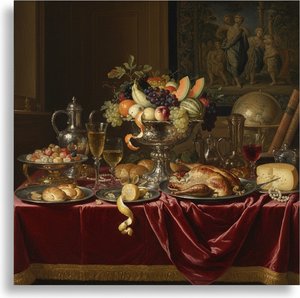
Explore the captivating world of Dutch Golden Age still life with Abraham van Beyeren. Discover his innovative techniques, symbolic banquet scenes & lasting influence on art history. Learn about collecting these masterpieces.

