
 Visualizar na parede
 Compartilhar
 Compartilhar
 Detalhes
 Guia
Guia

 Baixar imagem
 Semelhantes
 Raio X
 Ver diaporama
 Perguntas e Respostas
 Estatísticas
View on the Sea

- 27.0 x 44.0 cm


 Ler mais
Giclée / Impressão de Arte
Impressão giclée ou em tela de qualidade de museu, com produção rápida e opções flexíveis de acabamento. ( Comprar pintura feita à mão Alternar para Imagem Digital)




P118B €10

P118H €10

P118W €10

P438Z €10

P508JH €12

P508YH €12

P805H €10

P805Z €10

P919BZ €10

P919G €10

P919XJ €10

P959ZH €10

P968JZ €12

W106C €8

W218G €10

W218JH €8

W218Y €10

W307PJ €10

W316G €10

W316PJ €8

W316Y €10

W398PJ €8

W4111J €10

W500HY €15

W500JH €15

W692G €12

W849H €8

W940BG €15

W953PJ €8




Escolha entre os nossos tamanhos pré-definidos que respeitam as proporções originais da obra de arte.

Insira a largura e a altura desejadas para se ajustarem à sua moldura ou parede. Uma impressão pode ser apenas cortada, nunca ampliada além da imagem original; portanto, um tamanho com proporções diferentes resultará na perda de parte da imagem. Enviamos uma maquete digital para sua aprovação antes de realizarmos a impressão. A imagem exibida nesta página não mostra o corte real — apenas a maquete o faz.
Entrega mundial () em 2 semanas, em vez das 4/5 semanas padrão. (5 Novembro)

Envio expresso gratuito para todo o mundo

Tela de Linho de Alta Qualidade

Seguro de transporte completo

Garantia de Reembolso de Impostos Alfandegários

Garantia de Fidelidade Cromática

Política de Devolução em 100 Dias (Apenas para Defeitos)

Garantia de reembolso de 100%

Oferta de desconto por quantidade
 A opção de vidro está disponível apenas para tamanhos inferiores a 110 cm

View on the Sea
Giclée / Impressão de Arte
Tamanho da Reprodução
-


Preço Total
€ 72
A Vision of the Open Water: Unveiling Pierre Puget’s “View on the Sea”
Pierre Puget's "View on the Sea," created around 1670, isn’t merely a depiction of three ships navigating a hazy horizon; it’s a meticulously crafted tableau brimming with Baroque drama and an intimate understanding of human scale. Born in Marseille during a period of intense maritime activity, Puget’s life was inextricably linked to the sea – initially as a craftsman shaping the hulls of galleys, later as a celebrated sculptor, architect, and painter. This early immersion profoundly shaped his artistic vision, imbuing “View on the Sea” with an unparalleled sense of realism and emotional intensity. The drawing itself, rendered in fine pen and ink on vellum, possesses a remarkable immediacy, capturing a fleeting moment of naval preparation against a backdrop that simultaneously suggests vastness and quiet anticipation.
The composition immediately draws the eye to the central warship, dominating the scene with its imposing size and intricate rigging. Puget masterfully employs linear perspective, subtly diminishing the scale of the smaller vessels in the distance – a technique that convincingly conveys depth and the boundless expanse of the sea. The diagonal arrangement of these ships guides the viewer’s gaze across the canvas, creating a dynamic flow and reinforcing the sense of movement. Beyond mere representation, Puget sought to capture not just what he saw, but also the *feeling* of being at sea – the weight of responsibility, the potential for both glory and peril, all subtly conveyed through the posture of the ships and the atmospheric haze.
The Language of Line and Shadow: A Study in Baroque Technique
Puget’s mastery lies not only in his understanding of perspective but also in his exceptional command of line. The drawing is a testament to his meticulous technique, characterized by an astonishing level of detail achieved through the careful application of hatching and cross-hatching. These subtle variations in shading create a remarkable sense of texture – one can almost feel the roughness of the ship’s timbers, the tautness of the sails, and the shimmering surface of the water. The monochromatic palette, born from the limitations of pen and ink on vellum, paradoxically intensifies the drama; the absence of color forces the viewer to focus entirely on form, line, and light.
The lighting is remarkably soft and diffused, avoiding harsh contrasts and instead creating a sense of atmospheric depth. This deliberate choice contributes significantly to the painting’s overall mood – a blend of tranquility and latent tension. The artist's use of hatching creates an illusion of volume and form, particularly evident in the depiction of the ships’ rigging, which appears both complex and remarkably solid.
Symbolism and the Human Spirit at Sea
“View on the Sea” transcends a simple maritime scene; it’s imbued with symbolic resonance. The three ships represent not just vessels engaged in trade or warfare, but also embody the ambitions, challenges, and inherent risks associated with human endeavor. The central warship, with its imposing size and intricate details, speaks to the power of naval dominance, while the smaller boats hint at the diverse activities that sustained coastal communities. The hazy horizon suggests both the unknown possibilities of the future and the humbling vastness of nature – a potent reminder of humanity’s place within the larger world.
Furthermore, Puget's depiction of the ships’ crews—implied rather than explicitly shown—evokes a sense of human presence. The subtle gestures and postures suggest activity, anticipation, and perhaps even a touch of apprehension. This focus on the human element elevates the painting beyond mere topographical representation, transforming it into a powerful meditation on the relationship between humanity and the sea.
A Timeless Masterpiece: Reproduction and Beyond
Created over three centuries ago, “View on the Sea” remains a remarkably evocative work of art. Today, high-quality reproductions offer an accessible way to experience Puget’s genius in your own home or office. Whether adorning a grand salon or a more intimate space, this Baroque masterpiece continues to captivate and inspire with its dramatic composition, masterful technique, and profound exploration of the human spirit at sea. Consider it not just a painting, but a window into a bygone era—a testament to the enduring power of art to transport us across time and space.
Perguntas e Respostas
"View on the Sea" é típico do que Pierre Puget costumava criar?
Os temas recorrentes de Pierre Puget incluem baroque maritime scene, puget's dynamic brushwork, french naval influence, classical ship design, royal patronage art, religious undertones", early 17th-century style, marseille artistic legacy; "View on the Sea" foca em maritime, ships, sea, landscape, baroque, france, puget, vessels.
Qual era a idade de Pierre Puget quando "View on the Sea" foi criada?
Pierre Puget tinha 50 anos quando criou "View on the Sea" em 1670. A idade é calculada a partir do ano de nascimento do artista, 1620.
Quais são as dimensões de "View on the Sea", de Pierre Puget na vida real?
A obra original "View on the Sea", de Pierre Puget mede 27 x 44 cm.
Biografia do Artista
Pierre Puget: Uma Vida entre a Arte e a Engenharia
- Nascimento: Marselha, França (1620)
- Falecimento: 1694
Juventude e as Influências Italianas
- Aprendizado: Puget iniciou sua trajetória aos quatorze anos, esculpindo ornamentos para galés construídas em Marselha. Essa exposição precoce ao ofício artesanal lançou os alicerces para suas futuras explorações artísticas.
- Jornada à Itália (1640): Em busca de novas oportunidades, viajou para a Itália, passando inicialmente por Livorno e depois Florença, onde aperfeiçoou suas habilidades como entalhador e pintor.
- Roma e Pietro da Cortona: Um momento crucial ocorreu quando foi acolhido por Pietro da Cortona em Roma. Puget auxiliou na pintura de tetos elaborados no Palazzo Barberini e no Palazzo Pitti, absorvendo o dinamismo e a grandiosidade do Barroco romano.
- <Retorno a Marselha (1643): Após três anos na Itália, retornou a Marselha, trazendo consigo uma sensibilidade artística refinada, moldada pelos mestres italianos.
Grandes Obras e Desenvolvimento Artístico
- Primeiros Encomendas: Ao retornar, Puget recebeu encomendas de pinturas e retábulos, demonstrando um estilo em evolução, influenciado por Annibale Carracci e Rubens.
- Avanços Escultóricos: Ele voltou seu foco cada vez mais para a escultura, criando obras como os medalhões para a popa de navios de guerra franceses, exibindo um domínio crescente de forma e detalhe.
- Vaux-le-Vicomte (década de 1660): Nicolas Fouquet encomendou a Puget a escultura de Hércules para seu castelo em Vaux-le-Vicomte, marcando um momento significativo em sua carreira e demonstrando o patrocínio de figuras poderosas.
- Período em Gênova: Após a queda de Fouquet, Puget mudou-se para Gênova, onde criou obras notáveis como o “Hercule Gaulois” (Louvre) e esculturas para igrejas como Santa Maria di Caridade.
- Encomendas para Versalhes: Colbert trouxe Puget de volta à França, o que resultou em encomendas para Versalhes, incluindo os célebres grupos de “Miró de Crotona” e “Perseu e Andrômeda”. Estas obras são caracterizadas por sua intensidade dramática e realismo expressivo.
Estilo e Influências
- Drama Barroco: O estilo de Puget está firmemente enraizado na tradição barroca, enfatizando o movimento, a emoção e a teatralidade.
- Inspiração Clássica: Embora abrace o dinamismo barroco, sua obra também revela uma apreciação pelas formas e ideais clássicos.
- Michelangelo e Bernini: Suas esculturas exibem influências das figuras poderosas de Michelangelo e das composições dinâmicas de Bernini.
- Expressão Única: Apesar dessas influências, Puget desenvolveu um estilo distinto, marcado por uma energia bruta e intensidade expressiva, o que o diferenciava dos artistas barrocos mais convencionais.
Legado e Significância Histórica
- Unindo Arte e Engenharia: A capacidade de Puget de fundir perfeitamente o talento artístico com habilidades de engenharia era única. Seu trabalho em arquitetura naval e fortificações demonstra uma ingenuidade prática ao lado de suas conquistas artísticas.
- Um Gênio Atormentado: Théophile Gautier descreveu-o famosamente como o "imperador melancólico dos condenados", refletindo a intensidade e, talvez, as lutas inerentes ao seu processo criativo.
- Impacto Duradouro: As esculturas de Puget, particularmente “Miró de Crotona” e “Perseu e Andrômeda”, permanecem como exemplos icônicos da escultura barroca francesa, admiradas por seu poder expressivo e virtuosismo técnico.
- Reconhecimento Atual: Sua obra é celebrada em museus de todo o mundo, incluindo o Louvre e o Musée des Beaux-Arts de Marselha, consolidando seu lugar como uma figura significativa na história da arte.
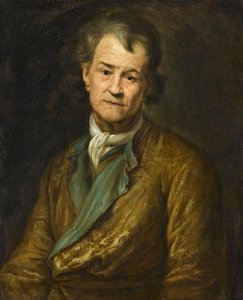
Pierre Puget
1620 - 1694 , França
Dados Rápidos
- Artistic Movement Or Style: Barroco
- Artists Who Influenced This Artist:
- Annibale Carracci
- Rubens
- Michelangelo
- Bernini
- Date Of Birth: 1620
- Date Of Death: 1694
- Full Name: Pierre Puget
- Nationality: Francês
- Notable Artworks:
- Hércules em Repouso
- O Fauno em terracota
- Porta da Hôtel de Ville
- O Apedrejamento de São Pedro
- Uma Fragata no Mar
- Place Of Birth: Marselha, França
Artigos Relacionados

Renoir: As 25 Obras-Primas do Mestre Impressionista | OriginalUniqueArt
Descubra as 25 obras-primas de Renoir, o mestre do Impressionismo! Explore a história, cores vibrantes e emoção por trás de quadros icônicos como 'Bal au moulin de la Galette'. Encontre reproduções de arte exclusivas para decorar sua casa com elegância em OriginalUniqueArt.com.

The Dramatic Flourish: Exploring the Baroque Movement's Enduring Legacy in Art History
Explore the dramatic world of Baroque art! Discover iconic artists like Caravaggio & Rubens, defining techniques, and its lasting impact on art history. Expert insights for collectors & enthusiasts at OriginalUniqueArt.

Barroco Brasileiro: Opulência e Emoção para Interiores Contemporâneos
Descubra como o Barroco brasileiro pode transformar seus interiores! Explore a história, elementos-chave e dicas para integrar este estilo luxuoso e cheio de emoção em sua casa.

Os 10 Mestres do Barroco: Obras-Primas que Moldaram a Arte e Decoram o Lar
Descubra os 10 maiores ícones do Barroco! Explore a história, técnica e emoção por trás de Caravaggio, Rembrandt, Bernini e outros mestres. Encontre reproduções de arte barroca para decorar seu lar com luxo em OriginalUniqueArt.com.

Baroque Classicism: The Grandeur of Order and Drama in 17th-Century Art History
Explore the profound elegance of Baroque Classicism. Discover how 17th-century masters synthesized dramatic emotion with classical order through the lens of the Counter-Reformation and the works of legends like Carlo Maratta and Andrea Sacchi.


