

 Visualizar na parede
 Compartilhar
 Compartilhar
 Detalhes
 Guia
Guia

 Baixar imagem
 Semelhantes
 Raio X
 Ver diaporama
 Estatísticas
Crucifixion
 Oil On Canvas
- WallArt
- Neoclassicism
 1822
1822- 19th Century
 278.0 x 166.0 cm
 Museu do Louvre
 Ler mais
Reprodução em Óleo Feita à Mão
Óleo sobre tela pintado à mão no tamanho e moldura de sua escolha, feito sob encomenda pelos nossos artistas. ( Alternar para Impressão Alternar para Imagem Digital)




P118B €10

P118H €10

P118W €10

P438Z €10

P508JH €12

P508YH €12

P805H €10

P805Z €10

P919BZ €10

P919G €10

P919XJ €10

P959ZH €10

P968JZ €12

W106C €8

W218G €10

W218JH €8

W218Y €10

W307PJ €10

W316G €10

W316PJ €8

W316Y €10

W398PJ €8

W4111J €10

W500HY €15

W500JH €15

W692G €12

W849H €8

W940BG €15

W953PJ €8




Escolha entre os nossos tamanhos pré-definidos que respeitam as proporções originais da obra de arte.

Insira a largura e a altura desejadas para se ajustarem à sua moldura ou parede. Como esta obra é pintada à mão, para um tamanho com proporções diferentes, o artista poderá pintar um pouco mais ao redor da imagem ou reduzir ligeiramente a composição — você escolhe. Enviamos uma maquete digital para sua aprovação antes de iniciar a pintura. A imagem exibida nesta página não representa o resultado real — apenas a maquete mostra o resultado final.
Após o pedido, a equipa OriginalUniqueArt.com enviará um e-mail ao cliente para solicitar instruções e fornecer uma prévia do esboço.
Entrega mundial () em 3 a 4 semanas, em vez das 5 semanas padrão. (27 Outubro). Sem comprometer a qualidade.

Envio expresso gratuito para todo o mundo

Tela de Linho de Alta Qualidade

Seguro de transporte completo

Garantia de Reembolso de Impostos Alfandegários

Garantia de Fidelidade Cromática

Política de Devolução em 100 Dias (Apenas para Defeitos)

Garantia de reembolso de 100%

Oferta de desconto por quantidade
 A opção de vidro está disponível apenas para tamanhos inferiores a 110 cm

Crucifixion
Técnica de Reprodução
Tamanho da Reprodução
-


Preço Total
€ 307
A Masterpiece of Shadow and Soul
In the profound stillness of Pierre-Paul Prud'hon’s Crucifixion, viewers are invited into a moment of unparalleled spiritual intensity. Created in 1822, this monumental work serves as a breathtaking bridge between the disciplined grace of Neoclassicism and the raw, emotive power of the burgeoning Romantic movement. The painting does not merely depict a historical event; it captures the very essence of human suffering and divine sacrifice. Through a masterful command of light and shadow, Prud'hon directs our gaze toward the central figure of Christ, whose vulnerability is laid bare against an abyss of dark, undefined space. This use of tenebrism—a dramatic technique where light emerges sharply from deep shadows—creates a spotlight effect that isolates the subject, forcing an intimate encounter between the observer and the divine agony on display.
The composition is a study in deliberate imbalance, designed to evoke a sense of cosmic upheaval. While Christ dominates the upper verticality of the canvas, his form hanging heavily from the cross, the lower right corner holds smaller, more detailed figures who gaze upward in mourning. This asymmetrical arrangement prevents the eye from resting, instead pulling the viewer upward through the strong vertical lines of the cross, mirroring a spiritual ascent. The color palette is intentionally restrained, relying on earthy browns, muted creams, and delicate flesh tones to maintain a somber atmosphere. Yet, within this limited range, there is a remarkable richness; subtle hints of red on the figures below provide just enough warmth to ground the scene in human emotion, contrasting with the ethereal, luminous quality of the light hitting Christ’s torso.
Technique and the Language of Light
For the discerning collector or interior designer, the technical brilliance of this piece offers endless layers of fascination. Prud'hon was a virtuoso of chiaroscuro, employing a sophisticated layering of oil paints to achieve subtle gradations of tone that mimic the softness of skin and the weight of heavy drapery. The artist’s ability to render texture is nothing short of extraordinary; one can almost feel the contrast between the smooth, idealized musculature of Christ’s body and the rough, tactile reality of the wooden cross and the parched ground below. These fine details are achieved through delicate glazes that allow light to penetrate the upper layers of paint, creating a glow that seems to emanate from within the canvas itself.
Beyond its aesthetic splendor, the Crucifixion is a profound vessel of symbolism. Every element is laden with meaning: the cross stands as an eternal emblem of faith and redemption, while the encroaching darkness symbolizes the isolation and despair inherent in the moment of death. The soft, blended lines used to define the anatomy contribute to a sense of pathos, softening the harshness of the execution to emphasize the tenderness of the sacrifice. For those seeking to incorporate a piece of this magnitude into a curated space, it offers more than just decoration; it provides a focal point of deep contemplation and historical gravity, making it an incomparable addition to any collection dedicated to the heights of European fine art.
Perguntas e Respostas
Qual o tamanho e a orientação de impressão sugeridos para "Crucifixion", de Pierre-Paul Prud'hon?
Recomenda-se uma impressão de "Crucifixion", de Pierre-Paul Prud'hon no tamanho Large com orientação Tall.
O que "Crucifixion", de Pierre-Paul Prud'hon retrata e qual é a sua atmosfera?
"Crucifixion", de Pierre-Paul Prud'hon retrata crucifixion, religious, christ, sacrifice, chiaroscuro, martyrdom, drama, em uma atmosfera Dramatic. O tema e a ambientação descrevem, juntos, a obra.
"Crucifixion" é mais claro ou mais escuro no geral?
"Crucifixion" apresenta um brilho geral de deep_shadow, com uma luminância de Dark.
Biografia do Artista
Pierre-Paul Prud'hon: Uma Vida na Arte
- Nascimento: Cluny, França (1758)
- Falecimento: 1823
- Nacionalidade: Francês
Pierre-Paul Prud’hon foi uma figura fundamental na arte francesa, servindo como a ponte essencial na transição do Neoclassicismo para o Romantismo. Nascido em Cluny, Saône-et-Loire, França, sua jornada artística reflete as mudanças na paisagem estética da Europa do final do século XVIII e início do século XIX. Ele é celebrado tanto por suas pinturas alegóricas quanto por seus retratos, demonstrando um domínio do chiaroscuro e do realismo que cativou o público e influenciou gerações subsequentes.
Juventude e Formação
- Inícios Provincianos: Prud’hon recebeu seu treinamento artístico inicial nas províncias francesas.
- Bolsa de Estudos em Dijon: Em 1774, ele conquistou uma bolsa municipal para frequentar a École de Dessin em Dijon, marcando um passo significativo em direção à educação artística formal.
- Roma e Influências Neoclássicas: Ele viajou para Roma em 1784, onde mergulhou no estudo da arte clássica, admirando particularmente as obras de Canova e Correggio. Este período moldou profundamente seu estilo inicial, imbuindo-o de um senso de elegância e forma idealizada característica do Neoclassicismo.
Carreira Artística e Patrocínio Real
- Alegorias Revolucionárias: O trabalho de Prud’hon ganhou destaque durante a Revolução Francesa, produzindo vinhetas, ilustrações de livros e pinturas alegóricas que ressoavam com os ideais republicanos.
- Pintor da Corte de Napoleão: Seu talento atraiu a atenção de Napoleão Bonaparte, que o encarregou de pintar retratos tanto de Joséphine de Beauharnais quanto de Marie-Louise d’Autriche. O retrato de Joséphine, em particular, a retratou não como uma imperatriz, mas como uma mulher cativante, alimentando especulações sobre um possível relacionamento romântico entre o artista e a ex-rainha.
- A União de Estilos: Prud'hon navegou habilmente pelas tendências artísticas em evolução de sua época, incorporando elementos tanto do Neoclassicismo quanto do Romantismo em seu trabalho. Ao manter uma base clássica na composição e na forma, ele infundiu suas pinturas com profundidade emocional e uma iluminação dramática que prefigurava o movimento Romântico.
Obras Principais e Legado Artístico
- Madame Georges Anthony e seus Dois Filhos (1796): Um exemplo precoce de suas habilidades de retratista, exibindo uma elegância refinada.
- A Alma Rompendo os Laços que a Prendem à Terra: Uma poderosa obra alegórica que demonstra sua capacidade de transmitir emoções complexas através de imagens simbólicas.
- O Sonho da Felicidade: Uma exploração pungente das aspirações e desejos humanos.
- Crucifixão (1822): Encomendada para a Catedral de St. Etienne em Metz, agora abrigada no Louvre, esta obra é considerada uma de suas conquistas mais significativas.
- A Justiça e a Vingança Divina Perseguindo o Crime: Uma obra-prima monumental que antecipa a intensidade dramática de A Jangada da Medusa, de Géricault.
Influência e Significado Histórico
Prud'hon exerceu uma influência considerável sobre as gerações subsequentes de artistas franceses. Seu domínio do chiaroscuro, sua habilidade de imbuir retratos com profundidade psicológica e sua síntese dos estilos Neoclássico e Romântico fizeram dele uma figura altamente respeitada no mundo da arte. Artistas como Théodore Géricault e Eugène Delacroix reconheceram seu impacto, buscando inspiração em suas composições dramáticas e expressividade emocional. Stendhal, Millet e Baudelaire também reconheceram o mérito artístico de Prud'hon, consolidando ainda mais seu lugar na história cultural francesa.

Pierre-Paul Prud'hon
1758 - 1823 , França
Dados Rápidos
- Artistic Movement Or Style: Neoclassicismo
- Artists Or Movements Influenced By This Artist: ['Théodore Géricault']
- Artists Who Influenced This Artist:
- Antonio Canova
- Leonardo da Vinci
- Correggio
- Date Of Birth: 4 abril 1758
- Full Name: Pierre-Paul Prud'hon
- Nationality: Francês
- Notable Artworks:
- Madame Georges Anthony e suas duas filhas
- A Alma Quebrando os Laços Que a Terra Segura
- O Sonho da Felicidade
- Crucificação
- Place Of Birth: Cluny, França
Artigos Relacionados
Chiaroscuro & Emotional Resonance: Exploring Dramatic Light in Western Painting
Explore the captivating world of chiaroscuro & tenebrism! Discover Caravaggio's influence, Baroque masters, and the enduring power of dramatic lighting in art history. Learn about these techniques with OriginalUniqueArt.
Paul Klee: As 25 Obras-Primas que Definem um Mestre da Arte Moderna | OriginalUniqueArt
Descubra as 25 obras-primas de Paul Klee, um mestre da arte moderna! Explore a história, cores e significado por trás de seus quadros icônicos. Encontre reproduções de alta qualidade para decorar sua casa com estilo em OriginalUniqueArt.com.
Renoir: As 25 Obras-Primas do Mestre Impressionista | OriginalUniqueArt
Descubra as 25 obras-primas de Renoir, o mestre do Impressionismo! Explore a história, cores vibrantes e emoção por trás de quadros icônicos como 'Bal au moulin de la Galette'. Encontre reproduções de arte exclusivas para decorar sua casa com elegância em OriginalUniqueArt.com.
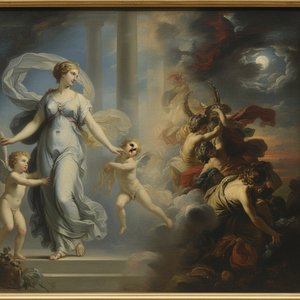
Pierre-Paul Prud'hon: Exploring Neoclassical Sensibility & Romantic Precursors
Explore the captivating world of Pierre-Paul Prud'hon, a pivotal French painter bridging Neoclassicism & Romanticism. Discover his allegorical masterpieces and lasting influence on 19th-century art history.

Paul Cézanne: As 25 Obras-Primas que Definiram um Gênio da Arte Moderna | OriginalUniqueArt
Descubra as 25 obras-primas de Paul Cézanne, o mestre do pós-impressionismo! Explore a história, técnica e cores vibrantes por trás de quadros icônicos como 'Les Baigneurs' e 'Mont Sainte-Victoire'. Encontre reproduções de arte exclusivas para decorar sua casa com elegância em OriginalUniqueArt.com.

