French Impressionism
The Boulevards (Pierre Bonnard)
Pierre Bonnard (1867–1947) criou The Boulevards. Pertence ao movimento French Impressionism. É feito em Lithograph. Está conservada no Detroit Institute of Arts, em Detroit, Estados Unidos da América.
- Lithograph
- Detroit Institute of Arts

 Visualizar na parede

 Pintura a Óleo Feita à Mão
 Compartilhar
 Compartilhar
 Ficha técnica


 Baixar imagem
 Semelhantes
 Raio X
 Ver diaporama
 Perguntas e Respostas

 Estatísticas
The Boulevards, em resumo
- Título
- The Boulevards
- Artista
- Pierre Bonnard (1867–1947)
- Artista nascido em
- Fontenay-aux-Roses, França
- Técnica
- Lithograph
- Onde ver
- Detroit Institute of Arts, Detroit, Estados Unidos da América
- Movimento
- French Impressionism
- Período
- Modern
- Tema
- cityscape, urban scene, boulevards, architecture, color palette, light effects
O que The Boulevards retrata?
A Parisian Whisper: The Soul of The Boulevards
To step into Pierre Bonnard’s “The Boulevards” is to wander through a dream of fin de siècle Paris, where the bustling energy of the city is softened by a veil of poetic nostalgia. Created in 1900, this exquisite lithograph does not merely document a street scene; it captures the very breath of the Belle Époque. As a master of the Intimist movement, Bonnard moves away from the grand, sweeping gestures of traditional landscape painting to focus on the quiet, fleeting moments that define urban existence. The viewer is not an outsider looking in, but a silent participant, drifting alongside the figures strolling through a world rendered in a palette of muted greens, soft violets, and delicate pinks.
The composition possesses a deceptive simplicity that masks a profound emotional depth. Bonnard utilizes a subtly flattened perspective, compressing the space of the boulevard to draw the eye inward toward a towering architectural presence. This technique creates an intimate atmosphere, as if the city itself is leaning in to share a secret. The way the light filters through the scene—not with the harsh brilliance of the Impressionists, but with a diffused, ethereal glow—imbued the lithograph with a sense of timelessness. For the collector or interior designer, this piece offers a sophisticated balance of structure and softness, making it an ideal focal point for spaces that require a touch of historical elegance and contemplative calm.
Technique and the Art of Impressionistic Nuance
The technical mastery behind “The Boulevards” lies in Bonnard’s ability to use color as a vehicle for emotion rather than mere description. Executed as a lithograph on fine paper, the work showcases a remarkable command of tonal layering. By eschewing heavy outlines and traditional shading, Bonnard relies on overlapping planes of color to suggest depth and movement. The interplay between the cool greens and the warm, fleshy pinks creates a rhythmic vibration across the surface, mimicking the flickering movement of pedestrians and bicycles passing through the street. This approach reflects his roots in the Nabis group, where the decorative quality of the medium was just as vital as the subject matter itself.
Every stroke and color choice serves to evoke the atmosphere of a city in transition. There is a certain melancholy present in the muted tones, a reflection of the shifting social tides at the turn of the century. Yet, beneath this layer of nostalgia, there is an undeniable vibrancy—a pulse of life that remains even in the most subdued hues. For those seeking to adorn a home with art that tells a story, this reproduction provides more than just visual beauty; it offers a window into a vanished era of Parisian splendor, inviting a sense of romanticism and intellectual curiosity into any curated collection.
Em qual museu se encontra The Boulevards?
Detroit Institute of Arts
Detroit, Estados Unidos da América
Origens e História do Detroit Institute of Arts As raízes do Detroit Institute of Arts remontam a 1883, iniciando-se como uma modesta coleção de pinturas europeias. Já em 1885, esta coleção foi estabelecida como o Detroit Museum of Art. A instituição fez sua estreia pública em 1º de setembro de 1888, em um edifício localizado na Jefferson Avenue.


Imagens em alta resolução de The Boulevards

Pierre Bonnard, The Boulevards, Detroit Institute of Arts. Domínio público.
Perguntas sobre The Boulevards respondidas
Onde "The Boulevards", de Pierre Bonnard está em exibição hoje?
"The Boulevards", de Pierre Bonnard está em exibição no Detroit Institute of Arts, Detroit, Estados Unidos da América. A referência ao museu diz respeito à obra original, não a reproduções.
Qual técnica foi utilizada em "The Boulevards", de Pierre Bonnard?
Pierre Bonnard utilizou a técnica de Lithograph para "The Boulevards". A técnica define a natureza material da obra original.
O que "The Boulevards", de Pierre Bonnard retrata?
"The Boulevards", de Pierre Bonnard retrata: cityscape, urban scene, boulevards, architecture, color palette, light effects, domestic interior.
A imagem de "The Boulevards", de Pierre Bonnard pode ser reproduzida livremente?
"The Boulevards", de Pierre Bonnard está em em domínio público — seus direitos autorais expiraram. Este status determina como a imagem da obra pode ser reproduzida.
Quem criou "The Boulevards"?
"The Boulevards" foi criado por Pierre Bonnard. As informações nesta página descrevem a obra original de Pierre Bonnard.
A qual movimento artístico pertence "The Boulevards", de Pierre Bonnard?
"The Boulevards", de Pierre Bonnard pertence ao movimento French Impressionism. Este movimento fornece o contexto estilístico da obra.
A que período da carreira de Pierre Bonnard pertence "The Boulevards"?
"The Boulevards" representa o Mature Period de Pierre Bonnard.
Qual é a situação dos direitos autorais de "The Boulevards", de Pierre Bonnard?
"The Boulevards", de Pierre Bonnard está em em domínio público — seus direitos autorais expiraram. O período de direitos autorais conta a partir do falecimento do artista, ocorrido em 1947.
"The Boulevards" permaneceu no país de origem do seu artista?
Não – a obra de arte encontra-se no exterior. Pierre Bonnard nasceu em França, e o original de "The Boulevards" encontra-se num museu em Estados Unidos da América.
Sobre o artista, Pierre Bonnard
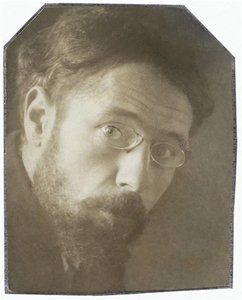
1867–1947, França
Pierre Bonnard
Vida Inicial, Família e Formação Pierre Bonnard chegou ao mundo em 3 de outubro de 1867, em Fontenay-aux-Roses, Hauts-de-Seine, França. Ele nasceu em uma família de expectativas estruturadas; seu pai, Eugène Bonnard, ocupava um cargo de alto escalão no Ministério da Guerra francês. Enquanto sua linhagem estava enraizada na estabilidade administrativa do Estado, a esfera doméstica de Pierre foi moldada por sua mãe, Élisabeth Mertzdorff, originária da Alsácia. Ele cresceu ao lado de seu irmão, Charles, e de sua irmã, Andrée, em um lar que veria sua irmã casar-se, eventualmente, com o compositor Claude Terrasse.
Também de Pierre Bonnard
 Nude1920
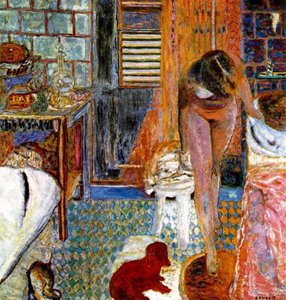 La toilette, ca Private1932
 The almond tree in blossom
 Le placard rouge (The Red Cupboard),1939

Ensaios sobre The Boulevards
 Boulevards of Light: A Study of Parisian Street Life in Impressionist PaintingExplore the luminous transformation of Paris through Caillebotte and Renoir. Rediscover the Belle Epoque era today.
 Os 10 Clássicos do Impressionismo que Transformaram a Arte e Decoram Sua CasaDescubra os 10 quadros impressionistas que revolucionaram a arte! Explore Monet, Renoir e outros mestres do Impressionismo. Encontre reprod…
 Urban Pulse: Integrating the Kinetic Energy of Impressionist Boulevards and Contemporary Street Art into Hospitality DesignMaster urban hospitality design with expert insights on Impressionist and street art integration. Elevate your next project today.