- Início

- Impressão em tela
- Phyllida Barlow
- untitled: female

 Preview
 Encomendar pintura Comprar imagem em alta resolução
 Enviar
 Compartilhar
 Detalhes da obra
 Adicionar aos favoritos

 Baixar
 Semelhantes
 Raio X
 Slideshow
untitled: female


 Ver mais
Giclê / Impressão de Arte
Impressão giclée ou em tela de qualidade de museu, com produção rápida e opções flexíveis de acabamento.




































Escolha entre os nossos tamanhos pré-definidos que respeitam as proporções originais da obra de arte.

Você pode inserir suas próprias dimensões para se ajustar a uma moldura ou espaço específico. Se o tamanho selecionado não corresponder às proporções da imagem original, iremos recortar a obra de arte ou estender a imagem com uma borda espelhada ou preenchimento sólido. Um mockup digital será enviado para sua aprovação antes do início da produção.
Por favor, observe que a visualização na tela não reflete o recorte ou a extensão real. Apenas o mockup mostrará com precisão a composição final.
Embora tamanhos personalizados estejam disponíveis, recomendamos selecionar uma dimensão da lista predefinida para preservar as proporções originais.
Entrega mundial () em 2 semanas, em vez das 4/5 semanas padrão. (25 Julho)

Envio Expresso Gratuito para todo o Mundo

Tela de Linho Premium

Seguro de envio completo

Garantia de Reembolso de Impostos Alfandegários

Garantia de Fidelidade de Cores

Política de Devolução de 60 Dias (Apenas para Defeitos)

Garantia de 100% de Reembolso

Desconto para múltiplas unidades
 A opção de vidro está disponível apenas para tamanhos inferiores a 110 cm

untitled: female
Giclê / Impressão de Arte
Dimensões da Reprodução
-


Preço Total Final
-
Descrição da Obra
Phyllida Barlow’s “untitled: female”: A Monument to Playful Instability
Phyllida Barlow's "untitled: female," a monumental sculpture born from the fertile ground of her decades-long artistic practice, isn’t merely an assemblage of stacked blocks; it’s a carefully orchestrated invitation into a world of tactile exploration and emotional resonance. Created in 2018, this work exemplifies Barlow’s signature approach – a deliberate embrace of industrial materials alongside a playful disregard for traditional sculptural conventions. The piece immediately commands attention, its sheer scale dwarfing the viewer while simultaneously drawing them closer with an undeniable sense of curiosity. It speaks to a lineage of artists who challenged established norms and sought to redefine sculpture's role within the broader landscape of art and experience.
At first glance, the structure appears precarious – a towering stack of rectangular blocks, seemingly on the verge of collapse. Yet, this instability isn’t presented as a failure but rather as an inherent quality, mirroring Barlow’s fascination with the tension between strength and fragility. The use of materials like cardboard, plywood, polystyrene, and cement—often considered humble or disposable—elevates them to a position of significance, transforming their utilitarian origins into elements of profound artistic expression. This deliberate choice reflects Barlow's broader critique of monumentality, rejecting grandiose displays in favor of works that engage with the everyday and invite a more intimate connection.
Materiality and Process: A Revelation of Creation
The beauty of “untitled: female” lies not just in its final form but also in the visible traces of its construction. Barlow’s commitment to transparency—leaving the seams, joins, and layering processes exposed—is a crucial element of her artistic philosophy. The rough textures of the cement-like blocks contrast sharply with the smoother surfaces of the ‘head’ component, creating a dynamic interplay between solidity and vulnerability. This deliberate display of the construction process is a direct response to what Barlow herself described as a desire to “plunder” materials and transform them through the act of making. It's an invitation for the viewer to contemplate not just the finished artwork but also the labor and intention behind its creation.
- Materials: Cardboard, plywood, polystyrene, scrim, cement, fabric, paint.
- Technique: Layering, stacking, assemblage – a deliberate emphasis on visible construction techniques.
- Scale: Monumental, designed to engage the viewer physically and emotionally.
Symbolism and Emotional Resonance
While undeniably abstract, “untitled: female” resonates with potent symbolic layers. The title itself – "untitled: female" – immediately suggests a connection to femininity, though this is conveyed through an abstracted representation rather than a literal depiction. The precarious balance of the stacked blocks can be interpreted as a metaphor for vulnerability and instability, while the imposing size of the sculpture conveys strength and presence. Barlow’s work often explores themes of memory, childhood experiences, and the relationship between art and environment – elements that subtly inform the piece's emotional impact.
The ‘head’ element, rising above the stacked blocks, adds another layer of complexity. It resembles a mask or a stylized face, prompting questions about identity, representation, and the nature of perception. Barlow herself has spoken of her childhood memories of bomb damage in London as a significant influence on her work, suggesting that “untitled: female” might also be a meditation on resilience and the enduring power of the human spirit.
A Legacy of Playful Grandeur
Phyllida Barlow’s "untitled: female" stands as a testament to her unique artistic vision – a celebration of materiality, process, and playful instability. It's a work that demands attention, invites contemplation, and ultimately rewards the viewer with an experience that is both intellectually stimulating and emotionally resonant. Her influence extends far beyond the art world, prompting us to reconsider our relationship with space, form, and the very act of creation. Reproductions of this piece offer a tangible connection to Barlow’s extraordinary legacy, bringing her distinctive aesthetic into homes and galleries worldwide.
Biografia do Artista
Phyllida Barlow: A Colossal Presence in Sculpture
Phyllida Barlow (1944-2023), a British visual artist, carved an extraordinary path through the world of sculpture and installation art, leaving behind a legacy of monumental, playful, and profoundly engaging works. Born in Newcastle upon Tyne and raised amidst the post-war landscape of London, her artistic journey was shaped by both personal experiences – including childhood memories of bomb damage – and a deep engagement with the evolving practices of contemporary art. Barlow’s career spanned over six decades, marked by a consistent exploration of materiality, scale, and the relationship between the artwork and its environment. She wasn't simply creating objects; she was constructing immersive experiences that challenged viewers to reconsider their perceptions of space, form, and meaning.Early Life and Artistic Training
Phyllida Barlow’s artistic development began at Chelsea College of Art in 1960, where she studied under George Fullard, a pivotal figure who instilled in her a belief that the act of making itself was an adventure. This early influence encouraged a playful approach to sculpture, rejecting traditional notions and embracing experimentation with unconventional materials. She continued her studies at the Slade School of Fine Art from 1963 to 1966, further honing her skills and developing her distinctive style. Her marriage to Fabian Benedict Peake, the son of renowned author Mervyn Peake, provided a supportive creative partnership, and their family life nurtured a vibrant artistic environment. Barlow’s time at the Slade was not just about technical proficiency; it was a period of intellectual growth, shaping her understanding of art's potential to disrupt and provoke. She later became a respected teacher at the Slade for over forty years, mentoring generations of artists including Rachel Whiteread and Ángela de la Cruz, leaving an indelible mark on the British art scene.A Distinctive Material Language
What truly set Barlow’s work apart was her masterful manipulation of materials. Rather than relying on precious metals or polished stone, she embraced a vocabulary of inexpensive, readily available elements – cardboard, plywood, plaster, cement, fabric, and paint. These humble materials were transformed through layers of accumulation, removal, and juxtaposition, creating forms that seemed to defy gravity and logic. Her sculptures often appeared simultaneously heavy and light, imposing yet strangely delicate. This deliberate choice of materials wasn’t simply a stylistic decision; it was a conscious rejection of monumentality and an embrace of the inherent qualities of each substance. Barlow herself described her process as “more functional than artistic,” highlighting her focus on the physical act of creation and the exploration of material potential.Major Achievements and Recognition
Phyllida Barlow’s influence extended far beyond the British art world. In 2017, she represented Great Britain at the Venice Biennale, a prestigious international exhibition that brought her work to a global audience. Her monumental installation for the event, “The Place Where We Met,” was particularly notable for its scale and its ability to transform the viewer’s experience of the gallery space. Throughout her career, Barlow received numerous awards and accolades, including the Aachen Art Prize in 2012 and recognition as a Royal Academician in 2011. Her work has been exhibited extensively in major museums and galleries around the world, solidifying her position as one of the most important sculptors of her generation. Her later years were marked by continued creative output and a commitment to pushing the boundaries of sculptural practice.Legacy and Influence
Phyllida Barlow’s legacy is complex and multifaceted. She challenged conventional notions of sculpture, moving away from traditional representations and embracing abstraction, process, and the inherent qualities of her chosen materials. Her work invites viewers to engage with it on a physical and emotional level, prompting reflection on themes of space, materiality, and the nature of art itself. Her anti-monumental approach—leaving seams visible, revealing the construction process—demanded that viewers consider not just the finished object but also the act of making. Barlow’s influence can be seen in the work of countless artists who followed in her footsteps, demonstrating the enduring power of her vision and her profound contribution to contemporary art. Her passing in 2023 marked the loss of a truly unique artistic voice, but her monumental sculptures will continue to inspire and challenge audiences for generations to come.
Phyllida Barlow
1944 - 2023 , United Kingdom
Informações Rápidas
- Artistic Movement Or Style: Sculpture, Installation art
- Artists Or Movements Influenced By This Artist: ['New Generation Sculpture']
- Artists Who Influenced This Artist: ['George Fullard']
- Date Of Birth: April 4, 1944
- Date Of Death: March 12, 2023
- Full Name: Dame Gillian Phyllida Barlow
- Nationality: British
- Notable Artworks:
- untitled: female
- Object for the Television
- Place Of Birth: Newcastle upon Tyne, UK
Artigos Relacionados

The Enduring Allure of Marble in Art History: From Classical Sculpture to Modern Abstraction
Explore the captivating history of marble sculpture from ancient Greece to modern art. Discover renowned artists like Canova & Michelangelo, carving techniques, and investment insights at OriginalUniqueArt.

Beyond Form & Color: Geometric Abstraction's Evolution in 20th/21st Century Art
Explore the evolution of geometric abstraction from Cubism to contemporary art. Discover key artists like Malevich & Mondrian, investment insights, and expert collecting advice at OriginalUniqueArt.
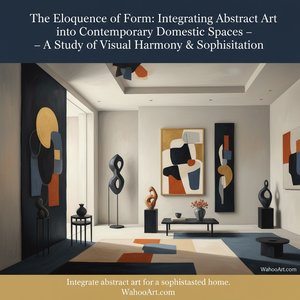
A Eloquência da Forma: Integrando a Arte Abstrata em Espaços Domésticos Contemporâneos – Um Estudo de Harmonia Visual e Sofisticação
Descubra como integrar arte abstrata em sua casa com elegância e sofisticação! Guia completo sobre cores, texturas, artistas e investimento. Transforme seus espaços com OriginalUniqueArt.
Beyond Form & Color: Geometric Abstraction's Enduring Legacy in Art History
Explore the captivating world of geometric abstraction! Discover its origins, key artists like Malevich & Mondrian, and why this movement remains highly valued by art collectors today. Expert insights at OriginalUniqueArt.
Deconstructing Form & Feeling: A Guide to Contemporary Abstract Art for Collectors
Explore the world of contemporary abstract art with OriginalUniqueArt. Discover key movements, influential artists & expert collecting advice. Invest in museum-quality paintings today.

