
 Visualizar na parede
 Compartilhar
 Compartilhar
 Detalhes
 Guia
Guia

 Baixar imagem
 Semelhantes
 Raio X
 Ver diaporama
 Perguntas e Respostas
 Estatísticas
Clair de Lune (Moonlight)

- 57.0 x 72.0 cm


 Ler mais
Giclée / Impressão de Arte
Impressão giclée ou em tela de qualidade de museu, com produção rápida e opções flexíveis de acabamento. ( Comprar pintura feita à mão Alternar para Imagem Digital)




P118B €10

P118H €10

P118W €10

P438Z €10

P508JH €12

P508YH €12

P805H €10

P805Z €10

P919BZ €10

P919G €10

P919XJ €10

P959ZH €10

P968JZ €12

W106C €8

W218G €10

W218JH €8

W218Y €10

W307PJ €10

W316G €10

W316PJ €8

W316Y €10

W398PJ €8

W4111J €10

W500HY €15

W500JH €15

W692G €12

W849H €8

W940BG €15

W953PJ €8




Escolha entre os nossos tamanhos pré-definidos que respeitam as proporções originais da obra de arte.

Insira a largura e a altura desejadas para se ajustarem à sua moldura ou parede. Uma impressão pode ser apenas cortada, nunca ampliada além da imagem original; portanto, um tamanho com proporções diferentes resultará na perda de parte da imagem. Enviamos uma maquete digital para sua aprovação antes de realizarmos a impressão. A imagem exibida nesta página não mostra o corte real — apenas a maquete o faz.
Entrega mundial () em 2 semanas, em vez das 4/5 semanas padrão. (6 Novembro)

Envio expresso gratuito para todo o mundo

Tela de Linho de Alta Qualidade

Seguro de transporte completo

Garantia de Reembolso de Impostos Alfandegários

Garantia de Fidelidade Cromática

Política de Devolução em 100 Dias (Apenas para Defeitos)

Garantia de reembolso de 100%

Oferta de desconto por quantidade
 A opção de vidro está disponível apenas para tamanhos inferiores a 110 cm

Clair de Lune (Moonlight)
Giclée / Impressão de Arte
Tamanho da Reprodução
-


Preço Total
€ 72
A Nocturnal Symphony of Light and Shadow
In the quietude of the night, where the boundaries between reality and dream begin to blur, Philip James de Loutherbourg’s "Clair de Lune (Moonlight)" emerges as a breathtaking testament to the power of atmospheric storytelling. This exquisite oil on canvas, dating from 1777, invites the viewer into a world of profound serenity and nocturnal mystery. At first glance, the eye is drawn to the luminous full moon, a celestial beacon that pierces through the velvet darkness to cast a shimmering path across the gentle river. The composition is masterfully balanced; on the left bank, a cluster of grazing cows rests in peaceful repose, their soft forms rendered with a delicate touch that suggests the warmth of life even amidst the cool night air. Opposite them, the rugged textures of rocks and the dark silhouettes of trees provide a structural weight to the scene, creating a sense of enclosure and intimacy that wraps around the viewer like a quiet lullaby.
The artist’s mastery of chiaroscuro—the dramatic interplay between light and shadow—is nothing short of transformative. Loutherbourg does not merely paint a landscape; he orchestrates a theatrical event of light. The brilliant white glow of the moon creates sharp, high-contrast highlights against the deep grays, browns, and blacks of the nocturnal terrain. This technique breathes life into the water's surface, where flowing, reflective strokes mimic the rhythmic movement of a slow-moving stream. A subtle, warm orange glow from a distant small fire on the right bank offers a poignant counterpoint to the cool lunar light, adding a layer of human presence and warmth to an otherwise wild and untamed landscape. This careful manipulation of light guides the eye through the depth of the painting, leading it past the foreground textures toward a distant, hazy village that sits nestled under the vast, star-dusted sky.
The Intersection of Rococo Elegance and Romantic Spirit
Historically, "Clair de Lune" stands at a fascinating crossroads of artistic movements. While the painting retains the meticulous attention to detail and refined elegance characteristic of the Rococo period, it simultaneously pulses with the burgeoning emotional intensity of Romanticism. Loutherbourg, a man whose career was defined by his ability to blend scientific observation with theatrical illusion, uses this piece to explore the sublime beauty of nature. The organic shapes—the rounded contours of the cattle, the irregular silhouettes of the foliage, and the billowing, ethereal clouds—all contribute to a sense of natural spontaneity. There is an undeniable emotional resonance in the work; it evokes a deep sense of tranquility, inviting collectors and art enthusiasts to find a moment of meditative stillness within its depths.
For the discerning interior designer or art collector, this reproduction offers more than just visual beauty; it provides an atmospheric anchor for a sophisticated space. The muted color palette of charcoal, silver, and deep earth tones allows the piece to integrate seamlessly into both classical and contemporary settings, adding a layer of intellectual depth and quiet drama to any room. Whether placed in a study to inspire contemplation or in a grand living area to serve as a focal point of elegance, "Clair de Lune" remains an enduring masterpiece. It serves as a window into a time when the night was not something to be feared, but a canvas upon which the heavens could paint their most enchanting and peaceful illusions.
Perguntas e Respostas
Para qual ambiente se sugere "Clair de Lune (Moonlight)", de Philip James de Loutherbourg?
Uma reprodução de "Clair de Lune (Moonlight)" fica muito bem em um(a) Living Room.
Para qual ocasião "Clair de Lune (Moonlight)", de Philip James de Loutherbourg é sugerido como presente?
"Clair de Lune (Moonlight)", de Philip James de Loutherbourg é uma recomendação de presente para Anniversary. Uma reprodução desta obra pode ser oferecida como um presente.
"Clair de Lune (Moonlight)", de Philip James de Loutherbourg está em domínio público?
Quanto aos direitos autorais, "Clair de Lune (Moonlight)" está em em domínio público — seus direitos autorais expiraram.
Biografia do Artista
Philip James de Loutherbourg: Uma Vida de Arte, Teatro e Intriga
- Nascimento: Estrasburgo, França (1740)
- Falecimento: 1812
Philip James de Loutherbourg, também conhecido como Philip Jacques de Loutherbourg, foi um pintor franco-britânico celebrado por suas representações dramáticas de batalhas navais, paisagens expansivas e contribuições inovadoras para o design teatral. Sua carreira estendeu-se por várias décadas, marcada por uma versatilidade artística singular, uma breve incursão no ocultismo e uma influência significativa sobre as gerações subsequentes de artistas.
Primeiros Anos e Formação Artística
Nascido em Estrasburgo em 1740, a infância de Loutherbourg foi moldada pela figura de seu pai, um gravador e miniaturista. Embora inicialmente destinado ao ministério, ele abandonou esse caminho para perseguir uma carreira nas artes. Sua formação formal teve início em Paris, sob a tutela de Charles-André van Loo e Francesco Giuseppe Casanova. Loutherbourg demonstrou rapidamente um talento excepcional, conquistando reconhecimento no Salão de 1763 com sua paisagem repleta de figuras e animais. Ele continuou a exibir com sucesso em Salões subsequentes, recebendo elogios de críticos influentes como Denis Diderot. Em 1767, foi eleito para a Academia Francesa, um testemunho de sua reputação crescente.
Carreira na Inglaterra: Cenas Navais, Paisagens e Teatro
Em 1771, Loutherbourg mudou-se para Londres, onde rapidamente se estabeleceu como um artista proeminente. Uma apresentação crucial feita por David Garrick levou a encomendas significativas de cenografia para o Drury Lane Theatre. Suas inovações teatrais foram revolucionárias, incluindo a criação do Eidophusikon em 1781 – um teatro mecânico que utilizava perspectiva e efeitos ilusionistas para criar cenas imersivas. Esta invenção demonstrou sua engenhosidade e o consagrou como um pioneiro na tecnologia teatral.
Simultaneamente, Loutherbourg ganhou renome por suas pinturas históricas, particularmente suas representações de batalhas navais. Sua obra mais famosa, Lord Howe's Action, or the Glorious First of June (1795), comemorou uma vitória britânica significativa e o estabeleceu como um dos principais cronistas de eventos marítimos. Suas paisagens, embora por vezes criticadas por serem um tanto teatrais, capturavam a beleza pitoresca da campiña inglesa e refletiam os ideais estéticos da época.
- Obras Notáveis: Lord Howe's Action, or the Glorious First of June, The Destruction of the Armada, Coalbrookdale by Night
Um Período de Interesses Ocultos e Anos Tardios
Em uma reviravolta surpreendente, Loutherbourg abandonou temporariamente a pintura em 1789 para perseguir um interesse pela alquimia e pelo sobrenatural. Ele associou-se a Alessandro di Cagliostro, uma figura notória conhecida por suas alegações fraudulentas de imortalidade e poderes ocultos. Loutherbourg viajou com Cagliostro antes da condenação deste à morte, embora os detalhes deste período permaneçam um tanto obscuros. Após a oposição pública às suas práticas de cura pela fé, ele retornou à pintura, concentrando-se em temas históricos e continuando a produzir paisagens e retratos.
Legado e Influência
Philip James de Loutherbourg deixou um legado duradouro como um artista versátil que uniu a pintura histórica, a arte da paisagem e o design teatral. Seu inovador Eidophusikon influenciou desenvolvimentos posteriores na cenografia, enquanto suas dramáticas cenas navais capturaram o espírito de uma era definida pelo poder marítimo. Sua obra pode ser encontrada em inúmeros museus ao redor do mundo, incluindo o National Maritime Museum e o British Museum. Ele também é reconhecido por influenciar artistas como J.M.W. Turner, demonstrando sua contribuição significativa para o desenvolvimento da arte Romântica na Grã-Bretanha.

Philip James de Loutherbourg
1740 - 1812 , França
Dados Rápidos
- Artistic Movement Or Style: Romanticismo
- Artists Or Movements Influenced By This Artist: ['Turner']
- Date Of Birth: 1740-10-31
- Date Of Death: 1812-03-11
- Full Name: Philip James de Loutherbourg
- Nationality: Franco-Britânico
- Notable Artworks:
- Lord Howe's Action, or the Glorious First of June
- The Destruction of the Armada
- Coalbrookdale by Night
- Place Of Birth: Strasbourg, França
Artigos Relacionados

Os 10 Mestres da Paisagem Romântica: Arte para Inspirar a Sua Casa
Descubra os 10 quadros mais emblemáticos da Paisagem Romântica! Explore a história de Turner, Friedrich e outros mestres. Encontre reproduções de arte exclusivas para inspirar sua decoração em OriginalUniqueArt.com.

Goya: As 25 Obras-Primas que Definem um Mestre da Arte Espanhola | OriginalUniqueArt
Descubra as 25 obras-primas de Francisco Goya, o mestre espanhol do Romantismo. Explore retratos icônicos, gravuras impactantes e a história por trás de 'Saturno Devorando seu Filho' e 'A Majas'. Encontre reproduções de arte exclusivas para decorar sua casa com OriginalUniqueArt.com.
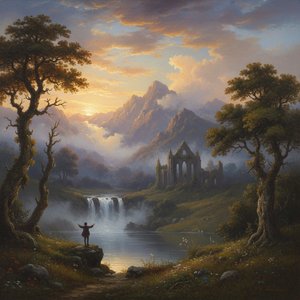
Evoking Emotion & Transcendence: Romantic Landscape Painting (18th-19th Century)
Explore the emotional depth of Romantic landscape painting (18th-19th century). Discover key artists like Friedrich & Cole, and the concepts of the sublime. Expert insights for art lovers & collectors.

Philip James de Loutherbourg: Romantic Visions of Maritime Life & the Sublime
Explore the dramatic naval scenes & landscapes of Philip James de Loutherbourg (1740-1812), a key figure in Romantic painting. Discover his legacy, theatrical innovations & iconic works like 'The Battle of the Nile' at OriginalUniqueArt.

Evocations of Place: A Historical Journey Through Landscape Art
Explore the rich history of landscape art with OriginalUniqueArt. Discover renowned artists, movements like Impressionism & Romanticism, and expert guidance for collecting timeless pieces. Find your perfect serene escape today!
