
 Visualizar na parede
 Compartilhar
 Compartilhar
 Detalhes
 Guia
Guia

 Baixar imagem
 Semelhantes
 Raio X
 Ver diaporama
 Q&A
Q&A Estatísticas
Pauline Morton Sabin

- 59.0 x 73.0 cm


 Ler mais
Giclée / Impressão de Arte
Impressão giclée ou em tela de qualidade de museu, com produção rápida e opções flexíveis de acabamento. ( Comprar pintura feita à mão Alternar para Imagem Digital)




P118B €10

P118H €10

P118W €10

P438Z €10

P508JH €12

P508YH €12

P805H €10

P805Z €10

P919BZ €10

P919G €10

P919XJ €10

P959ZH €10

P968JZ €12

W106C €8

W218G €10

W218JH €8

W218Y €10

W307PJ €10

W316G €10

W316PJ €8

W316Y €10

W398PJ €8

W4111J €10

W500HY €15

W500JH €15

W692G €12

W849H €8

W940BG €15

W953PJ €8




Escolha entre os nossos tamanhos pré-definidos que respeitam as proporções originais da obra de arte.

Insira a largura e a altura desejadas para se ajustarem à sua moldura ou parede. Uma impressão pode ser apenas cortada, nunca ampliada além da imagem original; portanto, um tamanho com proporções diferentes resultará na perda de parte da imagem. Enviamos uma maquete digital para sua aprovação antes de realizarmos a impressão. A imagem exibida nesta página não mostra o corte real — apenas a maquete o faz.
Entrega mundial () em 2 semanas, em vez das 4/5 semanas padrão. (31 Outubro)

Envio expresso gratuito para todo o mundo

Tela de Linho de Alta Qualidade

Seguro de transporte completo

Garantia de Reembolso de Impostos Alfandegários

Garantia de Fidelidade Cromática

Política de Devolução em 100 Dias (Apenas para Defeitos)

Garantia de reembolso de 100%

Oferta de desconto por quantidade
 A opção de vidro está disponível apenas para tamanhos inferiores a 110 cm

Pauline Morton Sabin
Giclée / Impressão de Arte
Tamanho da Reprodução
-


Preço Total
€ 71
Pauline Morton Sabin – A Portrait of Elegance in the Jazz Age
Philip Alexius de László’s 1926 painting, “Pauline Morton Sabin,” is more than just a portrait; it's a meticulously crafted snapshot of a moment within the opulent social landscape of the early 20th century. The canvas, measuring 59 x 73 cm, immediately draws the eye to its subject – Pauline Morton Sabin – a woman radiating quiet confidence and understated glamour. De László’s masterful technique, honed through years of studying academic traditions alongside contemporary portraiture trends, results in an image brimming with realism and a palpable sense of atmosphere.
- Subject & Composition: The painting centers on Pauline Sabin, depicted in a pose that suggests both formality and relaxed engagement. Her blonde hair is elegantly styled, complemented by a delicate pearl necklace – a symbol of wealth and status prevalent during this era. The inclusion of the fur coat, a hallmark of fashionable attire at the time, further emphasizes her privileged position.
- The Supporting Figures: Intriguingly, Sabin isn't alone. Two other individuals are present in the scene, positioned on either side of her. Their interaction, whether observation or conversation, adds layers of narrative and invites speculation about the context of this portrait session. This compositional choice elevates the work beyond a simple likeness, hinting at social dynamics and relationships within the elite circles De László frequented.
De László’s Technique: Realism and Atmospheric Depth
De László was renowned for his ability to capture not just physical appearance but also the very essence of his subjects. His technique involved meticulous layering of thin glazes, building up color gradually to achieve a luminous effect – a signature characteristic of his work. This approach is particularly evident in the rendering of Pauline’s skin tones, which possess a remarkable softness and depth. The subtle gradations of light and shadow create an almost three-dimensional quality, drawing the viewer into the scene.
- Brushwork: His brushstrokes are generally smooth and controlled, contributing to the overall sense of realism. However, he skillfully employs variations in pressure and direction to suggest texture – the plushness of the fur coat, the sheen of the pearl necklace, and the delicate flow of her hair.
- Color Palette: The color palette is restrained yet sophisticated, dominated by warm tones—ochres, browns, and creams—that evoke a sense of luxury and refinement. These colors are expertly balanced to create harmony and visual interest.
Historical Context & Symbolism
Painted in 1926, “Pauline Morton Sabin” reflects the vibrant social scene of the Jazz Age. The period was marked by economic prosperity, technological advancements, and a burgeoning fascination with modernity. Portraits like this one were commissioned not just to commemorate individuals but also to solidify their place within the established order. The inclusion of the fur coat, a symbol of wealth and status, underscores the subject's belonging to an elite social class.
- Social Portraiture: De László’s portraits were often commissioned by wealthy families and prominent figures, serving as visual records of their lives and achievements.
- The Role of the Artist: The artist himself played a crucial role in shaping the subject's image, carefully considering pose, expression, and attire to create a portrait that was both flattering and representative of the individual’s character.
Emotional Impact & Artistic Legacy
"Pauline Morton Sabin" transcends a simple depiction of a woman; it is an evocative portrayal of elegance, confidence, and social grace. De László's ability to capture not just physical likeness but also the subtle nuances of personality ensures that this painting continues to resonate with viewers today. This piece exemplifies De László’s enduring legacy as one of the most celebrated portrait painters of his time, a testament to his technical skill, artistic vision, and profound understanding of human character.
Perguntas e Respostas
Existe um guia para "Pauline Morton Sabin", de Philip Alexius De László?
O guia para "Pauline Morton Sabin" é a página de Ficha informativa da obra — uma ficha informativa imprimível que apresenta a obra com sua legenda, autoria e tabela de identificação (artista, datas, técnica, tamanho original, coleção).
Quão harmoniosas são as cores de "Pauline Morton Sabin" entre si?
"Pauline Morton Sabin", de Philip Alexius De László apresenta uma harmonia de cores Strong Color Unity.
Qual é a intensidade das cores de "Pauline Morton Sabin", de Philip Alexius De László?
"Pauline Morton Sabin", de Philip Alexius De László apresenta uma intensidade de cor Balanced.
Biografia do Artista
Philip Alexius de László: Vida e Legado
Primeiros Anos e Formação
Philip Alexius de László, nascido Fülöp Laub em 30 de abril de 1869, em Budapeste, Hungria, ascendeu de origens humildes para se tornar um célebre pintor de retratos da realeza e da aristocracia europeia. Seus pais, Adolf e Johanna Laub, eram alfaiate e costureira, respectivamente, de origem judaica. Inicialmente, ele atuou como aprendiz de fotógrafo enquanto perseguia seus estudos artísticos. Conseguiu admissão na Academia Nacional de Belas Artes em Budapeste, estudando sob a tutela de Bertalan Székely e Károly Lotz. Estudos posteriores em Munique e Paris ampliaram seus horizontes artísticos.
Desenvolvimento Artístico e Influências
O trabalho inicial de De László demonstrava um olhar aguçado para os detalhes e um domínio crescente do realismo. Suas influências incluíam as tradições acadêmicas aprendidas na Academia, bem como as tendências predominantes no retrato durante o final do século XIX e início do século XX. Ele rapidamente se distinguiu por sua habilidade de capturar não apenas a semelhança física, mas também a personalidade e o status social de seus modelos. Um momento crucial ocorreu em 1900, quando seu retrato do Papa Leão XIII lhe rendeu uma Grande Medalha de Ouro na Exposição Internacional de Paris, estabelecendo sua reputação internacional.
Carreira e Grandes Conquistas
Após o sucesso em Paris, de László mudou-se para Viena em 1903 e depois estabeleceu-se em Londres em 1907, onde permaneceu pelo resto de sua vida. Ele tornou-se um retratista altamente requisitado entre a elite europeia. Sua clientela incluía monarcas, nobres, industriais, cientistas e figuras proeminentes de diversos campos.
- Modelos Notáveis: Sir Alfred East, Winifred Cavendish-Bentinck (Duquesa de Portland), Lady Louise Mountbatten (Rainha da Suécia), Vita Sackville-West, Papa Leão XIII, Augusta Victoria (Imperatriz da Alemanha), Princesa Alice de Battenberg, entre muitos outros.
- Honras e Reconhecimento: Investido como Membro da Ordem Real Vitoriana (MVO) por Eduardo VII em 1909. Enobrecido pelo Rei Francisco José I da Hungria em 1912, adotando o nome “de László de Lombos”.
Vida Pessoal e Desafios
Em 1900, de László casou-se com Lucy Madeleine Guinness, membro da proeminente família bancária. Eles tiveram seis filhos e dezessete netos. Ele converteu-se ao anglicanismo após o casamento, depois de um interesse anterior pelo catolicismo. Apesar de sua cidadania britânica e de sua vida estabelecida na Inglaterra, ele enfrentou o internamento durante a Primeira Guerra Mundial (1917-1918) devido a suspeitas em torno de suas conexões austríacas, um período de grande dificuldade.
Estilo Artístico e Temas
O estilo de De László é caracterizado por seu realismo, detalhe meticuloso e uma paleta de cores vibrante. Ele era mestre em capturar as texturas de tecidos, joias e tons de pele. Seus retratos frequentemente transmitem uma sensação de elegância, sofisticação e status social. Embora seja primariamente conhecido pelo retrato, ele também criou paisagens e cenas de gênero.
Significância Histórica e Legado
A obra de Philip de László oferece visões valiosas sobre as vidas e aparências da alta sociedade europeia durante o final do século XIX e início do século XX. Seus retratos servem como documentos históricos, capturando uma era específica e suas dinâmicas sociais. Embora por vezes criticado por ser primordialmente um retratista da sociedade, sua habilidade técnica e capacidade de capturar o caráter são inegáveis. Sua obra compreende quase 4.000 trabalhos, incluindo desenhos, e um catálogo raisonné está atualmente em andamento. Ele faleceu em 22 de novembro de 1937, em Londres, deixando um legado duradouro como um dos mais importantes pintores de retratos de seu tempo.

Philip Alexius De László
1869 - 1937 , Hungria
Dados Rápidos
- Data De Falecimento: 1937
- Data De Nascimento: 1869
- Influenciado Por:
- Bertalan Székely
- Károly Lotz
- Local De Nascimento: Budapeste, Hungria
- Movimento: Realismo, Retratismo
- Nacionalidade: Húngaro, Britânico
- Nome: Philip Alexius de László
- Obras Notáveis:
- Retrato do Papa Leão XIII
- Retratos da realeza e aristocracia europeia
Artigos Relacionados
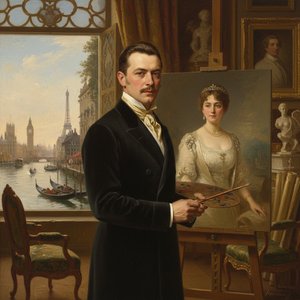
Philip de László: A Portrait of Aristocratic Society & the Cosmopolitan Painter's Evolution
Explore the life & art of Philip de László, master portraitist of European aristocracy. Discover his stunning paintings, royal commissions, and enduring legacy. A guide for discerning collectors.

The Enduring Legacy of Oil on Canvas: Technique, History & Aesthetic Impact
Explore the rich history & techniques of oil painting – from Renaissance masters to Impressionism. Discover pigments, layering methods, and why this timeless medium endures. Expert insights for artists & art enthusiasts.

Goya: As 25 Obras-Primas que Definem um Mestre da Arte Espanhola | OriginalUniqueArt
Descubra as 25 obras-primas de Francisco Goya, o mestre espanhol do Romantismo. Explore retratos icônicos, gravuras impactantes e a história por trás de 'Saturno Devorando seu Filho' e 'A Majas'. Encontre reproduções de arte exclusivas para decorar sua casa com OriginalUniqueArt.com.

Sobre nós
Descubra a nossa história! Levamos arte de classe mundial à sua vida através de uma seleção especializada, criações personalizadas e prévias gratuitas. Aprovado por particulares e empresas desde 2000.

Oil on Canvas: A Historical & Technical Exploration of a Timeless Artistic Medium
Explore the rich history & enduring techniques of oil painting on canvas. Discover the science behind its longevity, conservation practices, and contemporary relevance. Expert insights for art enthusiasts.