
 Enviar
 Compartilhar
 Ver detalhes
 Guia de Obras do Aluno

 Baixar imagem
 Semelhantes
 Apresentação de slides
 Estatísticas
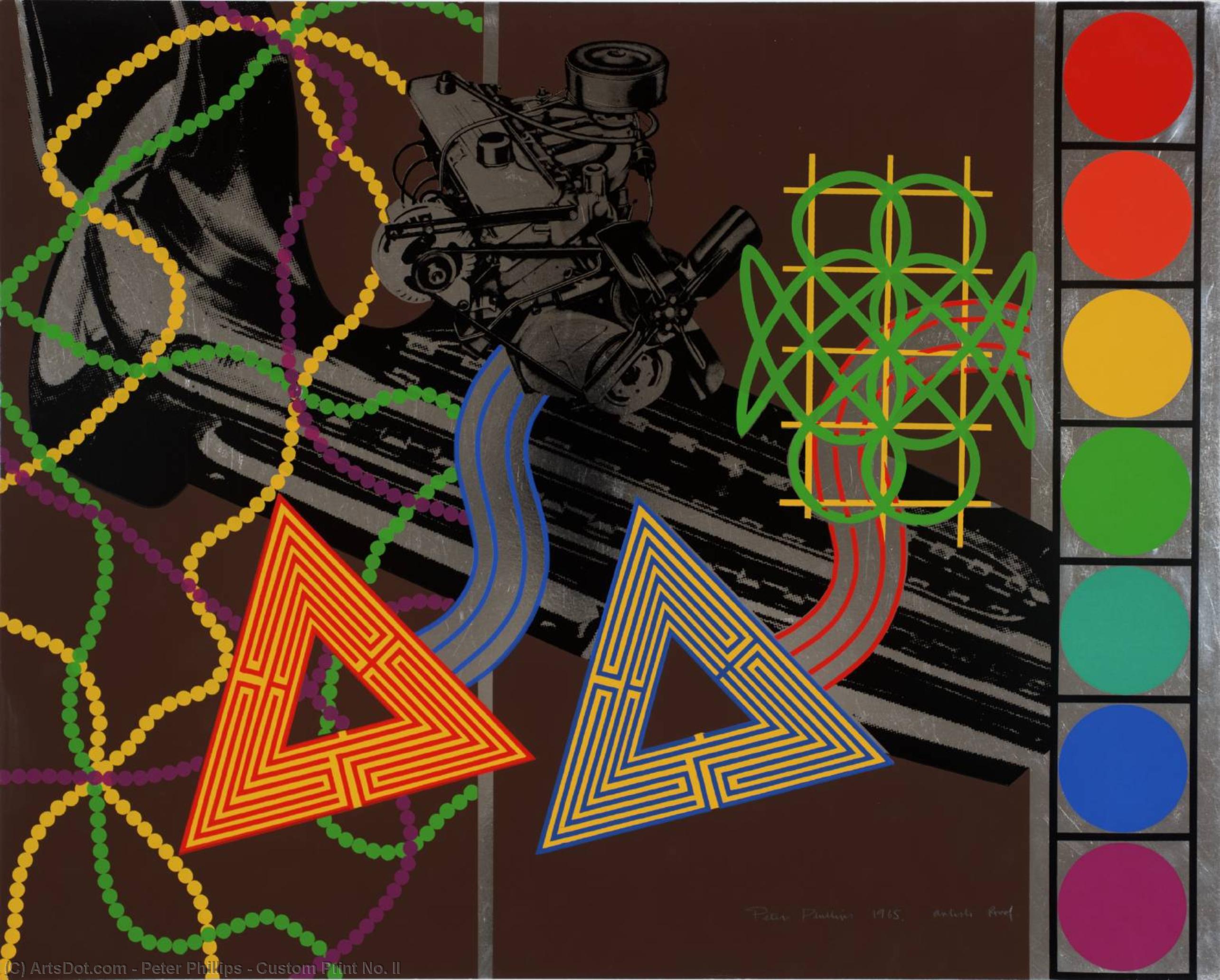
Impressão Personalizada Nº II


 Ver mais
A obra de arte exibida nesta página é protegida por leis de direitos autorais, o que significa que não podemos criar ou vender legalmente uma reprodução idêntica. Esta proteção é aplicada por meio de acordos internacionais, tais como a Convenção de Berna e pelas leis nacionais, incluindo as estabelecidas por Lei de Direitos Autorais dos EUA - Título 17.
Este método cumpre plenamente as regulamentações de direitos autorais, pois não envolve a cópia ou duplicação da obra protegida. Em vez disso, trata-se de uma reinterpretação criativa — uma nova pintura que é influenciada pela original, mas não idêntica a ela.
Giclée / Impressão de Arte
Impressão giclée ou em tela de qualidade de museu, com produção rápida e opções flexíveis de acabamento. ( Encomendar reprodução pintada à mão Ver Imagem Digital)




































Escolha entre os nossos tamanhos pré-definidos que respeitam as proporções originais da obra de arte.

Digite a largura e a altura de que necessita, para se ajustar à sua moldura ou à sua parede. Uma impressão só pode ser cortada, nunca ampliada além da imagem original, pelo que um tamanho com uma proporção diferente perderá parte da imagem. Enviamos-lhe uma maquete digital para aprovação antes de imprimirmos qualquer coisa. A imagem apresentada nesta página não mostra o corte real — apenas a maquete o faz.
Entrega mundial () em 2 semanas, em vez das 4/5 semanas padrão. (22 Outubro)

Envio expresso gratuito para todo o mundo

Tela de Linho Premium

Seguro de transporte total

Garantia de Reembolso de Impostos Alfandegários

Garantia de Fidelidade de Cor

Política de Devolução em 100 Dias (Apenas para Defeitos)

Garantia de reembolso de 100%

Desconto para múltiplas unidades
 A opção de vidro está disponível apenas para tamanhos inferiores a 110 cm

Impressão Personalizada Nº II
Giclée / Impressão de Arte
Dimensões da Reprodução
-


Preço Total
€ 70
Dynamic Fusion of Industry and Abstraction
“Custom Print No. II” by Peter Phillips presents a striking visual dialogue—a harmonious blend between the stark precision of industrial imagery and the vibrant energy of geometric abstraction. This artwork immediately captivates with its juxtaposition: a meticulously reproduced black-and-white photograph of a mechanical object – likely an engine or machinery – is countered by a lively backdrop dominated by colorful, interwoven shapes. More than just a visual contrast, this arrangement invites contemplation about the relationship between human innovation and artistic expression, establishing itself as a compelling centerpiece for modern interiors.
Style and Technique: Modern Abstract and Pop Art Influences
Phillips’ approach embodies the spirit of contemporary art movements, drawing inspiration from both geometric abstraction and Pop Art sensibilities. The artist skillfully combines photographic realism with graphic design techniques, utilizing a mixed-media method that incorporates printed imagery alongside digitally or hand-painted geometric forms. Intricate line work within these shapes contributes to depth and dynamism, while a saturated color palette—featuring reds, yellows, blues, and greens—further enhances the artwork’s visual impact. The layered composition – characterized by overlapping shapes and varying line thicknesses – actively engages the viewer's eye, fostering an exploration of both chaos and order.
Historical Context and Artistic Significance
Created during a period marked by artists challenging established conventions, “Custom Print No. II” echoes the experimental ethos prevalent in modern art movements. Heavily influenced by Pop Art’s embrace of everyday subjects and unconventional methods, alongside geometric abstraction's exploration of form and structure, it reflects a fascination with consumer culture and technological advancements—themes central to life in the mid-20th century. Peter Phillips, a prominent figure in British Pop Art, distinguished himself through innovative collages and bold visual language.
Symbolism and Emotional Impact
The photograph itself depicts a stylized motorcycle rendered in dark shades with contrasting bright outlines. This central element symbolizes speed, freedom, perhaps even anxieties associated with the industrial age—a deliberate nod to Pop Art’s preoccupation with societal concerns. Furthermore, the artwork's stylistic leanings toward Op Art and Pop Art are evident in its bold colors, geometric shapes, and graphic quality. The technique appears to be digital manipulation of an existing painting, leveraging layering and color adjustments to maximize visual impact. Materials utilized—pixels and layers within a computer program—underscore the artwork’s contemporary nature.
Additional Research & Details
As evidenced by resources like Tate (Tate) and Smithsonian American Art Museum (Smithsonian American Art Museum), “Custom Print No. II” exemplifies Phillips’ mastery of blending photographic realism with graphic design, capturing the essence of modern life.
Perguntas e Respostas
A qual artista "Impressão Personalizada Nº II" é atribuída?
O artista por trás de "Impressão Personalizada Nº II" é Peter Phillips. A obra está catalogada sob o nome de Peter Phillips.
Para quem "Impressão Personalizada Nº II" é sugerido como presente e para qual uso?
"Impressão Personalizada Nº II" de Peter Phillips é recomendado como um presente para Presente Corporativo, especialmente para Peça de destaque. Uma reprodução da obra de arte pode ser oferecida como um presente.
Para que uso é sugerida a reprodução de "Impressão Personalizada Nº II" de Peter Phillips?
Uma reprodução de "Impressão Personalizada Nº II" de Peter Phillips é recomendada para Peça de destaque. Esta sugestão decorre do tema, do ambiente e das cores da obra.
Biografia do Artista
A Pioneer of British Pop: The World of Peter Phillips
Peter Phillips emerged as a pivotal figure in the burgeoning British Pop Art movement, injecting a uniquely dynamic and critical perspective into the artistic landscape of the 1960s. Born in Birmingham, United Kingdom, in 1939, his journey began with foundational studies at Moseley Road Secondary School of Art (1953-1955) and continued at the Birmingham School of Art (1955-1959). These early years instilled a meticulous attention to detail and established a bedrock of artistic discipline before he ventured to the prestigious Royal College of Art (1959-1962), where his artistic vision truly began to crystallize. The seeds of his future style were sown through exposure to reproductions of works by American Pop Art innovators Jasper Johns and Robert Rauschenberg, artists whose embrace of everyday imagery and unconventional techniques profoundly influenced Phillips’ developing aesthetic. He wasn't merely mimicking; he was absorbing a new language for art, one that spoke directly to the consumer culture rapidly transforming post-war society.American Echoes and British Innovation
Phillips swiftly distinguished himself as an originator of Pop Art within Britain, though his approach possessed a distinct character compared to his American counterparts. While Warhol and Lichtenstein often focused on iconic imagery with a degree of detached irony, Phillips’ early works were characterized by a more aggressive engagement with the visual onslaught of commercial iconography and advertising that permeated contemporary life. This inclination was powerfully reinforced in 1964 when he was awarded a Harkness Fellowship, enabling him to spend time in New York City. There, he found himself immersed in the heart of the American Pop Art scene, exhibiting alongside luminaries like Andy Warhol, Roy Lichtenstein, and James Rosenquist. This period proved transformative, solidifying his place within the movement while simultaneously allowing him to refine his own artistic voice. Prior to this pivotal experience, Phillips briefly taught at Coventry College of Art and Birmingham College of Art between 1962-1963, sharing his burgeoning ideas with a new generation of artists. He was particularly captivated by the bold color palettes and fragmented compositions championed by Rauschenberg, recognizing their potential for disrupting traditional artistic conventions.The Montage Technique: Collage as Critique
Phillips’ signature technique – montage – became synonymous with his distinctive style. Rejecting the illusionistic traditions of painting, he embraced collage as a means of confronting viewers with the complexities of modern life. Utilizing meticulously crafted assemblages of printed materials—photographs, posters, advertisements—he created layered compositions that simultaneously celebrated and interrogated the pervasive influence of mass media on perception. These works weren’t simply decorative; they were deliberate acts of visual disruption designed to provoke contemplation about consumerism, branding, and the dissemination of images within society. The resulting canvases pulsed with vibrant hues and geometric forms, reflecting Phillips' fascination with both formal experimentation and conceptual engagement. He skillfully juxtaposed disparate elements—fragments of text, glossy surfaces, textured fabrics—to generate unexpected resonances and challenge viewers’ assumptions about representation.Notable Exhibitions and Recognition
Throughout the 1960s and beyond, Peter Phillips garnered considerable acclaim within the British art world. His debut solo exhibition at Kornblee Gallery in New York in 1965 established his international reputation and cemented his position as a leading voice of Pop Art. Subsequent exhibitions showcased his versatility across mediums—including sculpture and printmaking—demonstrating an unwavering commitment to exploring diverse artistic possibilities. A landmark retrospective at the Tate Gallery in London in 1976 solidified his legacy as one of Britain’s most influential artists of the era, highlighting the breadth and depth of his oeuvre. Furthermore, Phillips' prints reside within the Tate Collection, ensuring that his work continues to inspire future generations of artists and collectors alike.A Continuing Legacy
Peter Phillips remains an active artist today, pursuing creative endeavors while fostering connections with younger generations of creatives. His enduring influence can be seen in contemporary art practices—particularly those concerned with visual culture and critical engagement—underscoring the lasting significance of his pioneering contribution to British Pop Art.
Peter Phillips
1939 - , Reino Unido
Informações Rápidas
- Artistic Movement Or Style: Pop Art
- Artists Or Movements Influenced By This Artist:
- Thomas Phillips
- Peter Blake
- Peter Maxwell Davies
- Artists Who Influenced This Artist:
- Jasper Johns
- Robert Rauschenberg
- Date Of Birth: 1939
- Full Name: Peter Mark Andrew Phillips
- Nationality: Britânico
- Notable Artworks:
- Spectrocoupling
- Impeller
- Impressão Personalizada Nº II
- Place Of Birth: Birmingham, Reino Unido
Artigos Relacionados

Beyond Form & Color: Geometric Abstraction's Evolution in 20th/21st Century Art
Explore the evolution of geometric abstraction from Cubism to contemporary art. Discover key artists like Malevich & Mondrian, investment insights, and expert collecting advice at OriginalUniqueArt.
Beyond Form & Color: Geometric Abstraction's Enduring Legacy in Art History
Explore the captivating world of geometric abstraction! Discover its origins, key artists like Malevich & Mondrian, and why this movement remains highly valued by art collectors today. Expert insights at OriginalUniqueArt.

Top 10 Obras-Primas do Expressionismo Abstrato: Arte para Decorar e Inspirar | OriginalUniqueArt.com
Descubra as 10 obras-primas do Expressionismo Abstrato com Jackson Pollock, Mark Rothko e mais! Explore a história, técnica e emoção por trás de cada pintura. Encontre reproduções de arte exclusivas para decorar sua casa em OriginalUniqueArt.com.

Kandinsky: As 25 Obras-Primas que Definem o Abstracionismo | OriginalUniqueArt
Descubra as 25 obras-primas de Wassily Kandinsky, pioneiro da arte abstrata! Explore a história, cores e significado por trás de cada pintura. Encontre reproduções de alta qualidade e inspire sua decoração em OriginalUniqueArt.com.

Abstração Geométrica: 10 Obras-Primas que Moldaram a Arte Moderna | OriginalUniqueArt.com
Descubra as 10 obras-primas da Abstração Geométrica que revolucionaram a arte moderna! Explore Kandinsky, Mondrian e outros artistas icônicos. Encontre reproduções de alta qualidade para decorar sua casa com OriginalUniqueArt.com.


